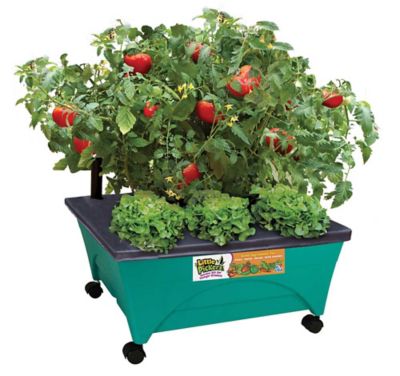
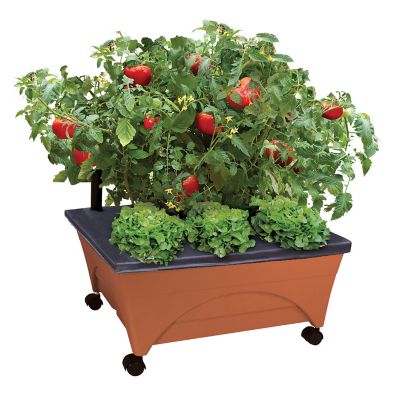
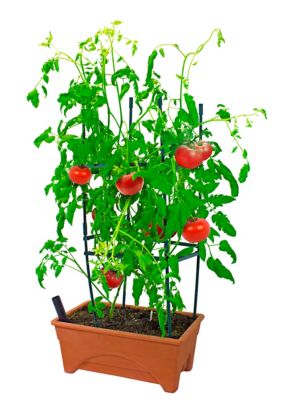
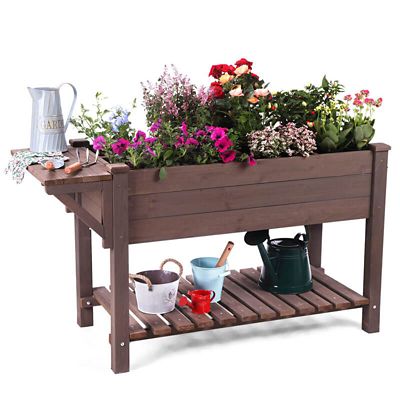
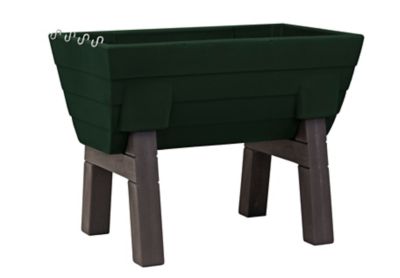
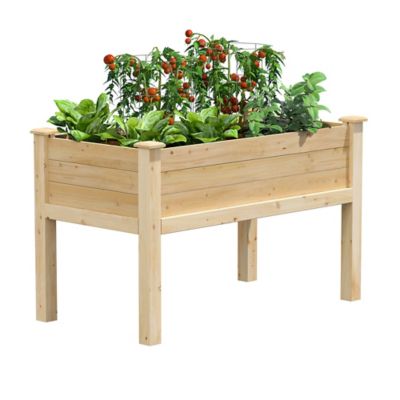
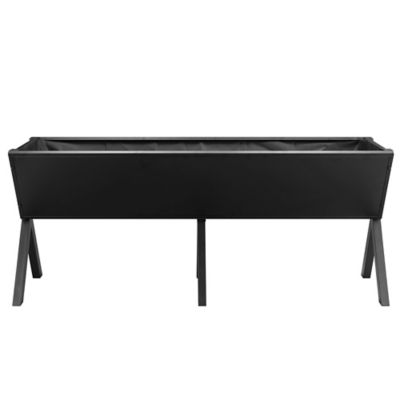
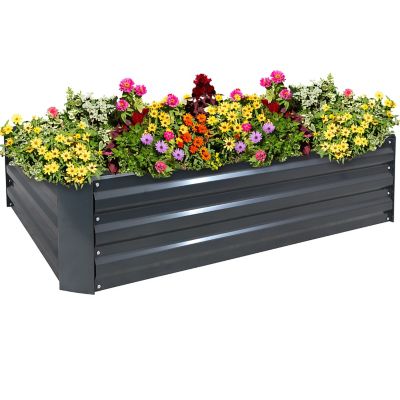
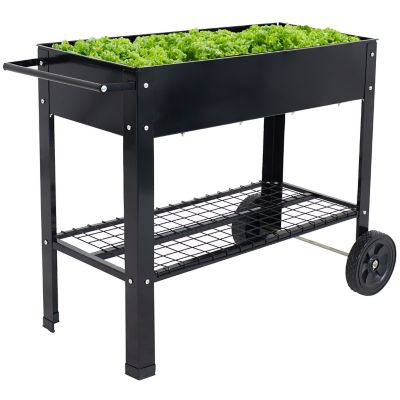
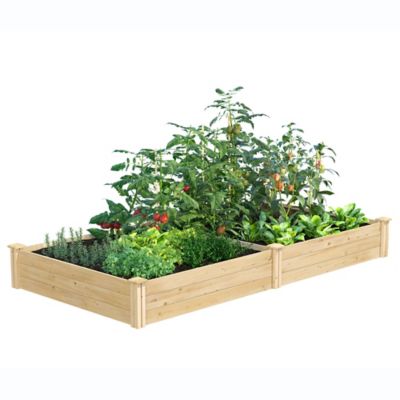
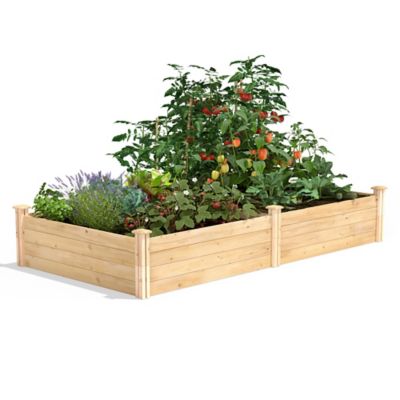
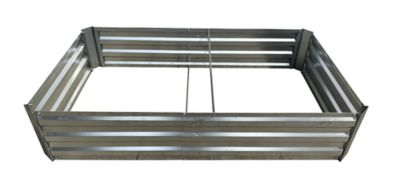
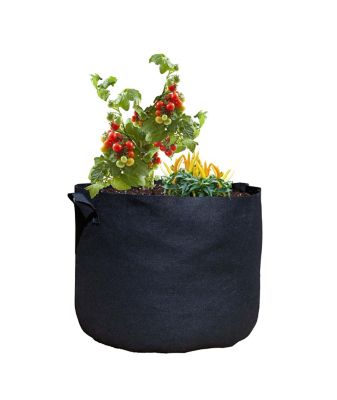
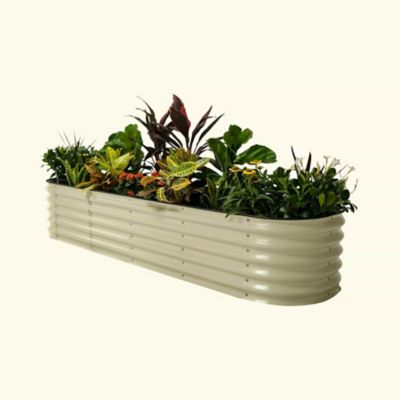
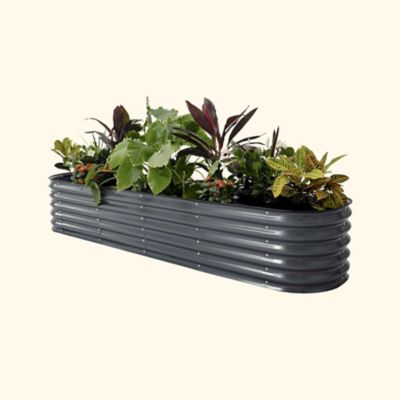
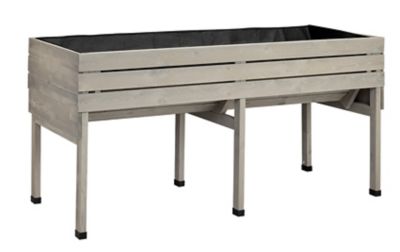
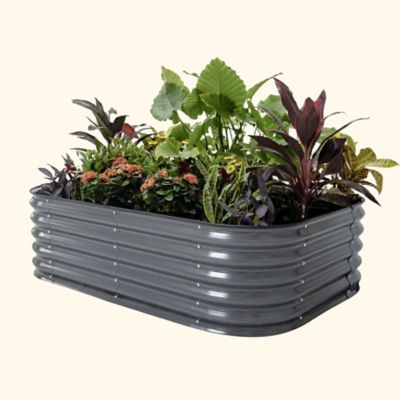
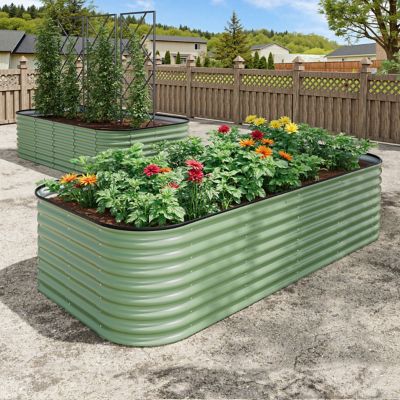
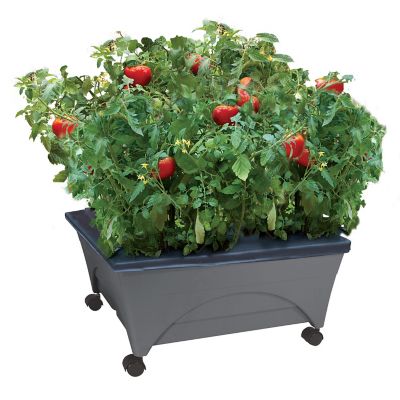
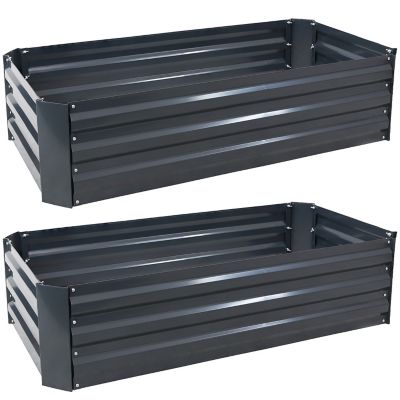
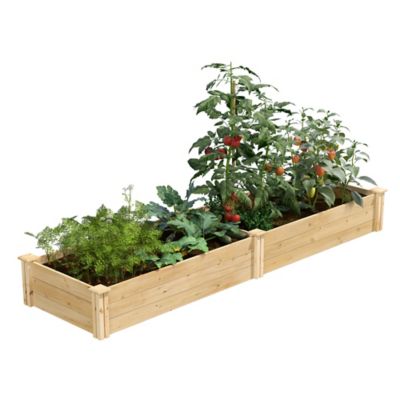
A self-watering raised garden bed gives you a tidy, practical place to grow vegetables, herbs, flowers, and small fruits while helping keep moisture available near the roots. Unlike a standard raised bed that depends entirely on rain or frequent top watering, this style typically includes a water reservoir beneath the growing area. Water moves upward through capillary action, much like a wick pulling liquid through a lamp, so the soil can draw in moisture as plants need it. Many designs use a fill tube for adding water directly to the reservoir and an overflow opening or pipe to let excess rainwater escape. A layer of fabric, mesh, or another barrier usually keeps the soil from falling into the reservoir, while a moisture-holding wicking mix helps carry water upward. This setup can be handy for gardeners who spend long days working, travel during the growing season, or simply want to cut down on the daily chore of dragging a hose across the yard. It also offers a useful solution for patios, porches, balconies, and other spots where an in-ground garden is not practical. Raised beds can make planting and harvesting easier on the back, especially when the bed is built at a comfortable height, and the contained growing space is easier to protect from compacted ground, poor native soil, and some crawling pests. During cooler months, these beds can still serve as a place for hardy greens, seasonal flowers, or a resting spot for soil while you plan the next round of planting. As the weather warms, they make it simple to start a few favorite crops close to the kitchen door, where fresh herbs and salad greens are easy to snip for supper.
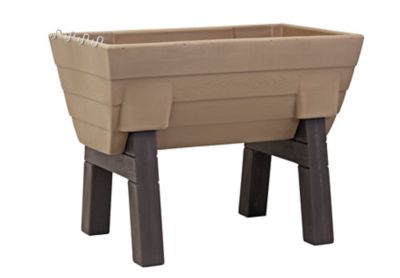
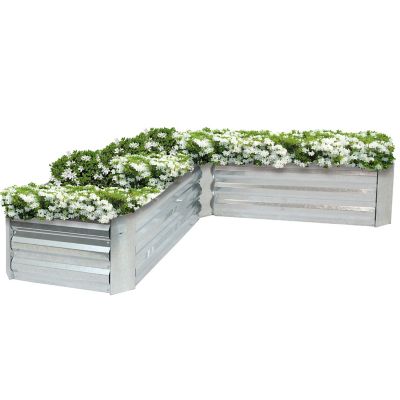
When choosing a self-watering raised garden bed, start with the space available and the kind of gardening you have in mind. Measure the intended area, including room to walk around the bed, open a cover, fill the reservoir, and reach plants in the center. A narrow bed may be a better fit along a deck railing, while a wider design can hold more crops but may be harder to reach without stepping around it. Height matters, too. A low bed works well in a yard and may suit deep-rooted plants, while an elevated bed can be more comfortable for someone who prefers less bending or has limited mobility. Check the overall construction, including the strength of the frame, the finish or coating, the stability of the legs, and the materials used to separate soil from stored water. A sturdy bed should sit level on a firm surface so the reservoir fills evenly. Look for a clear fill opening that is easy to access and an overflow system that helps prevent waterlogged soil after heavy rain. The growing depth is important for the plants you plan to raise: shallow-rooted lettuce, spinach, radishes, and herbs need less room than tomatoes, peppers, carrots, or compact berry plants. A cover, trellis, or protective panel may be useful where birds, rabbits, insects, or neighborhood pets are a concern. Think about reservoir capacity as well. A larger reservoir may extend the time between water checks, but it can add weight and may require a stronger base. Smaller beds are easier to move and fit neatly on a porch, though they may need more frequent attention during hot, dry stretches. Gardeners who enjoy making the most of limited space can also consider
Stackable Raised Garden Beds for a flexible arrangement that adds growing room without spreading across the whole yard. Before planting, read the care instructions and use a suitable potting or wicking mix rather than heavy garden dirt alone. A blend that holds moisture while still allowing air to reach the roots is generally a better choice; overly dense soil can interfere with upward movement and leave roots either too dry or too wet. Even a self-watering bed is not completely hands-off. Check the reservoir from the fill tube, watch the soil surface and plant leaves, and adjust watering habits when temperatures, rainfall, or plant needs change.
These garden beds can be a thoughtful gift for a new homeowner, a neighbor with a sunny patio, a parent who enjoys growing kitchen herbs, or an experienced gardener looking to make planting more comfortable. They are especially useful for people who want a manageable garden without tilling a large plot. A beginning gardener might start with basil, parsley, chives, lettuce, kale, or compact peppers, while a more experienced grower may use several beds to separate herbs from vegetables or keep flowers near an outdoor sitting area. Place the bed where it receives the amount of sunlight the plants require, with easy access to a hose or watering can and enough airflow to help foliage dry after rain. Avoid setting it where roof runoff pours directly into the reservoir or where standing water collects underneath. For early fall and the cooler months, consider crops that tolerate mild chill, such as leafy greens, edible flowers, or hardy herbs, while using the bed as a protected space for seedlings when conditions allow. In colder areas, a simple cover or move to a sheltered location may help extend the life of seasonal plants, but always follow the care needs of what you grow. When winter weather brings freezing temperatures, emptying or protecting the reservoir according to the manufacturer’s directions can help prevent damage from expanding ice. Keep soil from becoming packed down, remove spent plants, and add fresh growing mix when needed so the bed is ready when planting conditions return. With the right size, height, drainage features, growing mix, and placement, a self-watering raised garden bed can turn a small sunny corner into a dependable source of fresh color and homegrown flavor.