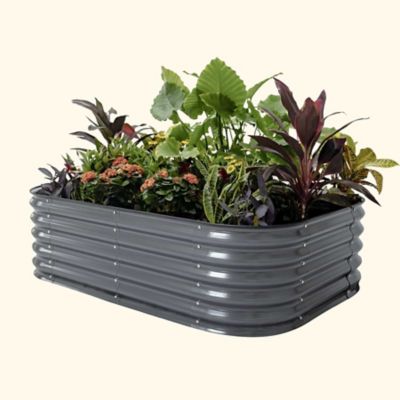
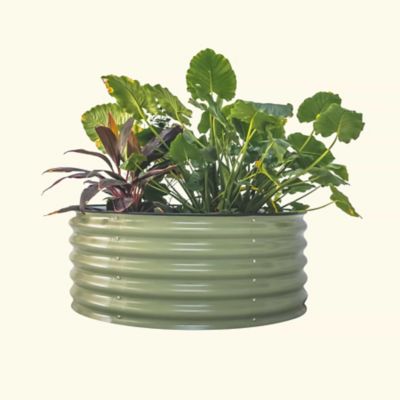
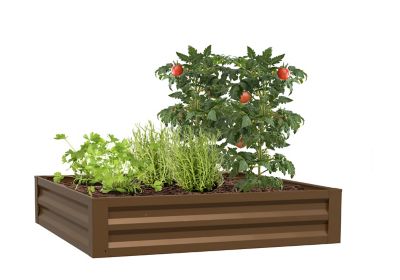
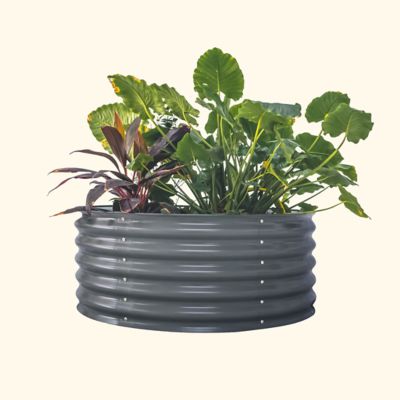
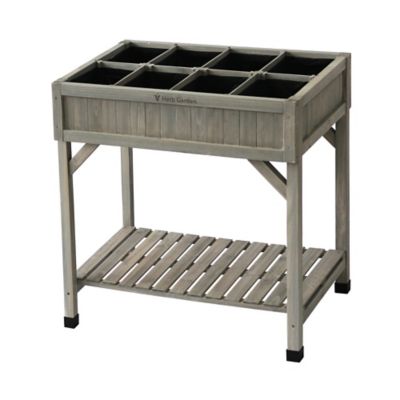
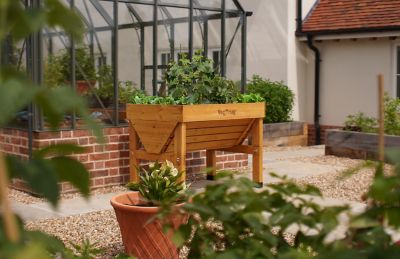
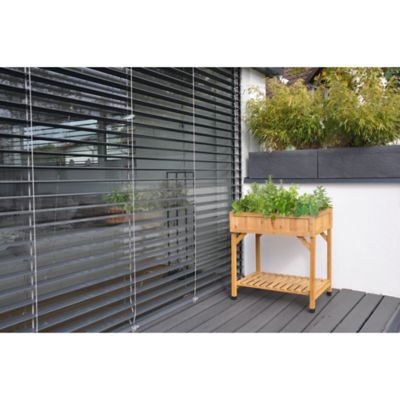
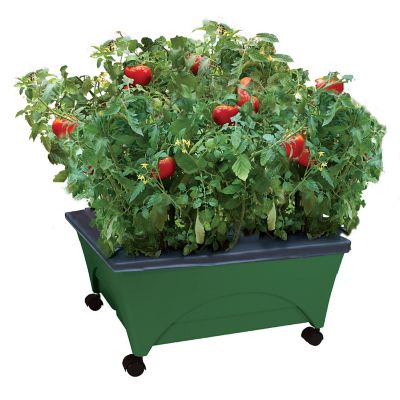
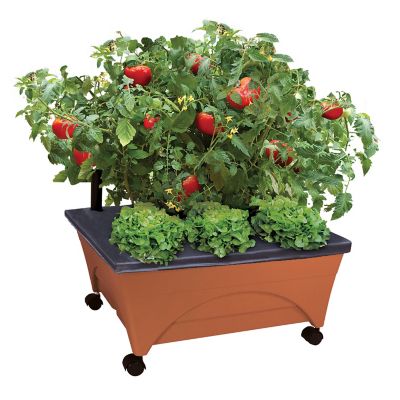
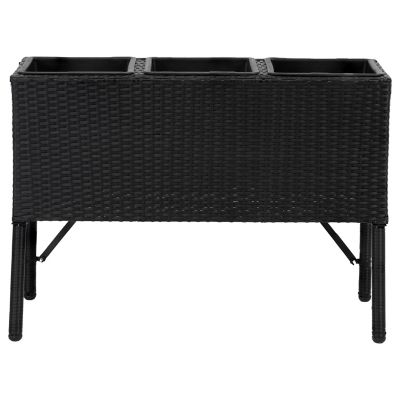
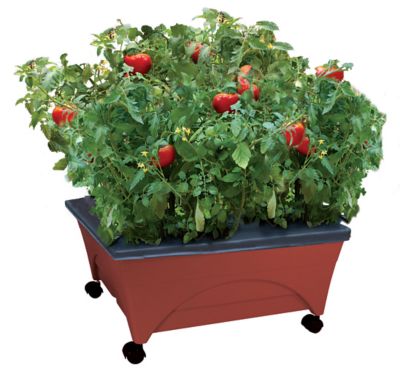
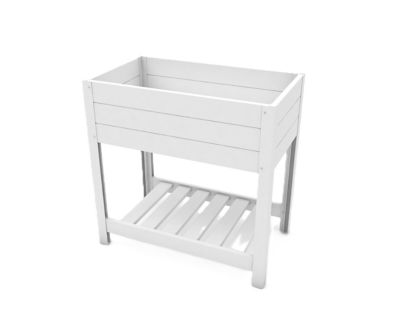
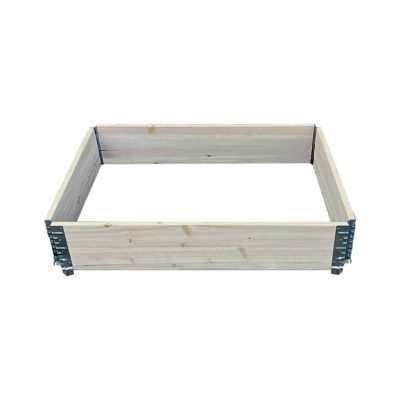
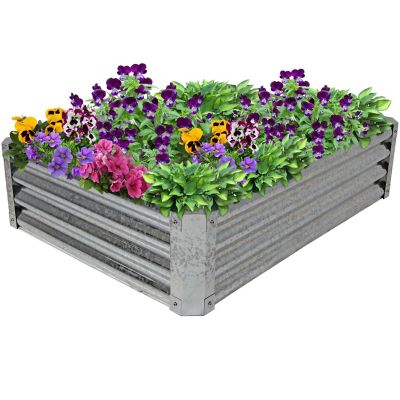
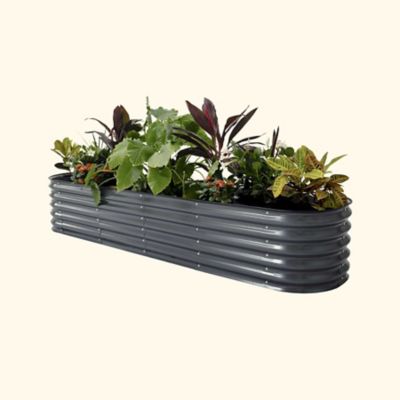
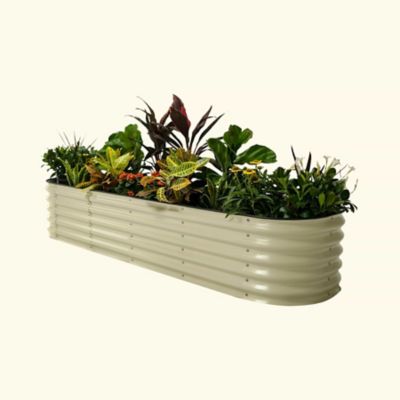
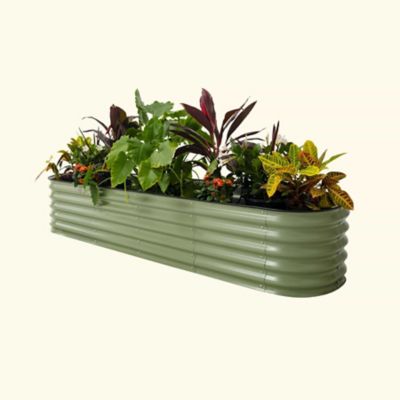
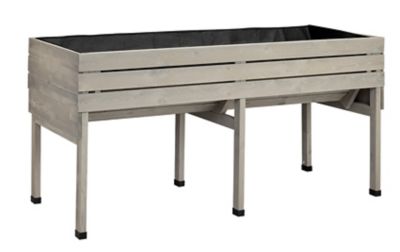
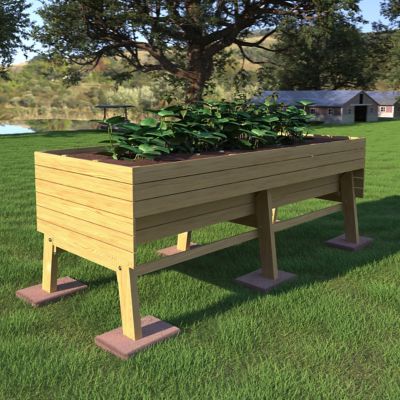
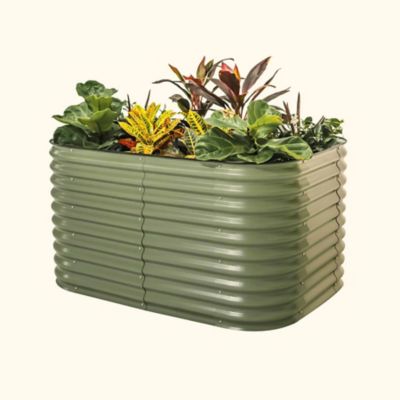
Small raised garden beds are compact planting frames or elevated containers that hold soil above ground level for growing vegetables, herbs, and flowers in limited space. Their smaller footprints make room for planting beside a walkway, near the back steps, or in a corner of the yard without turning a whole patch of ground into a garden. Ground-level raised beds usually have an open bottom that connects the planting area to the soil underneath, while elevated beds stand on legs and have a bottom that supports the growing mix. That distinction matters when choosing between a bed for the yard and a contained planter for a patio or other hard surface. A small bed can give a first-time gardener a manageable place to start, keep kitchen herbs within easy reach, or provide a separate planting space for children. For an experienced grower, it can hold a few favorite vegetables without taking over the main garden. Length and width tell only part of the story: planting depth, working height, and access around the frame all affect how the bed fits everyday routines. A narrow rectangle can sit neatly along a fence, provided there is enough room to reach the far side. A square bed can work well where paths allow access from several directions. Taller sides hold more growing mix, but a bed with tall legs may have a relatively shallow planting compartment, so overall height and soil depth deserve separate attention. Where deeper rooting space is a priority,
Deep Raised Garden Beds provide another category to consider alongside compact footprints. The best fit leaves room for mature plants as well as the person tending them, with space to carry a watering can, set down a harvest basket, and reach the center without stepping into the soil. Nearby access to water also makes a small planting area easier to keep up with.
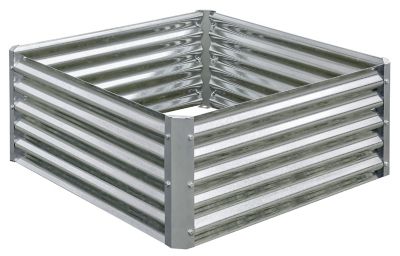
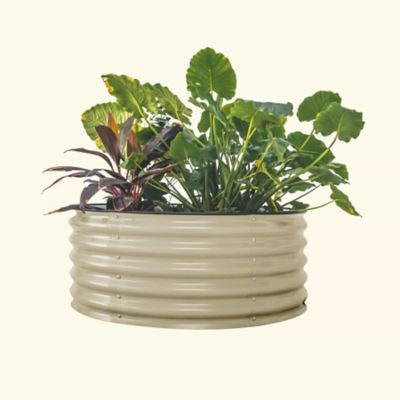
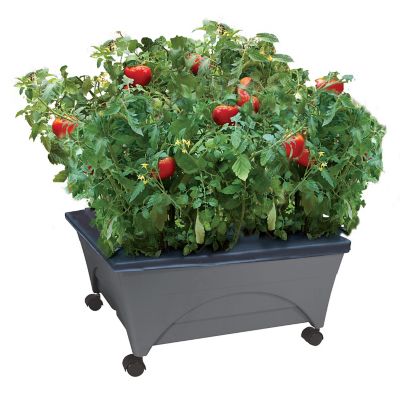
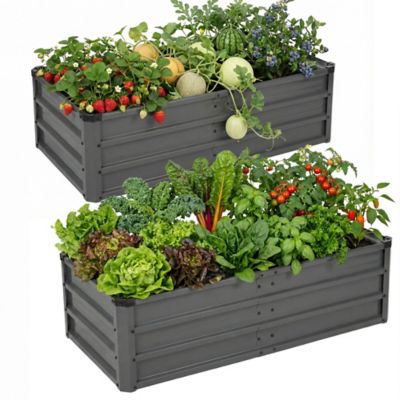
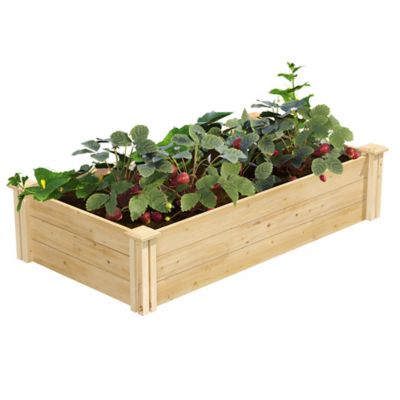
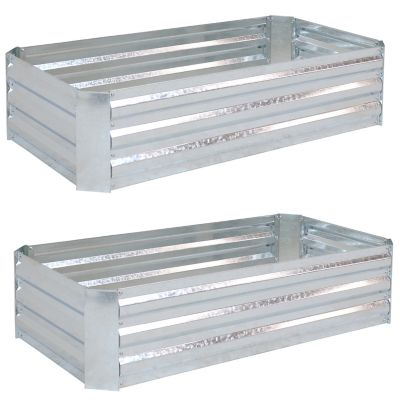
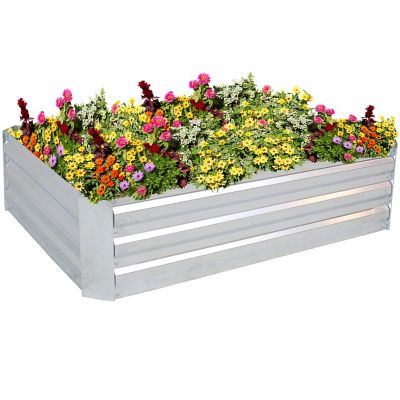
Materials give small raised garden beds much of their character, and construction details determine how they handle a full load of soil. Wood frames bring a straightforward look that fits beside a shed, along a gravel path, or near a porch. Cedar and other naturally rot-resistant woods are common choices, though every wood frame benefits from sound joints and attention to boards that remain in contact with damp soil. Galvanized steel offers a different look, often with slim walls that leave more of the footprint open for planting. On metal beds, finished edges, secure corners, and any required internal bracing are worth a close look, especially where children may lean across the sides. Plastic and composite frames can be easy to wipe down, with care requirements that depend on the material and construction. For edible plantings, materials and finishes intended for garden growing help take the guesswork out of choosing a frame. Assembly details matter, too: clear connections, properly seated fasteners, and a level base help a bed hold its intended shape once filled. An elevated planter also needs legs and joints rated to support the weight of its contents, including water held in the growing mix. Even a small container can become heavy, making its filled weight an important consideration for balconies, decks, and other raised surfaces. Drainage openings and a supported bottom are especially important for beds that do not sit directly on soil. Water needs a clear way out, and runoff needs somewhere suitable to go without collecting against siding or spilling across a walking path. Routine care is generally straightforward, but it varies by material. Checking fasteners, clearing blocked drain holes, inspecting wood joints, and following finish-care directions can help extend a bed’s working life. A frame that suits the space and receives regular attention can remain a useful part of the garden for years.
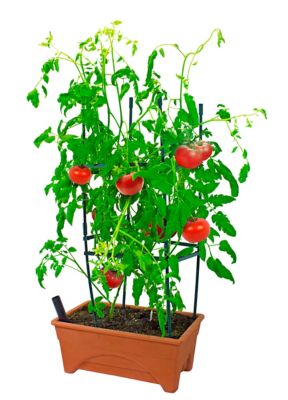
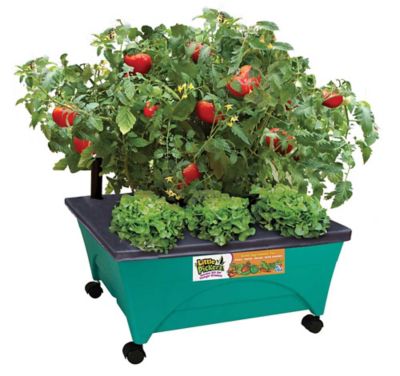
What grows inside a compact bed depends on root space, light, and the room each plant needs at maturity. Leaf lettuce, radishes, scallions, and many kitchen herbs fit naturally into smaller planting areas, while compact vegetable varieties can help make room for a broader mix. A tomato plant may start small enough to fit almost anywhere, but its mature spread, support needs, and root growth can take up much of a little bed. Carrots and other root crops depend on enough loose growing depth, while climbing plants need room for a trellis and a frame capable of handling the added strain. Those practical differences make planting capacity more useful than appearance alone when comparing beds. Many fruiting vegetables need at least six hours of direct sunlight each day, while some leafy greens and herbs tolerate partial shade. A bed near the kitchen door might be just the spot for parsley and chives, while an open patch beside the yard may better suit vegetables with higher light needs. Growing mix matters as much as the frame: elevated containers generally call for a mix suited to container growing, while open-bottom beds can accommodate a raised-bed blend appropriate to the planting site. Heavy ground soil alone can settle tightly in a container and leave roots with too little air. Drainage, moisture retention, and fertility all contribute to how well a small planting space performs. Compact beds also make it easier to keep an eye on individual plants, notice a chewed leaf, or spot weeds before they spread. A comfortable working height can reduce the amount of bending needed for those everyday tasks, although the most useful height depends on the gardener’s reach and whether tending happens while standing or seated. For a household that wants a few fresh ingredients close by, a child learning where vegetables come from, or someone who prefers a smaller area to maintain, a well-matched raised bed puts the planting space within easy reach without asking for a whole backyard.