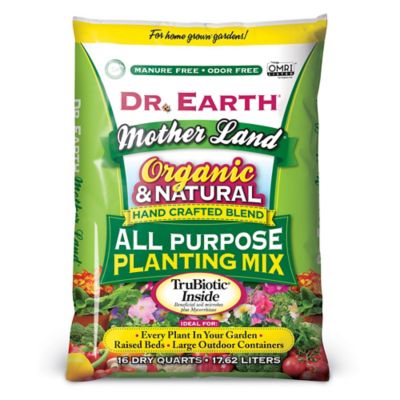
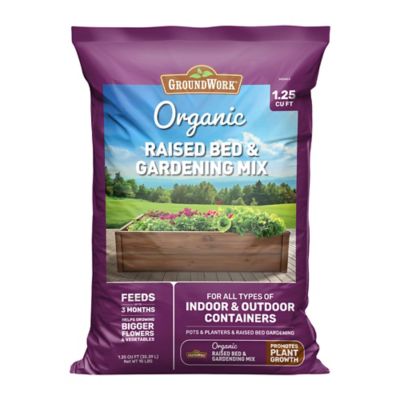
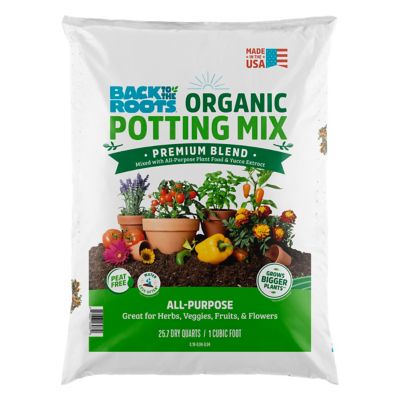
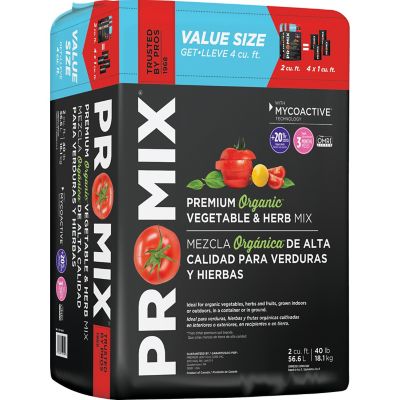
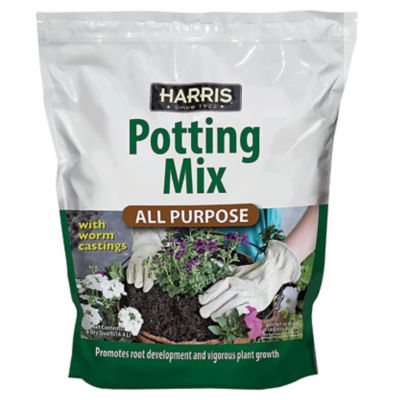
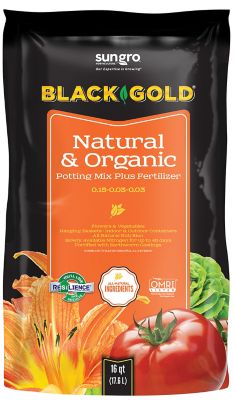
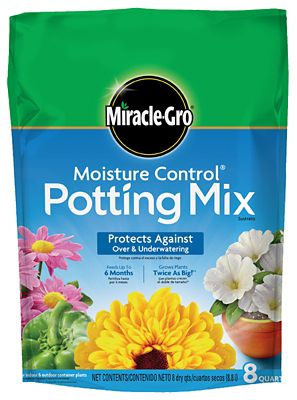
Raised bed soil gives vegetables, herbs, flowers, and other garden plants a growing space that’s easier to manage than a patch of hard-packed ground. Inside a framed bed, roots depend on the soil for support, moisture, air, and nutrients, so the blend matters just as much as the bed itself. A good fit has a loose, crumbly texture with enough substance to hold plants upright without packing into a solid block after watering. Raised bed soil blends may contain topsoil, compost, aged bark, peat moss, coconut coir, or mineral ingredients, with each component contributing something different. Topsoil supplies a mineral base and weight, while finished compost adds organic matter and can contribute nutrients. Peat moss and coconut coir help hold moisture, and ingredients such as perlite or pumice create space for air and water movement. The proportions matter: a dense blend can leave roots sitting in excess moisture, while a very coarse blend may need more frequent watering. Raised beds also differ from small flowerpots, so a lightweight container mix and a soil intended for a large, open-bottom garden bed aren’t always interchangeable. Product labels help sort out the intended setting, ingredients, and whether fertilizer is part of the blend. A dark color alone doesn’t tell the whole story, either; texture, drainage, and the listed ingredients offer more useful clues about how a soil will perform. Gardeners growing food may also want to check any organic labeling and look for information about the source of composted materials. Soil pH is another consideration, especially for plants with particular needs. Most common garden vegetables grow well in slightly acidic to near-neutral soil, but individual crops have their own preferences. For a family garden out back or a few kitchen herbs close to the porch, the goal is the same: a root zone that holds moisture without staying waterlogged and gives plants room to grow.
The size and construction of
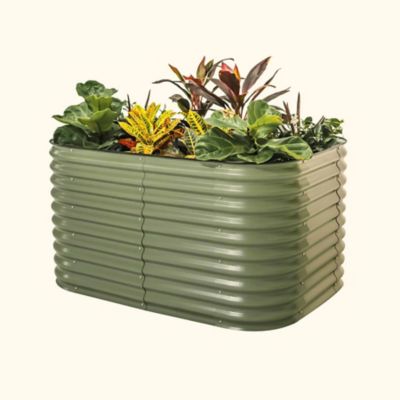
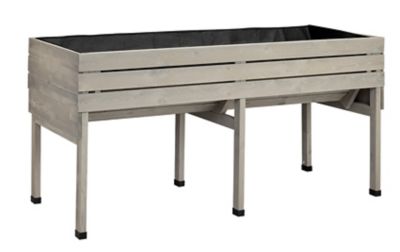
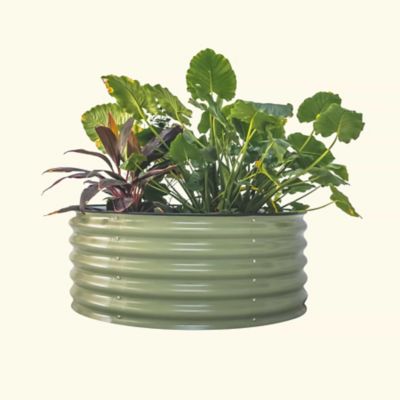
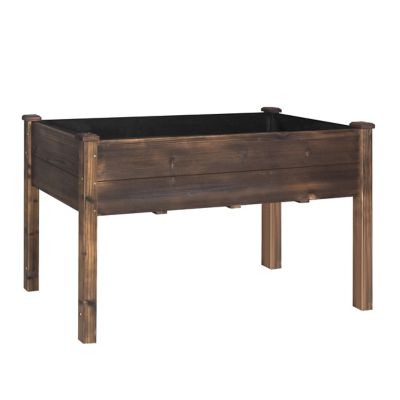
Raised Garden Beds help determine which soil characteristics matter most and how much material the space can hold. A broad bed resting directly on the ground behaves differently from an elevated planter with a solid bottom and drainage openings. In an open-bottom bed, roots may eventually reach the native soil underneath, making the condition of that ground part of the picture. In an elevated planter, the entire root system stays within a contained space, so drainage, soil weight, and the planter’s weight limit deserve close attention. Soil becomes considerably heavier when wet, and a blend suited to an in-ground framed bed may not suit a planter on legs. Bed measurements also make a real difference when comparing soil volumes. A growing area 4 feet wide, 8 feet long, and 1 foot deep holds about 32 cubic feet before accounting for material already inside or space left below the rim. Soil packaging may list volume in cubic feet or quarts, so matching units makes comparisons simpler. Some settling is normal as loose soil is watered and organic matter breaks down, but firmly packing a bed can squeeze out the pore space roots need. The planting plan matters, too. Carrots and other root crops benefit from a loose growing zone without large clumps or stones, while tomatoes need enough root space to support substantial growth. Leafy greens, herbs, and cutting flowers bring different spacing and feeding needs, even when they share the same bed. A deeper bed doesn’t automatically make a better home for every plant; the useful depth depends on the crop, the soil beneath it, and the bed’s design. For gardeners working from a seated position or limiting bending and kneeling, an elevated setup can bring the planting area within easier reach, with a soil blend matched to that particular structure.
Raised bed soil also needs to fit the way the garden will be tended over time. A small herb bed near the back door may get frequent attention, while a larger vegetable patch might rely on drip irrigation or a soaker hose. Moisture-holding ingredients can help reduce rapid drying, but they don’t replace drainage or make every bed follow the same watering schedule. Water that puddles on the surface, runs down the edges without soaking in, or leaves the lower soil constantly saturated can point to a mismatch between soil structure, watering, and bed construction. Keeping the growing area loose is part of maintaining that balance. Beds narrow enough to reach from the sides make it easier to plant, pick, and pull weeds without stepping on the soil and compressing it. A surface layer of suitable mulch can help limit evaporation and reduce splashing, while leaving space around plant stems. Nutrients need attention as plants grow and crops are harvested. Some raised bed soils contain fertilizer, some draw part of their nutrient content from compost, and others need a separate feeding plan. The label’s directions and stated feeding period help prevent overlapping applications, especially when adding another fertilizer. Compost contributes organic matter, but its nutrient content varies, so it isn’t automatically a complete feeding solution. A soil test can clarify pH and nutrient levels before amendments are added to an established bed. Organic matter gradually breaks down, and soil levels may settle, making occasional replenishment part of keeping the growing space productive. That doesn’t necessarily mean replacing the entire bed’s contents. Soil that still drains well and has no known contamination or disease concerns can often remain in place with appropriate care. Whether the garden supplies supper vegetables, herbs for the kitchen, or flowers for a jar on the table, raised bed soil is worth choosing for the plants, the structure, and the everyday work that goes into keeping them growing.