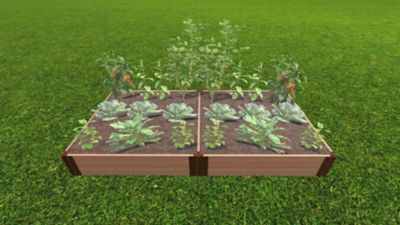
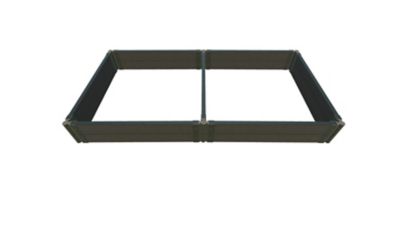
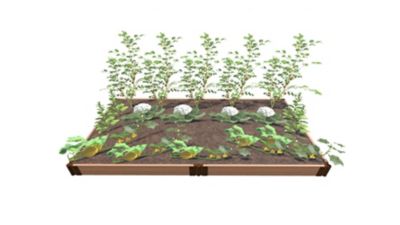
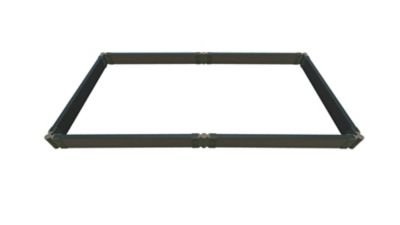
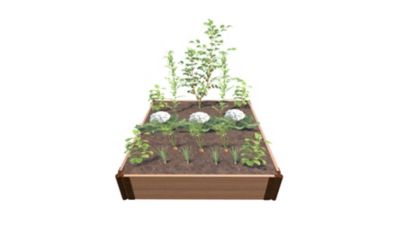
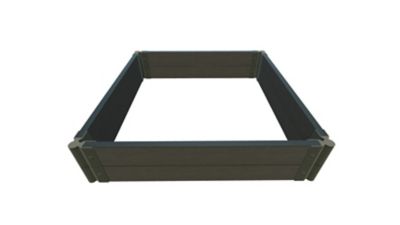
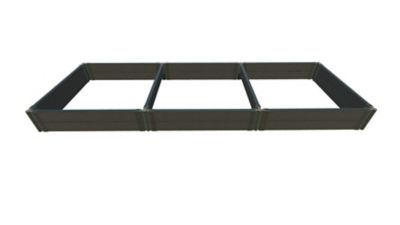
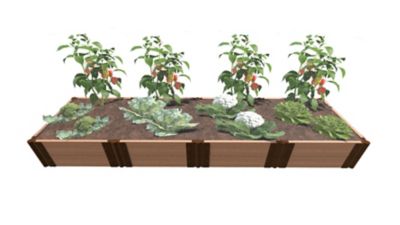
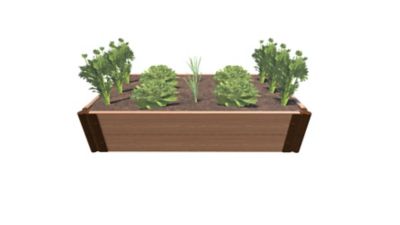
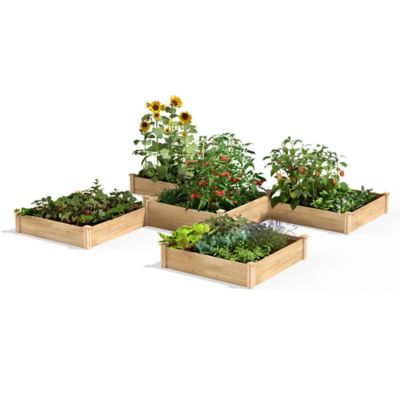
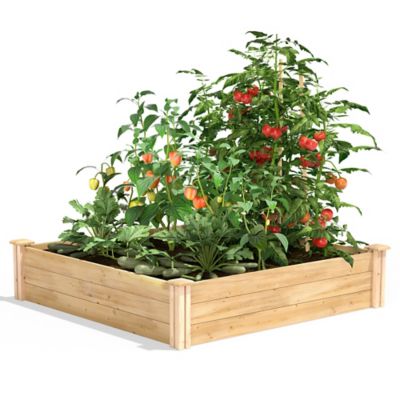
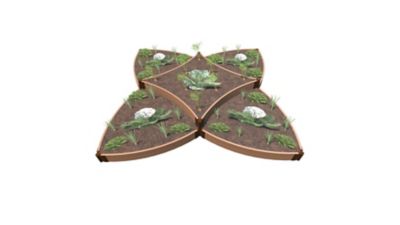
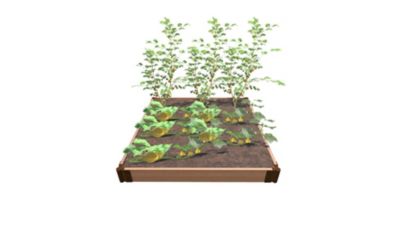
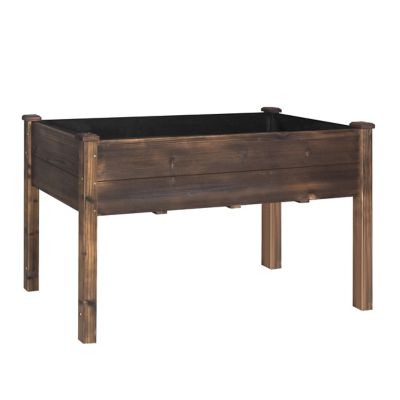
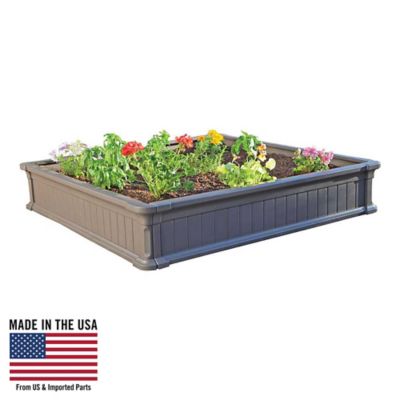
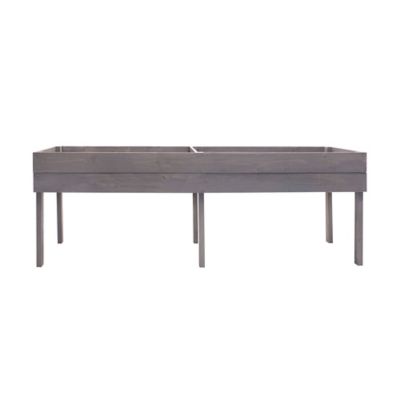
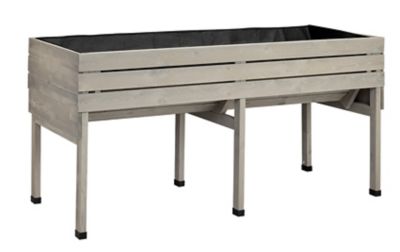
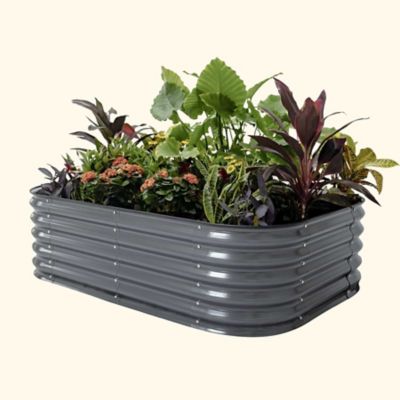
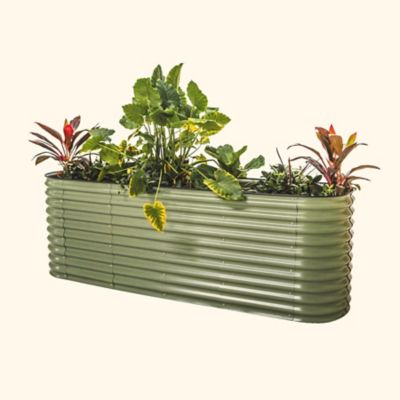
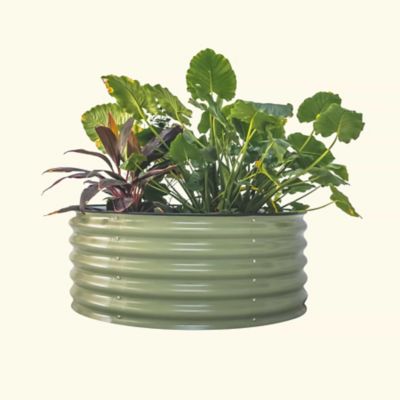
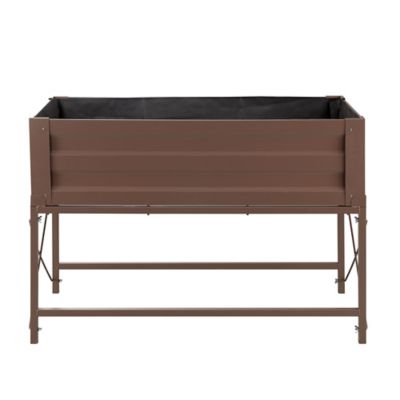
Raised beds for square foot gardening bring a tidy, manageable layout to a backyard vegetable patch, a small homestead garden, or a planting area beside the house. The square-foot approach divides a growing space into smaller sections, making it easier to keep track of what’s planted without leaving wide rows between crops. A bed with a 4-by-4-foot interior provides room for sixteen one-foot squares, while narrower shapes can fit along a walkway or fence. Those measurements matter when comparing beds: outside dimensions include the frame, so the actual planting space may be a little smaller. For gardeners who want a clear grid, straight sides and a regular shape make layout simpler. Width deserves just as much attention as overall size. A bed that’s reachable from both sides lets you tend the center without stepping into the soil, while a bed against a wall generally needs a narrower footprint. Comfortable reach varies from person to person, especially for children or anyone gardening from a seated position. Raised beds also create a defined growing area where the existing ground is rocky, compacted, or otherwise difficult to work. They give gardeners more control over the planting mix, though the site underneath still affects drainage and root growth in open-bottom designs. Depth is another practical consideration, since shallow-rooted greens and deeper-rooted vegetables have different needs. Taller sides can provide more room for roots and reduce some bending, but they also require more soil to fill. Elevated planters offer a different setup, with the planting box supported above ground rather than resting directly on it. Their working height, leg clearance, soil depth, and filled weight all matter. Whether the space holds one compact bed or several beds with paths between them, a sensible fit leaves room to carry a watering can, kneel beside the frame, and gather vegetables without squeezing through a narrow gap. The best layout is one that feels easy to tend after the planting is done, not just one that fits on paper.
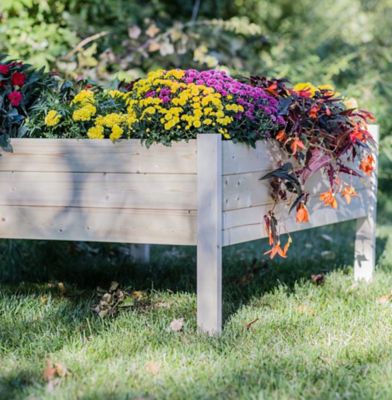
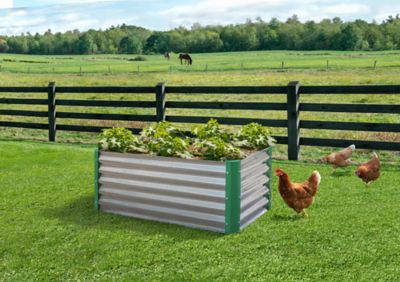
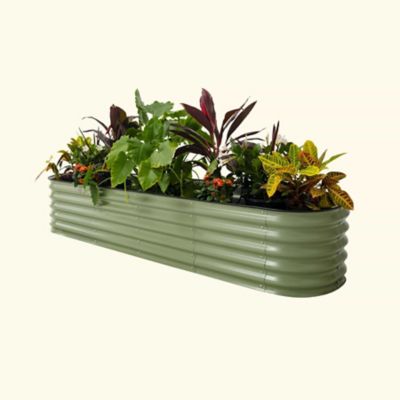
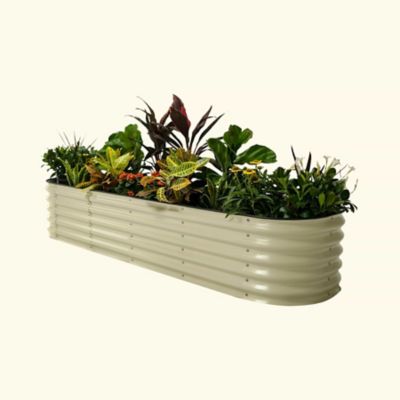
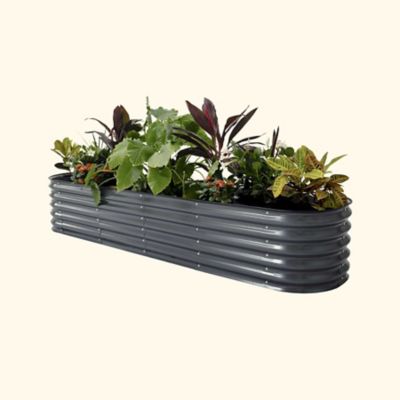
Materials help determine how a raised bed looks, how it goes together, and what attention it needs over time. Wood frames have a familiar place beside a barn, shed, or backyard fence, and wood species vary in their resistance to decay. Board thickness, corner construction, and fasteners all affect how well a frame holds its shape under the outward pressure of damp soil. Cedar is a common choice for its natural resistance to decay, though no wood stays unchanged in constant contact with soil and moisture. For edible gardens, material suitability matters more than appearance alone; manufacturer information should address the intended growing use, including any treatment or finish. Metal beds offer another approach, often with panels that connect at the corners or form rounded ends. Protective coatings, secure connections, and smooth or covered upper edges are worth a close look, particularly where children will be helping. Scratches, loose hardware, and exposed edges call for attention as part of routine care. Plastic and composite frames vary in construction, so their stated soil capacity, support requirements, and suitability for edible planting deserve the same attention. Some bed kits include everything needed for the frame, while others call for additional hardware or supports. Assembly space and the ability to move individual sections can matter when the garden sits beyond a narrow gate. Bottom construction is just as important as the sides. An open-bottom bed connects the planting area to the ground beneath it; an enclosed planter depends on drainage openings to release excess water. A liner is not a substitute for drainage, and any liner needs to suit the bed and its intended purpose. For a bed on a patio or another hard surface, the filled weight, water runoff, and surface protection all deserve consideration. Straightforward upkeep—checking connections, clearing blocked drains, and following the maker’s care directions—helps keep the growing space ready for regular tending without turning the frame itself into another big chore.
The appeal of a square-foot layout is that a modest planting space can feel organized without making every square serve the same purpose. One section might hold leafy greens, another a few root crops, and another a larger plant that needs more elbow room. Plant spacing still depends on the crop, variety, and mature size; a grid is a planning aid, not a reason to crowd plants together. Vining crops may benefit from a trellis, but the support needs to suit both the plant’s weight and the strength of its attachment point. A lightweight bed wall is not automatically a suitable anchor for a heavily loaded support. Grid markers can make sections easier to see, and removable dividers leave more flexibility when planting plans change. Soil selection matters, too. A planting mix intended for raised beds should balance drainage, moisture retention, and room for roots, rather than packing down into a hard mass. Fill volume can be a bigger undertaking than the frame suggests, especially with taller beds, so interior measurements help make sense of the amount required. Irrigation access belongs in the same conversation: a bed close to a water source is easier to manage than one that means dragging a hose across the whole yard. These practical details connect square-foot layouts with the wider choices found in
Raised Bed Gardening, from ground-level frames to elevated planting spaces. For a family garden, clearly marked squares can give each child a small patch to look after. For someone with limited space, a narrow bed can make a side yard feel more useful without taking over the walkway. A raised bed can also make a thoughtful gift for a gardener when the recipient’s space, reach, and assembly needs are already understood. Room to work, enough depth for the intended crops, and a frame that suits the site all help make the bed a useful part of everyday life around the yard.