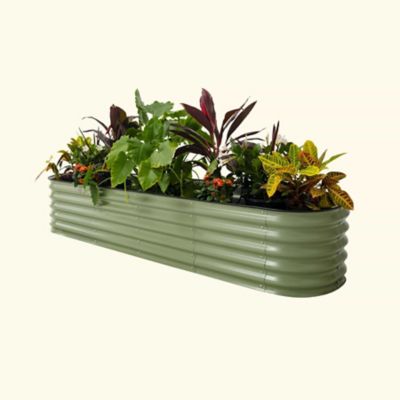
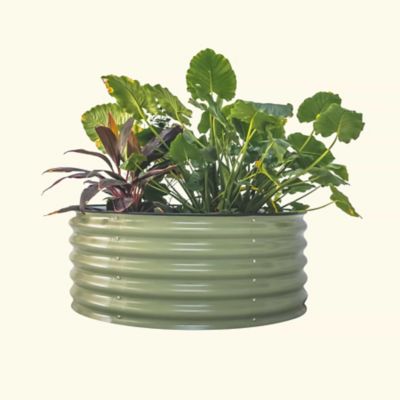
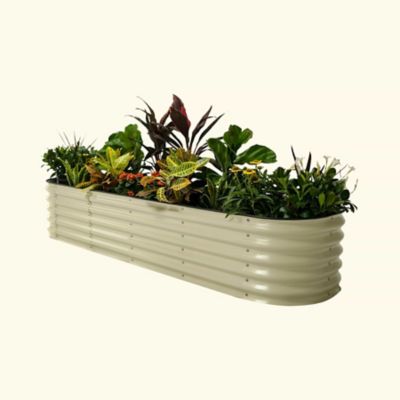
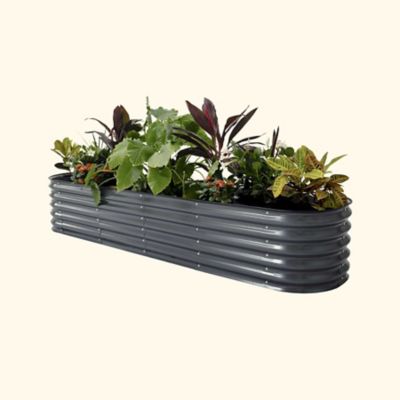
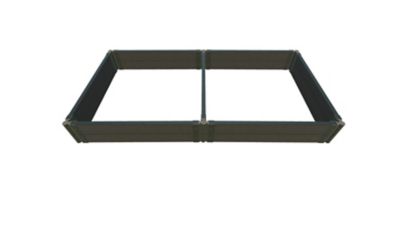
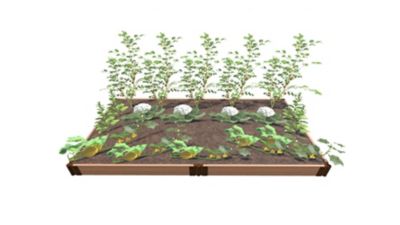
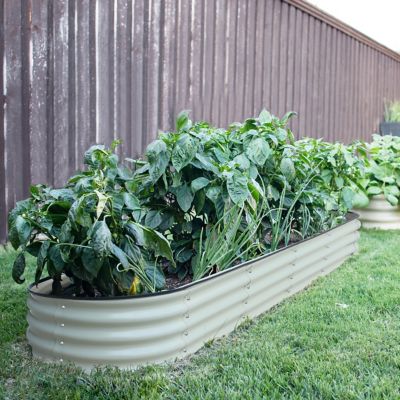
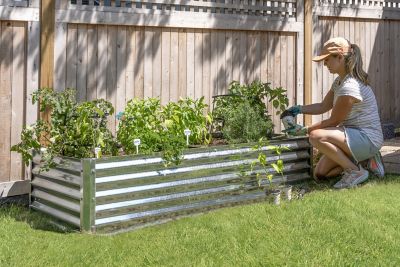
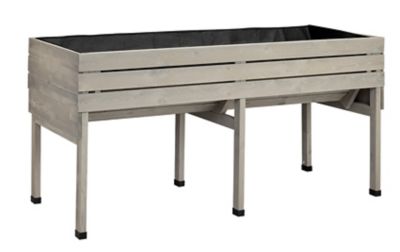
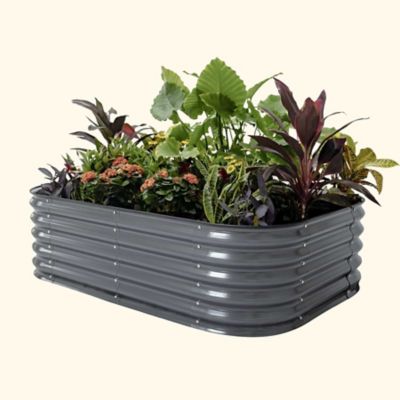
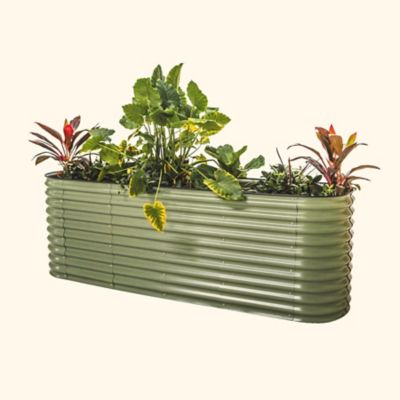
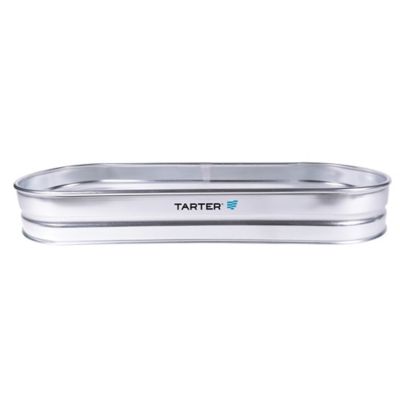
A raised garden bed is an enclosed planting area that holds soil above the surrounding ground, giving beginners more control over soil texture, root space and drainage. It creates a defined place to grow vegetables, herbs or flowers without turning a whole section of the yard into a garden. For someone starting with a patch of hard ground beside the shed or a modest backyard near the kitchen, that boundary can make the project feel manageable. When comparing
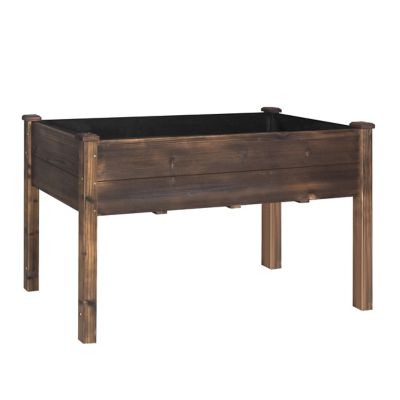
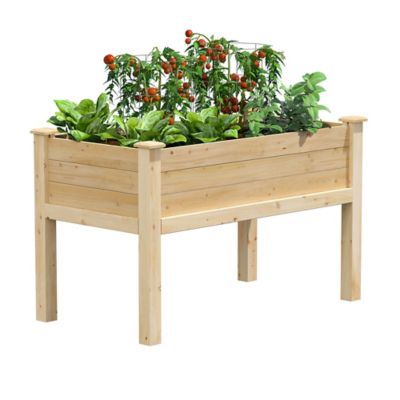
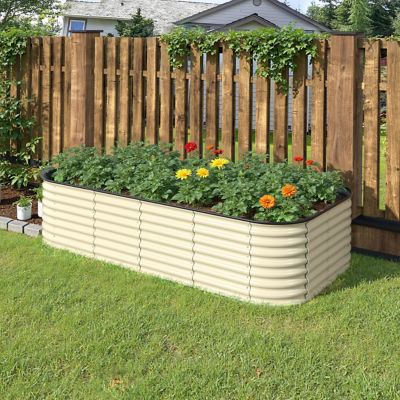
Raised Garden Beds, look at the planting footprint, soil depth and access together rather than judging by the frame alone. A bed no wider than 4 feet generally lets an adult reach the center from both long sides without stepping into the soil. Along a fence or wall, a width of about 2½ to 3 feet may be easier to reach from one side, though a comfortable reach matters more than any fixed measurement. Children and gardeners who work from a seated position may need narrower planting areas. A soil depth of 12 to 18 inches suits many common vegetables, but deeper-rooted crops can need more room. With an open-bottom frame, roots may continue into the ground below if that soil is suitable; a bed with a solid bottom limits roots to its actual planting depth. Bed height and soil depth are not always the same thing, especially with raised planters on legs. An elevated planter can reduce bending, while a low frame keeps the planting area closer to ground level. The right fit also leaves room to walk, kneel and bring watering supplies alongside the bed. For many vegetables, a location with 6 to 8 hours of direct sunlight each day is a useful starting point, while some leafy crops and herbs tolerate less. Matching the bed to the space and the plants makes tending a first garden much less of a reach.
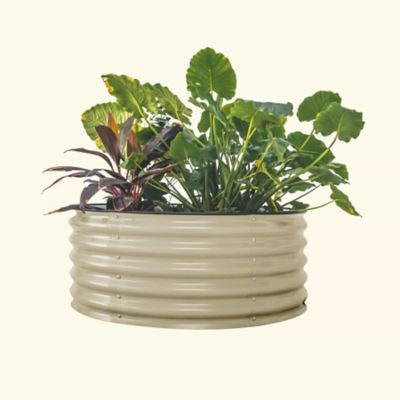
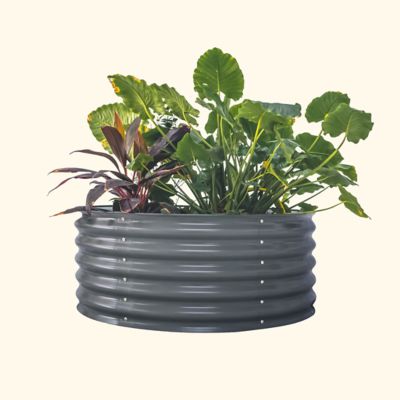
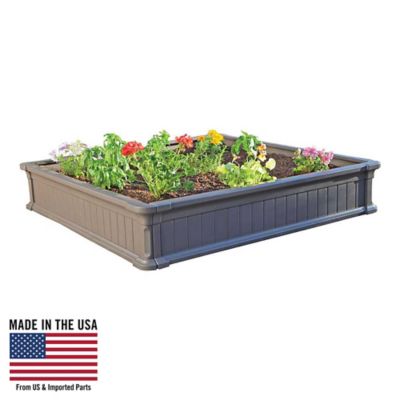
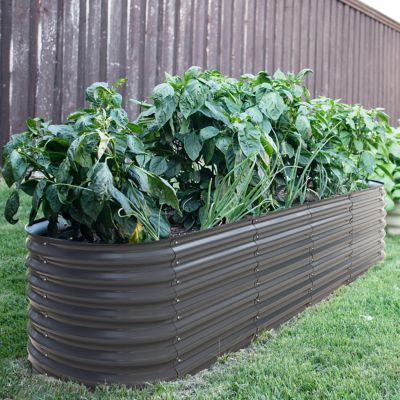
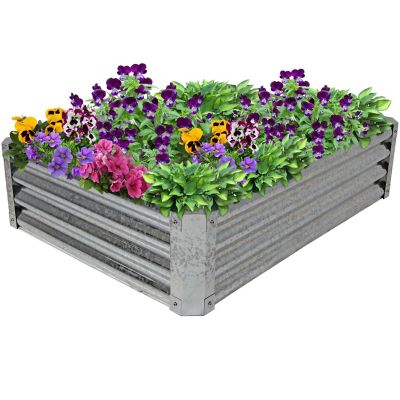
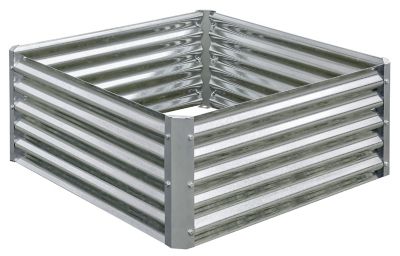
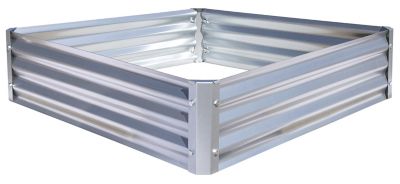
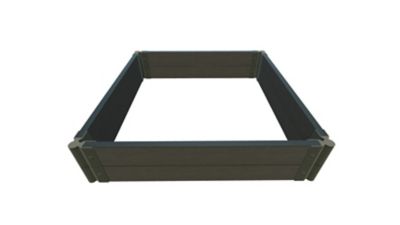
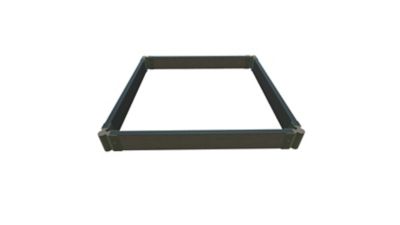
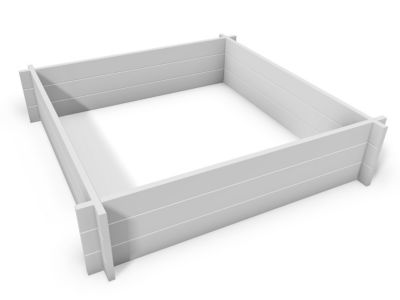
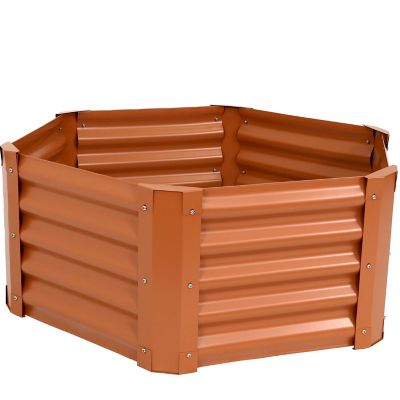
Material choice affects how a raised bed looks, how it goes together and what kind of attention it needs over time. Cedar and redwood have natural resistance to decay, while other wood frames may need closer attention to board condition and ground contact. Wood brings a straightforward, familiar look to a garden near a porch, barn or backyard fence. Metal frames often have thinner walls, leaving more planting room within the same outside dimensions, but edge finishing, corner connections and coating condition deserve a close look. Composite frames offer another option, with care requirements and structural support that vary by construction. For any material, check the manufacturer’s intended use, especially when growing food. Lumber, coatings and liners should be suitable for the planting application; reclaimed material with an unknown treatment history is a poor match for an edible garden. Assembly details matter, too. Manageable panels, clearly marked connections and accessible fasteners can make a first bed easier to put together, while taller frames may need braces to hold the outward pressure of soil. A level base helps the frame sit squarely and keeps soil depth more even. Filling capacity is worth checking before choosing a size: a rectangular bed measuring 4 feet by 8 feet with 12 inches of interior soil depth holds about 32 cubic feet before allowing for settling or any space below the rim. Soil blends should suit the bed’s construction. Open-bottom beds generally need a blend that balances mineral soil, finished compost and pore space for air and water; elevated planters often call for a lighter container mix suited to their drainage design. Dense yard soil alone can pack tightly, and unfinished organic matter can settle as it breaks down. Plain cardboard without tape or glossy coatings can help suppress existing grass beneath an open-bottom bed, but it does not replace clearing persistent weeds. Basic upkeep includes checking joints, looking for sharp edges or damaged boards, and refreshing soil as it settles.
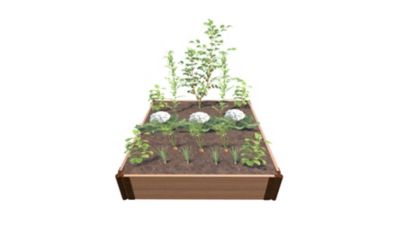
A useful beginner setup is one that fits the way the household will actually garden. A compact bed near a convenient water source is often easier to tend than a larger planting area across the property. Lettuce, radishes and kitchen herbs can suit smaller spaces, while sprawling squash and heavily branching tomatoes need more room than their starter plants suggest. Full-grown plant size, spacing and support needs help determine whether a bed offers a comfortable fit. Upright crops may need room for stakes or a trellis, and placing taller plants where they will not shade shorter neighbors helps make better use of the planting area. For a family garden, a reachable edge gives children a place to pick a few leaves or check a developing carrot without climbing into the bed. For someone who finds kneeling difficult, an elevated design may make small planting and harvesting jobs more comfortable, provided the working height and reach suit that person. A patio or deck brings another consideration: soil, the frame and retained water can create substantial weight, so the supporting surface must be suitable for the fully filled bed. Drainage outlets also need a clear path that will not damage nearby surfaces. Watering should reach the root zone rather than simply wetting the top layer. Easy hose access or a compatible irrigation layout can cut down on hauling, and keeping planting areas within reach makes it easier to notice a loose connection or a plant that needs attention. A mulch layer can help limit exposed soil and slow moisture loss, with space left around plant stems. Over time, open-bottom beds may need compost worked into the upper soil, while enclosed planters need attention to drainage openings and the condition of the growing mix. The best raised beds for beginners leave room to learn without taking over the yard: enough planting space for a few crops the household enjoys, clear access around the frame and construction that suits the work ahead.