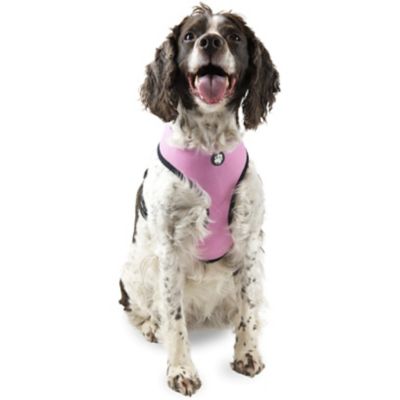
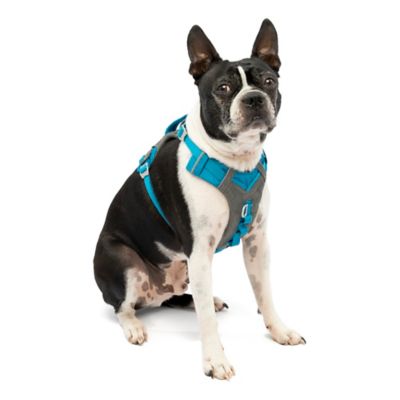
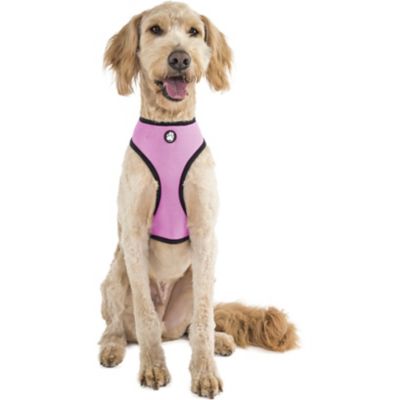
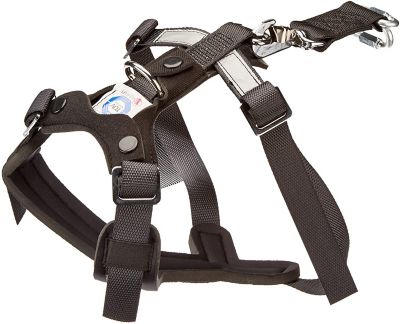
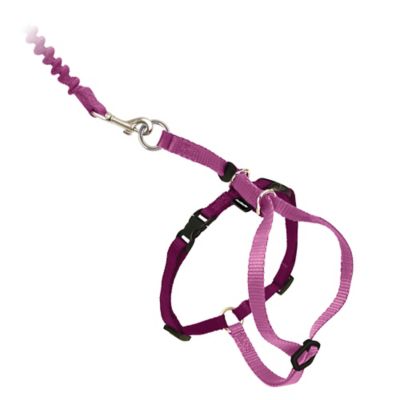
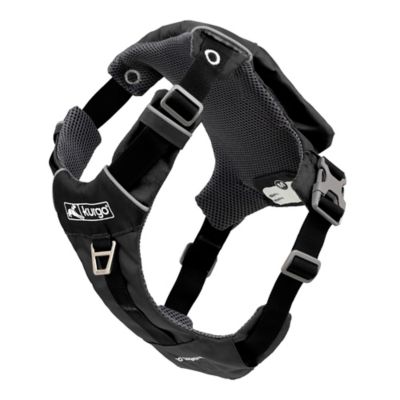
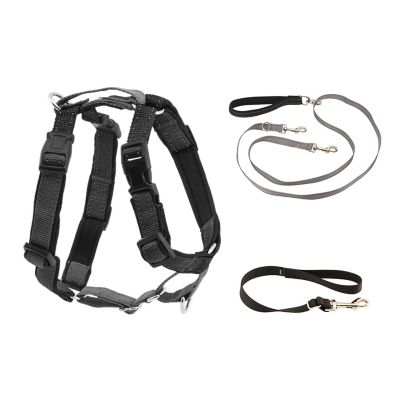
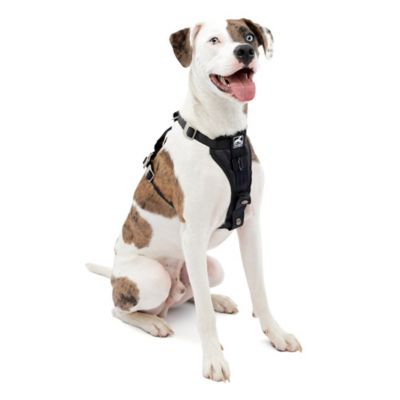
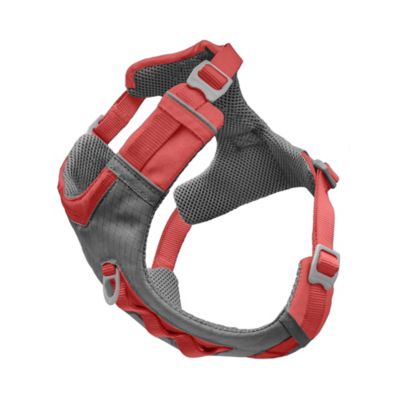
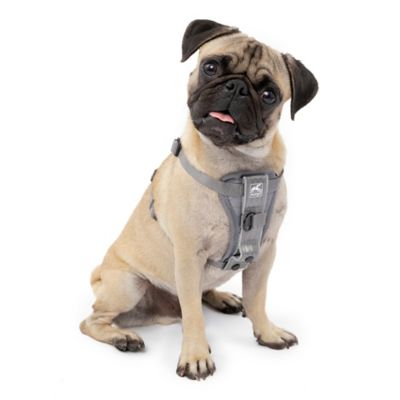
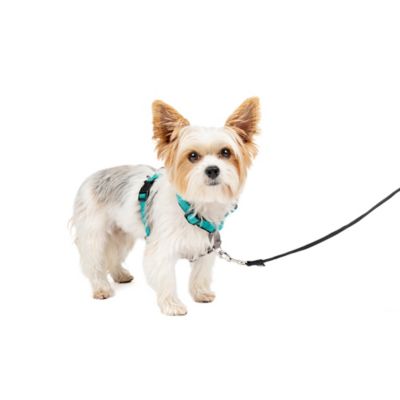
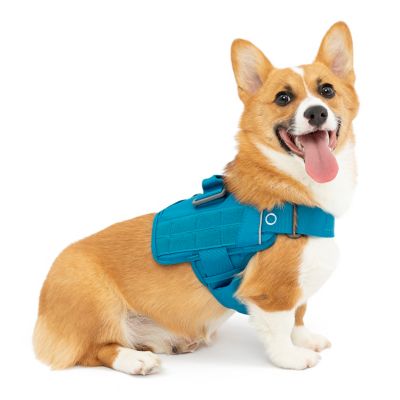
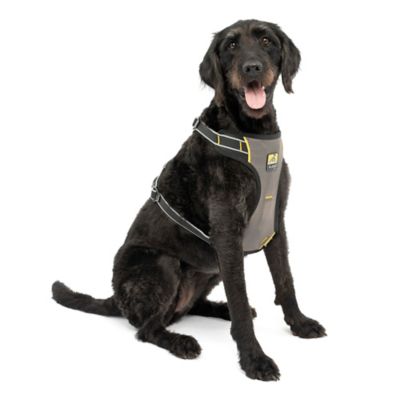
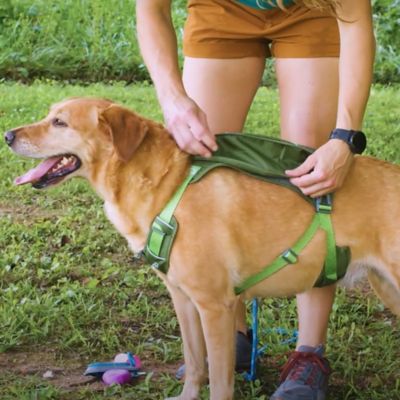
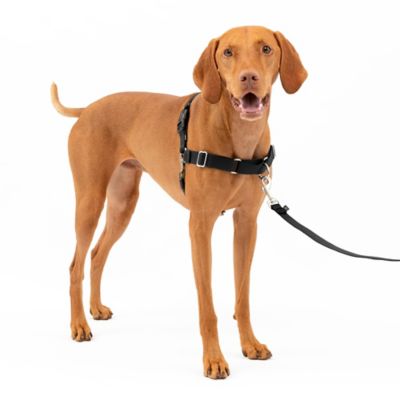
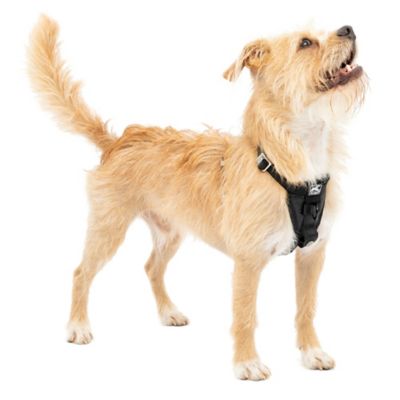
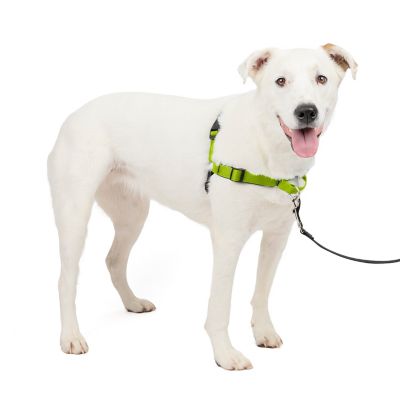
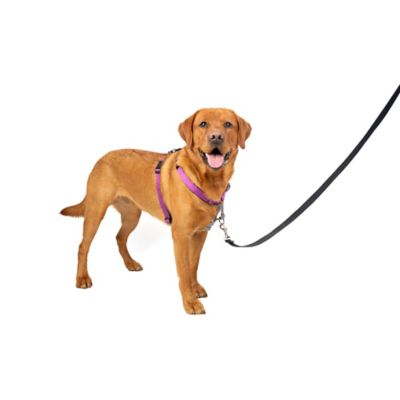
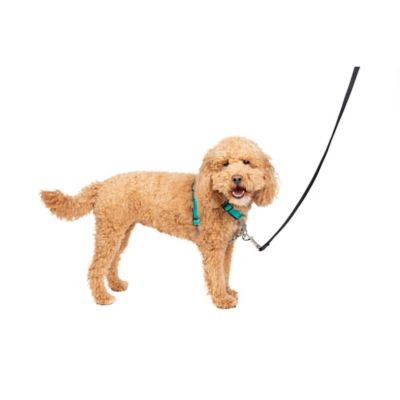
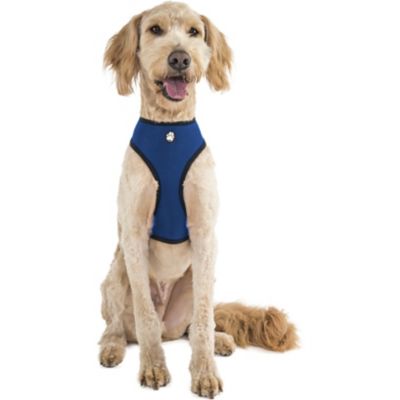
Pet harnesses offer a comfortable, secure way to walk dogs and other leash-trained pets while giving handlers more control than a collar alone. Rather than concentrating leash pressure around the neck, a well-fitted harness spreads that pressure across the chest and body, which can be especially helpful for dogs that pull, have delicate necks, or get excited when they see other animals. Harnesses are useful for everyday trips around the property, neighborhood walks, visits to the feed store, travel, training sessions, and outdoor adventures on trails or around the campsite. They can also be a thoughtful gift for a new puppy owner, a family welcoming a rescue dog, or anyone who enjoys taking their four-legged companion along for errands and weekend outings. When choosing a pet harness, start with your dog’s measurements rather than relying only on breed or weight. Measure around the widest part of the chest, just behind the front legs, and check the manufacturer’s sizing guidance before ordering. The harness should feel snug without pinching; as a general rule, two fingers should fit comfortably beneath the straps. A harness that is too loose may allow a determined dog to back out, while one that is too tight can rub behind the legs or restrict natural movement. Look for soft edges, adjustable straps, sturdy stitching, and hardware that feels appropriate for your pet’s size and strength. A Y-shaped front is often a good choice because it leaves the shoulders freer to move, making it easier for a dog to walk, trot, climb, and explore without the harness pressing across the throat or shoulder joints. For growing puppies, check the fit regularly, since a harness that fits well during one season may become snug after a few weeks of growing.
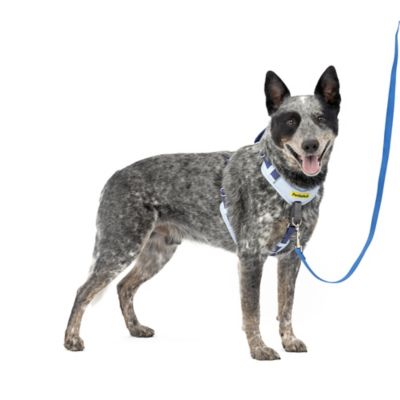
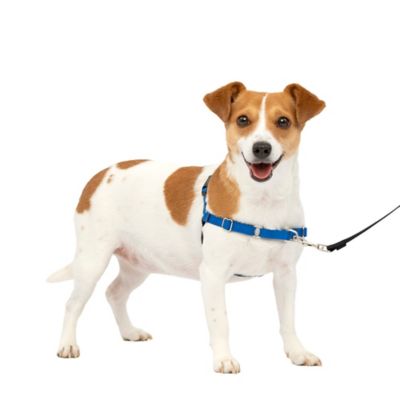
Different harness styles suit different pets and walking habits. A back-clip harness places the leash attachment on the dog’s back and works well for calm dogs, casual walks, and pets that already have good leash manners. A front-clip design has the leash ring on the chest. When a dog pulls ahead, gentle leash guidance can turn the dog back toward the handler, helping redirect attention without yanking on the neck. This makes front-clip styles a popular option for training and for strong or enthusiastic walkers. Dual-clip harnesses include both front and back attachment points, giving handlers more flexibility as a dog’s manners improve or walking conditions change. For additional guidance, shoppers looking specifically for walking help can browse
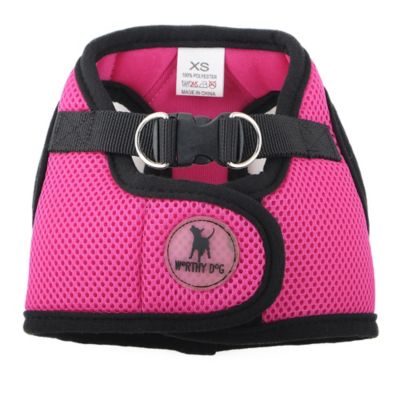
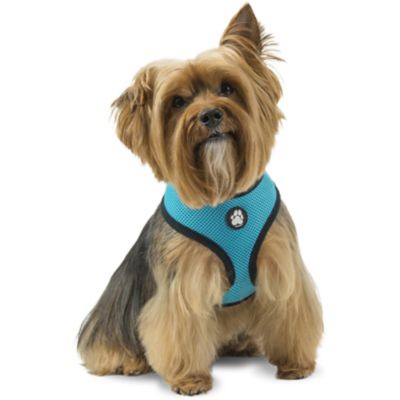
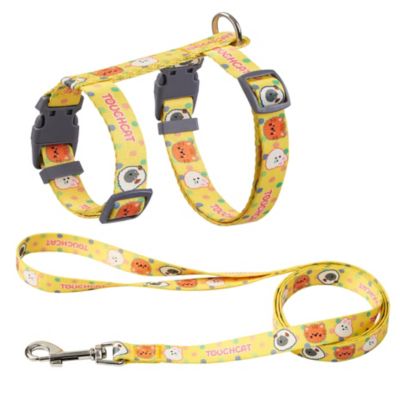
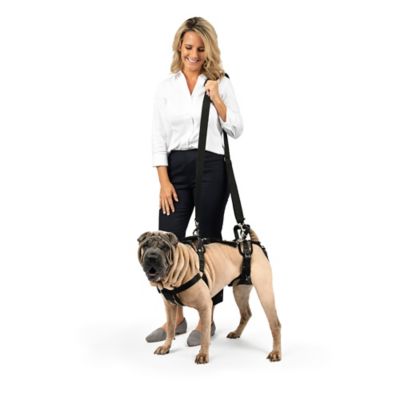
No Pull Dog Harnesses. Step-in harnesses allow a pet to place its front legs into openings before the straps are fastened, which can be a practical choice for dogs that dislike having gear pulled over their head. Vest-style harnesses often provide broader chest coverage and may be made with lightweight mesh for warm, active days. Padded or more rugged designs can be a better match for dogs that spend time on trails, in the truck, or working around the farm. Small dogs, senior dogs, and pets with limited mobility may appreciate a lightweight harness with easy-to-use buckles, while larger or powerful dogs need durable materials and dependable leash attachments. A harness should never be used to lift a dog by the leash, and it should be introduced calmly so the pet has time to sniff it, wear it indoors, and associate it with praise before heading outside. Keep an eye on body language during the first few walks. Rubbing, repeated scratching, tucked shoulders, or reluctance to move can signal that the style or fit needs attention.
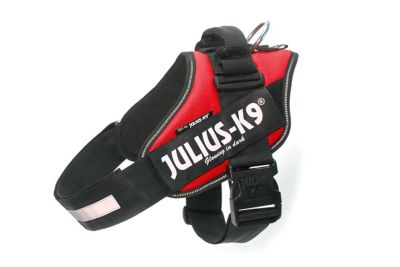
The right harness can make daily outings smoother during warm weather, changing conditions, and cooler months alike. Breathable mesh and lighter materials can help keep a dog comfortable when the air is warm, while reflective trim or bright colors can add visibility during early-morning walks, shaded paths, and evenings that arrive sooner. In cooler weather, leave enough room for ordinary coats or layers without loosening the harness so much that the dog can slip free. Always check that buckles are fully closed and that the leash clip is secured to the intended ring before stepping out. Pets should be supervised while wearing a harness, particularly during crate time, play with other animals, or unsupervised time in the yard. After muddy walks or dusty chores around the property, many nylon and mesh harnesses can be hand-washed with mild soap or cleaned on a gentle cycle according to the care label. Air-drying helps preserve the shape and strength of the material, and a quick inspection after cleaning can reveal frayed stitching, cracked buckles, bent rings, or worn adjustment points. Replace damaged gear before the next outing. Keep your pet’s size, temperament, leash habits, and favorite activities in mind as you compare harnesses. A quiet older dog strolling along a gravel lane may need a very different fit from a young dog learning to walk politely, and a small companion riding along for errands may benefit from a simple step-in style. With comfortable construction, secure adjustment, and the right attachment point, a pet harness helps make walks, training, travel, and outdoor time more enjoyable for both pets and the folks holding the leash.