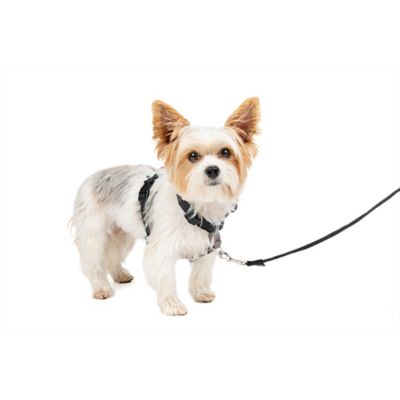
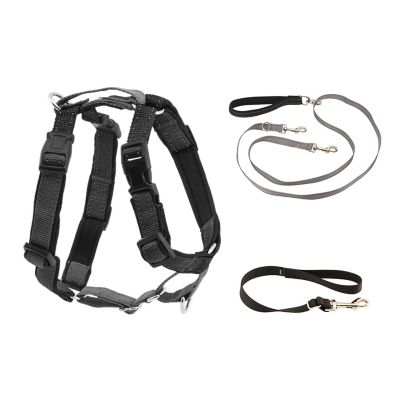
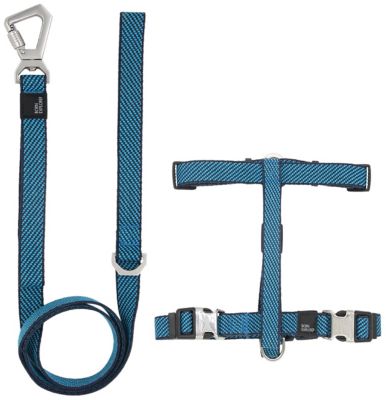
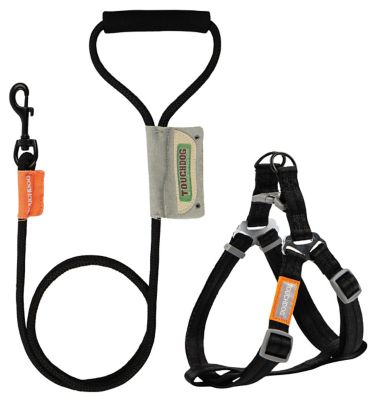
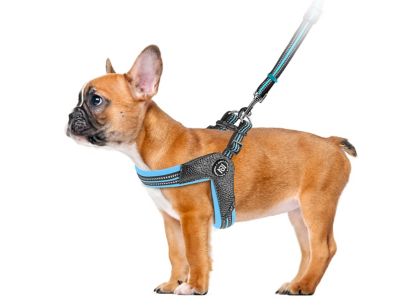
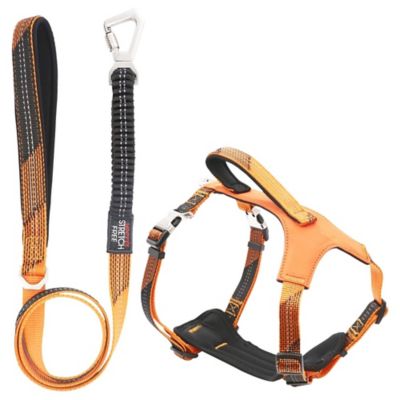
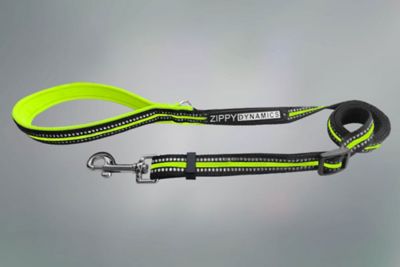
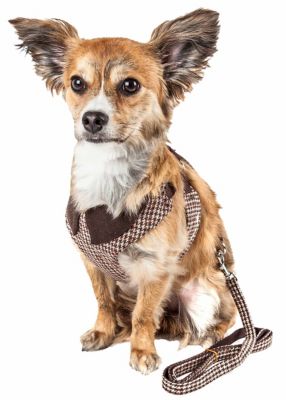
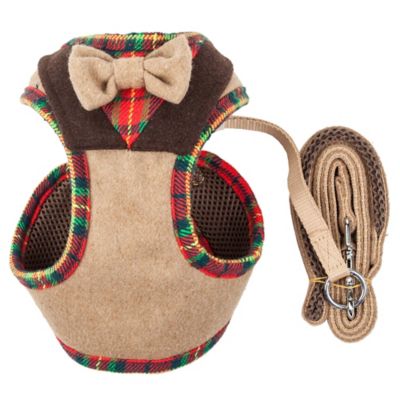
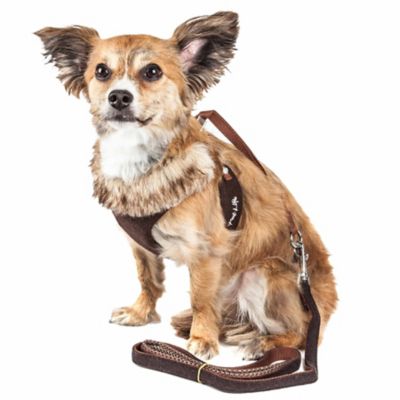
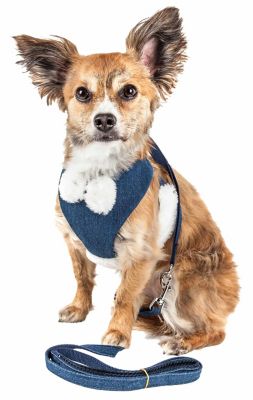
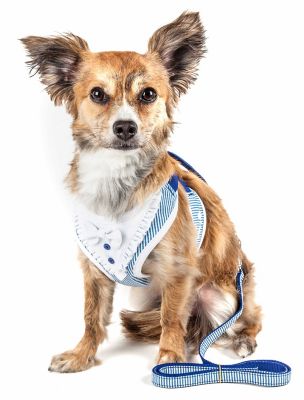
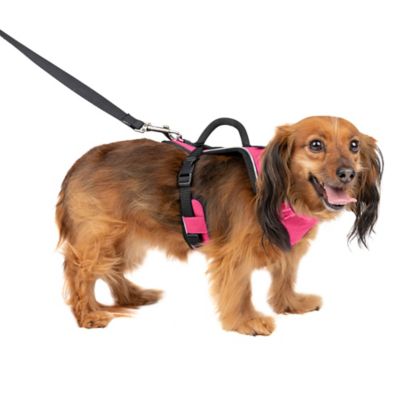
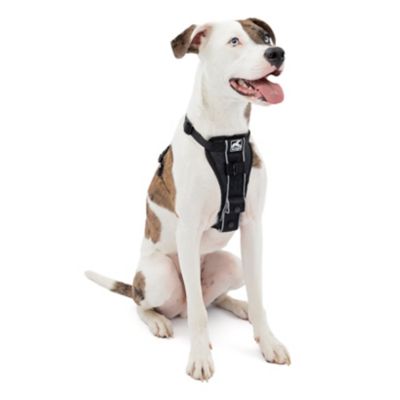
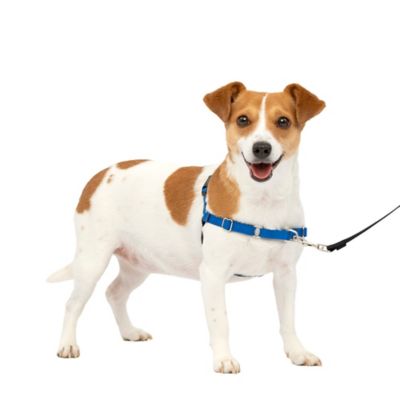
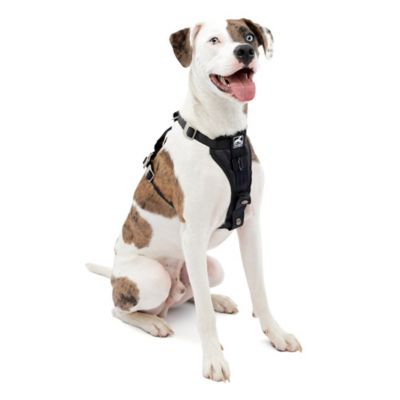
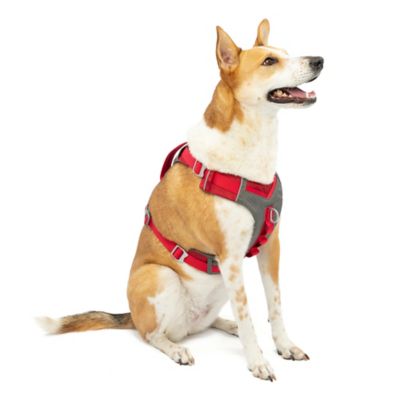
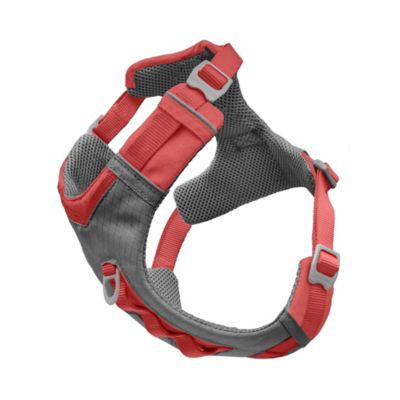
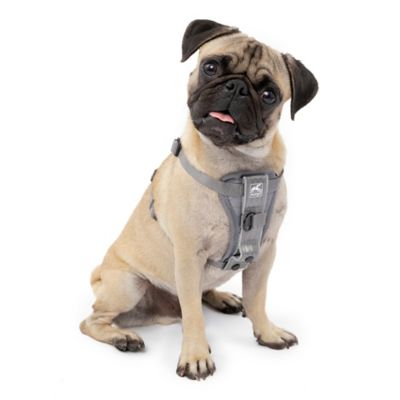
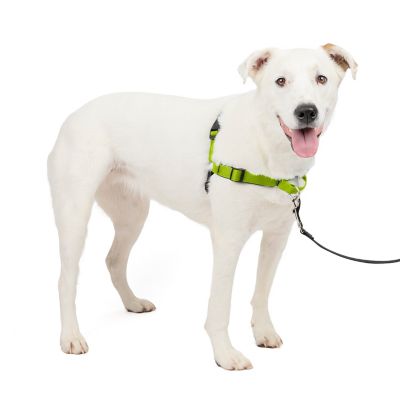
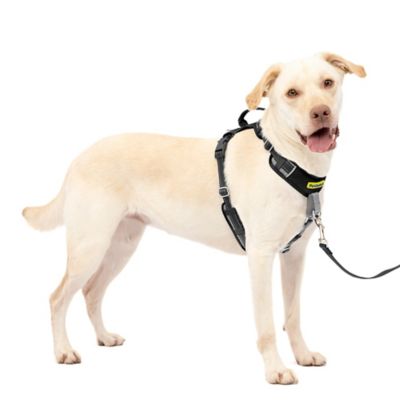
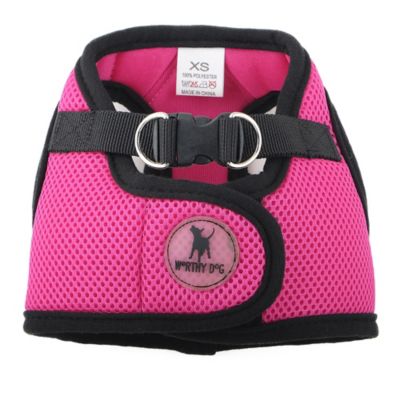
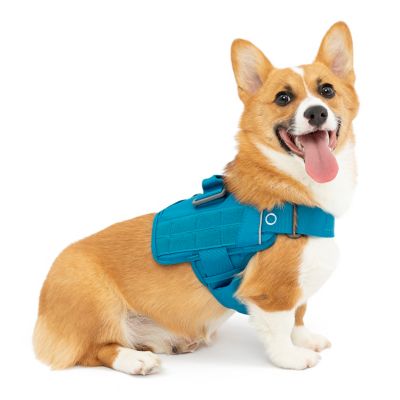
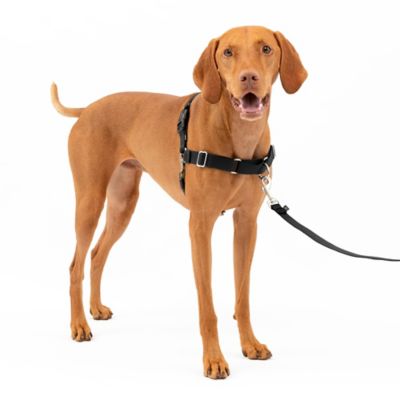
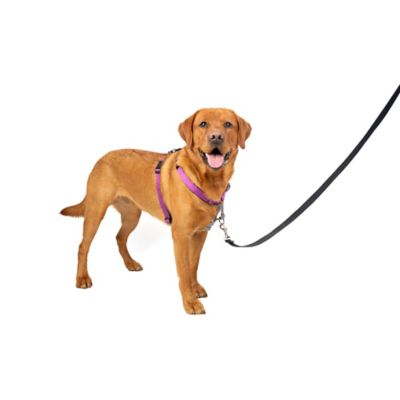
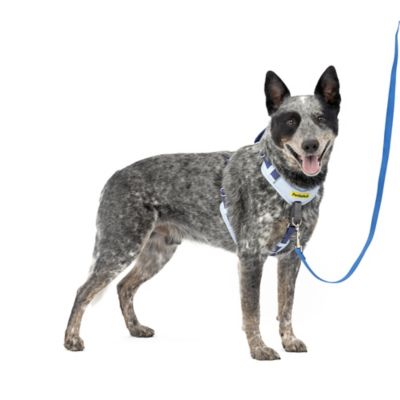
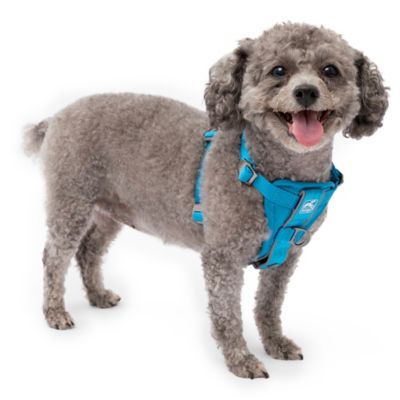
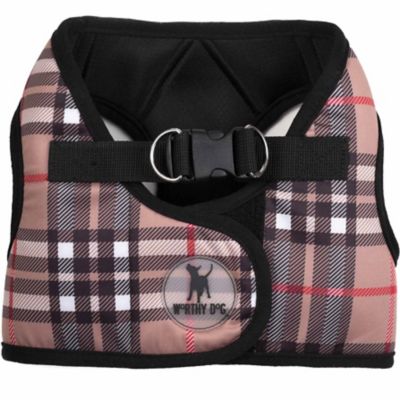
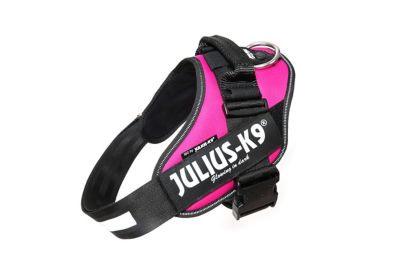
A puppy leash and harness gives young dogs a steady way to explore the world while helping people keep walks calm and close to home. A harness spreads leash pressure across the chest and shoulders rather than placing it on a puppy’s delicate throat, which can be especially helpful for small breeds, short-nosed dogs, and pups still learning how to walk politely. Many puppies begin with short trips around the yard, down a gravel lane, or along a quiet sidewalk before they are ready for longer outings. A well-fitted harness can make those first steps feel less awkward while giving the handler more control when a squirrel darts across the path or a new sound catches the puppy’s attention. Step-in mesh vest styles are often a good match for tiny or young pups because the soft body panel wraps around the chest without requiring a strap to pass over the head. Back-clip harnesses offer a familiar setup for relaxed neighborhood strolls, while front-clip styles can help guide a puppy back toward the handler when pulling starts. Dual-attachment designs with front and back rings give families room to adjust their walking routine as the pup learns. A leash with a comfortable grip and a length suited to the setting rounds out the setup, whether the plan is a quick trip to the mailbox, a visit to a feed store, or a walk through the park during the cooler months. For more options across sizes and styles, browse
Pet Harnesses.
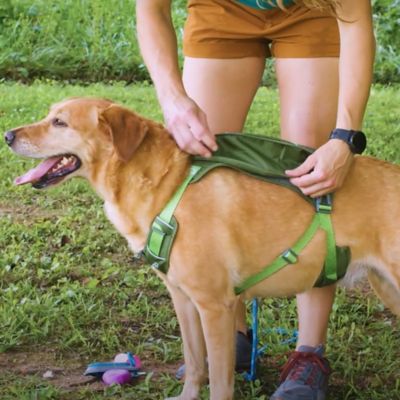
Fit matters more than a particular color or pattern, and puppies can outgrow a harness in what seems like no time at all. Start by measuring around the widest part of the rib cage, usually just behind the front legs, and compare that measurement with the size information for the style you are considering. Once the harness is on, two fingers should fit snugly beneath each strap without pinching the skin or allowing the puppy to back out. Check the chest, shoulder, and neck areas for rubbing after a short walk, paying attention to spots where the fur parts or the skin looks pink. Recheck the fit about once a week while your puppy is growing, and take another look after a growth spurt, a change in coat thickness, or a switch from indoor lounging to regular outdoor walks. The leash should connect securely to the harness ring, with enough room for a natural stride but not so much slack that it drags across the ground or loops around the puppy’s legs. Let your pup sniff the harness before putting it on, then pair each step with calm praise or a small training treat. On the first few outings, walk for only a few minutes in a familiar place. If the puppy freezes, flops down, or mouths the straps, pause and give them time to settle rather than pulling forward. A quiet morning in the yard can be a better starting point than a busy trail filled with bicycles, children, and unfamiliar dogs. During early fall and winter, check for wet ground, mud, ice, and low light, and choose a leash and harness setup that remains easy to see and handle when outdoor conditions change.
A puppy leash and harness set can also make a thoughtful gift for someone bringing home a new companion, preparing for a foster pup, or getting ready for a first visit to a training class. It is a practical choice for a family living on a farm, where a puppy may need to learn the difference between a safe walking path and a pasture, driveway, or equipment area. It can be just as helpful in town, where close control matters near roads, parking lots, and open gates. Keep the harness off indoors during crate time, naps, and rough play so straps and rings do not snag on wire, furniture, branches, or another pet’s collar. A harness is not a handle, so never lift or carry a puppy by the back loop; support the puppy’s body with both hands instead. Check the stitching, buckles, clips, and leash connection regularly, especially after muddy walks or energetic play, and clean the set according to its care instructions so grit does not build up around the hardware. A puppy should always be supervised while learning to wear new walking gear, and a leash should be attached only after the harness sits in the proper position. With a little patience, regular fit checks, and short practice sessions, these everyday walking supplies can help turn wiggly first outings into a familiar part of life. From a pup trotting beside a boot through fallen leaves to a small companion taking its first crisp-weather walk, the right setup supports safer handling, steady training, and plenty of room for a growing dog to explore.