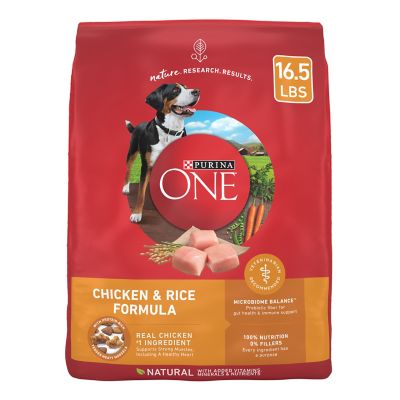
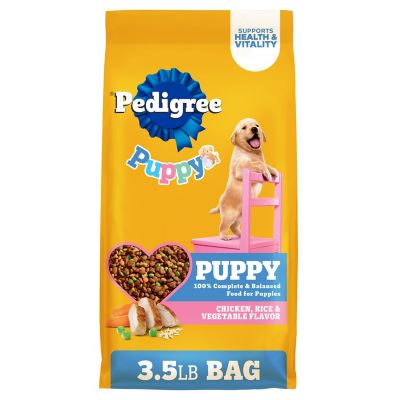
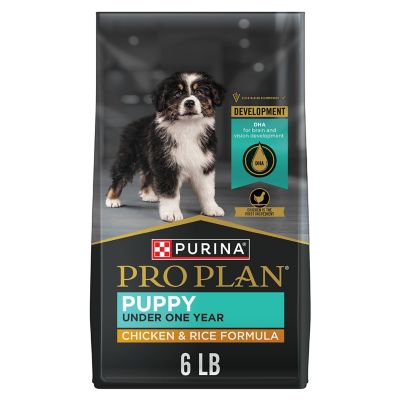
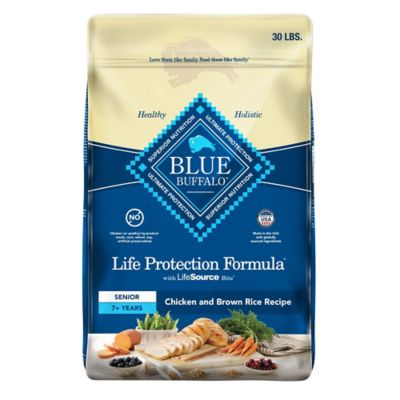
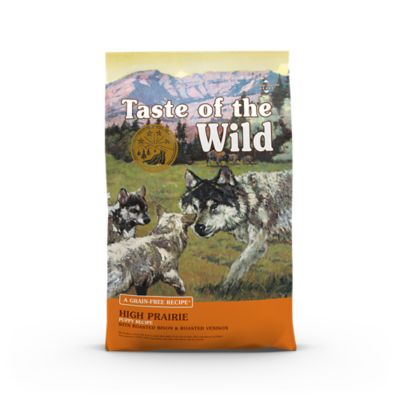
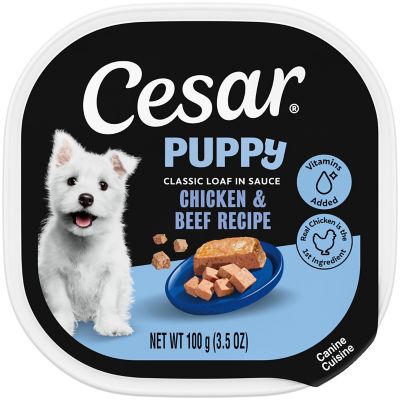
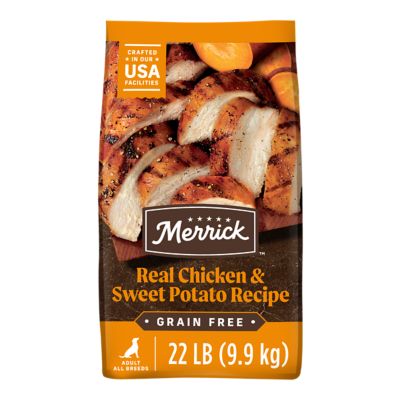
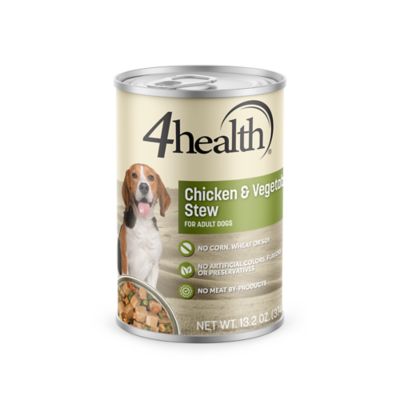
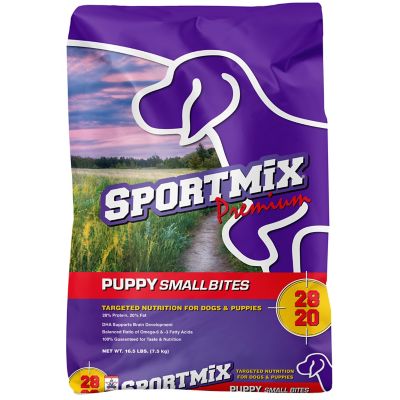
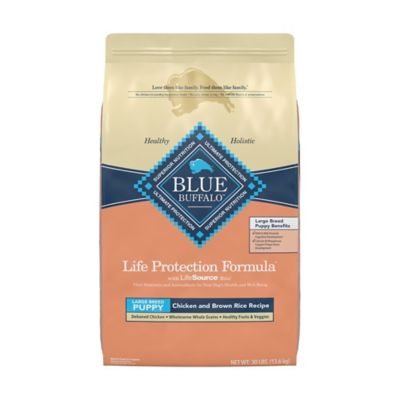
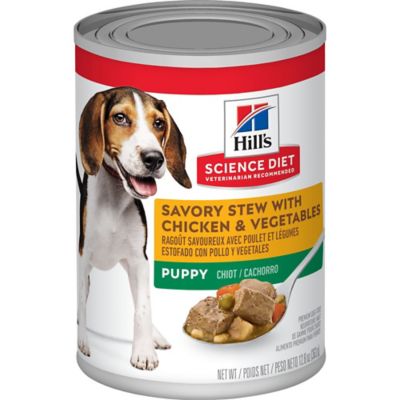
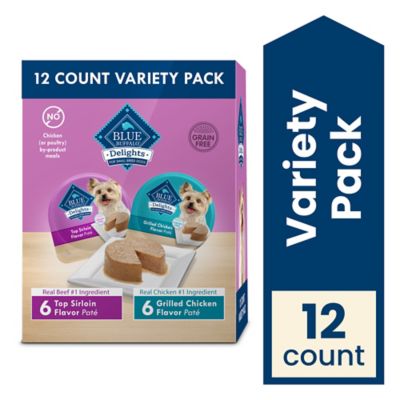
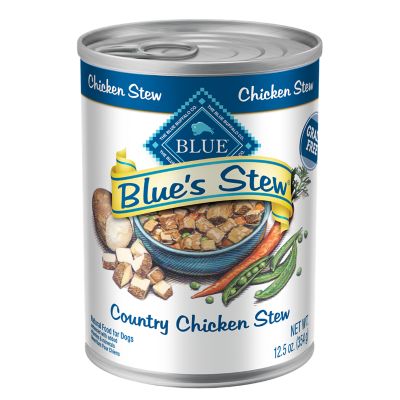
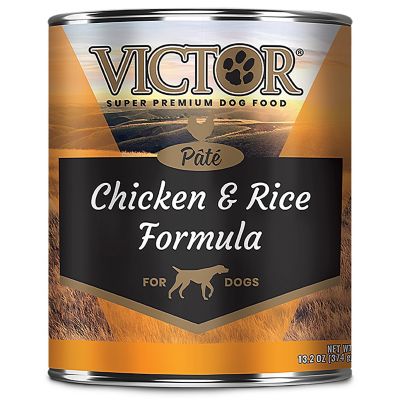
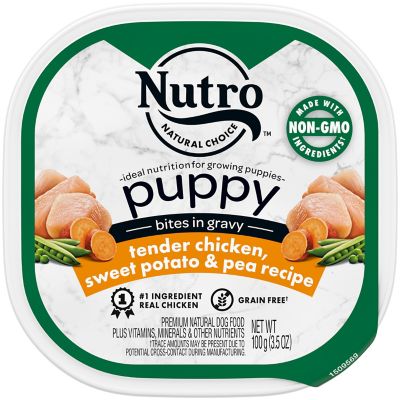
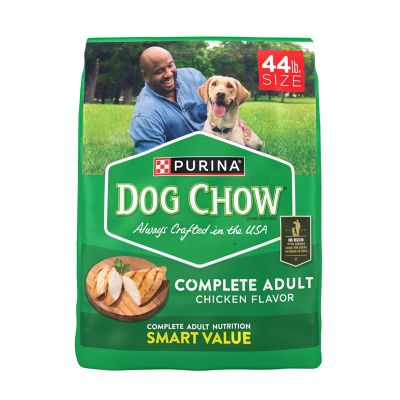
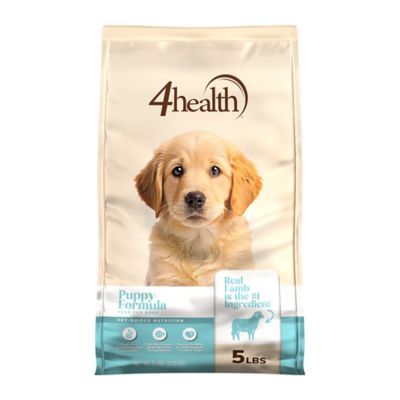
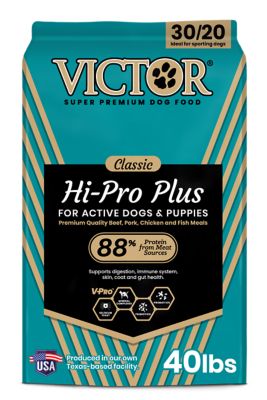
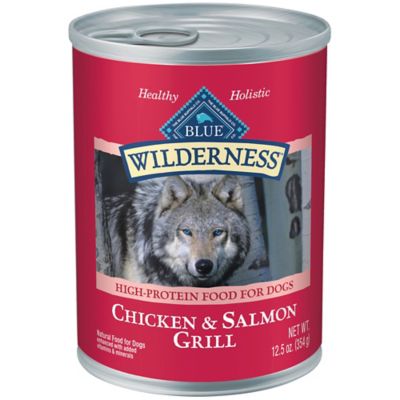
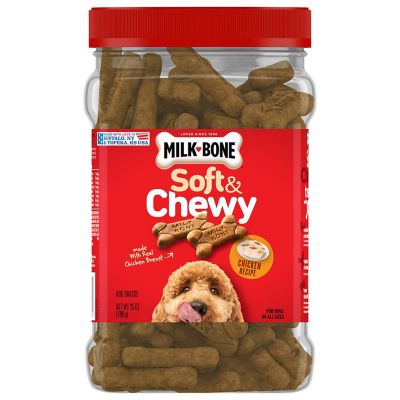
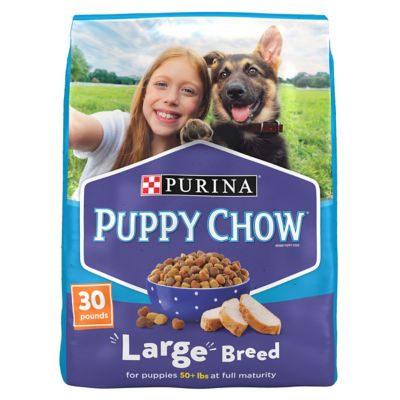
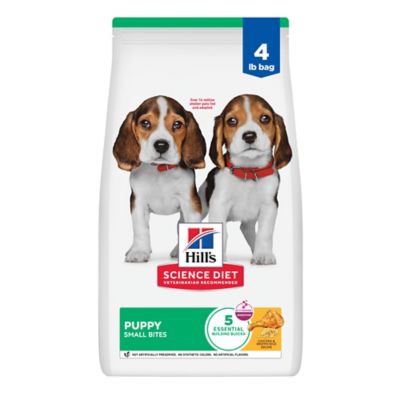
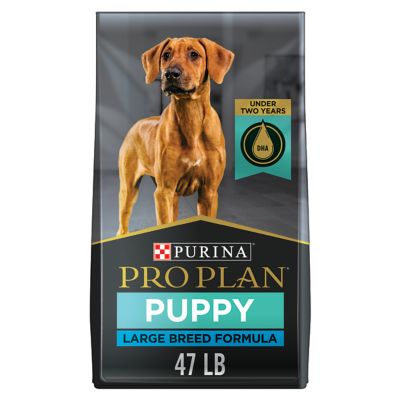
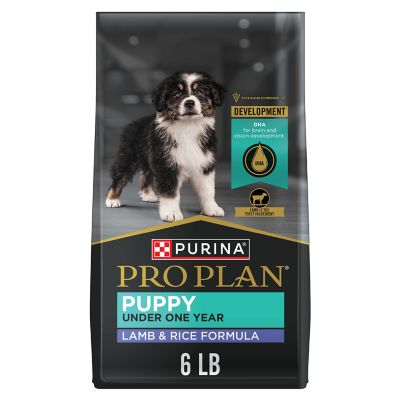
Puppy food with chicken is a practical choice for growing dogs and the people caring for them. Chicken provides a familiar source of animal protein that helps support developing muscles, an active body, and the steady growth that takes place during the first year. When comparing formulas, look for chicken or chicken meal near the beginning of the ingredient list, then check the packaging for a statement showing that the food is complete and balanced for puppies or for growth. Chicken meal is not the same as table scraps or leftover meat; it is a concentrated ingredient made for use in pet food, so it can provide dependable protein in a measured recipe. A good puppy formula also does more than list a protein source. Growing dogs need carefully balanced levels of calcium and phosphorus for bones and teeth, along with the right amount of calories for their age, activity, and expected adult size. Many puppy foods with chicken include DHA and other omega fatty acids from sources such as fish oil to help support brain and vision development. Prebiotic fibers can help nourish beneficial bacteria in the digestive tract, while added probiotics may support a healthy gut and immune system. These details matter whether a pup spends its days romping around a barnyard, tagging along on a walk down a gravel lane, or snoozing beside the woodstove after a busy afternoon. Puppies burn through plenty of energy, but more food is not always better. Overfeeding can put unnecessary strain on developing joints, especially in large-breed puppies, so choose a formula made for the puppy’s size when that option is available and follow the feeding chart as a starting point. Small-breed puppies often need smaller kibble that is easier for little mouths to pick up, while large-breed formulas are designed with controlled growth in mind. A veterinarian can help match a food to a puppy’s breed, age, body condition, and individual needs, particularly if the puppy has a sensitive stomach, a history of food reactions, or special nutritional requirements.
The products on this page can fit into the routines of families bringing home a new puppy, experienced dog owners raising another farm dog, foster homes caring for young animals, and anyone preparing a welcome basket for a friend with a new four-legged companion. Puppy food can be a useful gift when you know the pup’s age, size, and current diet, but it is best to check with the owner before choosing a large bag. Puppies can be particular, and a sudden change in food may lead to loose stools or an upset belly. If you are switching to a chicken-based formula, blend it with the old food over several days, gradually increasing the new food while decreasing the previous recipe. A slow transition gives the puppy’s digestive system time to adjust and makes it easier to spot a food that does not agree with them. Keep fresh, clean water available at all times, and store dry food in a cool, dry place in a tightly sealed container to help protect its flavor and freshness. Wet food or a small amount of warm water mixed with kibble can be useful for a puppy that is learning to eat, though any additions should be counted as part of the daily meal plan. Treats, toppers, table food, and training rewards can add up quickly, so keep them modest and choose options that do not throw off a complete puppy diet. It is also smart to measure meals instead of filling the bowl by guesswork. A lively pup with a visible waist and ribs that can be felt under a light covering of body fat is generally closer to a healthy condition than one carrying extra weight, but your veterinarian is the best source for evaluating growth. Feeding directions vary by recipe, and the right portion can change as the puppy grows, becomes more active, or approaches its adult size.
Chicken-based puppy food may be especially appealing to households looking for a familiar meat flavor, but every puppy is different. Some dogs do well with chicken as their main protein, while others may need a different recipe because of an intolerance or sensitivity. Watch for ongoing digestive trouble, itchy skin, repeated ear problems, or other changes after introducing a food, and contact a veterinarian if those concerns appear. Puppies should not be fed adult dog food as their main diet unless a veterinary professional recommends it, since growing bodies have different nutritional needs. Read the full label rather than judging a food by a single ingredient or a front-of-bag claim. Along with chicken or chicken meal, check for an appropriate puppy life-stage statement, balanced mineral levels, a reliable source of DHA, and feeding directions that clearly explain portions. Families raising a large-breed pup may want a formula specifically labeled for large-breed growth, while owners of toy and small breeds may prefer a smaller kibble size and a calorie level suited to a fast metabolism. For more ideas on choosing a nourishing everyday diet, explore
Healthy Puppy Food. Whether you are stocking the pantry before bringing home a new pup or keeping a growing companion fueled through the cooler months, selecting a complete chicken-based puppy food and serving it consistently can help make mealtimes simple. The best routine is one that fits your dog’s nutritional needs, your household schedule, and the muddy-pawed, playful reality of raising a puppy.