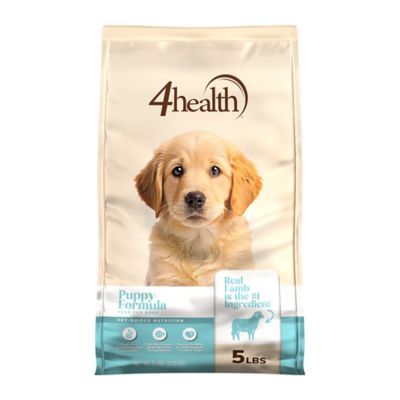
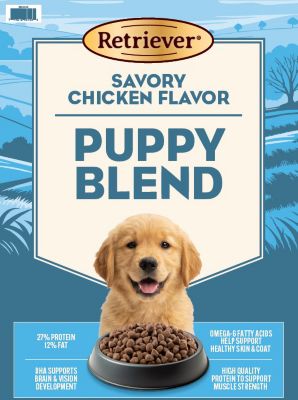
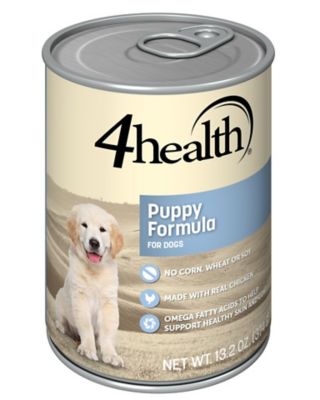
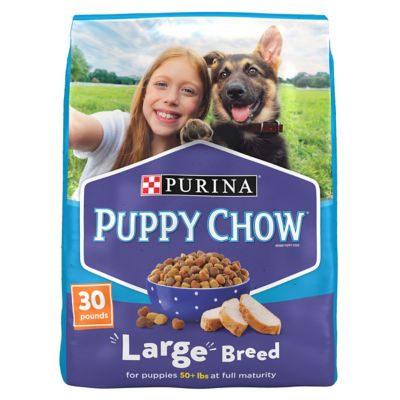
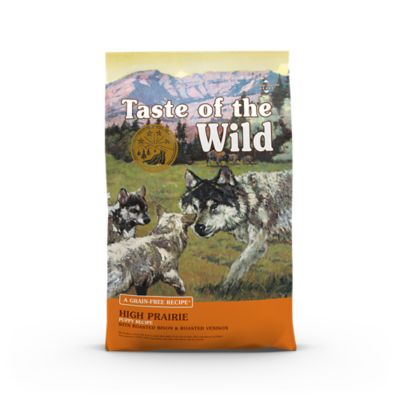
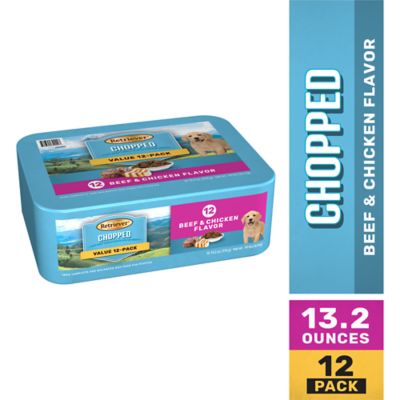
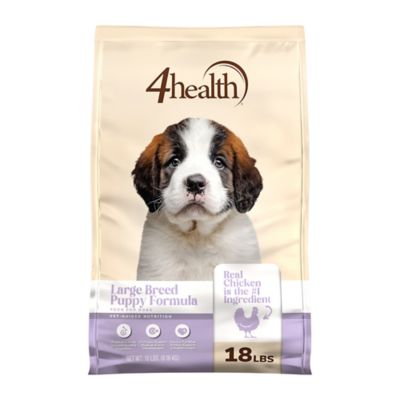
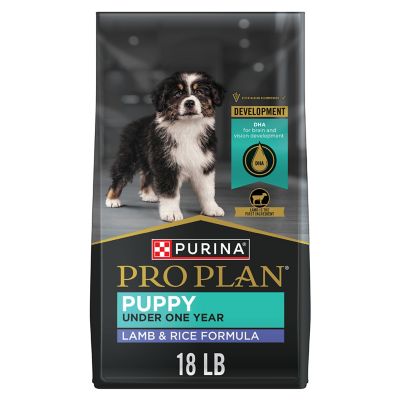
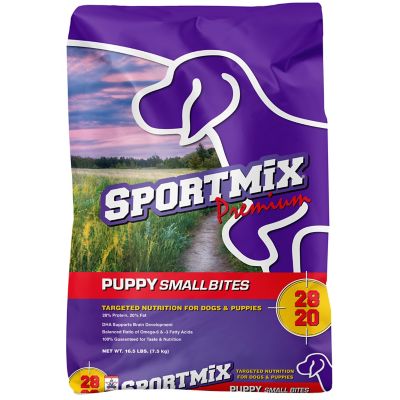
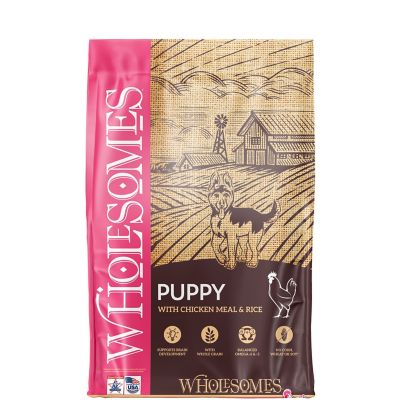
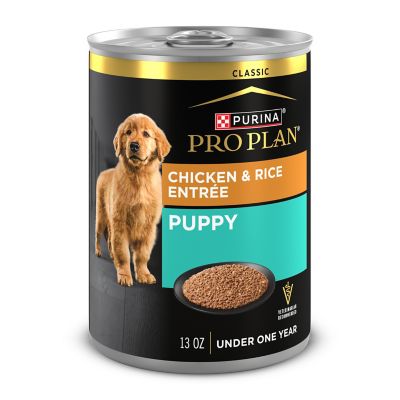
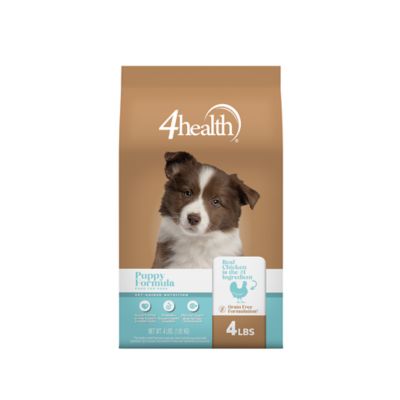
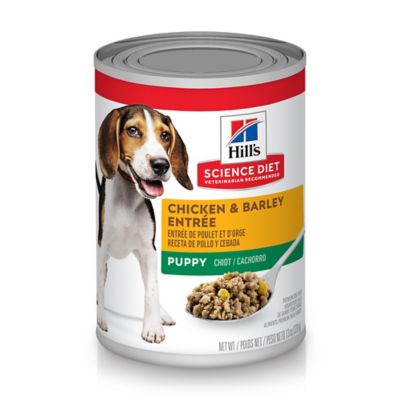
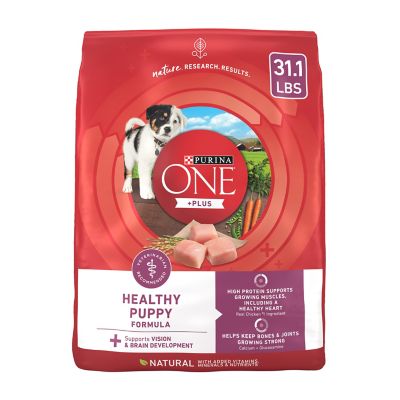
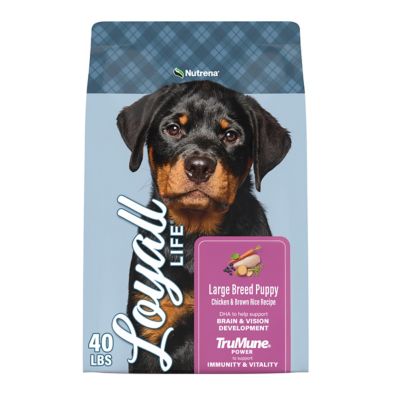
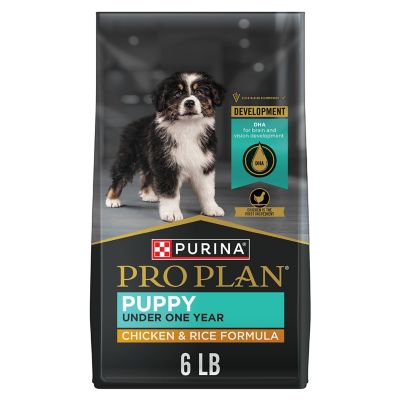
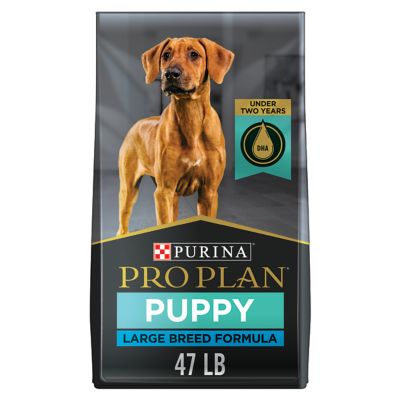
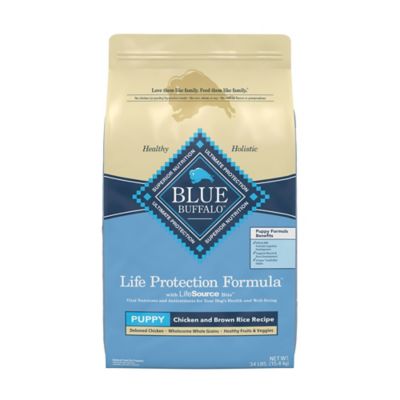
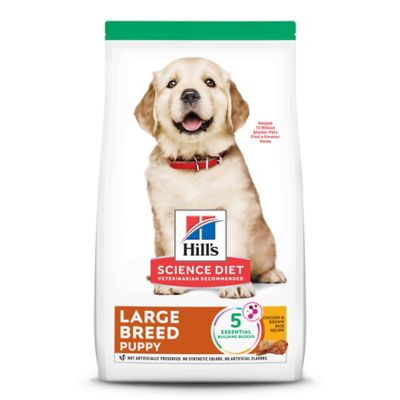
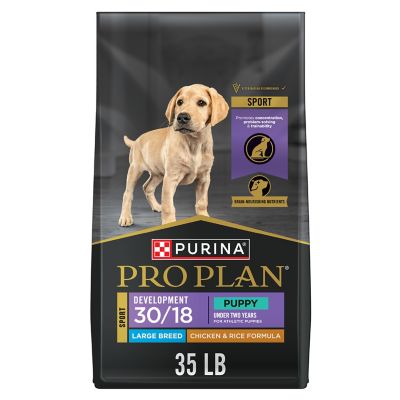
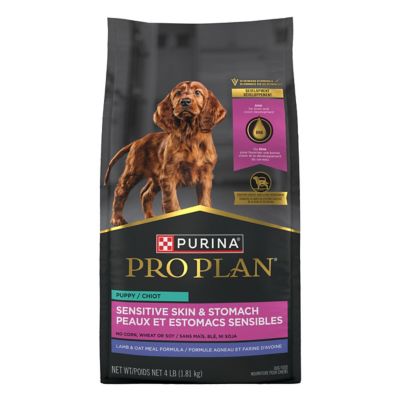
Choosing the right puppy food is one of the first big jobs that comes with bringing home a young dog. Puppies grow quickly, use plenty of energy at play, and need nutrition that supports strong bones, healthy muscles, brain development and a steady immune system. Look for a food labeled as complete and balanced for growth, or for all life stages, from a manufacturer that follows sound nutrition and quality-control practices. Veterinary nutrition guidance, including WSAVA recommendations, encourages shoppers to consider who formulates the diet, how quality is checked and whether the company can provide clear information about ingredients and feeding research. A puppy formula should provide more concentrated calories and protein than many adult diets, but the ingredient list is only one part of the picture. Real meat or another named protein source may be listed near the beginning, while carefully balanced vitamins and minerals help round out the recipe. DHA, an omega-3 fatty acid commonly sourced from fish oil, supports developing vision and cognitive function. Calcium and phosphorus matter, too, particularly for puppies expected to grow into large or giant dogs. These minerals need to be present in the right amounts and proportions; adding extra calcium or supplements without veterinary direction can create problems for developing bones and joints. A food made for a small-breed puppy may have smaller pieces and a different calorie density than one made for a large-breed puppy, so match the diet to your dog’s expected adult size. If your pup came from a breeder, shelter or rescue, ask what they have been feeding and bring home enough of the familiar food to make the change gradually. Your veterinarian can help you compare options when a puppy has allergies, a sensitive stomach, a medical condition or an unusual growth pattern.
Puppy food is best served as part of a simple, dependable routine. Check the feeding chart on the bag or container, then divide the daily amount into several meals based on your puppy’s age, size and activity level. Young puppies often do well with three or four measured meals a day, while older puppies may settle into two or three. A measuring cup is more reliable than filling the bowl by guesswork, especially for small dogs whose daily needs can be changed by just a few extra bites. Keep clean water available at all times, and count treats, training rewards, table scraps and chewable supplements as part of the day’s intake. During the warmer months, an active pup may spend hours racing across the yard, riding along to the farm or exploring a trail, but excitement does not always mean a puppy needs unlimited food. Watch body condition rather than relying only on a scale: you should be able to feel the ribs beneath a light covering, see a gentle waist from above and notice an abdominal tuck from the side. Puppies should grow steadily, not be pushed to grow as fast as possible. Large- and giant-breed puppies need especially careful portion control because excess calories and poorly balanced minerals can put added stress on developing joints. Keep food sealed in a cool, dry place away from livestock, wildlife and curious pets, and wash bowls regularly. When changing diets, mix a small amount of the new food with the old, increasing the new portion over roughly seven to 10 days. A slower transition can be helpful for a puppy with a tender stomach. Loose stool, vomiting, a sudden loss of appetite or poor weight gain deserves a call to your veterinarian rather than repeated food changes at home.
Puppy food can also make a practical welcome-home gift for someone who has recently adopted a dog, but the most useful choice is usually one that matches the puppy’s current diet, breed size and health needs. A bag of food, a scoop, storage container or a few simple feeding supplies can help a new owner get settled, provided you know whether the puppy eats dry food, wet food or a combination. For households with dogs at different stages of life, browsing
All Ages Dog Food can make it easier to find an option that fits more than one feeding routine, though growing puppies still need a diet whose label specifically supports growth. As the weather shifts toward cooler days, puppies may spend more time indoors, where treats and family snacks can quietly add up between meals. Keep everyone in the household using the same feeding plan, and store the food where a determined young dog cannot tear into the bag. Most small-breed puppies reach adult size sooner, often transitioning to adult food around 10 to 12 months, while large- and giant-breed dogs may remain on puppy food until roughly 18 to 24 months. Those ranges are only starting points; your veterinarian can assess growth, body condition and breed type to decide when a change makes sense. When switching to adult food, use the same gradual seven- to 10-day process and continue measuring portions. Whether your new companion is a farm dog learning the lay of the land, a family pup curled up by the mudroom door or a rescue finding steady footing in a new home, a consistent, complete diet gives every meal a useful purpose while leaving room for training, play and the everyday adventures that help a puppy grow into a healthy dog.