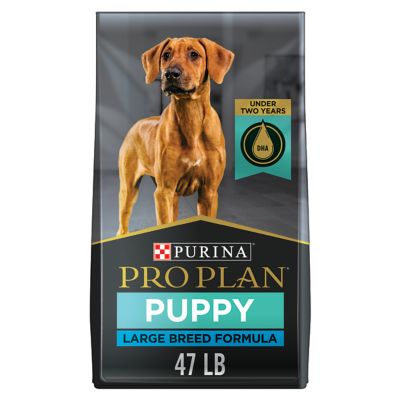
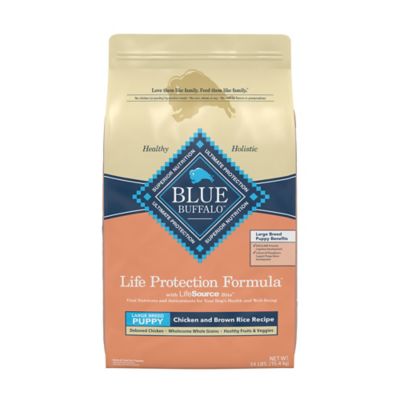
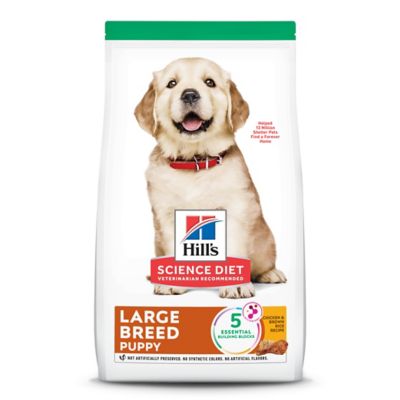
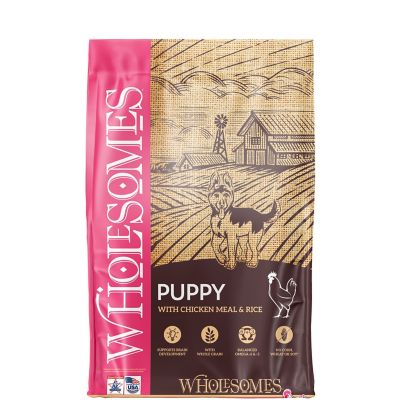
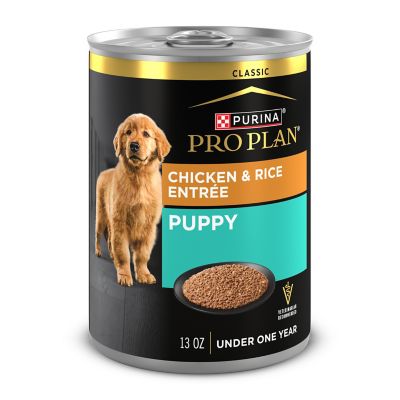
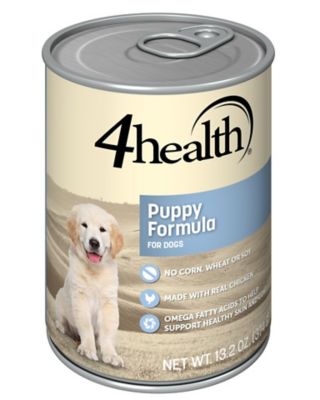
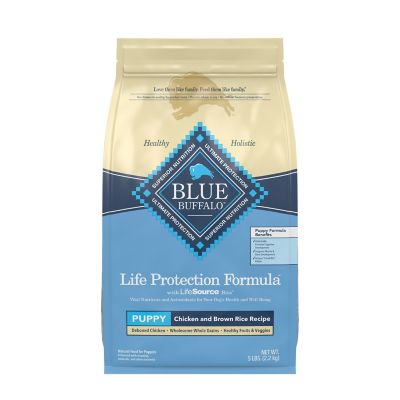
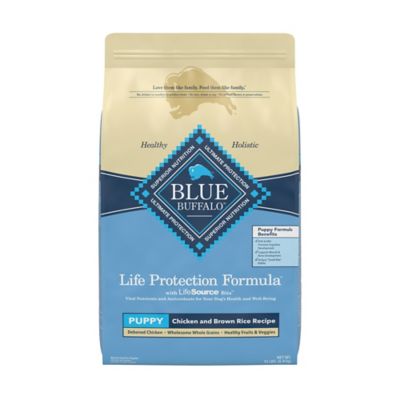
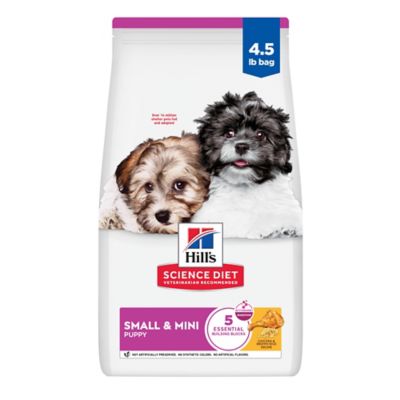
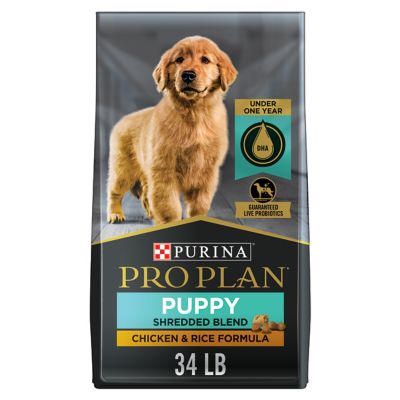
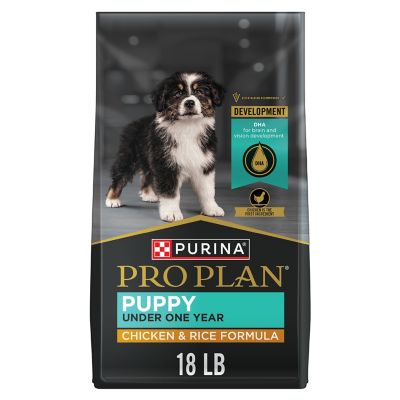
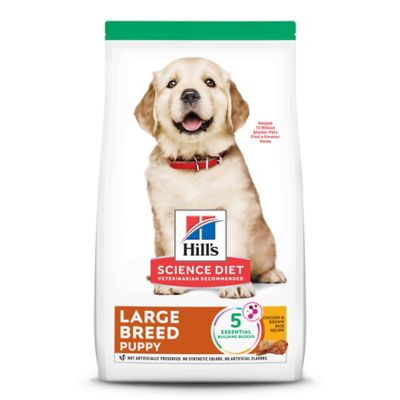
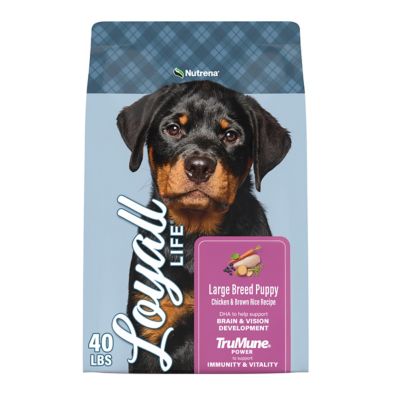
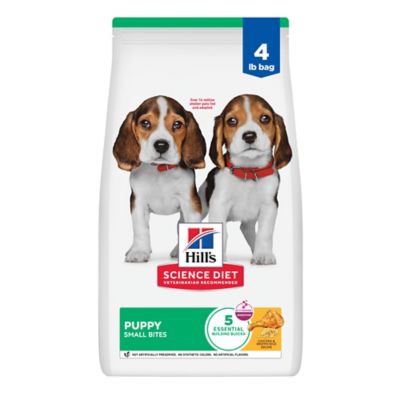
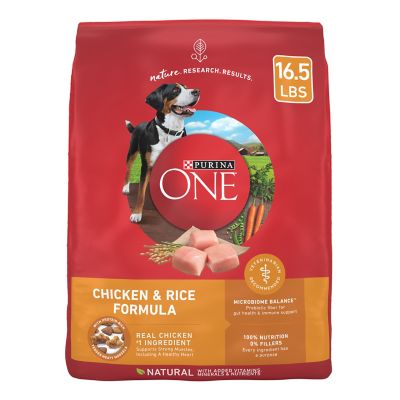
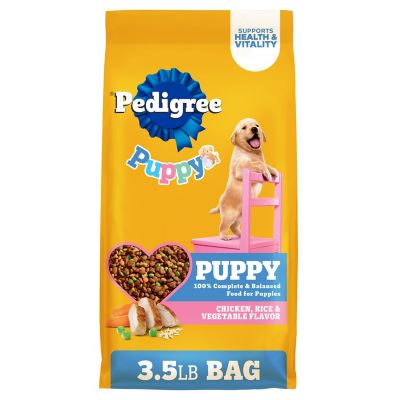
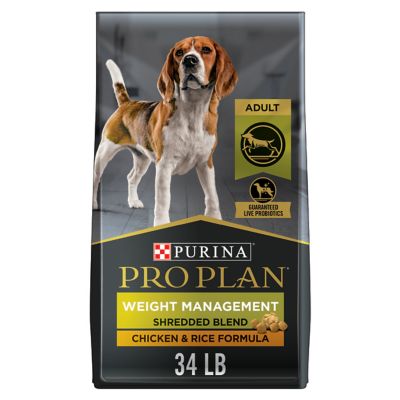
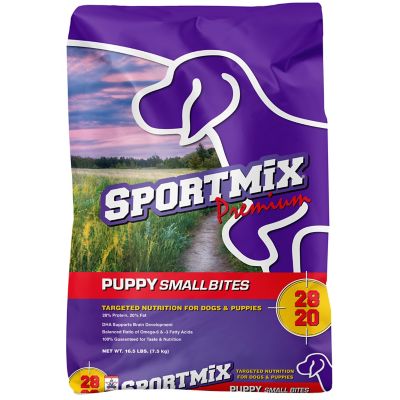
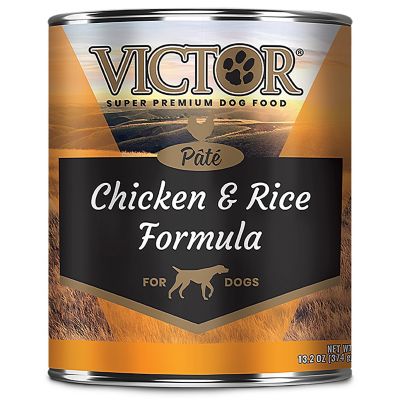
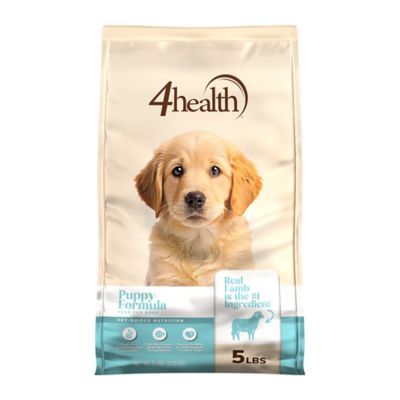
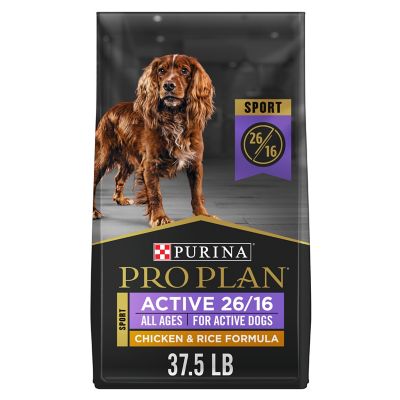
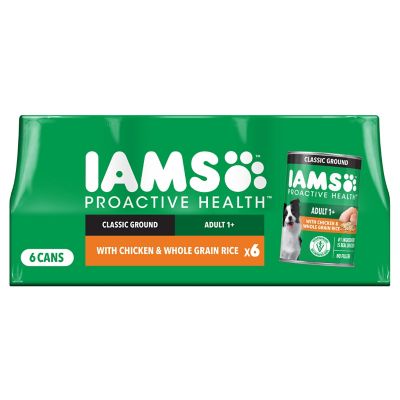
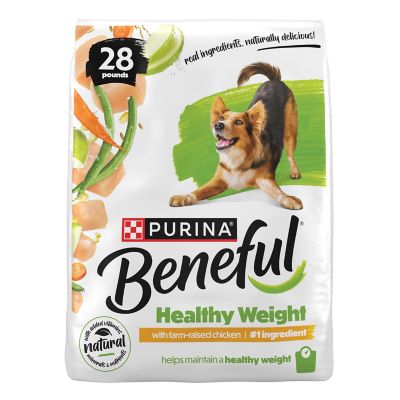
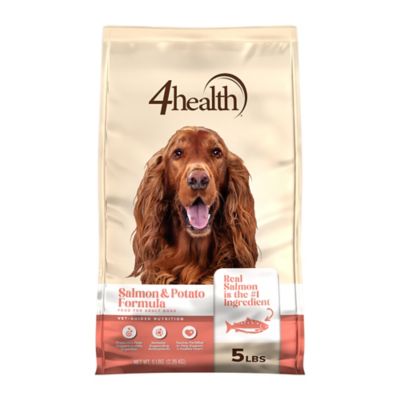
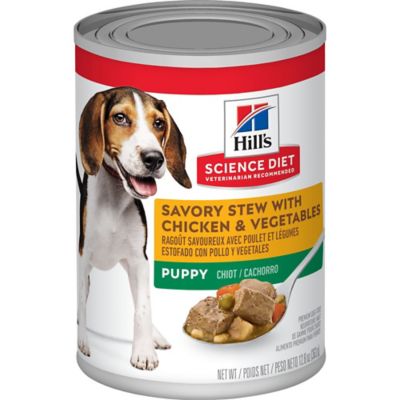
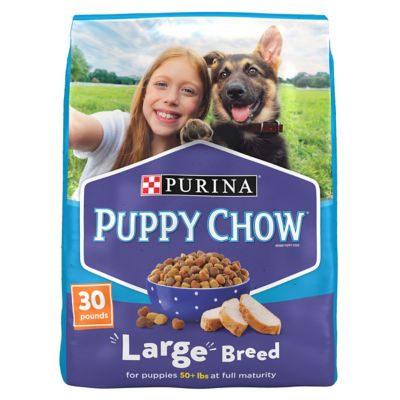
Chicken and rice puppy food pairs an animal protein source with a grain that supplies energy for growing dogs. Chicken provides amino acids that help build and maintain muscles, while rice contributes carbohydrates to support everything from backyard exploring to those lively laps around the kitchen. The right fit goes beyond those two ingredients, though. Puppies need a complete and balanced diet formulated for growth, with enough protein, fat, vitamins, and minerals to support their developing bodies. A nutritional adequacy statement on the package helps show whether a recipe meets recognized nutrient standards for that life stage. Adult maintenance food is not formulated for the same needs, even when the flavor sounds similar. Within chicken and rice puppy formulas, recipes may feature brown rice, white rice, or a combination of grains, along with other sources of protein, fat, and fiber. Brown rice retains its bran layer and contributes fiber, while white rice has that layer removed. Neither ingredient alone tells the whole story about how a food will suit a particular puppy. The full recipe, calorie content, feeding directions, and your pup’s response all matter. Chicken listed first can be a useful ingredient preference, but the order of ingredients does not replace checking that the food supports growth. Some formulas also contain DHA, an omega-3 fatty acid that supports brain and vision development, or added probiotics intended to support digestive health. These features vary by recipe and should be confirmed on the label rather than assumed from the chicken and rice name. For families welcoming their first pup, as well as folks raising another four-legged companion around the place, this familiar combination offers a starting point for comparing growth-stage nutrition. Whether the puppy spends the day learning house manners, riding along on errands, or watching chores from a safe spot, the food in the bowl should match the work of growing.
Expected adult size is another important difference among puppy foods. A little companion with a small mouth and a lanky pup headed for a much larger frame do not necessarily need the same kibble shape, calorie concentration, or mineral balance. Small-breed puppy formulas often have smaller pieces that are easier for little mouths to pick up and chew. Large-breed puppy formulas are designed to support controlled growth, with attention to calories and minerals such as calcium and phosphorus. For a puppy expected to reach 70 pounds or more as an adult, the nutritional adequacy statement should specifically include growth of large-size dogs. Extra calcium or other mineral supplements should not be added to a complete and balanced growth diet unless a veterinarian recommends them. Bigger portions and faster weight gain are not shortcuts to sound development. A puppy’s breed, age, activity level, and body condition help determine how much food belongs in the bowl, and feeding charts provide a starting point rather than a fixed amount for every dog. Calories per cup can differ substantially between recipes, so keeping the same scoop size after changing foods may change the amount of energy a puppy receives. Measured meals make those differences easier to manage, especially in a busy household where more than one person handles feeding. Dry chicken and rice puppy food offers a convenient format for regular meals, and part of the daily kibble allowance can serve as small rewards during training. Wet puppy food brings a softer texture and additional moisture, which may appeal to some pups. When dry and wet foods share the menu, both contribute calories, and any food making up a substantial portion of the diet should be appropriate for growth. The broader
Healthy Puppy Food category offers another way to compare puppy nutrition while keeping life stage, expected size, and feeding needs at the center of the choice.
A good everyday match also needs to work with the puppy’s digestion and the household’s routine. Chicken and rice may sound gentle, but a commercial puppy formula is different from a temporary bland meal recommended by a veterinarian. Plain cooked chicken and rice alone do not supply all the nutrients a growing puppy needs over time. A chicken-based recipe is also not the right choice for a dog with a confirmed chicken allergy, and the flavor name does not mean chicken is the only animal protein in the food. Ingredient lists matter when a veterinarian has identified a food sensitivity or recommended avoiding a particular ingredient. Fiber sources, fat levels, and other recipe differences can affect how individual puppies tolerate their meals. Persistent vomiting, diarrhea, itching, or poor growth calls for veterinary attention rather than repeated food changes. For an otherwise healthy pup moving to a different formula, a gradual transition over about seven to ten days often helps ease the change, with more time if a veterinarian advises it. That matters when a puppy comes home with a small supply of the previous food and plenty of other adjustments already underway. Regular mealtimes, a quiet feeding spot, and fresh drinking water help make the new routine feel settled. Food storage deserves the same everyday attention: dry kibble belongs in a cool, dry place, preferably in its original bag inside a clean, tightly closed container, away from damp floors, direct sunlight, and curious noses. Keeping the package also preserves the feeding information, lot number, and best-by date. Opened wet food needs refrigeration and handling according to its label, and bowls should be washed regularly to clear away food residue. Package size is worth matching to the puppy’s daily intake so the food can be finished within the maker’s recommended period after opening. From muddy-paw afternoons to quiet evenings curled up near the family, chicken and rice puppy food should support steady growth, comfortable meals, and a feeding routine that fits life at home.