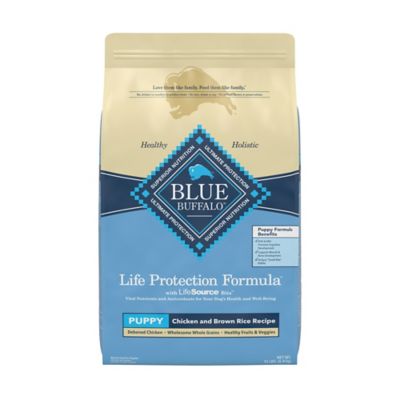
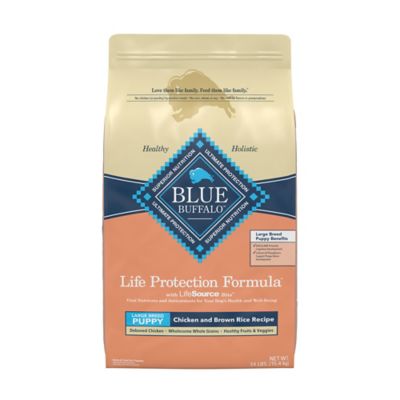
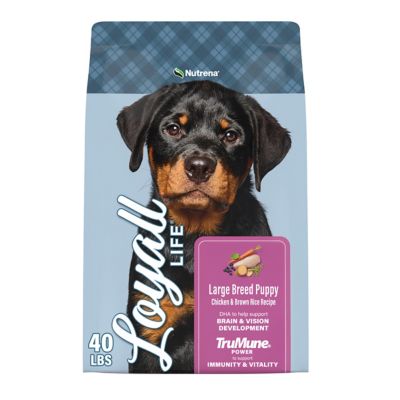
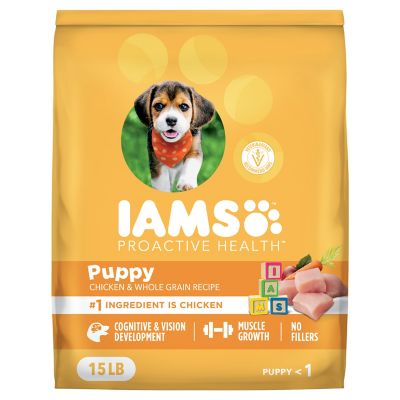
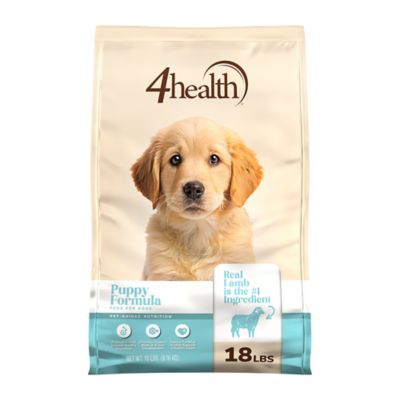
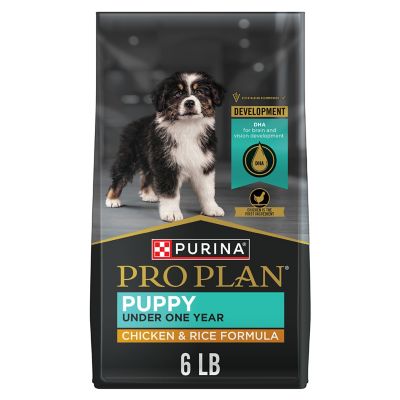
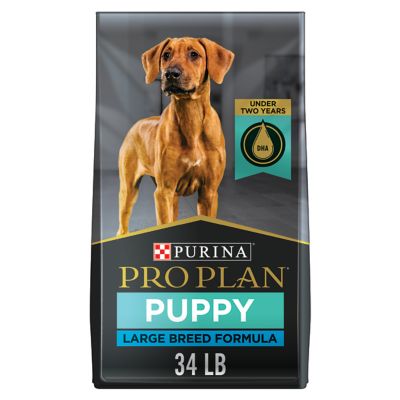
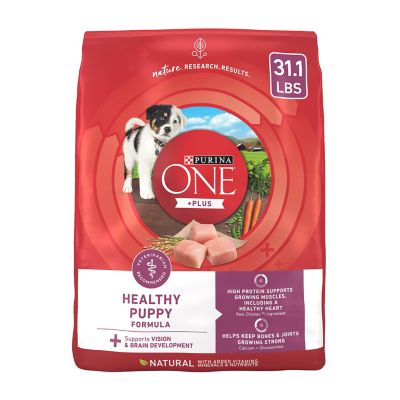
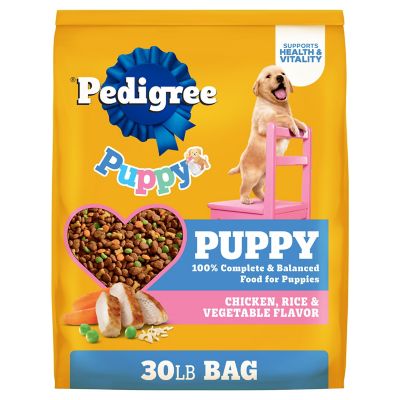
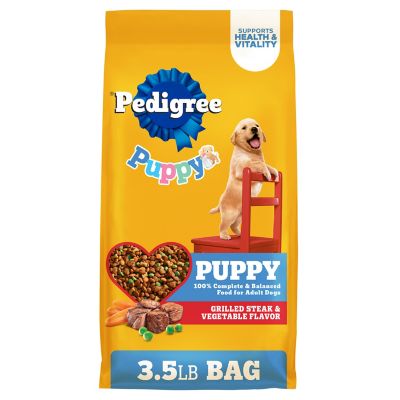
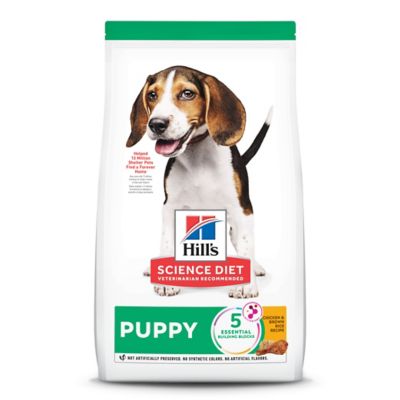
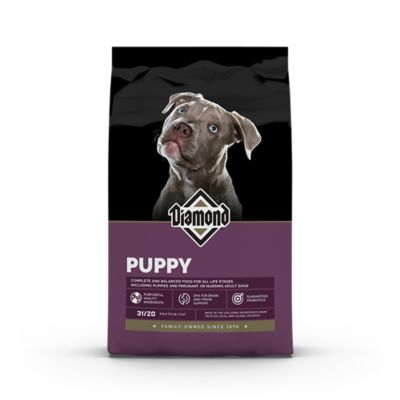
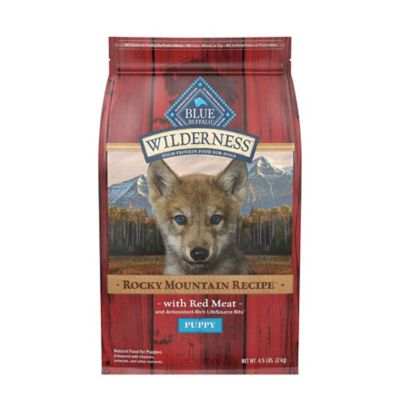
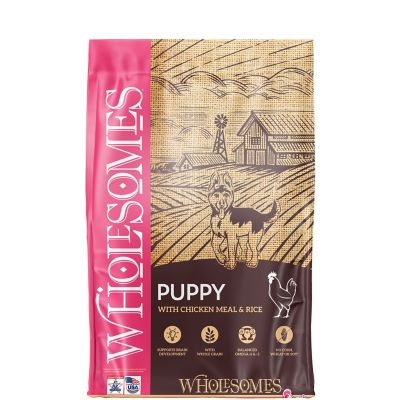
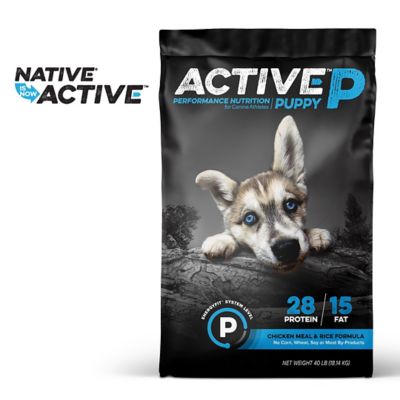
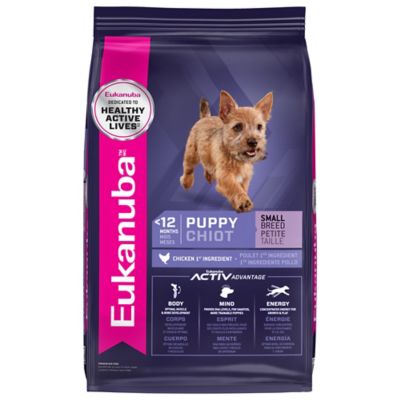
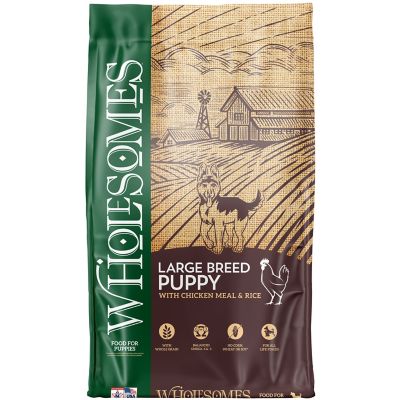
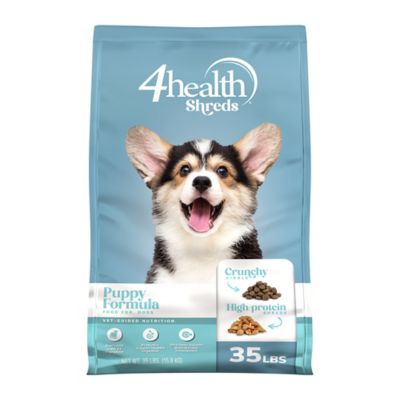
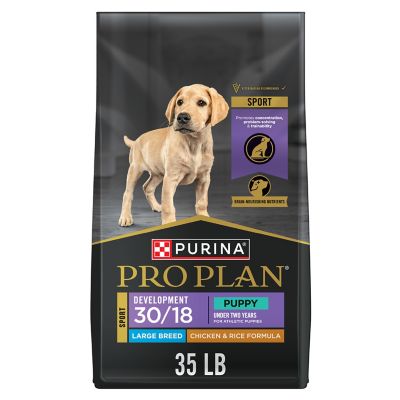
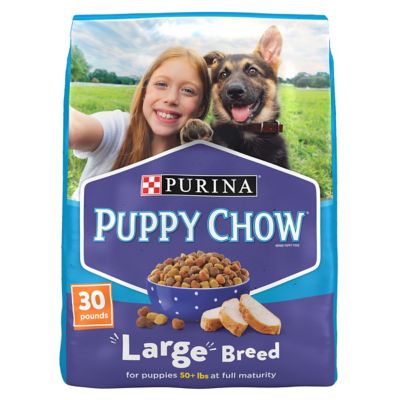
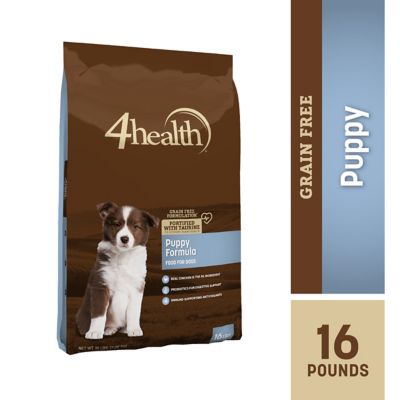
Puppy food supports a stretch of life when a little body has a lot of growing to do. From a small pup snoozing beside the kitchen table to a future farm companion learning to walk on a leash, growing dogs need nutrition that fits their life stage and expected adult size. Complete and balanced puppy food supplies protein for developing muscles and tissues, fat for energy and essential fatty acids, and vitamins and minerals that support normal growth. DHA, an omega-3 fatty acid often supplied by fish oil or other marine ingredients, supports brain and eye development. Calcium and phosphorus help build bones and teeth, but their balance matters just as much as their presence. More is not always better, especially for large-breed puppies, whose developing skeletons need controlled mineral levels and steady growth rather than extra calories that push weight gain. A useful starting point on a food label is the nutritional adequacy statement from the Association of American Feed Control Officials, or AAFCO. It should identify the food as complete and balanced for growth or for all life stages, rather than for adult maintenance alone. All-life-stages formulas can meet puppy growth requirements, but the statement still needs to match the puppy’s expected adult size. AAFCO establishes nutrient profiles and feeding-test procedures; it does not approve individual pet foods. Labels may indicate that nutritional adequacy was established through feeding trials or by formulation to meet nutrient profiles. Both statements provide more meaningful context than an appealing ingredient picture on the front of a bag. For a puppy expected to reach 70 pounds or more as an adult, the adequacy statement should specifically include growth of large-size dogs. That detail helps distinguish food intended for those bigger frames from formulas that exclude them. The goal is nourishment that supports a playful puppy today while keeping development on a sensible track for the dog that puppy will become.
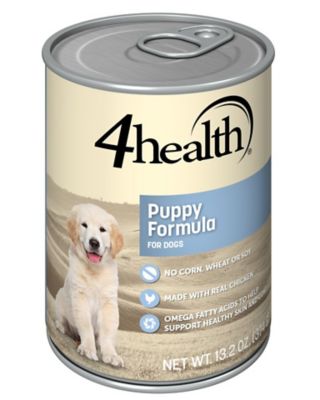
Dry puppy food, wet puppy food, and combinations of the two offer different textures and feeding routines without changing the need for complete nutrition. Dry kibble is convenient to portion into meals and carry in a treat pouch for short training sessions. Smaller pieces may be easier for little mouths to pick up and chew, while larger puppies may do better with a different kibble shape or size. Wet food has a softer texture and more moisture, which can appeal to puppies that prefer tender meals. Its calorie content per ounce usually differs from dry food, so equal-looking portions are not necessarily nutritionally interchangeable. When both formats make up the daily diet, their combined calories count toward the same daily total. Food texture, aroma, and bite size can all influence how readily a puppy settles into a meal, but appetite alone does not establish whether a formula meets growth needs. Chicken, beef, lamb, fish, and other protein sources contribute amino acids, while digestibility and the balance of the finished recipe help determine how those nutrients support the puppy. An ingredient listed first does not, by itself, establish the nutritional value of the entire food. When comparing
High Protein Puppy Food, protein percentage belongs alongside calorie content, mineral balance, and the growth statement. Dry and wet foods also contain different amounts of moisture, so their printed protein percentages need a dry-matter comparison for a fair assessment. Grain-inclusive recipes can provide digestible carbohydrates, fiber, and other nutrients; a grain-free label does not automatically make a food a better fit. For puppies with recurring digestive trouble, itching, or suspected food reactions, veterinary evaluation helps separate a dietary concern from other possible causes. A sensitive-digestion formula may include selected fiber sources or added probiotics, but those features are not a substitute for finding out why a puppy is uncomfortable. The best match is a food that meets growth needs, agrees with the puppy, and works within a consistent feeding routine.
Everyday feeding details matter once the bag or can reaches home. A puppy racing between a chew toy and the back door may look ready for another scoop, but feeding amounts depend on age, expected adult weight, body condition, activity, and the food’s calorie density. Package feeding charts offer a starting range, not a fixed amount for every dog. Measured meals make it easier to notice changes in appetite and adjust portions with veterinary guidance. Young puppies generally need several meals spread through the day, and very small puppies may need particular attention to meal timing. Treats, training rewards, and toppers also contribute calories; keeping extras to no more than about 10 percent of daily calories helps leave room for complete and balanced food. Part of the puppy’s measured kibble portion can serve as rewards for coming when called or settling quietly nearby. Fresh drinking water belongs within easy reach, too. A gradual food change over about seven to ten days often helps reduce digestive upset, though some puppies need a slower transition. Storage protects the food between meals: dry food keeps best in its original bag, closed securely inside a clean, dry container, with the lot information and best-by date retained. Opened wet food needs refrigeration and handling according to its label, and feeding bowls need regular washing. Added calcium, vitamin supplements, or large amounts of meat can upset the balance of a complete puppy diet unless a veterinarian has recommended them. The move to adult food also follows the puppy’s growth rather than a single birthday rule. Small dogs often mature sooner than large and giant breeds, which may need growth-stage nutrition longer. Regular weight checks and a body condition assessment help keep that transition grounded in the individual dog. A steady routine, appropriate portions, and food suited to the puppy’s size and stage support the everyday business of growing, playing, learning manners, and finding a place in the family.