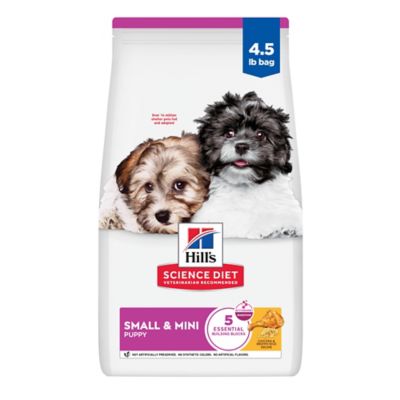
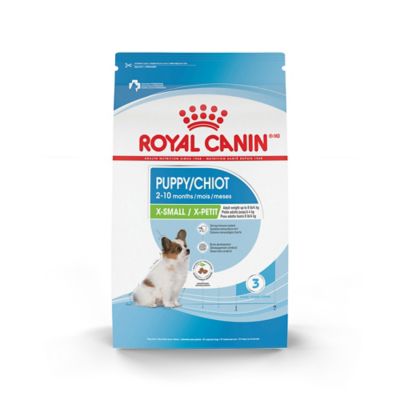
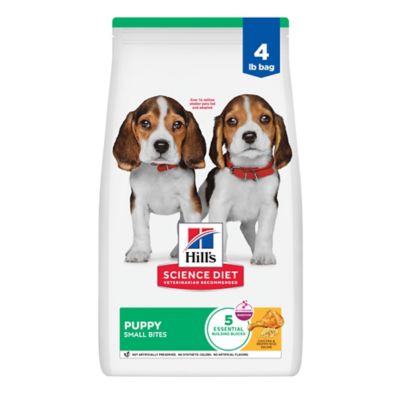
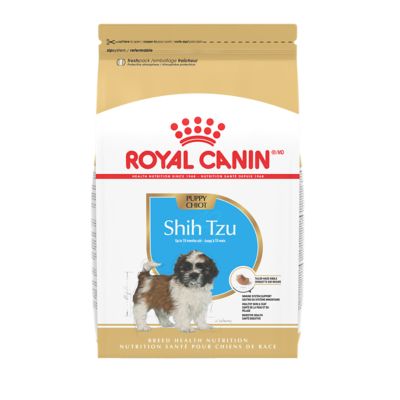
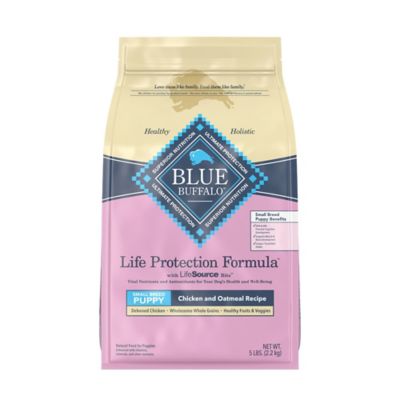
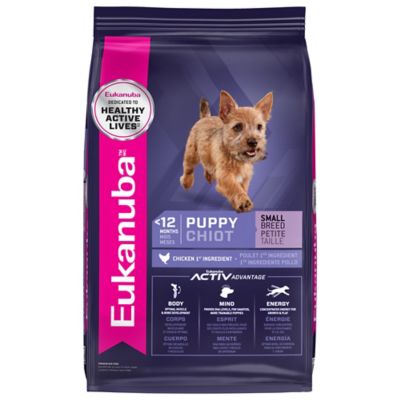
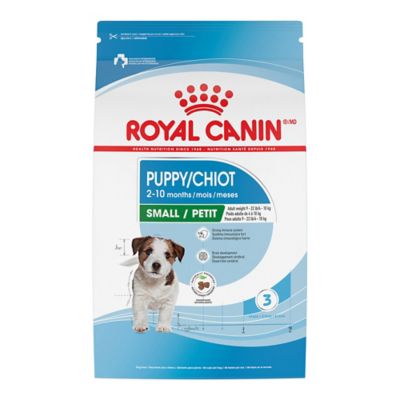
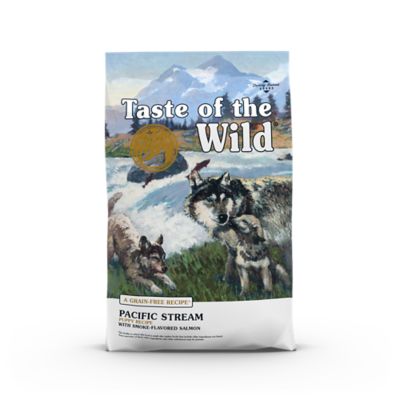
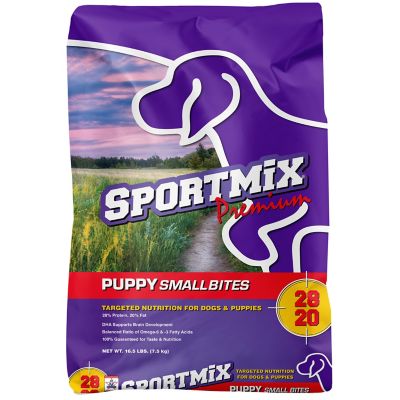
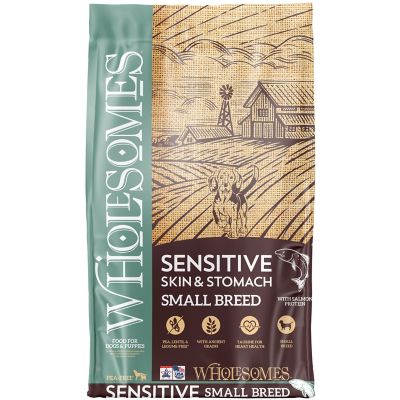
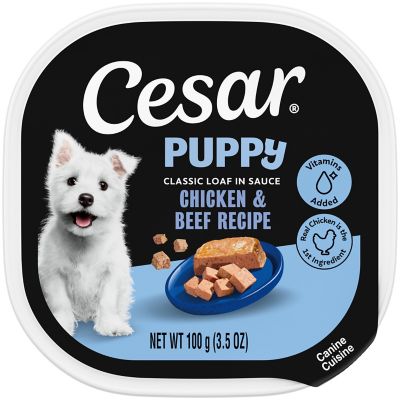
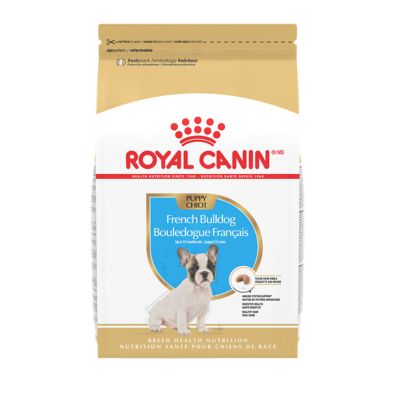
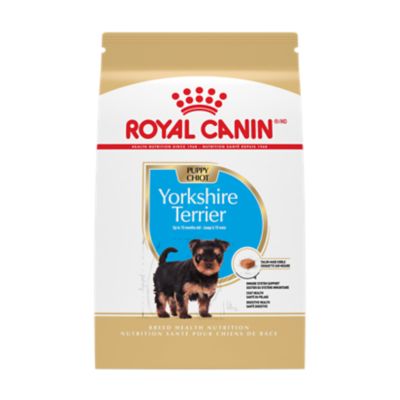
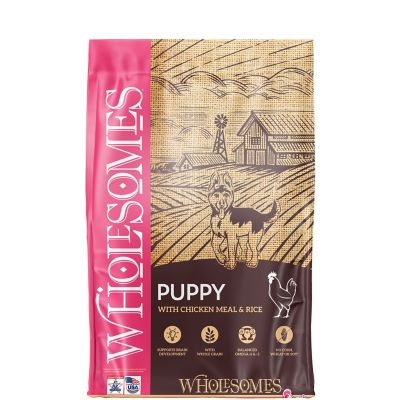
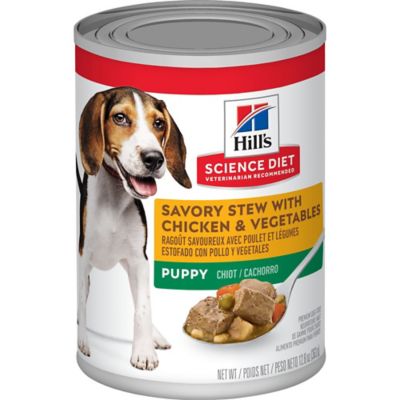
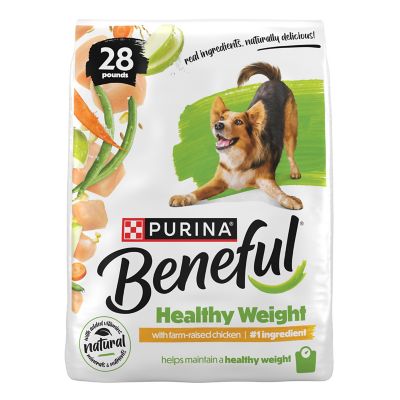
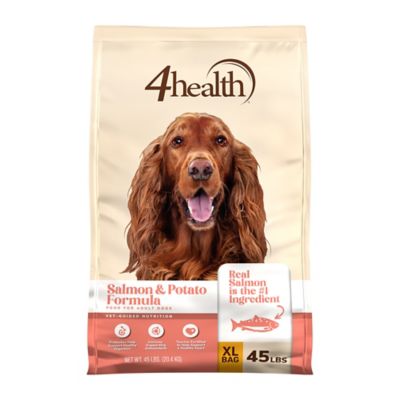
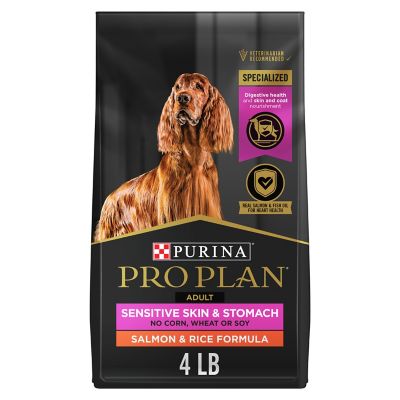
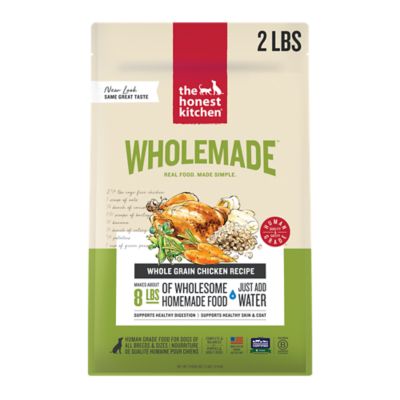
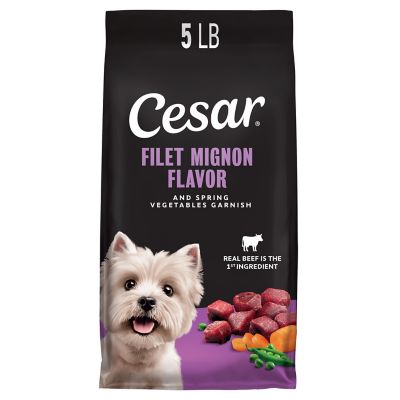
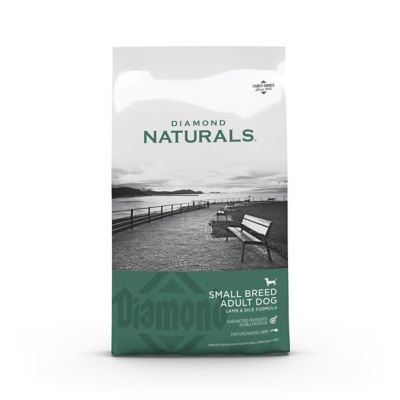
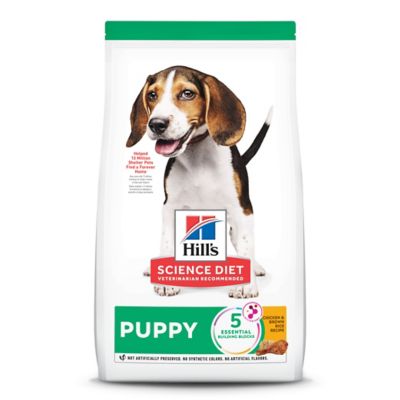
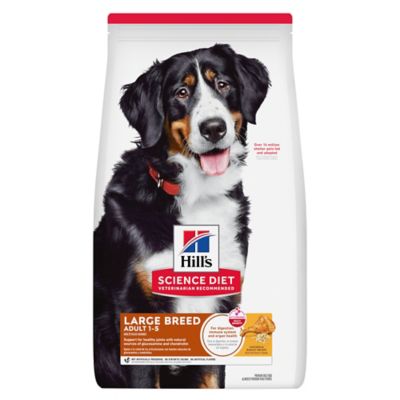
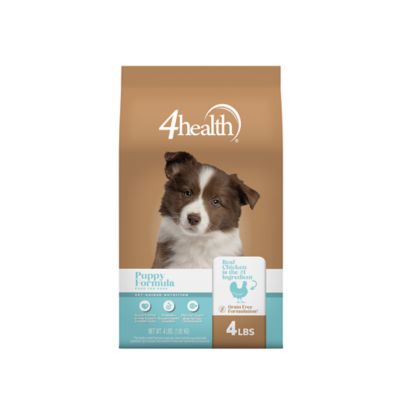
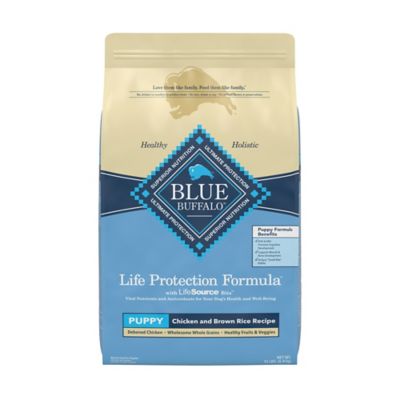
Small breed puppy food pairs concentrated nutrition with portions and bite sizes suited to a little dog’s growing body. Small puppies have small stomachs, yet they need enough energy, protein, fat, vitamins, and minerals to support steady development. A calorie-dense growth formula can help meet those needs without requiring an oversized meal. Protein supplies amino acids for developing muscles and other tissues, while fat provides energy and essential fatty acids. DHA, an omega-3 fatty acid found in ingredients such as fish oil, helps support normal brain and vision development. Balanced calcium and phosphorus also matter for growing bones and teeth; adding mineral supplements to a complete puppy diet can throw that balance off. The clearest starting point on a package is the nutritional adequacy statement. Look for wording that identifies the food as complete and balanced for growth or all life stages, rather than adult maintenance alone. A small bag or a picture of a little dog does not tell the whole story, since food for a small adult dog may not meet a puppy’s nutritional needs. Expected adult size, present weight, age, and activity level all help put the feeding information in context. A pup that follows the family from the kitchen to the back porch may have a different appetite from a littermate that spends more time napping, but both need balanced nutrition rather than extra calories alone. Ingredient lists can help identify protein sources and ingredients a veterinarian has recommended avoiding, though the full nutritional profile matters more than any single ingredient. Chicken, lamb, fish, and other protein sources can all have a place in a properly formulated diet. When browsing
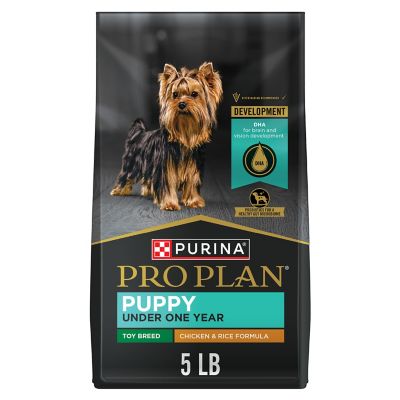
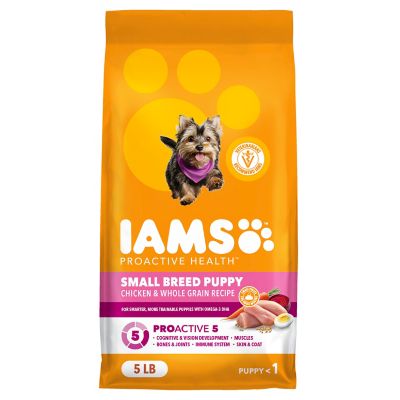
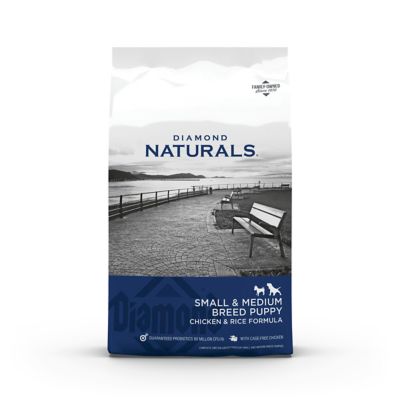
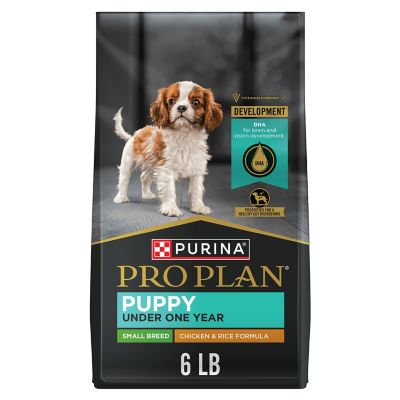
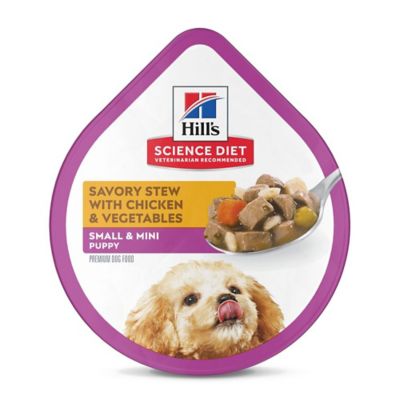
Puppy Food For Small Dogs, useful comparisons include life-stage suitability, calories per serving, and a food texture the puppy can comfortably manage.
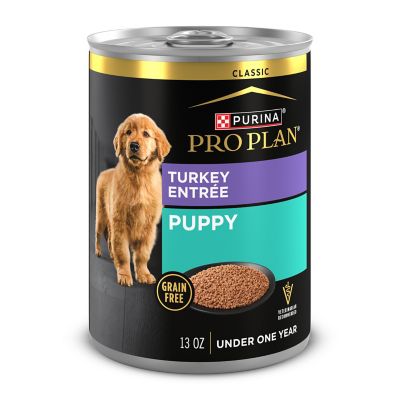
Size and texture make a practical difference when a puppy’s mouth is barely bigger than the spoon filling the bowl. Small kibble pieces are generally easier for little jaws to pick up and chew, although shape and thickness matter along with diameter. Watch how the puppy handles a meal: comfortable eating should not involve repeatedly dropping pieces or struggling to break them apart. Dry puppy food makes measured meals straightforward and stores neatly when the package is kept properly closed. Wet puppy food offers a softer texture and more moisture, which may suit some puppies’ preferences. Neither format is automatically the better choice; the important points are complete growth nutrition, suitable portions, and how well the puppy eats and tolerates the food. Dry and wet foods can also share a feeding routine, provided their calories are counted together rather than serving a full portion of each. Calories per cup and calories per can or tray are not interchangeable, so package information matters when changing formats. A spoonful of wet food added to kibble contributes to the day’s total just as a full meal does. Foods containing grains can fit a balanced puppy diet, and grain-free wording alone does not establish a nutritional advantage. For a puppy with suspected food sensitivities, a veterinarian can help sort out the cause before several ingredients are removed from the bowl. Consistent appetite, comfortable digestion, and well-formed stools provide useful everyday feedback, while persistent vomiting, diarrhea, itching, or poor growth call for veterinary attention. Fresh drinking water should stay within easy reach regardless of whether meals are dry, wet, or a combination. A shallow, steady bowl can make eating and drinking easier for a tiny pup, especially one still learning not to step into supper. Ordinary kibble is not a substitute for toothbrushing and veterinary dental care, even when its crunchy texture seems appealing.
A good feeding routine gives small breed puppy food a fair chance to do its job. Many young puppies do well with three or four measured meals spread through the day, with meal frequency adjusted as they grow and according to veterinary advice. Very small puppies can be more vulnerable to low blood sugar when they miss meals, so long gaps without food deserve particular care. Bringing home a new puppy is a busy stretch, and keeping the breeder’s, shelter’s, or previous caregiver’s feeding schedule at first can provide some welcome consistency. When changing foods, a gradual transition over about seven to ten days often helps: begin with mostly the familiar food, then increase the new food while watching appetite and stool consistency. Some puppies need a slower change. Feeding charts offer a starting point, not a fixed serving for every dog, and different charts may refer to current weight or expected adult weight. Read that detail before filling the scoop. A kitchen scale can make portions easier to repeat, especially when a small measuring error represents a sizable share of a tiny puppy’s meal. Check body condition along with weight as the puppy grows; ribs should generally be easy to feel beneath a light covering, with a visible waist when viewed from above. A veterinarian can help interpret body condition for the puppy’s breed and stage of development. Training rewards count toward daily intake, too. Setting aside part of the regular kibble ration for practicing a recall across the yard or settling quietly by the door helps keep rewards from crowding out balanced meals. Treats and other extras should generally account for no more than 10 percent of daily calories. Between meals, keep dry food in its original bag inside a clean, tightly closed container, away from moisture and curious noses. Follow package directions for refrigerating opened wet food and discarding leftovers, and wash bowls regularly. Small dogs often reach maturity sooner than larger dogs, so the move to adult food should follow growth and veterinary guidance rather than the day a puppy finishes a bag. Measured portions, sensible storage, and a steady routine help keep the focus where it belongs: supporting a little pup’s growth from those first unsteady steps to a confident trot beside the family.