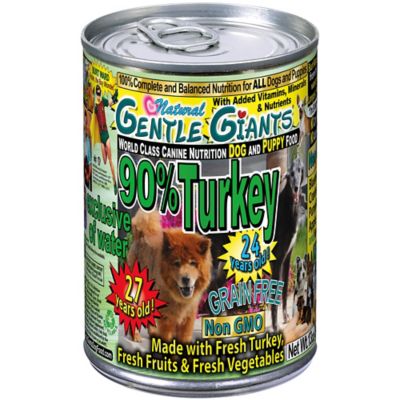
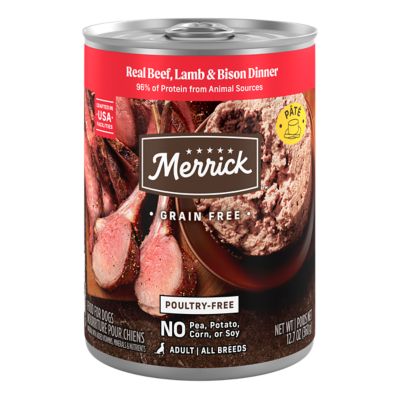
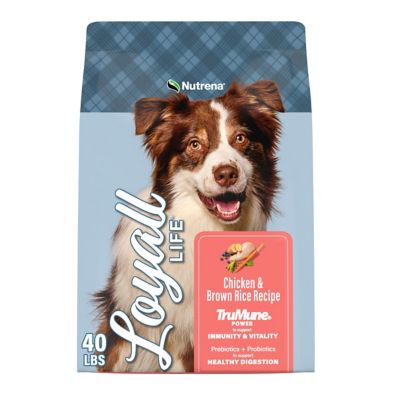
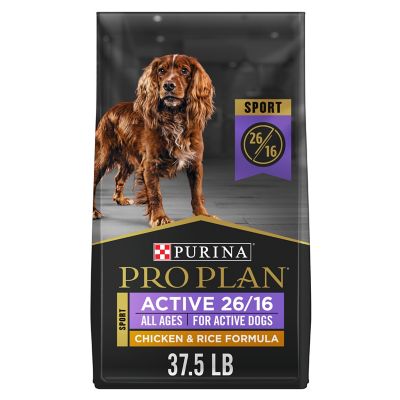
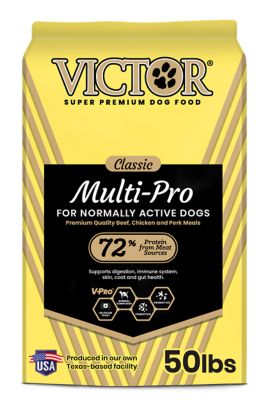
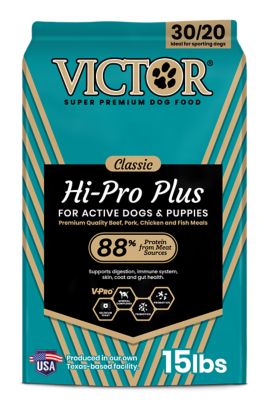
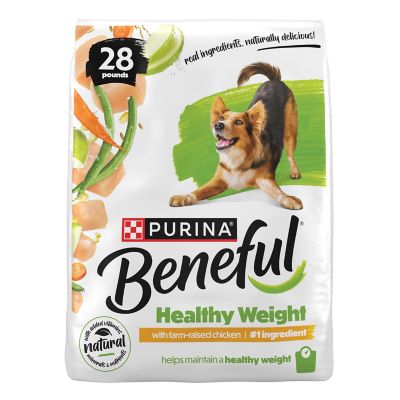
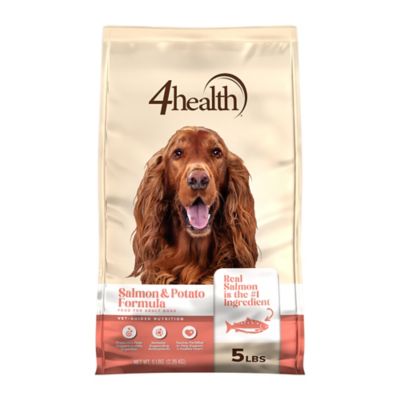
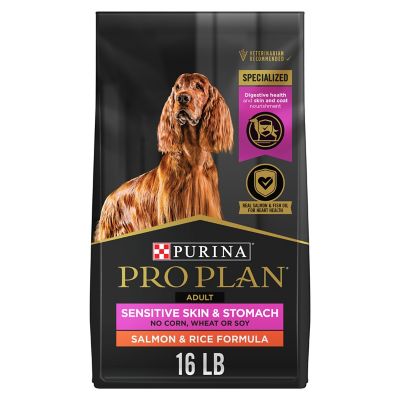
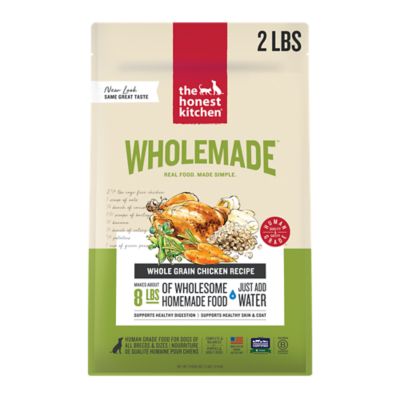
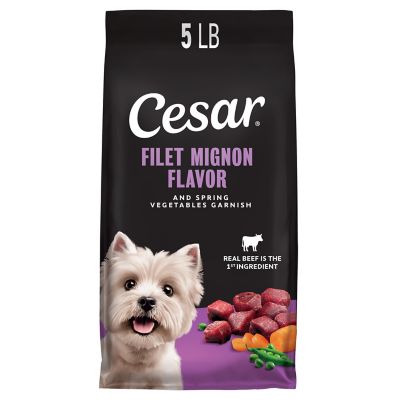
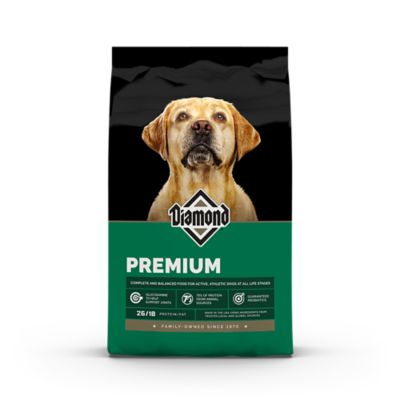
All ages dog food, also called all life stages dog food, is made to provide complete and balanced nutrition for dogs at more than one stage of life. A well-formulated recipe is designed to meet the nutritional needs of growing puppies as well as adult dogs, making it a practical choice for households where a young pup and a full-grown dog share the same food bin. Look for a nutritional adequacy statement showing that the food meets Association of American Feed Control Officials (AAFCO) standards for growth and maintenance, or for all life stages. This statement is one of the best places to start when comparing bags because it confirms the intended use of the food. Many all ages formulas offer higher levels of calories, protein, calcium, and phosphorus to support the fast-growing bodies of puppies. They may also be suitable for pregnant or nursing dogs, which need extra energy and balanced nutrition while carrying and feeding a litter. For a family with several dogs, one food can simplify the morning routine, cut down on half-used bags, and make it easier to keep feeding consistent when chores are already piling up. It can also be a thoughtful, useful gift for someone bringing home a puppy, caring for a mother dog and her litter, or setting up a new kennel, rescue space, or foster home. As you shop, consider your dogs’ breed size, age, activity level, body condition, and any special dietary needs. A lively farm dog that spends long days moving across the property may need more calories than a quiet house dog, even if they weigh about the same. Feeding directions on the bag are a helpful starting point, but they are not a one-size-fits-all rule. Measure each serving, keep fresh water available, and watch your dog’s ribs, waist, energy, stool quality, and overall condition. During the cooler months, some dogs may burn more energy outdoors, while others may spend more time curled up inside and need fewer calories than usual.
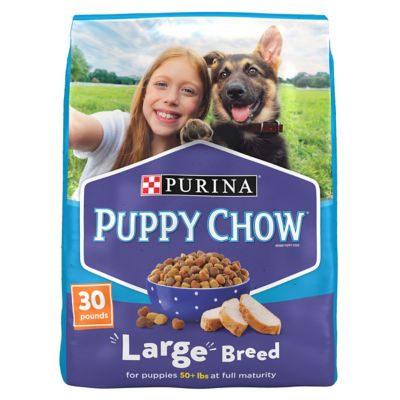
The convenience of an all ages recipe is especially noticeable in a multi-dog home. Instead of storing separate puppy, adult, and maintenance foods, you can often scoop from one container and keep the feeding area neat. This can be handy in a busy barn, on a small farm, or in a home where dogs of different ages gather around the same kitchen mat at mealtime. Even so, each dog should have an individual feeding plan. Puppies generally need several measured meals each day, while adult dogs may do well with one or two meals, depending on their routine and veterinary guidance. Large-breed puppies deserve extra care because growing too quickly can put unnecessary stress on developing bones and joints. Follow the feeding directions for your puppy’s expected adult size, use a food intended to support growth, and schedule regular check-ins with your veterinarian. Pregnant or nursing dogs also have changing nutritional needs, and their portions may need to increase as pregnancy progresses or as the litter grows. A gradual food transition over about a week can help reduce digestive upset: mix a small amount of the new food with the old, then slowly increase the new food while decreasing the old. Store the bag in a cool, dry place away from damp floors, curious pets, and pests, and keep the original packaging nearby so you can refer to the lot information and feeding instructions. Once opened, close the bag tightly or place it inside a clean, food-safe container. Freshness matters, particularly when food is kept in an unheated mudroom, tack room, or garage where temperature and humidity can swing with the weather. Smaller bags may make sense for one dog or a household that wants to keep food at peak freshness, while larger bags can be convenient for several dogs, foster homes, or regular deliveries. Compare the cost per pound, but also consider how much each dog eats and whether the bag can be used before its best-by date.
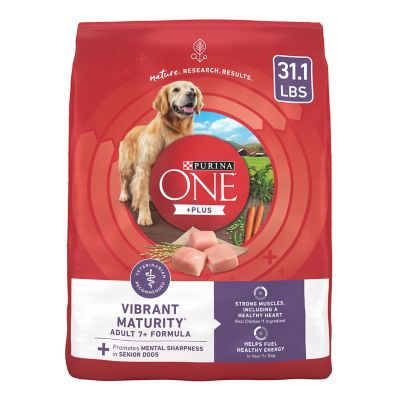
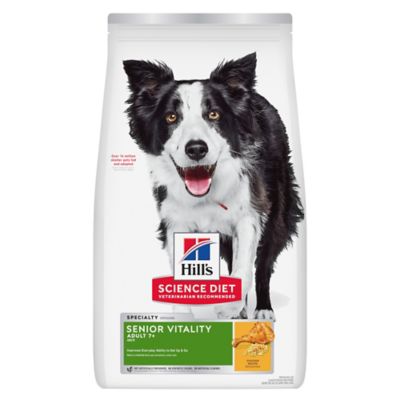
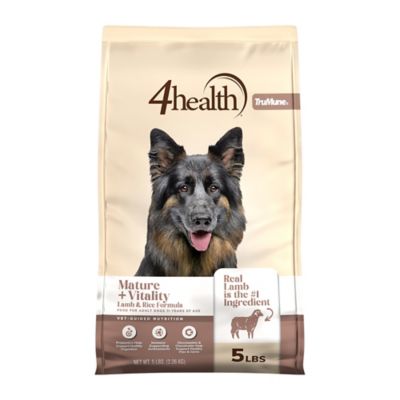
Although all ages dog food is built to support growth and maintenance, it may not be the best long-term match for every adult or aging dog. Because these recipes are commonly formulated with puppy-level nutrient density, they can supply more calories, calcium, or phosphorus than a less active adult dog needs. Extra calories may contribute to weight gain, and dogs with kidney disease, joint concerns, food sensitivities, digestive problems, or other health conditions may require a targeted diet chosen with veterinary guidance. Older dogs can also have different needs as their activity slows and their ability to maintain muscle, a healthy weight, or comfortable digestion changes. For those pets, compare all life stages food with options such as
Senior Dry Dog Food and ask your veterinarian which nutritional profile fits best. Keep an eye on changes that can be easy to miss when you see your dog every day, such as a softer belly, a duller coat, reluctance to climb steps, increased thirst, or a drop in appetite. A quick weigh-in and hands-on body check can help you notice trends before they become bigger concerns. All ages food works well for many puppies, active adult dogs, breeding dogs, and multi-dog households, but the right choice depends on the individual dog in front of you. Read the label, match the food to your dog’s life stage and lifestyle, introduce it gradually, and adjust portions as seasons, activity, and health needs change. With the right fit, feeding time stays simple: a measured scoop, a clean bowl, and a dependable source of nourishment for the dogs that follow you down the drive, keep watch by the porch, or warm their paws beside the door.