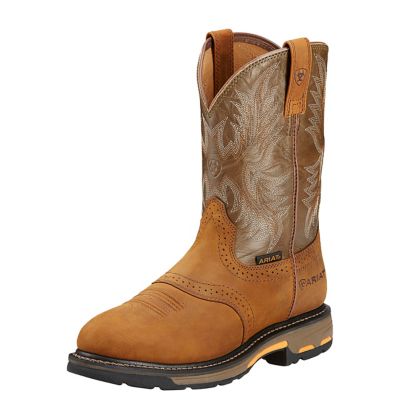
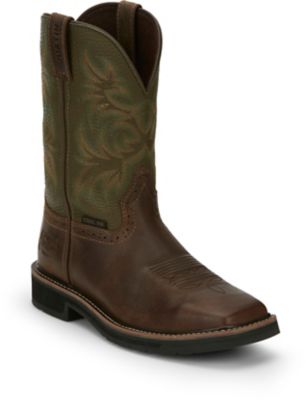
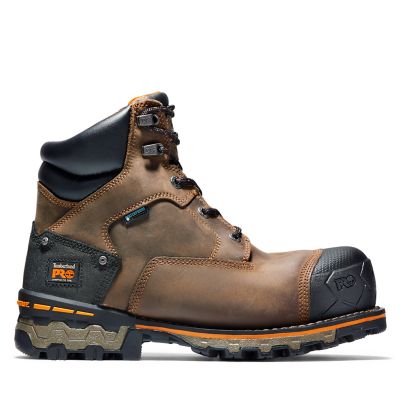
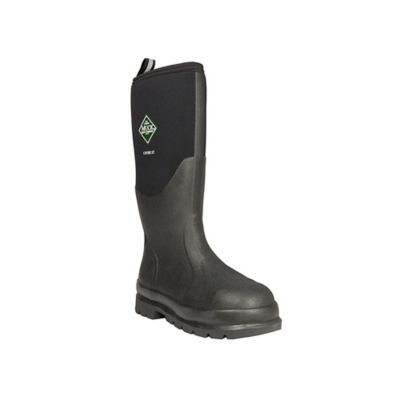
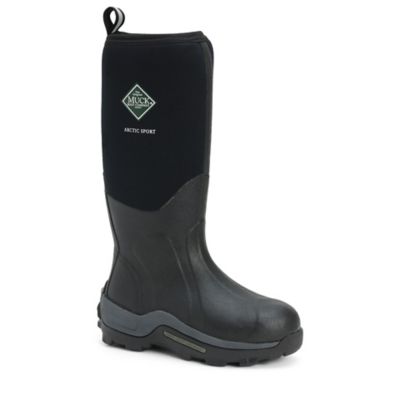
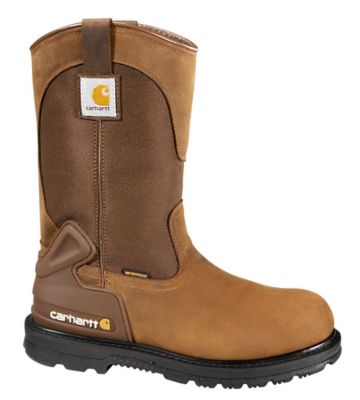
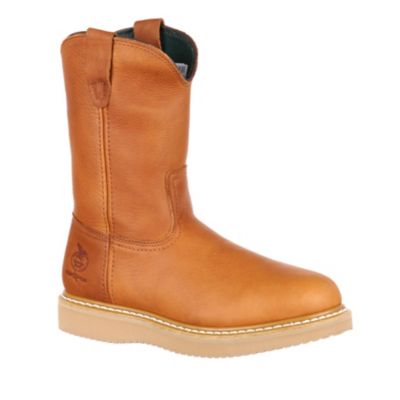
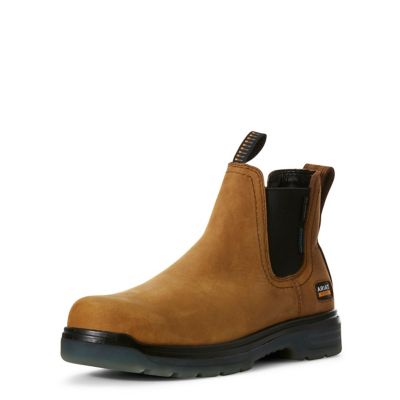
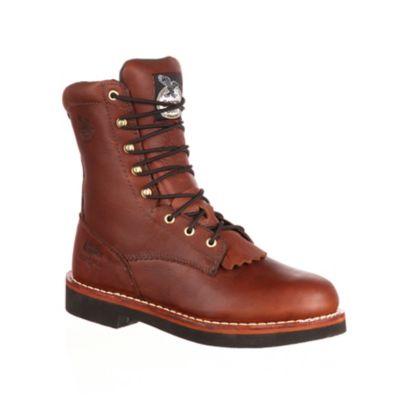
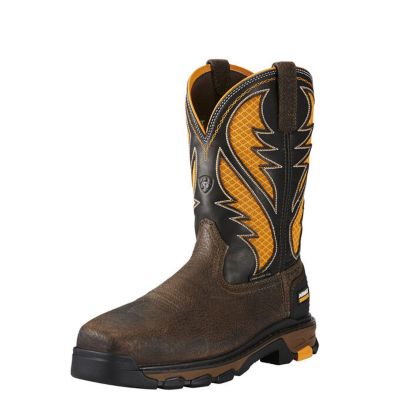
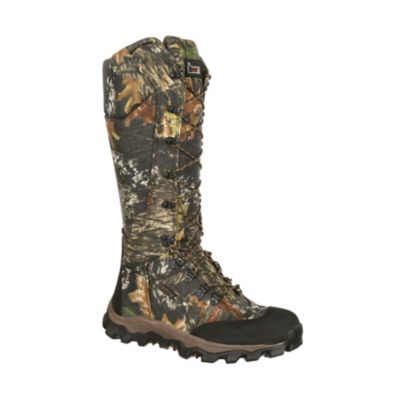
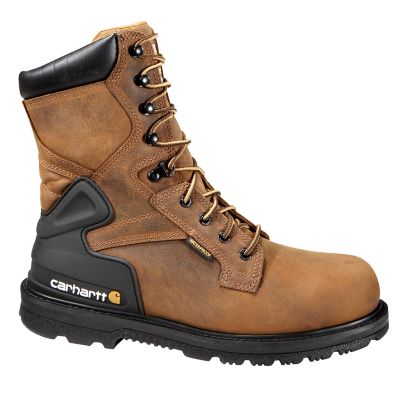
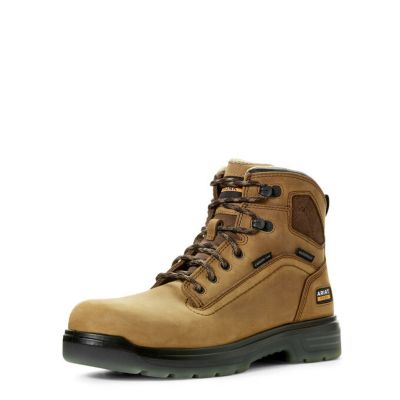
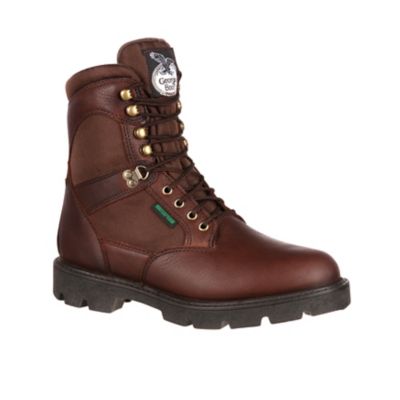
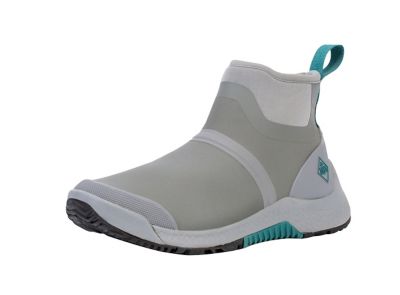
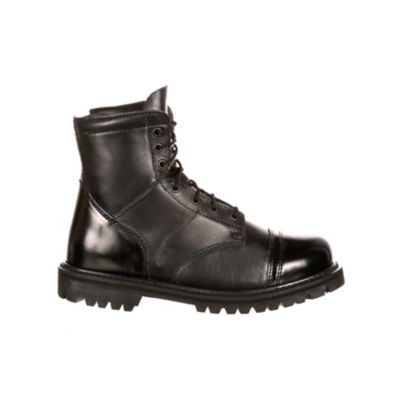
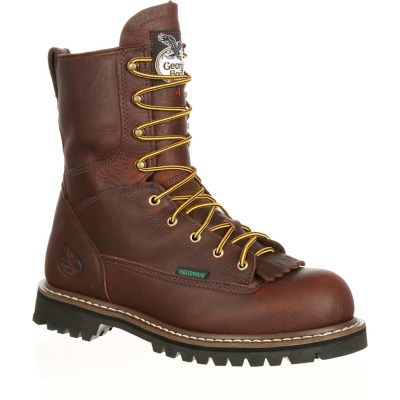
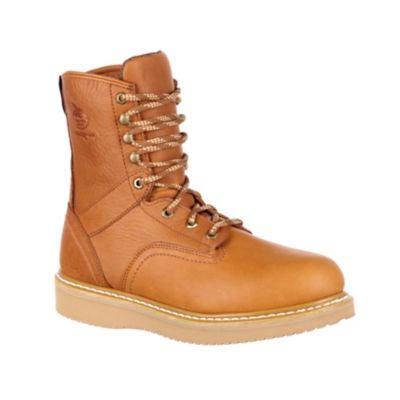
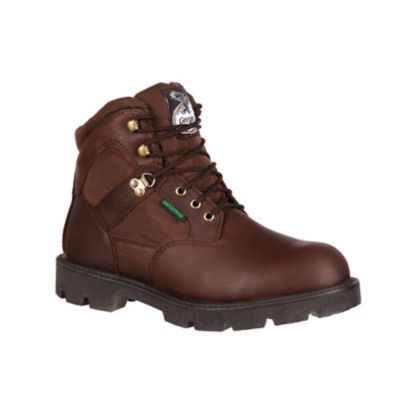
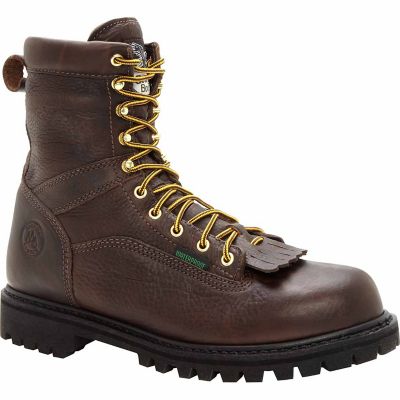
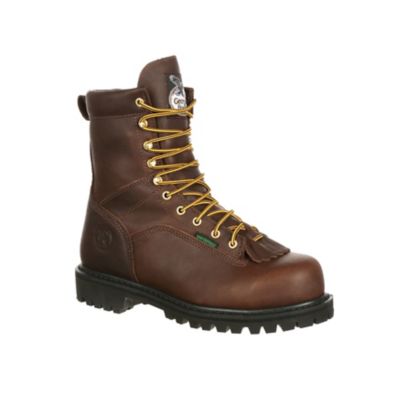
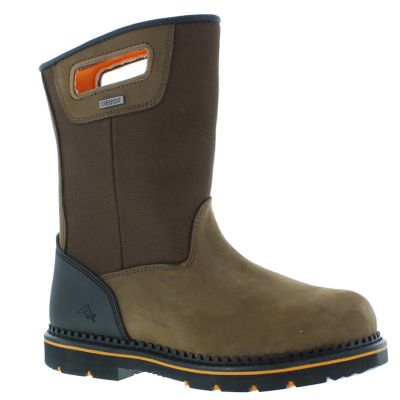
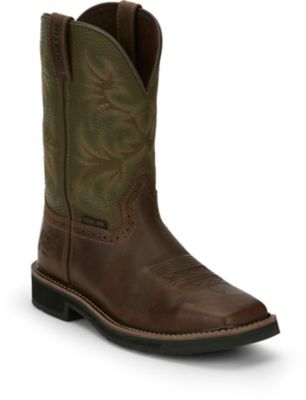
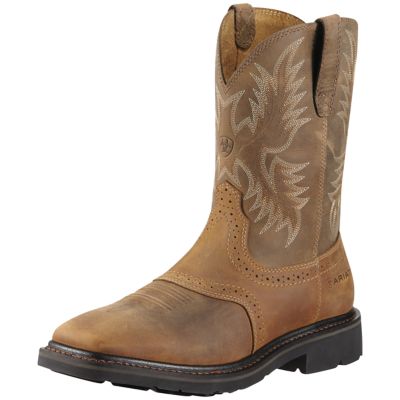
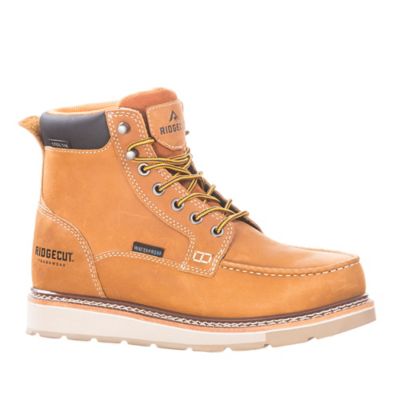
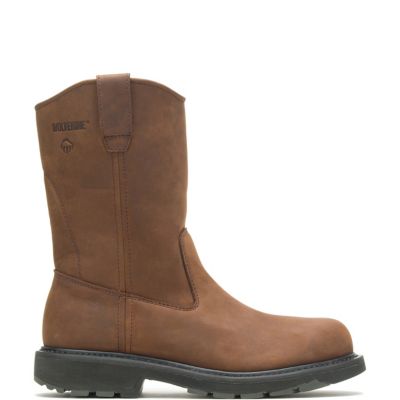
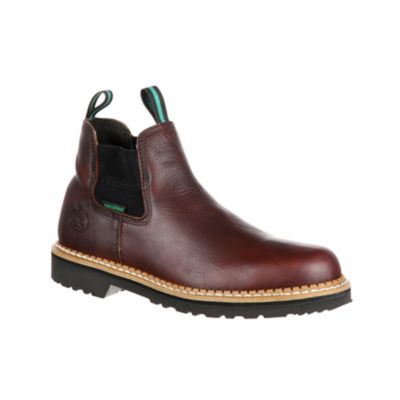
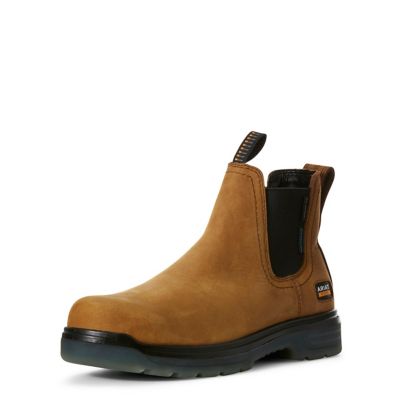
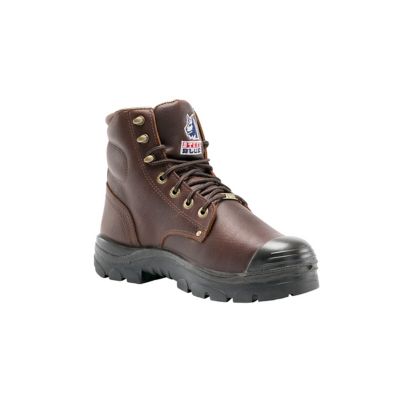
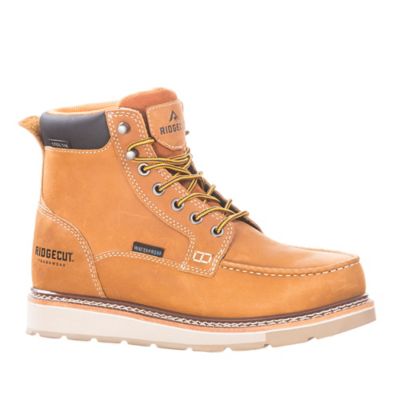
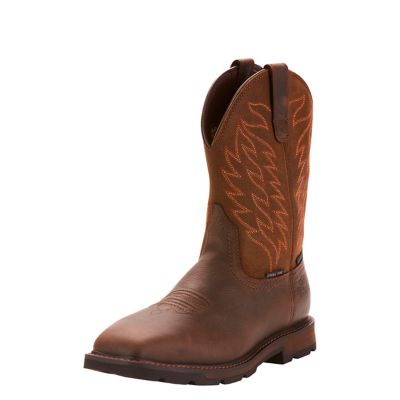
Protective boots are made for the kind of work that puts ordinary footwear to the test. Around a farm, ranch, jobsite, warehouse, shop, or busy yard, your feet may face mud, gravel, wet grass, dropped tools, sharp edges, slick floors, and long hours on hard ground. A sturdy pair of protective boots helps add a layer of defense while giving you the support and traction needed to keep moving through the day. Look for safety-toe construction when impact or compression hazards are part of the job. Steel toes are a familiar choice for heavy-duty protection, while composite and carbon-fiber toes can offer dependable coverage with less weight and may be more comfortable for people who spend hours on their feet. Safety toes should meet recognized ASTM impact and compression standards, but the right rating depends on the hazards in your workplace, so check your employer’s requirements before buying. Protective boots may also include slip-resistant outsoles with deep, well-spaced tread to help grip muddy ground, loose gravel, concrete, and wet floors. Traction can make a real difference when carrying feed, climbing in and out of equipment, or walking across a slick barn aisle, though no outsole can prevent every slip. For electrical work or locations where contact with energized parts is a concern, an electrical hazard, or EH, rating may be an important feature. EH footwear is designed for specific electrical protection conditions and should be used alongside proper jobsite procedures and other required safety equipment.
Weather matters just as much as workplace hazards, especially when cooler conditions bring rain, slush, heavy dew, and muddy ground. Waterproof protective boots can help keep socks dry during chores, outdoor construction, landscaping, utility work, and long walks between buildings. Sealed seams, waterproof membranes, treated leather, rubber, and neoprene are all materials or construction details you may see in boots built for wet conditions. Be sure to tell the difference between water-resistant and waterproof footwear: water-resistant materials can shed light moisture, while waterproof designs are intended to provide more complete protection when conditions stay wet. Insulation can be useful during cold-weather work, but a heavily insulated boot may feel too warm when you are working indoors or moving constantly. For milder days, choose a boot with breathable lining and room for work socks. A secure fit matters in every season. Your heel should stay in place without rubbing, your toes should have room to move, and the widest part of your foot should sit comfortably over the boot’s flex point. Try boots on with the socks you normally wear for work, preferably later in the day when feet have naturally expanded. Walk on a firm surface, bend your knees, and check for pinching at the toes or pressure across the instep. A boot that feels fine for a few minutes may become a nuisance after a full shift, so pay attention to support, cushioning, and the weight of the footwear. Features such as padded collars, shock-absorbing midsoles, removable footbeds, and supportive shanks can make long days more manageable without taking away the rugged protection you need.
The best protective boots match the work in front of you, whether that means repairing fencing, loading supplies, caring for livestock, operating equipment, stocking a warehouse, or tackling projects around the house. Pull-on styles can be handy for quick chores and muddy conditions, while lace-up boots allow you to adjust the fit around the ankle and lower leg. A taller shaft may help keep out debris, rain, and brush, and a reinforced heel or heel counter can add stability when walking on uneven ground. If you spend time around manure, chemicals, oils, or other messes, consider a boot material that is easier to rinse and clean. Leather can offer a durable, broken-in feel when cared for properly, while rubber and synthetic materials are often simple to wipe down after a rough day outside. Let wet boots dry naturally away from intense direct heat, and follow the care directions for the material to help prevent cracking, shrinking, or premature wear. Inspect the tread, seams, laces, toe area, and sole regularly, replacing footwear when the tread is worn smooth, the sole separates, or the protective structure shows damage. Protective boots can also make a thoughtful gift for a farmer, tradesperson, ranch hand, mechanic, landscaper, warehouse worker, or do-it-yourselfer who spends more time working than shopping for workwear. If you are comparing safety-toe options for demanding jobs, browse
Hard Toe Boots for additional choices. From early fall rain to colder days spent outside, a well-chosen pair helps keep feet better protected, steadier on the ground, and more comfortable through the work that keeps your place running.