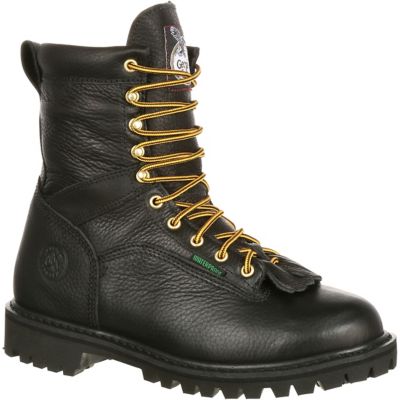
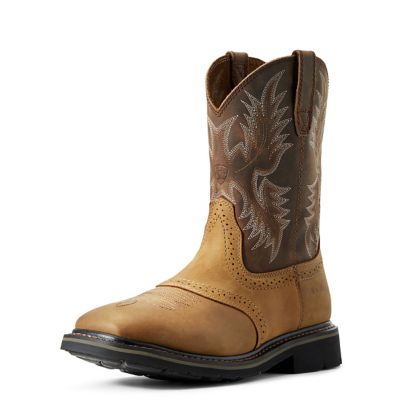
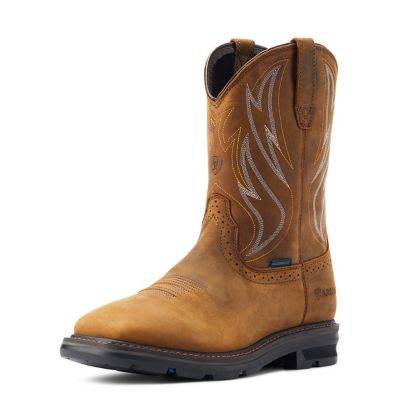
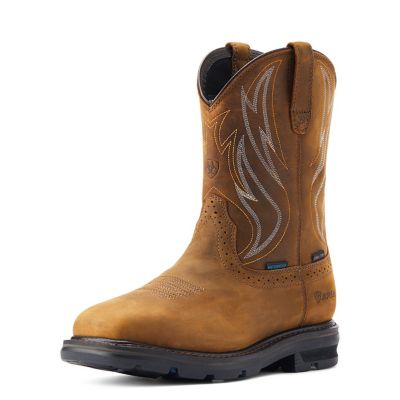
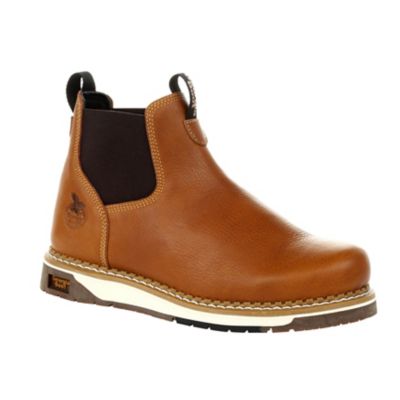
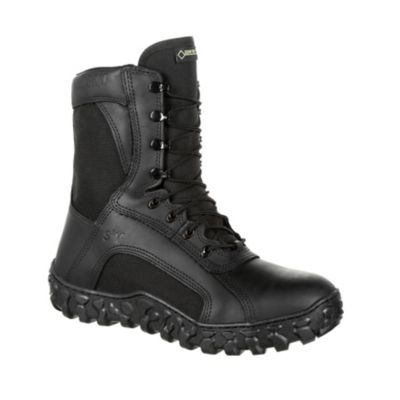
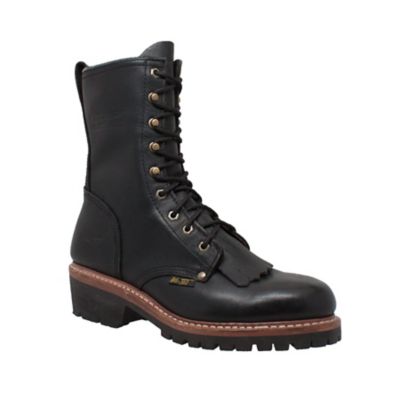
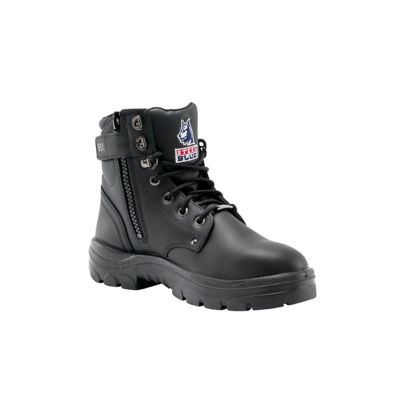
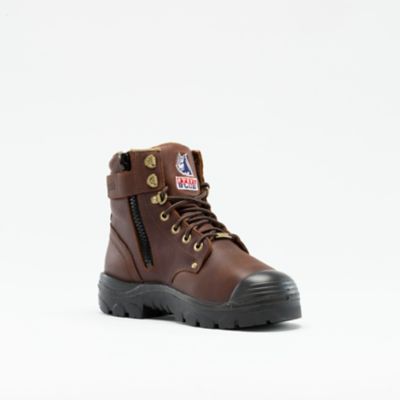
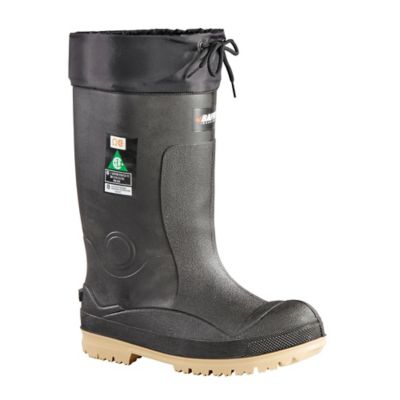
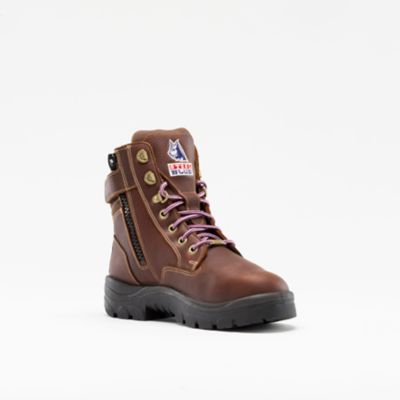
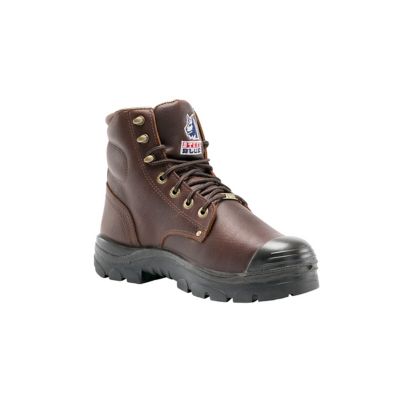
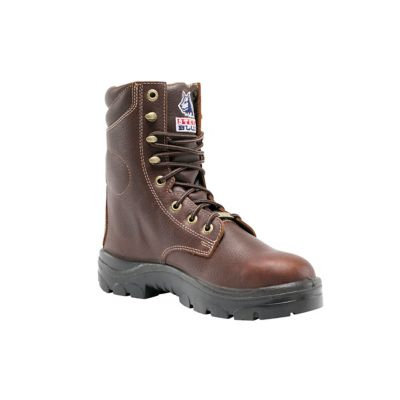
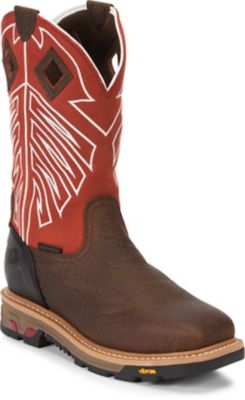
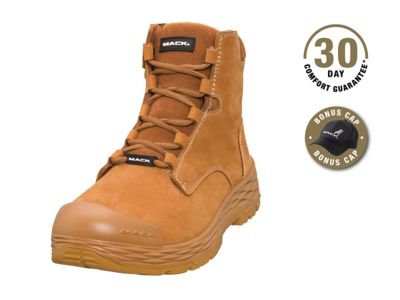
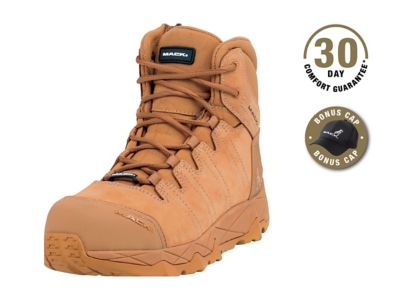
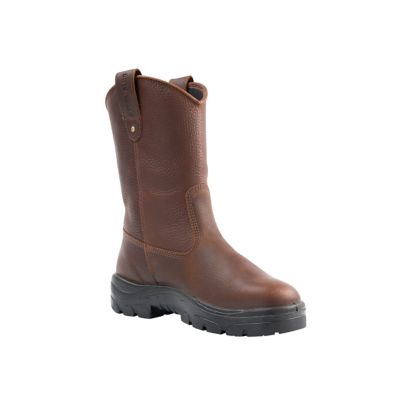
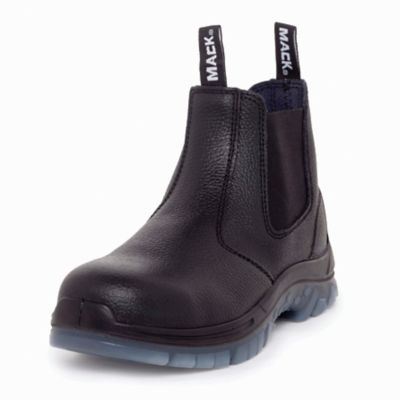
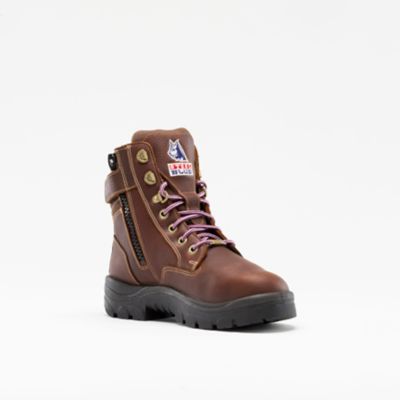
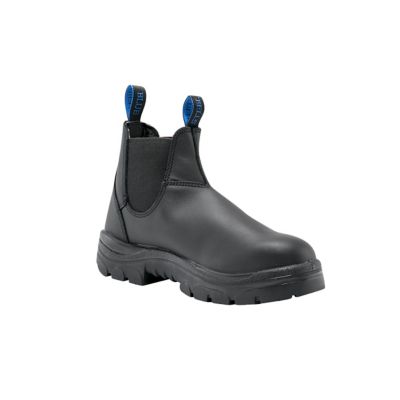
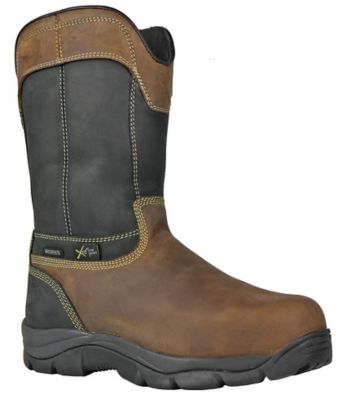
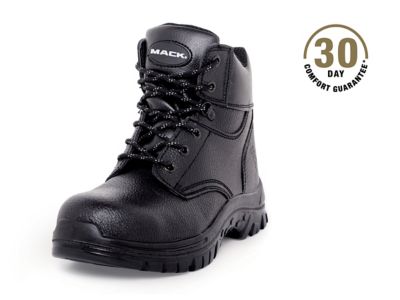
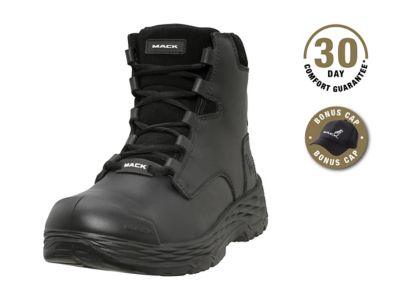
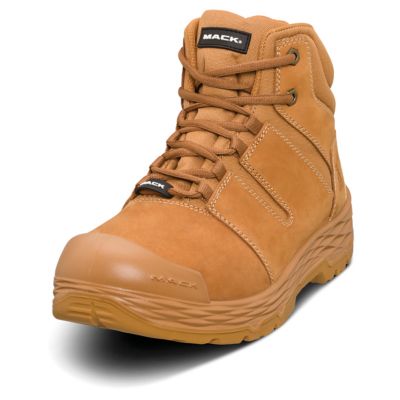
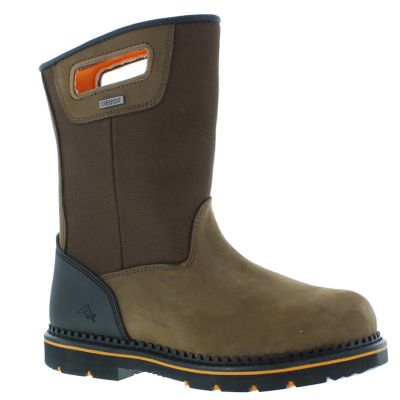
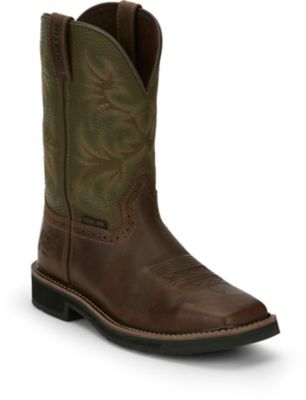
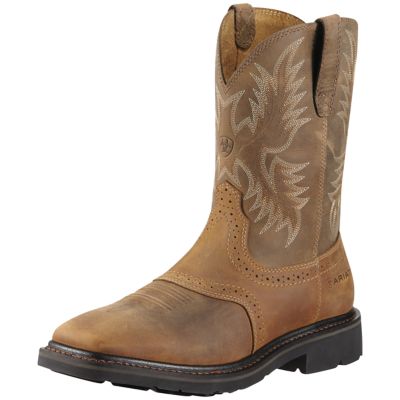
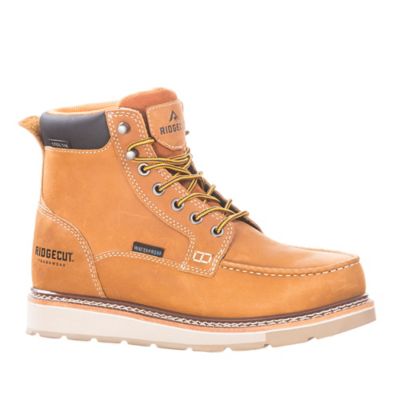
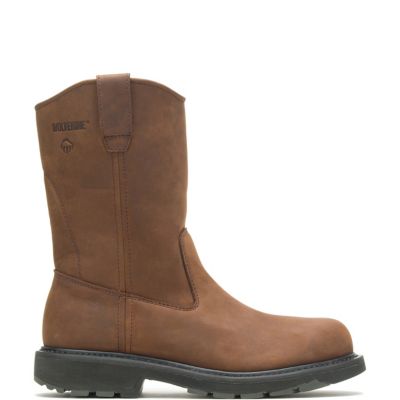
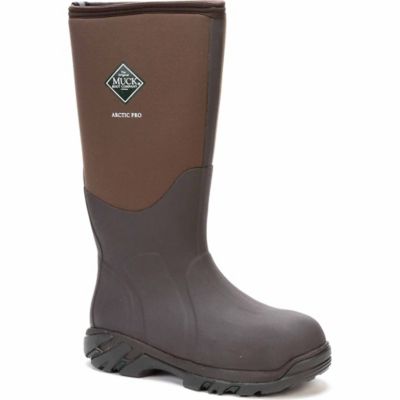
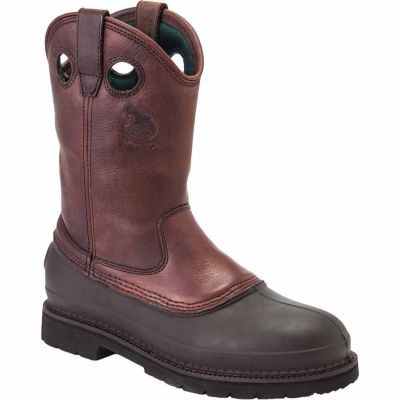
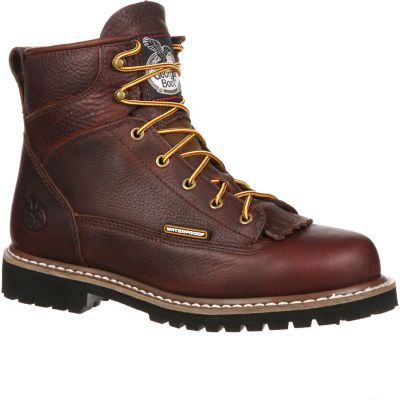
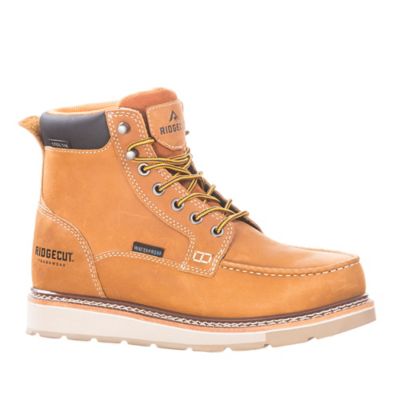
Heat proof boots are built for work around hot surfaces, sparks, slag and other high-temperature conditions where an ordinary work boot may wear out faster or leave your feet less protected. They may be used by welders, metalworkers, foundry crews, asphalt and paving workers, mechanics, utility crews, concrete workers and anyone spending long hours on demanding job sites. In practical terms, “heat proof” usually means a boot has features intended to resist heat rather than making the entire boot immune to every extreme temperature. Look for an HRO-rated rubber outsole when contact with hot flooring, pavement or metal is part of the job. HRO soles are commonly tested for brief contact with temperatures up to 572°F or 300°C, but the rating does not mean a worker can stand indefinitely on a hot surface. Always check the manufacturer’s specifications for contact time, temperature limits and the type of work the boot is designed to handle. Heat-resistant leather, reinforced construction and durable stitching can help a boot hold up around sparks and radiant heat, while a well-made welt or other strong sole attachment helps keep the boot together through long days of walking, climbing and standing. A safety toe may also be important where dropped tools, stock, pipe or equipment are a concern. Steel toes offer dependable impact protection, while alloy and composite toes can provide protection with different weight, fit and temperature characteristics. For jobs involving falling objects or rolling equipment, match the toe rating to the requirements of the workplace rather than choosing by appearance alone.
The right heat proof boots depend on the surface underfoot and the hazards around it. A paving crew working over fresh asphalt may need a heat-resistant outsole with a tread pattern that gives steady footing without collecting sticky material. A welder may place more value on leather that covers the ankle and lower leg, protected laces or closures, and stitching made to better withstand sparks and hot metal. Foundry and heavy industrial work can call for additional coverage, metatarsal protection or a more substantial build, especially where molten material, sharp debris and heavy loads are present. For general farm, ranch and shop work, comfort and dependable traction may matter just as much as heat resistance. A boot that fits properly helps reduce rubbing and fatigue when the day includes walking across gravel, climbing into equipment, stepping over gates or standing on concrete for hours. Check the toe box for enough room to move your toes without letting your heel slide, and pay attention to arch support, cushioning and boot height. Pull-on styles can be handy when you need to get ready quickly or do not want laces exposed to sparks, while lace-up boots allow more adjustment around the instep and ankle. A gusseted tongue, secure closure and smooth interior can help keep out dust, grit and small bits of debris. Traction should suit the work area, too. Deep outdoor lugs are useful on loose soil and uneven ground, while a flatter, non-clogging pattern may feel more stable on shop floors, pavement and industrial surfaces. No boot replaces safe work practices: avoid walking through burning material, follow site rules, and use the complete protective equipment required for the task. Let boots dry naturally after a wet or sweaty shift, brush away grit, and use care products recommended for the leather or other upper material to help extend their working life. If oil, fuel or greasy equipment is part of the job, compare heat protection with an oil-resistant option such as
Oil Resistant Steel Toe Boots so the outsole matches the surfaces you face most often.
Heat proof work boots can also make a thoughtful gift for a welder, farmer, ranch hand, equipment operator or handy family member who puts in long hours on their feet. They are especially useful when a worn pair has begun to lose tread, split around the welt or let in moisture, though sizing and workplace requirements should be confirmed before buying. When giving boots as a gift, pay attention to the recipient’s usual size, preferred height, toe protection and whether they favor a pull-on or lace-up fit. Some workers need room for thicker work socks during cooler weather, while others prefer a closer fit for warm days and indoor shop work. Consider the full environment, including hot pavement, wood stoves, welding areas, barns, gravel lots and metal floors, instead of focusing only on the word “heat.” A durable pair should feel secure at the heel, flex where the foot naturally bends and provide steady footing without feeling excessively heavy. During the warmer stretch of the year, heat-resistant boots can help on paving and outdoor work sites; as cooler weather arrives, the same sturdy construction can be useful in shops, barns, garages and industrial settings where hot equipment and rough flooring remain part of the daily routine. Browse the available heat proof boots with the job, surface and safety requirements in mind, then choose the combination of heat-resistant outsole, protective upper, toe safety, traction and comfort that fits the workday ahead.