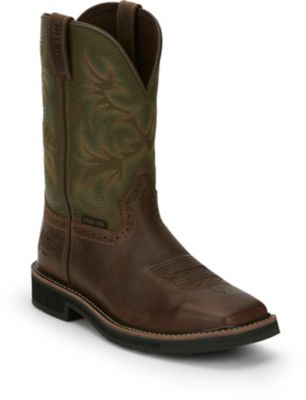
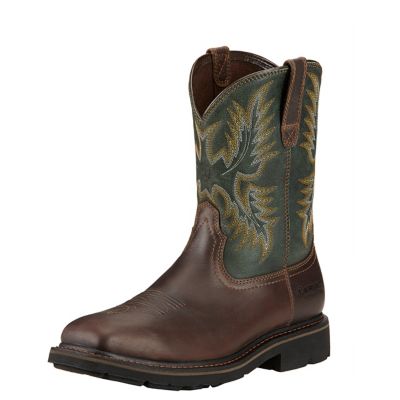
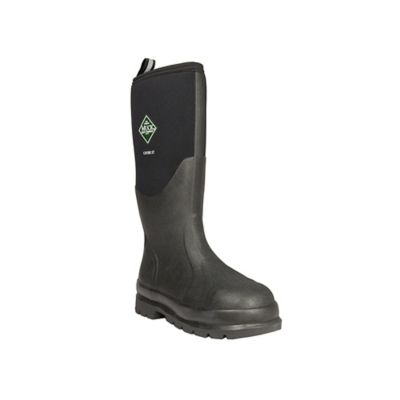
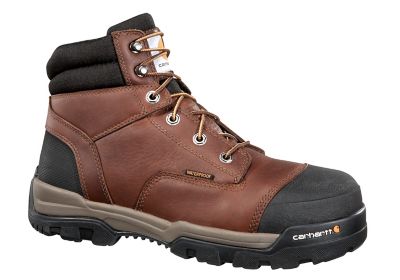
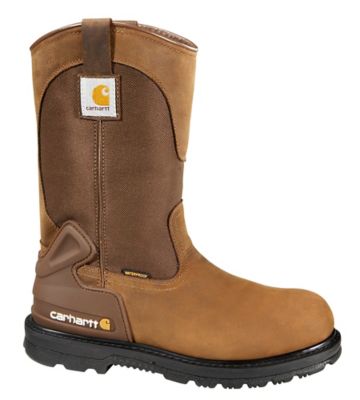
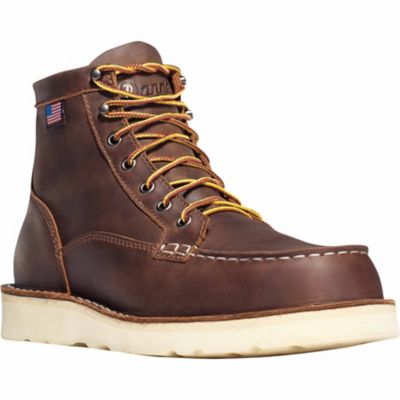
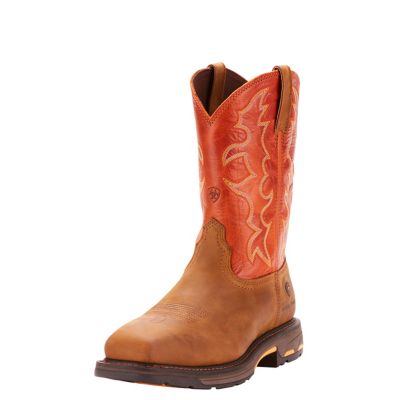
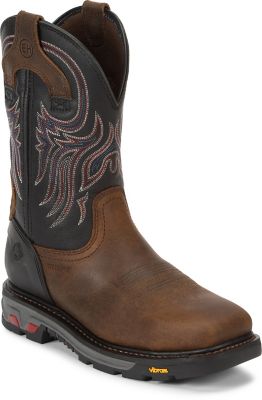
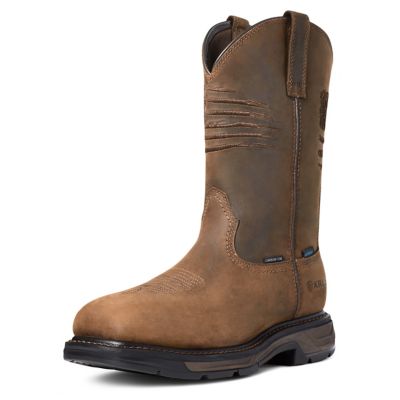
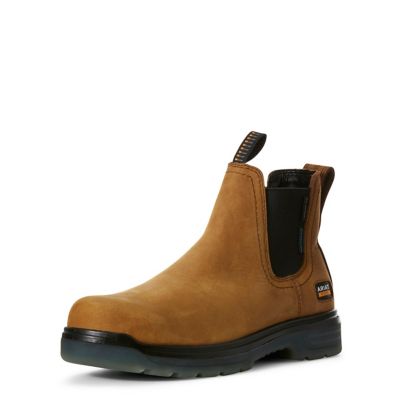
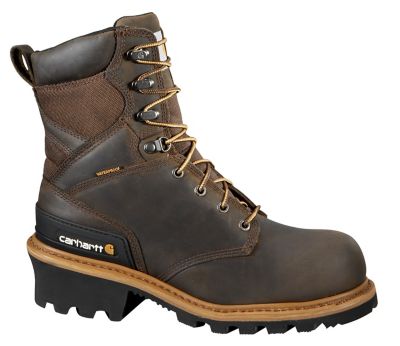
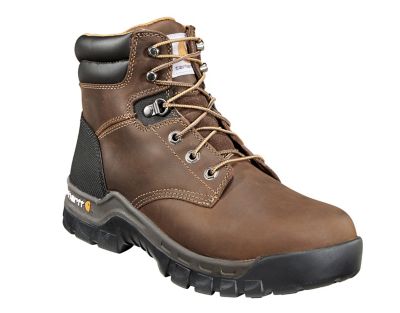
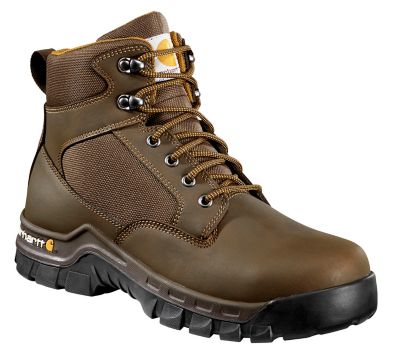
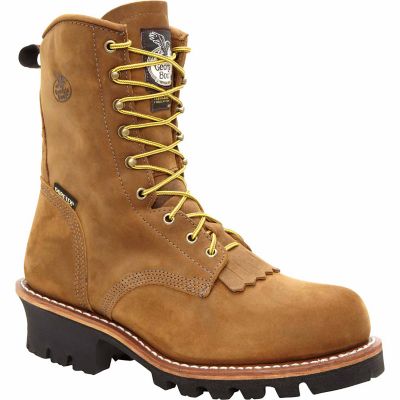
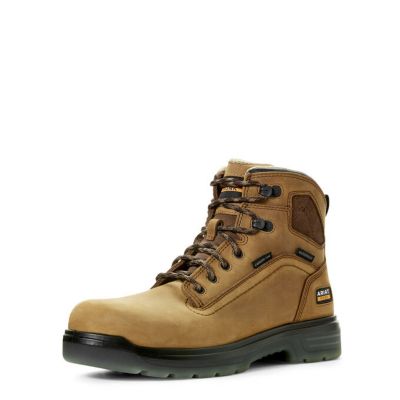
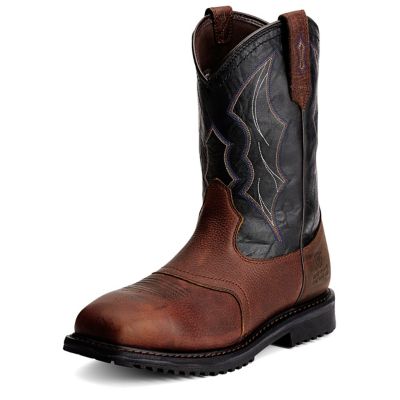
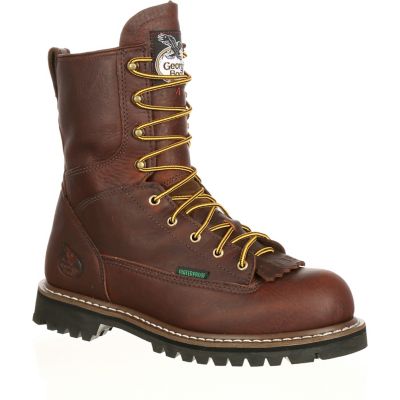
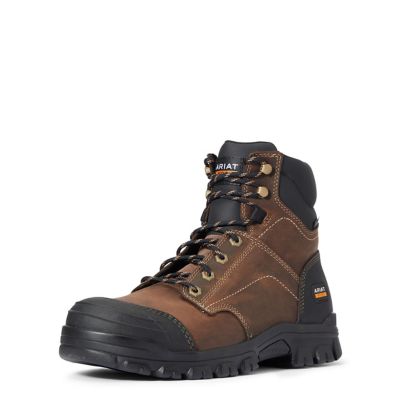
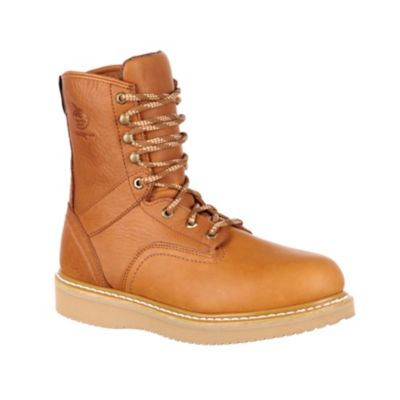
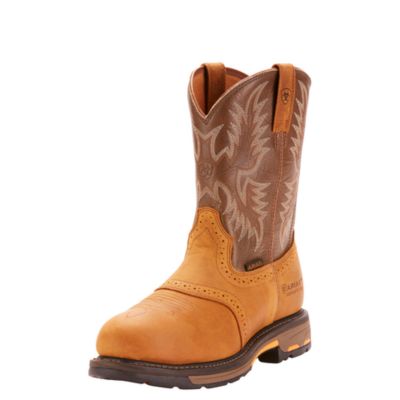
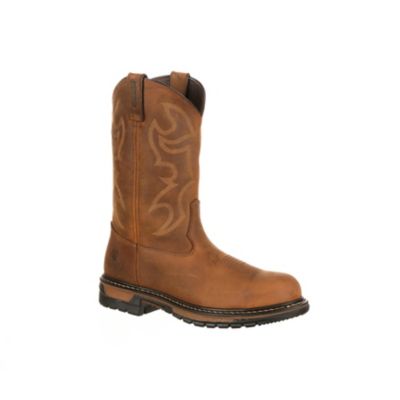
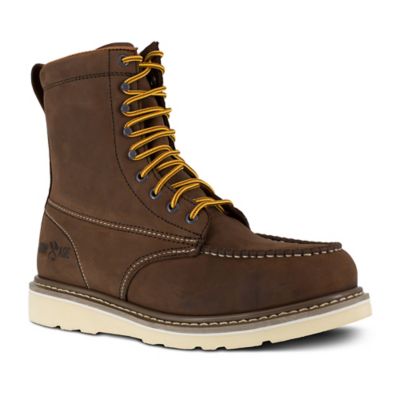
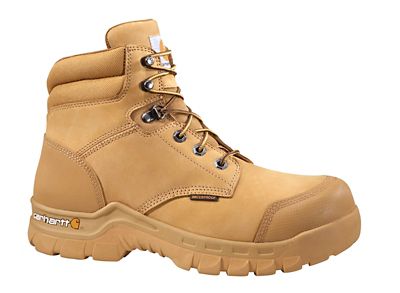
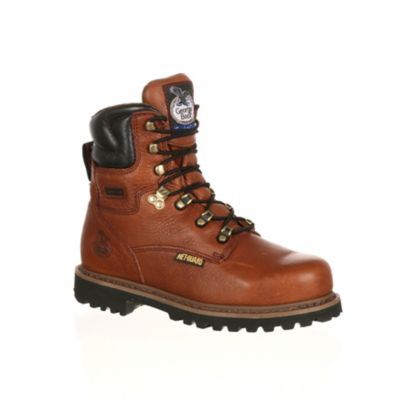
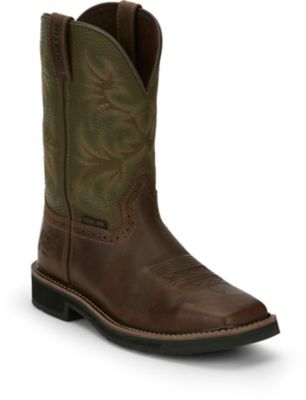
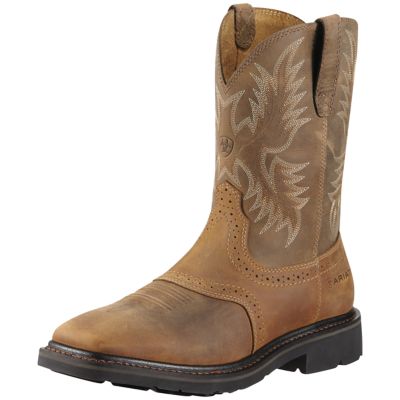
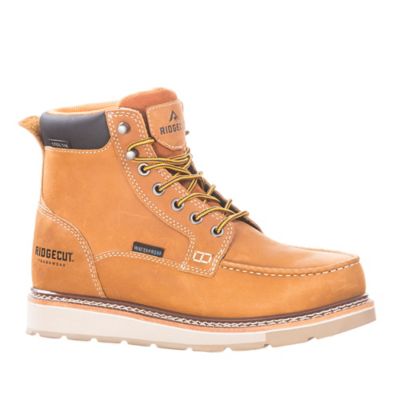
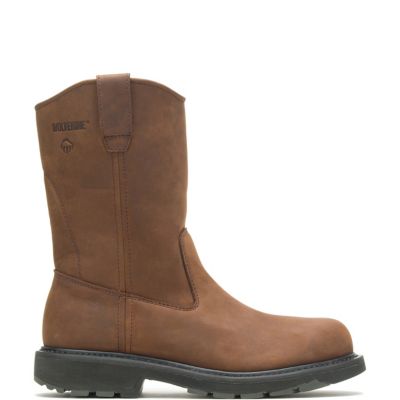
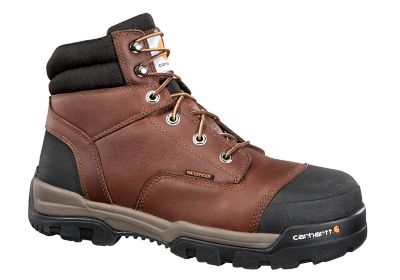
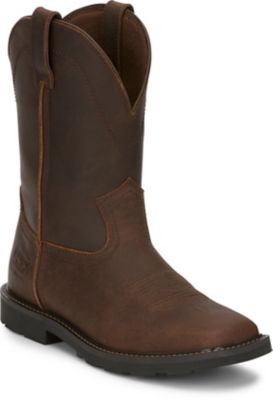
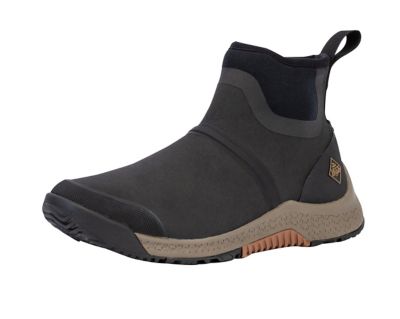
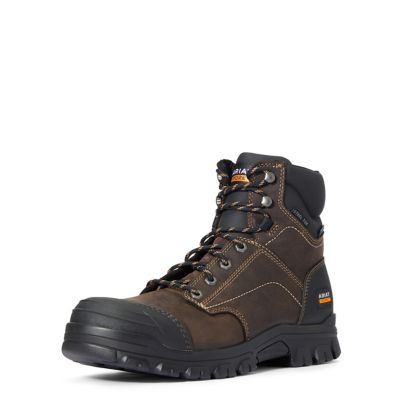
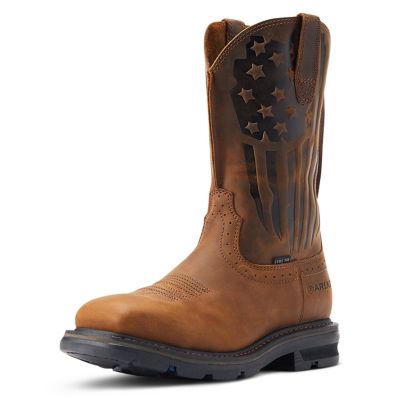
Hard toe boots bring reinforced toe protection to work that puts heavy tools, building materials and equipment close to your feet. Often called safety toe boots, they have a protective cap built into the front of the boot to help guard against impact and compression hazards. That extra protection matters when you're unloading fence posts, moving lumber through a shop or handling parts around farm machinery. Steel, composite and alloy toe caps are common options, but the material alone doesn't tell the whole protection story. For jobs that require safety footwear, the boot's marked safety rating and your employer's requirements matter more than how hefty the toe feels. Footwear meeting applicable ASTM F2413 requirements is tested for specific protective features, including toe impact and compression resistance. Steel toe boots have a metal cap, while composite toe boots typically have caps made from materials such as fiberglass or carbon fiber. Alloy toe boots use metals such as aluminum or titanium and may weigh less than comparable steel toe styles. Composite caps transfer less heat and cold than metal caps, though the lining, insulation, socks and overall construction also affect comfort. No toe material is automatically the best choice for every job, and a reinforced toe doesn't protect the entire foot. Work involving hazards above the toes may call for metatarsal protection, while sharp debris underfoot may call for a puncture-resistant sole. These are separate features worth checking in the boot's specifications. Electrical hazard protection is another separate rating, not something to assume from a nonmetallic toe cap. EH-rated footwear provides secondary protection against accidental electrical contact under specified dry conditions; it doesn't replace proper electrical safety practices. For farmhands, warehouse crews, mechanics and construction workers, hard toe work boots make the most sense when their tested protection matches the actual work. A barn aisle, concrete shop floor and active building site can each present different hazards, even when the same person moves between all three during a day's chores.
The rest of a hard toe boot has just as much influence on how it feels from the first gate check to the last load off the trailer. Leather uppers offer a substantial feel and can soften with wear, while textile panels and synthetic materials may help reduce weight or improve airflow. Reinforced stitching, sturdy lace hardware and added material over high-wear areas can help boots stand up to repeated bending and rubbing. Around feed rooms, workshops and gravel drives, the outsole deserves close attention. Deep tread can help gain traction on loose ground, but widely spaced lugs may shed packed mud more readily than tight tread patterns. Shallower tread can be easier to clean before stepping into a truck or walking across a finished floor. Slip-resistant soles can help on certain surfaces, but no outsole makes wet concrete, oily floors or ice risk-free. Oil resistance describes how a material withstands oil exposure and isn't the same as slip resistance. Underfoot, cushioning helps soften long hours on hard ground, while a supportive midsole and shank can make a difference when carrying loads or standing on uneven terrain. Lace-up work boots let you adjust the hold across the instep and around the ankle; pull-on styles offer fewer fastenings to deal with when heading out the door. A taller shaft adds coverage against brush and splashes, though height alone doesn't make a boot waterproof. Waterproof construction may combine treated uppers, sealed seams and an internal membrane to help keep water out below the boot's opening. Water-resistant leather can handle lighter exposure, but it isn't a substitute for waterproof construction in sustained wet conditions. For a broader toe shape paired with wet-weather features,
Square Toe Waterproof Boots offer another style to consider alongside the required safety ratings. A square outline describes the shape, not the protective cap inside, so waterproofing and safety toe protection still need to be checked separately. During the cooler months, insulation can help on outdoor shifts, while a lighter lining may feel better when the day includes heated buildings and steady physical work.
Fit is where the details become personal, especially when a boot has a toe cap that won't stretch the way its leather upper might. Your toes need room to move without hitting the front or pressing against the top and sides of the cap. A boot that pinches across the forefoot isn't likely to become comfortable simply through break-in. At the same time, excess room can let your foot slide forward on slopes or shift while you're carrying something heavy. Trying boots with the socks you'll wear for work gives a better sense of fit, particularly if thicker socks are part of your cold-weather routine. Feet can swell over the course of a day, so a fit check later in the day can reveal pressure points that aren't noticeable first thing in the morning. Walking, bending and stepping onto a low platform can help show whether the heel stays comfortably seated and the boot flexes where your foot bends. Removable footbeds can make room for compatible replacement insoles, but any insert changes the space inside the boot, including clearance beneath the safety toe. Boot weight matters, too: a pair that feels fine standing still may feel different after repeated trips between a barn and an equipment shed. Keeping hard toe boots in working shape starts with knocking off mud and brushing away grit before it settles into seams and creases. Follow the manufacturer's care directions for the upper material, waterproof membrane and any protective treatments. Leather may benefit from an appropriate conditioner, while some finishes and fabrics need different care. Let wet boots dry with airflow away from direct heat, which can damage leather, adhesives and other components. Check laces, stitching, tread and the lining around the toe area as part of regular upkeep. Worn tread, separating soles or a damaged protective cap can mean it's time for replacement, and a significant impact calls for assessment even when the outside still looks intact. With the right fit, task-matched protection and routine care, hard toe boots can support long days of lifting, hauling and keeping the place running.