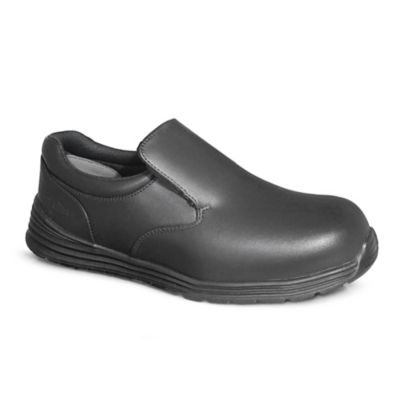
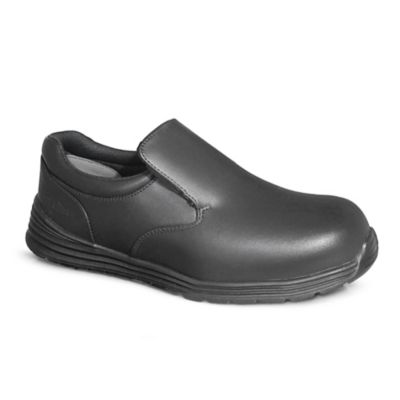
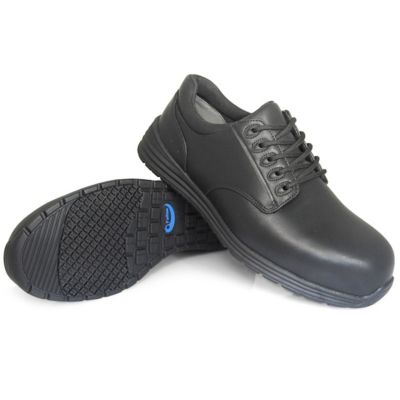
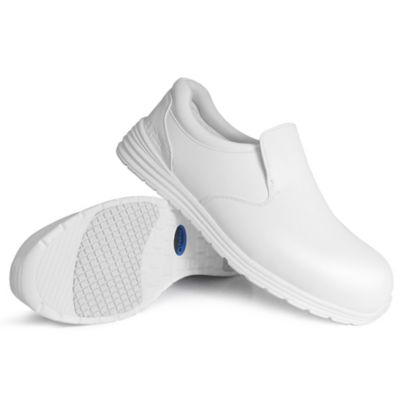
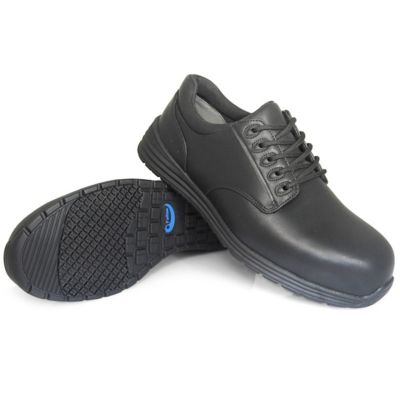
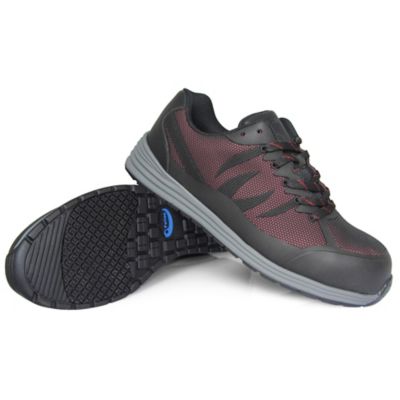
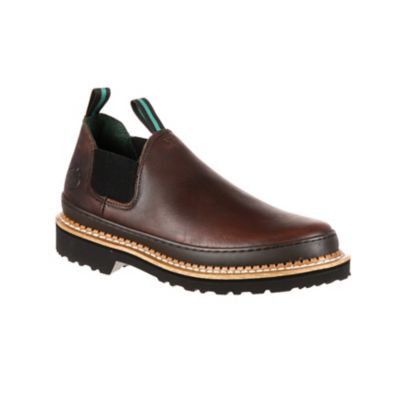
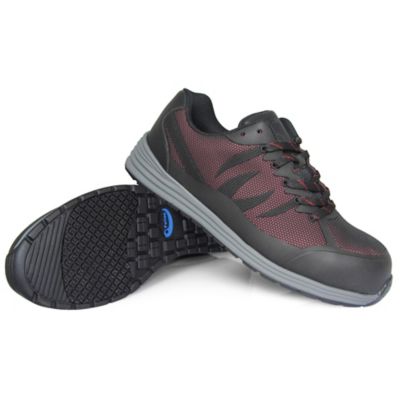
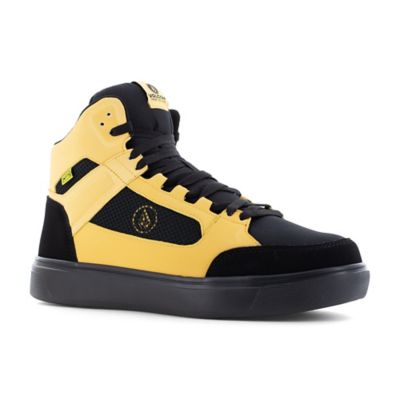
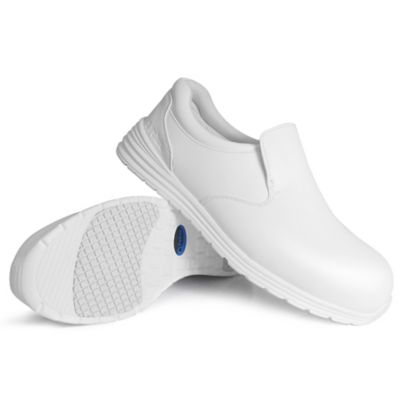
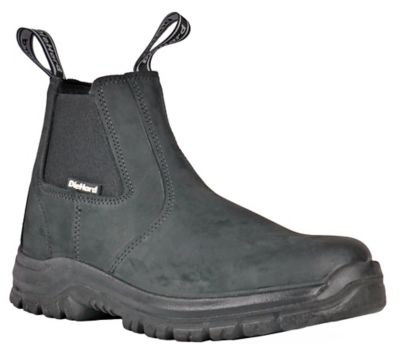
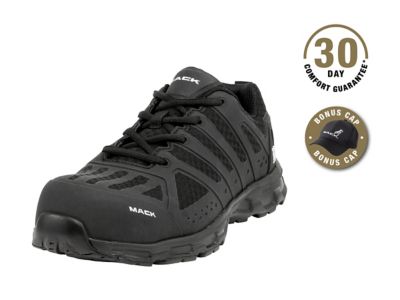
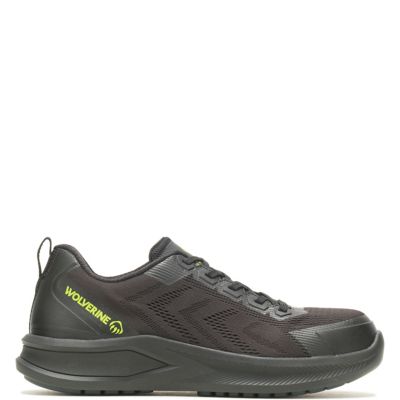
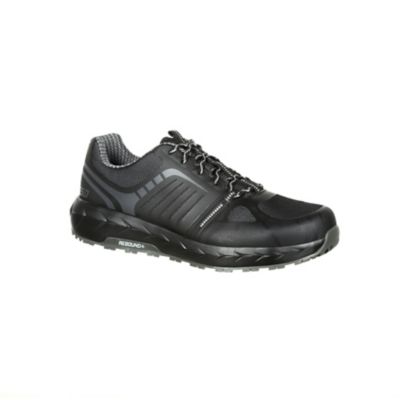
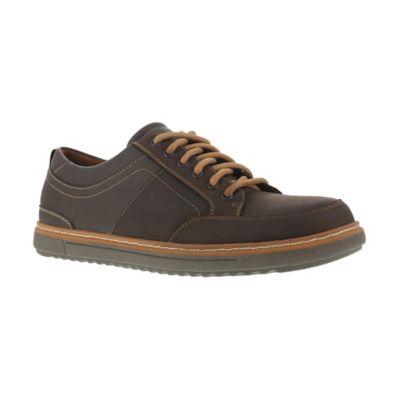
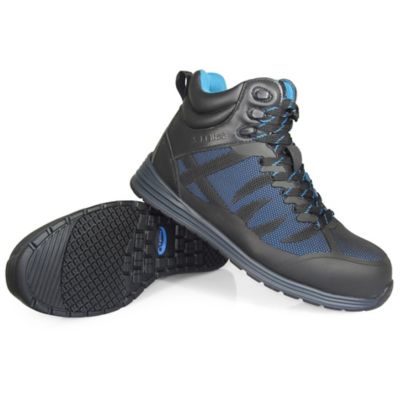
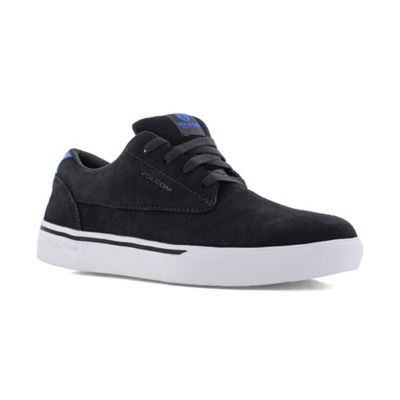
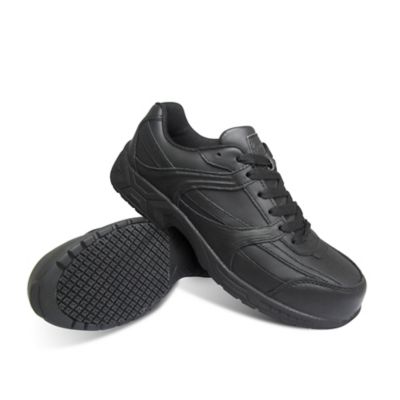
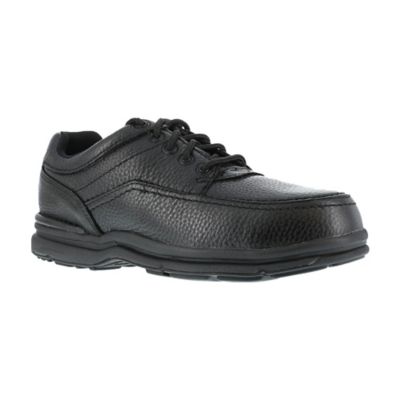
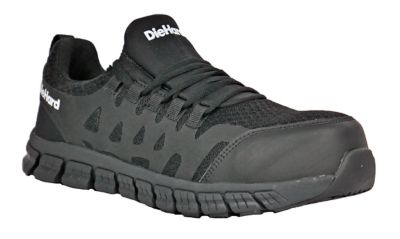
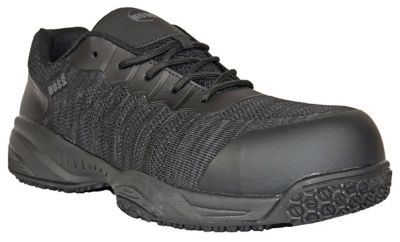
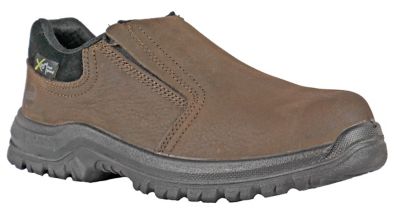
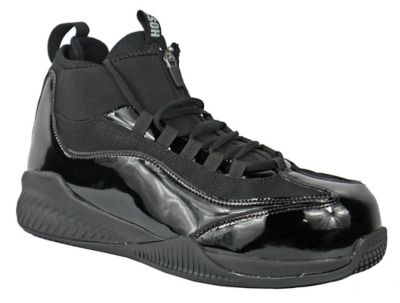
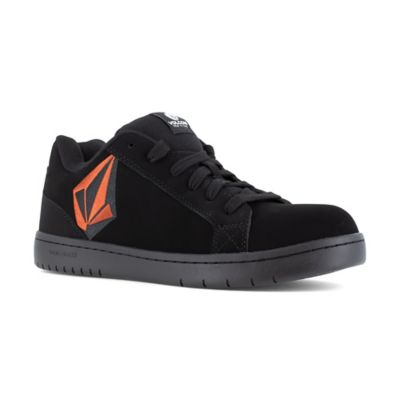
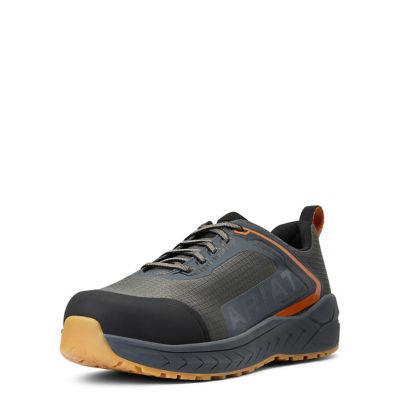
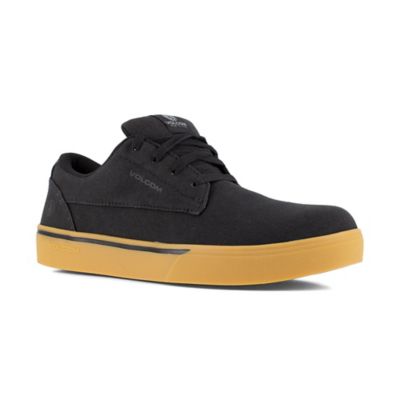
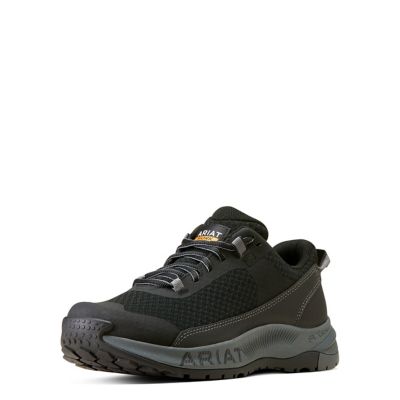
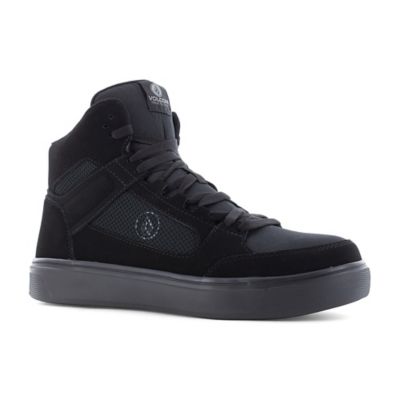
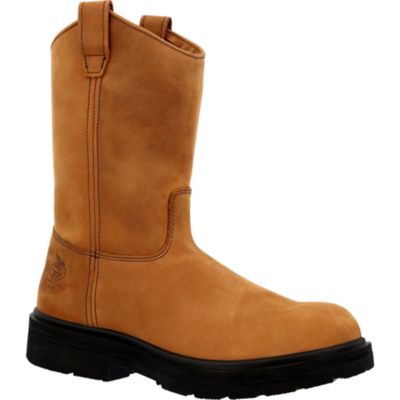
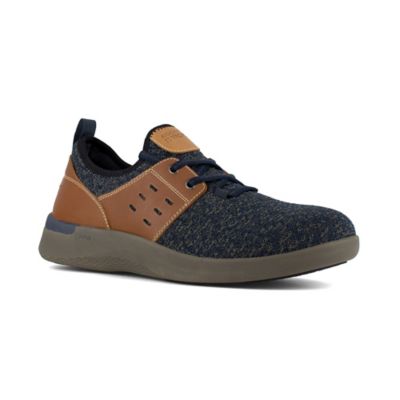
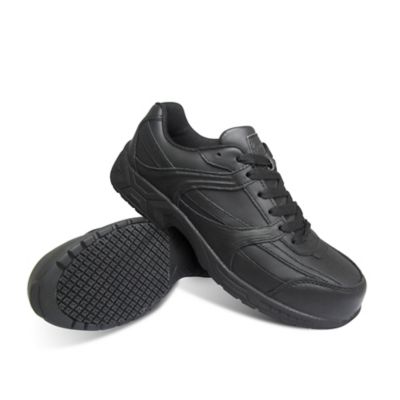
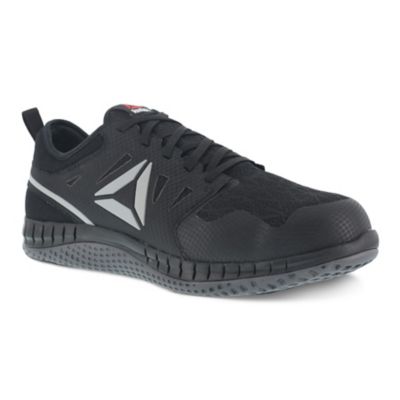
Protective shoes help keep your feet ready for the hard, hands-on work that fills a day on the farm, job site, shop floor, warehouse, or around the house. They’re made to add another layer of defense against common hazards, including falling or rolling objects, sharp debris, wet floors, and certain electrical risks. The right pair can be useful for a contractor walking across a busy construction site, a warehouse worker moving boxes for hours, a mechanic working around tools and equipment, or a homesteader repairing fences and tending livestock. They can also make a thoughtful gift for someone who spends more time in work boots than dress shoes, especially when a dependable pair is needed for a new job, a farm project, or a season of long days outdoors. When comparing protective footwear, start with the hazards a person faces most often. Steel toes offer sturdy protection against impact and compression, while composite toes can provide similar protection with a lighter feel and without conducting cold as quickly in chilly conditions. Neither option is automatically best for every job, so check the workplace requirements and the footwear’s safety markings before buying. ASTM F2413 is a commonly referenced safety standard for protective toe footwear, with testing for impact and compression resistance; additional markings may identify protection for electrical hazards, puncture resistance, or other workplace needs. If nails, screws, broken glass, scrap metal, or rough construction debris may be underfoot, look for puncture-resistant construction designed to help stop sharp objects from reaching the sole of the foot. On slick concrete, muddy ground, or floors exposed to water, oil, or other spills, a slip-resistant outsole may help provide steadier footing. Keep in mind that slip resistance depends on the surface, tread condition, and the material involved, so even safety footwear needs to be used with care. Protective shoes are not a replacement for paying attention to changing ground conditions, cleaning up spills, or following job-site safety rules, but a properly chosen pair can help reduce everyday risks while supporting comfort through a full shift. For more options suited to daily tasks and long hours on your feet, browse
Work Shoes as you compare styles for the job ahead.
Fit matters just as much as the safety features. Feet often swell a little after hours of walking, lifting, climbing, or standing, so try footwear on later in the day while wearing the socks that will normally be used for work. Leave enough room for the toes to move without letting the heel slide, and make sure the protective toe area does not press against the tops or sides of the toes. A snug, secure fit helps reduce rubbing and tired feet, while a loose fit can lead to blisters and poor footing. Look for cushioning and supportive insoles when the day involves concrete floors or repeated trips across a large property. Flexible uppers can make kneeling, climbing, and driving more comfortable, while sturdy stitching and reinforced areas may hold up better around equipment, gates, pallets, and rough materials. Waterproof or water-resistant construction can be helpful during damp chores, early-morning dew, muddy work, and changing weather, though breathability becomes more important as the weather warms. During the cooler months, insulation and moisture-wicking socks may help keep feet warmer without creating a damp interior. Protective shoes come in different heights and shapes, so consider whether ankle coverage is useful for uneven ground, brush, loose gravel, or work that calls for extra stability. A low-cut safety shoe may feel convenient for indoor warehouse or shop work, while a taller boot may be better suited to outdoor chores and changing terrain. Electrical hazard-rated footwear is intended to provide a secondary source of protection against contact with energized electrical circuits under specific dry conditions, but it does not make electrical work safe and should never replace proper training, lockout procedures, or other required protective equipment. Likewise, safety toe footwear protects the toe area but does not necessarily protect the whole foot from every hazard. Read the manufacturer’s labels and care instructions, confirm the footwear meets the requirements of the job, and replace it when the sole is badly worn, the toe area is damaged, or the protective features no longer appear sound. Give new footwear time to break in before wearing it for a long shift, keep the interior dry, and brush away dirt or manure so the materials can last. With the right balance of protection, fit, traction, and comfort, protective shoes can help a hardworking person finish the day with steadier steps and fewer sore spots.