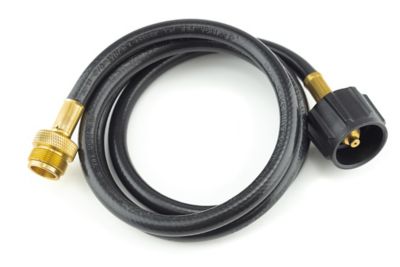
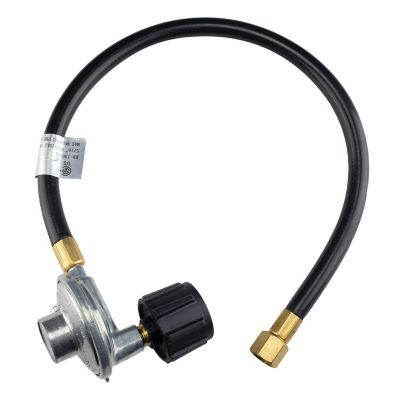
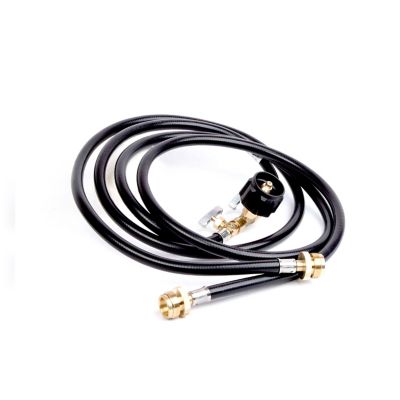
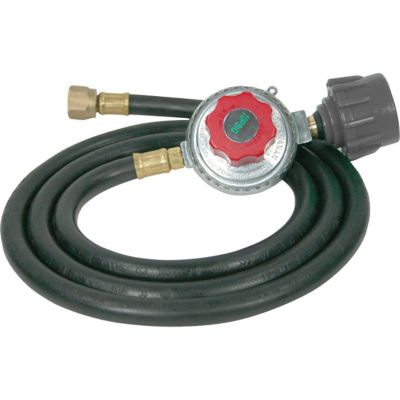
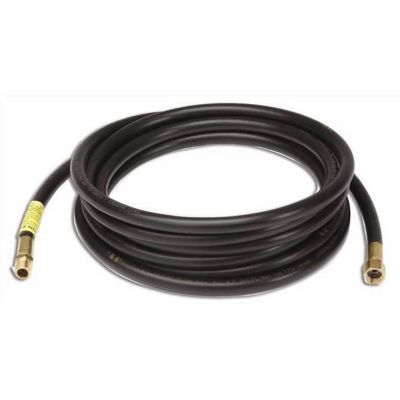
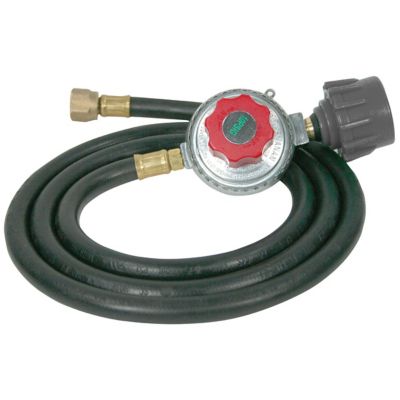
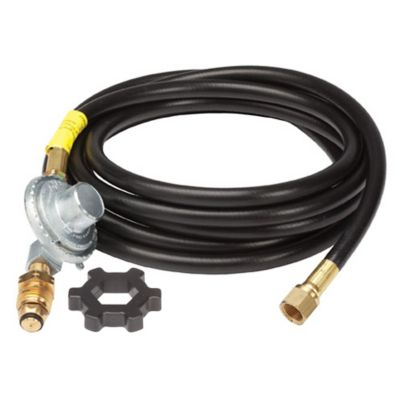
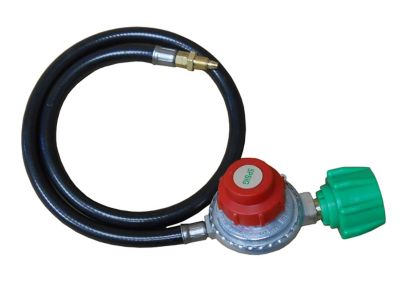
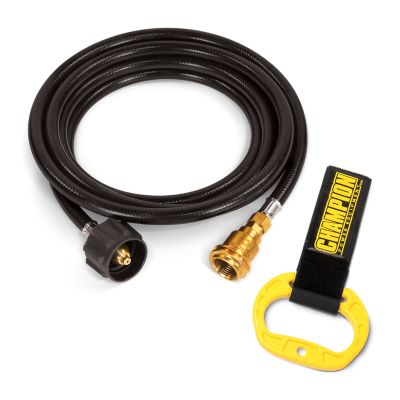
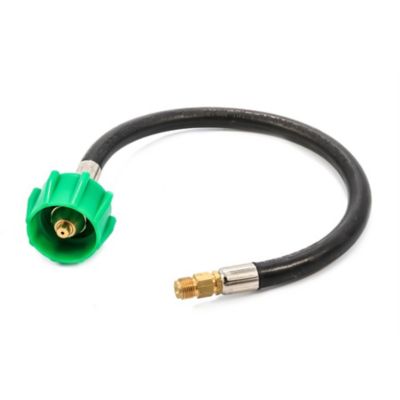
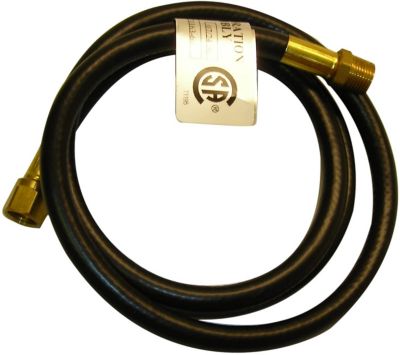
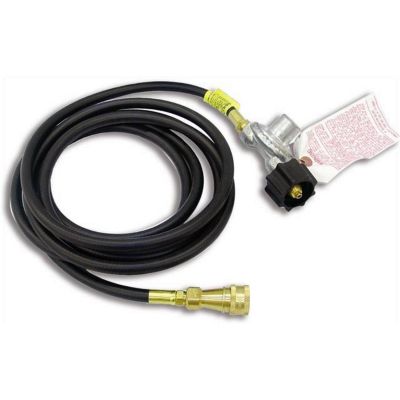
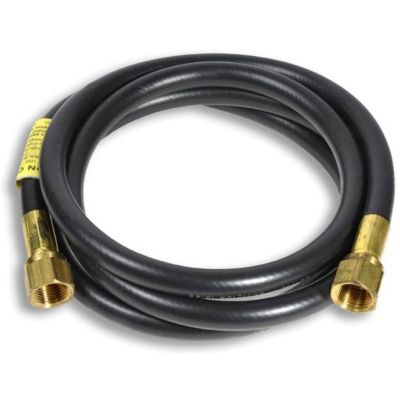
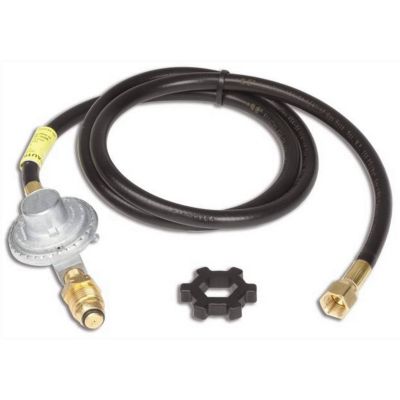
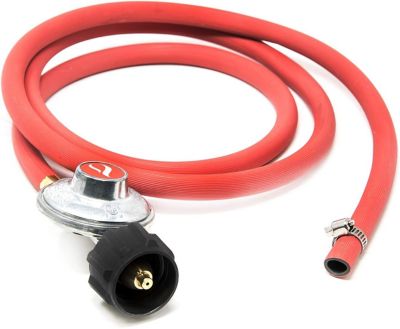
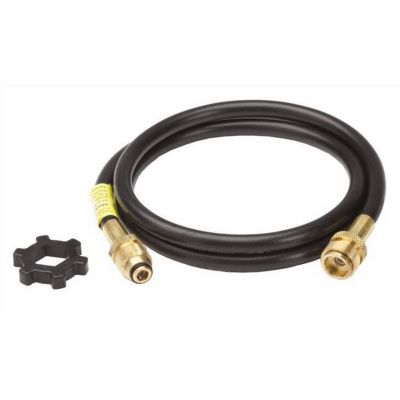
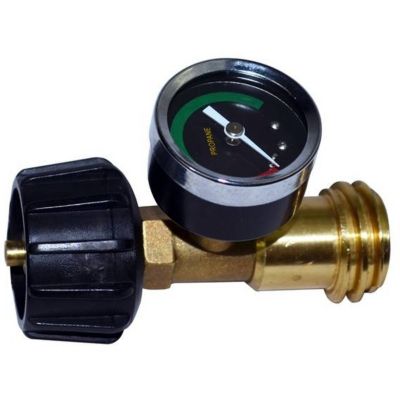
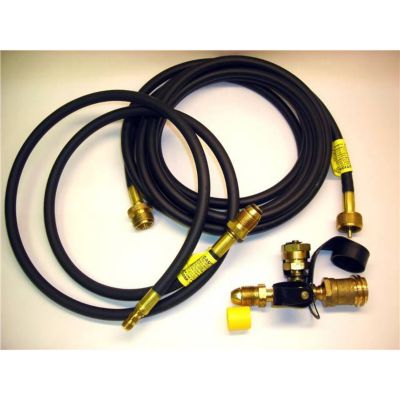
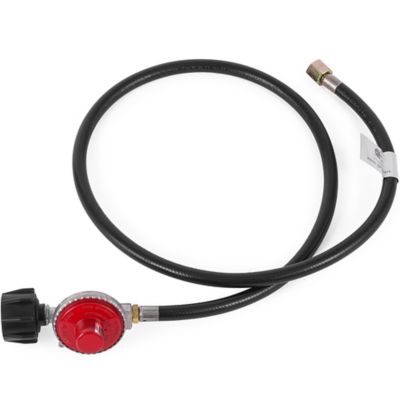
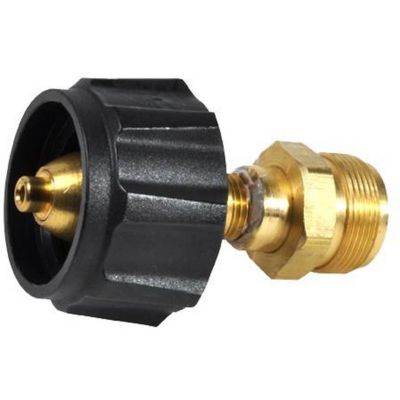
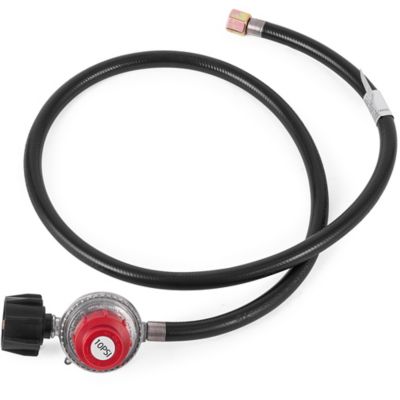
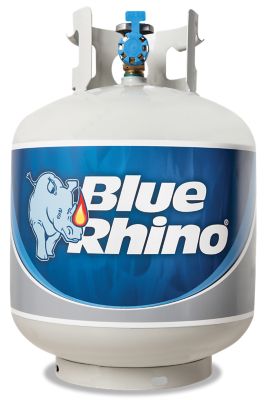
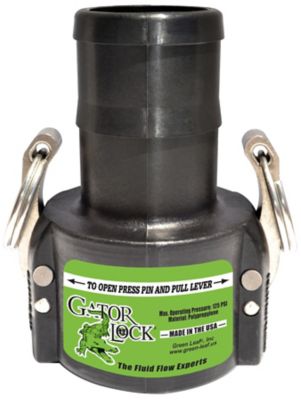
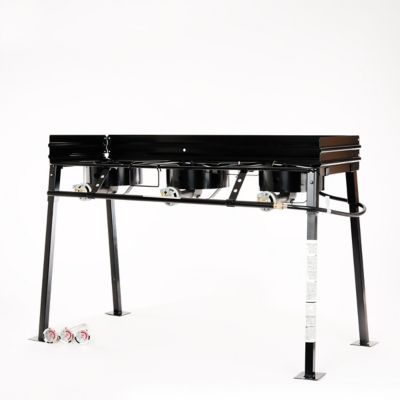
Propane tank hoses help connect portable propane tanks to the appliances that make outdoor work and downtime more comfortable. They are commonly used with grills, tabletop cookers, patio heaters, fire pits, camping stoves, turkey fryers, construction heaters and other equipment designed for propane fuel. The right hose depends on the tank, the appliance connection and the pressure the appliance needs, so it pays to check the owner’s manual or the fitting information before adding an item to your cart. Some adapter hoses connect a small portable appliance to a larger refillable tank, such as using a 1 lb appliance with a 5 lb, 20 lb or larger cylinder. Other propane hoses include a regulator for appliances that need fuel pressure reduced or controlled before the gas reaches the burner. A hose made for a low-pressure grill setup should not be substituted for a high-pressure connection, and a hose intended for one fitting style may not connect safely to another. If you are outfitting a camper, barn kitchen, hunting blind or backyard cooking area, compare the tank connection, appliance connection and required pressure together rather than choosing by length alone. For more hose options used around the farm, home and shop, explore
Supply Hoses.
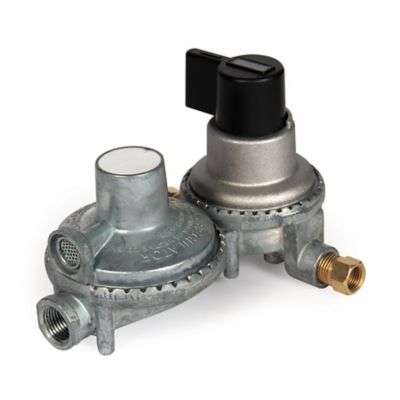
Length is another important part of choosing propane tank hoses. A short hose can keep a tank close to a grill or heater, while a longer hose may give you room to place the cylinder away from foot traffic, hot surfaces, sparks and the edge of a busy work area. Measure the distance with a little room for a natural curve, but avoid buying so much extra hose that it loops across a walkway or rests where it can be pinched, dragged or driven over. Look for connections that match your tank valve and appliance inlet, and check whether a regulator, adapter or excess-flow feature is already part of the setup. A replacement hose for a standard QCC1-style tank connection may be suitable for many grills, fire pits and portable heaters, while an RV or travel trailer with mounted tanks may use a pigtail hose that connects the cylinder to an automatic changeover regulator. Those pigtails are sized for the vehicle’s propane system and are not a general substitute for appliance hoses. Campers, tailgaters, homesteaders, livestock owners and anyone who spends cool evenings outside can all find practical use for the right connection. A propane hose can also make a thoughtful gift for someone setting up a new camper, updating an outdoor cooking station or getting a fire pit ready for the cooler months. Before buying for someone else, confirm the appliance model, tank size and connection type so the gift fits the setup waiting at home.
Treat propane tank hoses as working fuel-line equipment, not ordinary garden hose. Before each use, inspect the hose for cracking, cuts, flattened areas, worn spots, soft sections or damage around the fittings. Keep it away from sharp edges, standing water, direct contact with hot burners and places where animals may chew it. Make connections with the tank valve closed, tighten them according to the appliance or hose instructions, and never force a fitting that does not line up easily. After turning the gas on, apply a small amount of soapy water to each connection and watch for growing bubbles. Bubbles indicate a leak; shut off the tank, allow the gas to clear, and correct the connection or replace the damaged part before using the appliance. Never use a flame to check for leaks, and never operate propane equipment in an enclosed area unless it is specifically designed and approved for that use. During the transition from warmer days to colder weather, hoses may be moved more often as heaters, cookers and outdoor appliances come in and out of storage, so take a moment to coil them loosely and store them in a clean, dry place away from sunlight and chemicals. Keeping the pressure rating, fitting style, length and condition in mind makes it easier to find a dependable propane tank hose for everyday cooking, seasonal heating, camping trips and chores around the place.