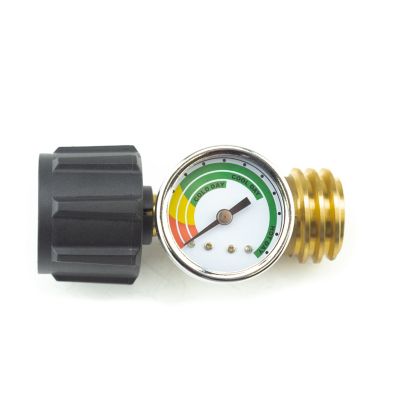
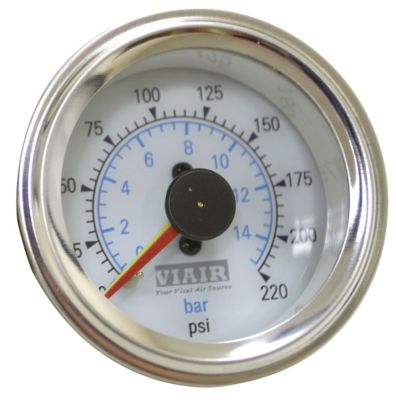
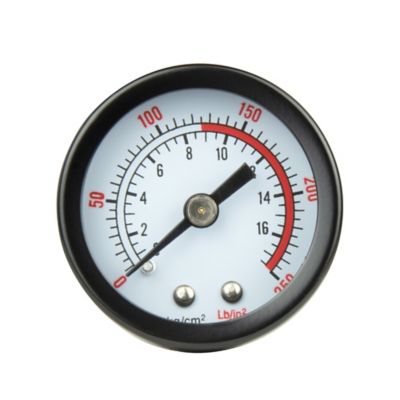
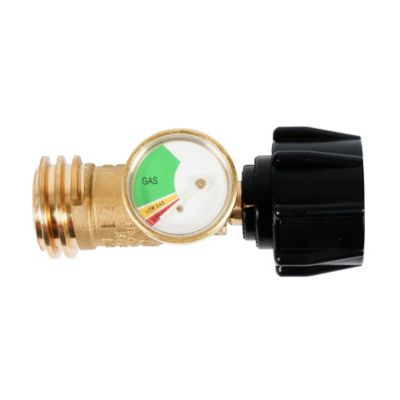
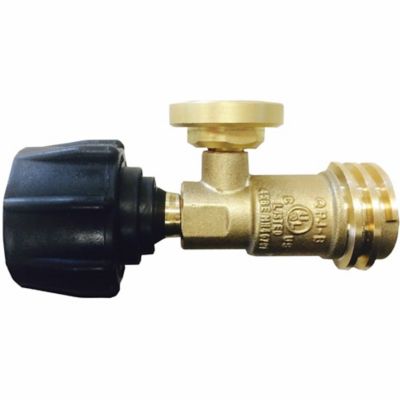
Gauges for propane tanks help keep tabs on the fuel supply for a grill, an RV setup, or other propane-powered equipment. An inline propane tank gauge connects between a compatible tank valve and the appliance hose or regulator, giving a pressure-based indication that can help flag a dwindling supply before a cookout gets cut short. That makes a gauge handy around the back porch, at camp, or wherever a portable cylinder supplies an approved appliance. Not every gauge measures fuel the same way, though, and that difference matters more than the size of the dial. Many add-on gauges measure pressure rather than the actual amount of liquid propane inside the cylinder. Because propane pressure depends on temperature and operating conditions, a pressure gauge cannot tell you exactly how many pounds or gallons remain. A needle in a marked zone is a general reference, not a promise of a full tank or a set number of cooking hours. Float-operated gauges work differently: a mechanism inside a compatible tank follows the liquid level, and the dial generally shows an approximate percentage of tank capacity. Those systems are often associated with larger stationary tanks and are not interchangeable with screw-on cylinder gauges. Some tank-level monitors provide a reading at the tank, while others send information to a separate display or compatible device. The sensing method, tank requirements, and power source determine whether a monitor fits a particular setup. For a household that fires up the grill a few times between refills, a straightforward dial may be all that is needed. For an RV owner keeping track of more than one cylinder, visibility and access may matter just as much as the reading itself. The most useful gauge is one that matches the tank and appliance arrangement, offers an understandable display, and makes routine fuel checks easier without suggesting more precision than its design can deliver.
The valve connection on your
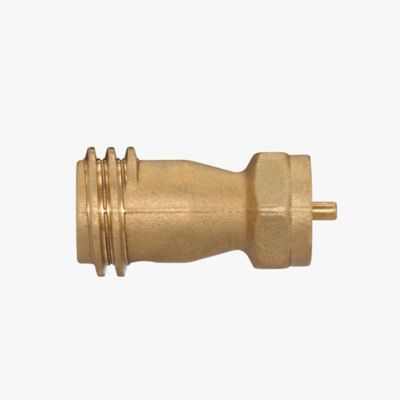
propane tanks is the starting point for fit, not just the tank’s capacity. Many portable cylinders have a Type 1, also called QCC1, connection with external threads, while other propane setups call for a POL connection or a different fitting. Tank size alone does not establish compatibility, and a similar-looking connector is not enough to confirm a match. The gauge must be rated for LP gas, the operating pressure at its installation point, and the exact valve, hose, and regulator arrangement. An inline gauge belongs only where its manufacturer specifies; it is not a substitute for a regulator and should not be added elsewhere simply because the threads seem to fit. Clearance counts, too, especially beneath a grill shelf, inside an approved RV cylinder compartment, or near a tank collar that leaves little room for a large dial. A compact body or an angled face may make the display easier to see without crowding the hose or putting sideways strain on the valve. Brass fittings are common in propane connections, while gauge housings may combine metal bodies, clear lenses, and protective covers. Construction details worth considering include corrosion resistance, a firmly seated lens, protected edges, and seals specified for propane service. A solid connector and readable markings matter more than a flashy face, particularly when the gauge sits close to equipment that gets moved around. Outdoor exposure, vibration during travel, and contact with tools or storage gear can all affect how well a gauge holds up. Any enclosure or cover should match the product’s stated exposure rating rather than relying on appearance alone. The connection should also leave the tank upright in its intended position, keep the shutoff valve accessible, and allow the hose to follow its normal path without a sharp bend. Factory-installed tank gauges and replacement float assemblies require a different level of compatibility checking; work involving the tank interior or valve assembly belongs with a qualified propane professional.
Day-to-day convenience comes down to being able to read the gauge without wrestling with the setup. A face with clear markings, strong contrast, and a viewing angle that works from a normal standing position can make a quick check less of a chore. If the gauge sits behind a grill panel or inside a cylinder compartment, display orientation matters as much as dial size. Electronic monitors bring their own considerations, including battery replacement, signal range, device compatibility, and whether the reading remains accessible where the equipment stays. For a camper or backyard cook, those small details can separate a useful fuel check from another gadget that gets ignored. Care is generally simple but should follow the manufacturer’s directions: keep the face clean, protect the assembly from knocks, and look for cracks, corrosion, loose parts, or damaged seals. Cleaning methods need to suit the lens and housing, since harsh solvents can cloud some clear covers. A gauge with damaged fittings or a leaking connection needs attention before the appliance runs again, not a tighter twist with whatever tool happens to be nearby. Connections should be checked for leaks using an approved method after installation or reconnection; a gauge reading alone does not establish that the system is leak-free. Never check a propane connection with a flame. Propane cylinders and appliances also need the ventilation, placement, and handling required by their manufacturers, and an outdoor-only appliance stays outdoors. For fuel planning, a pressure-based gauge works best as one reference alongside normal consumption patterns and an appropriate way to confirm the amount remaining, such as weighing a removable cylinder when its instructions allow. That extra context helps when a long smoking session, a stretch at the campground, or several meals on the grill call for a little more forethought. A well-matched propane tank gauge makes the fuel supply easier to check and helps put refills on the chore list before an empty cylinder interrupts the day.