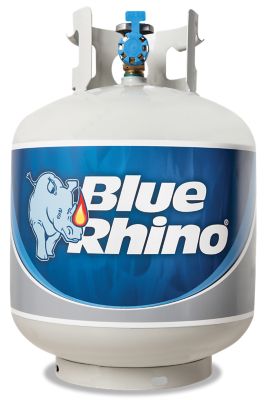
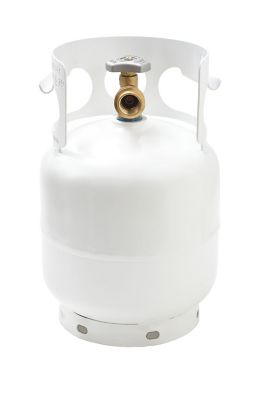
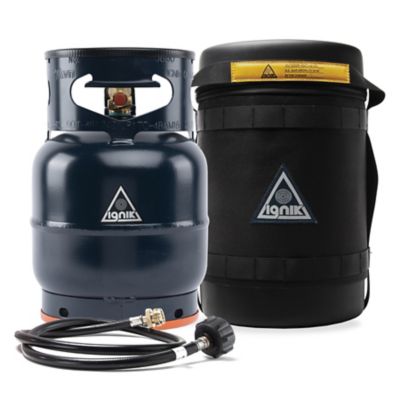
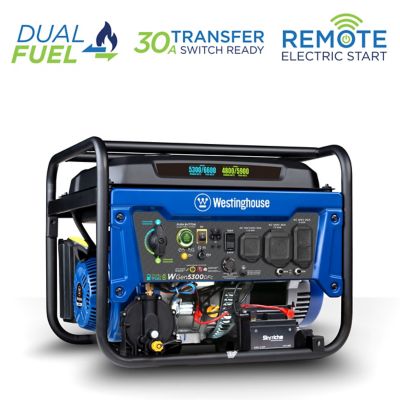
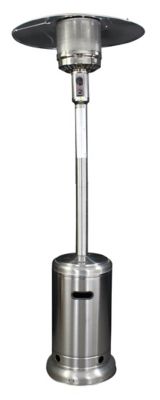
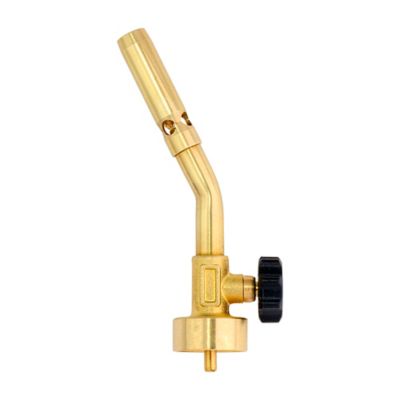
Propane tanks keep fuel close at hand for cooking outdoors, running compatible equipment and taking care of jobs around the property. These containers hold propane under pressure, mostly as a liquid, with space above it for expansion and vapor. For most grills and other vapor-service appliances, that liquid turns into gas as fuel leaves the cylinder, supplying the burner through a properly matched regulator and hose. The right tank depends on what it will power, how long the equipment needs to run and whether the container will stay put or travel along. Small propane cylinders suit certain camping stoves and portable appliances, while a 20-pound propane tank is a familiar fit for many backyard grills. A 20-pound cylinder holds about 4.7 gallons of propane at its rated fill, although the amount supplied during a fill or exchange can vary. Larger portable cylinders, including 40-pound and 100-pound sizes, provide more fuel between fills for equipment designed to accept them. Their added weight and footprint matter when planning a setup beside an outdoor cooking station or another approved location. Large stationary propane tanks serve a different purpose, supplying installed home, farm or business systems through professionally designed piping and controls. Those containers are typically described by gallon capacity rather than the pounds of propane associated with portable cylinders. Across these categories, capacity is only part of the picture: the appliance’s fuel demand, operating conditions and required connection all affect the match. A grill that runs for a short supper has different demands than a high-output outdoor cooker working through a long afternoon. During cooler weather, propane vaporizes more slowly, which can limit how much fuel a cylinder delivers to an appliance at once. A larger fuel supply does not automatically solve every performance issue, so the appliance manufacturer’s tank and regulator requirements remain the starting point. For folks cooking on the patio, camping near the pasture or tending equipment around the farm, a properly matched cylinder helps keep the setup straightforward.
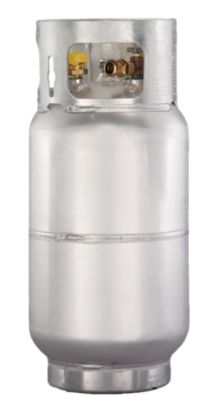
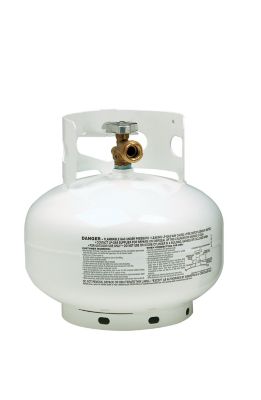
Tank construction and fit deserve just as much attention as fuel capacity. Many portable propane tanks have steel bodies with a protective painted or powder-coated finish, a foot ring for standing upright and a collar that helps shield the valve. Steel handles everyday outdoor service well, but chipped coatings, lingering moisture and contact with damp ground can lead to rust. Aluminum cylinders offer another material option in some applications, with less weight and different corrosion characteristics, though compatibility and inspection requirements still apply. Handle shape, cylinder height and base diameter can make a noticeable difference when lifting a tank into a grill cabinet or fitting it into an approved equipment bracket. The listed propane capacity is not the full carrying weight: the cylinder itself adds weight, identified by its tare-weight marking. A filled 20-pound tank therefore weighs considerably more than 20 pounds, an important consideration for anyone carrying one from a vehicle to an outdoor appliance. Valve design also matters. Many refillable grill cylinders have an overfill prevention device, often identified by a triangular handwheel, but that feature does not establish compatibility with every hose or appliance. Thread type, regulator pressure and vapor-versus-liquid withdrawal must match the equipment’s specifications. A cylinder intended for a forklift, for example, is not interchangeable with a backyard grill tank simply because both hold propane. For outdoor cooking setups,
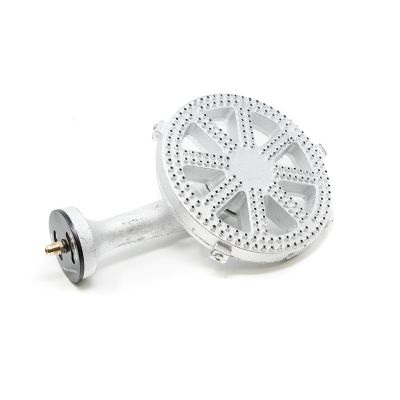
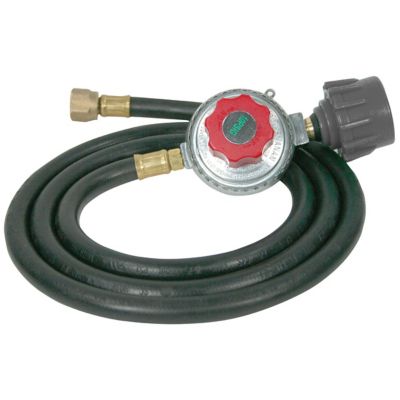
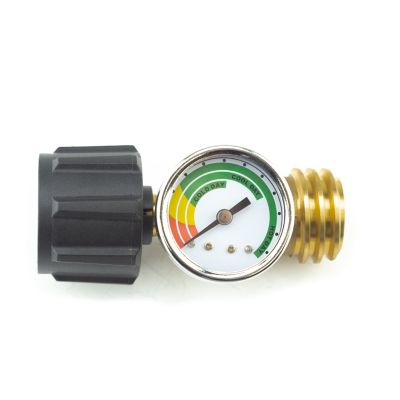
Propane Burners also need a compatible fuel supply, regulator and hose sized for their stated requirements. That matters when setting a stockpot over a burner for a family gathering or preparing a meal at camp, where a steady flame depends on more than having fuel in the tank. Manufacturer-approved connections keep the system matched from cylinder to burner. Tank-mounted gauges can offer a rough indication of fuel level, but readings depend on the gauge type and conditions; pressure alone does not consistently show how much liquid propane remains. Fuel capacity, appliance consumption and the cylinder’s filled weight provide better context for planning time between fills.
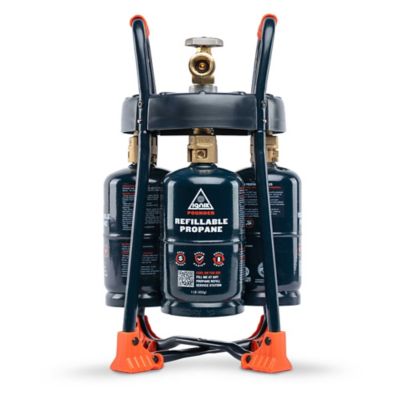
Care and storage help a propane tank stay fit for service through repeated trips to the grill, campsite or work area. Before connecting a portable cylinder, its body, foot ring, collar and valve should be checked for heavy rust, dents, cracks or other damage. A tank that has been exposed to fire, has a damaged valve or shows significant corrosion needs evaluation by a qualified propane professional rather than another fill. Refillable cylinders also carry manufacturing and requalification markings. In the United States, many common portable cylinders require their first requalification 12 years after manufacture, with later intervals depending on the cylinder and the requalification method. The markings and a qualified filler’s assessment determine whether a particular tank can be filled. Small nonrefillable cylinders belong in a separate category: they are not intended for refilling, even if an adapter appears to fit. Refillable models must be clearly designated for that purpose and handled according to their instructions. For common portable grill cylinders, outdoor storage means an upright position on a firm, level surface in a well-ventilated location, away from ignition sources, building openings and places where leaking gas could collect. Propane vapor is heavier than air, making low spots and enclosed spaces especially concerning. Cylinders do not belong inside a house, basement or garage, and a parked vehicle is not a storage spot. During transport, a portable grill cylinder needs its valve closed, its body secured upright and ventilation consistent with supplier instructions; it should be removed promptly upon arrival. Connections should be checked for leaks using the manufacturer’s recommended method, never an open flame. Outdoor grills, cookers and other outdoor-only propane appliances must stay outside, even when cold weather makes an enclosed porch or shed tempting. Propane equipment can produce carbon monoxide, so an open door does not make an outdoor appliance suitable for indoor operation. Keeping the cylinder protected from impact, the connection free of damage and the equipment in its approved setting supports practical everyday use, whether supper is on the grill or an outdoor job stretches toward sundown.