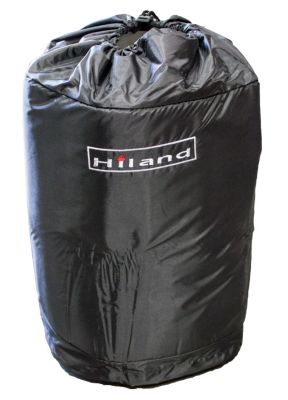
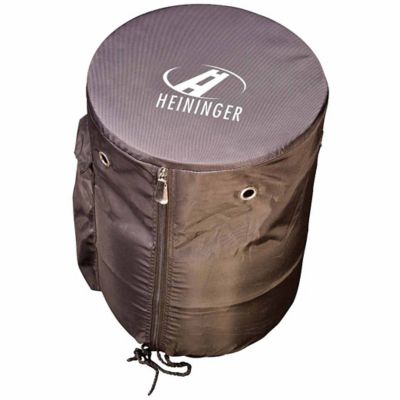
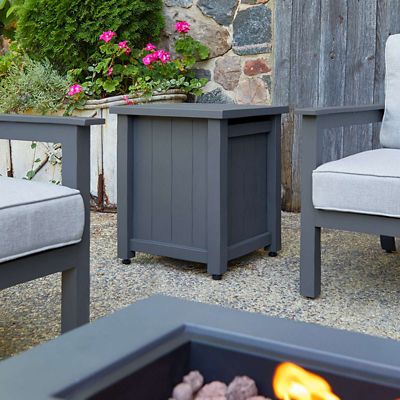
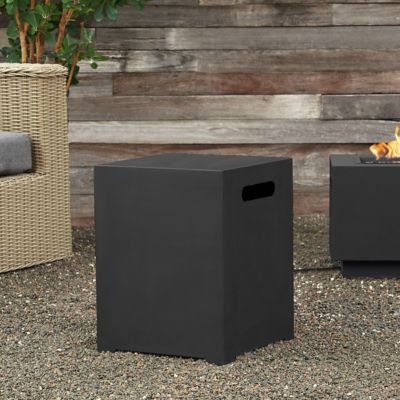
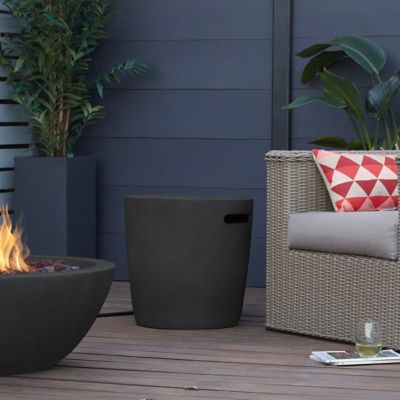
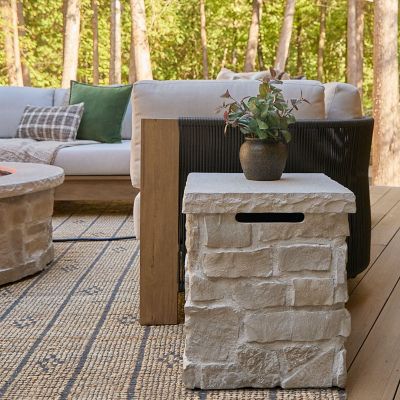
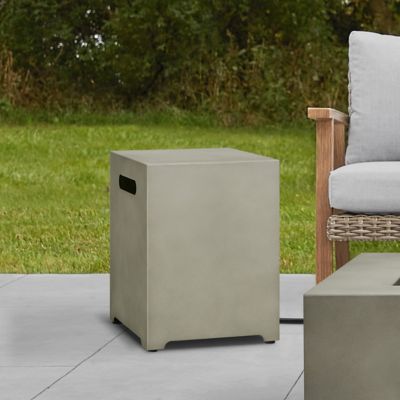
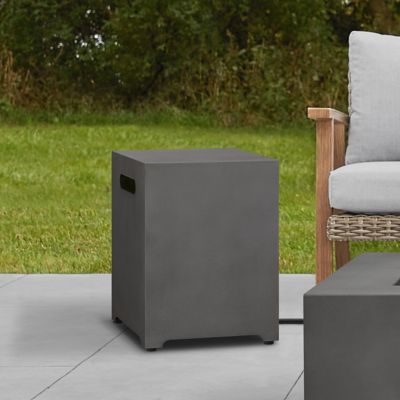
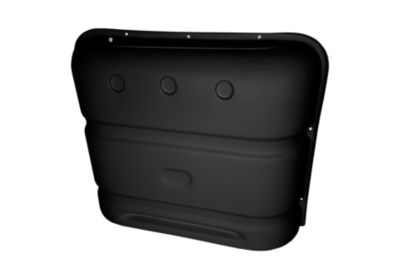
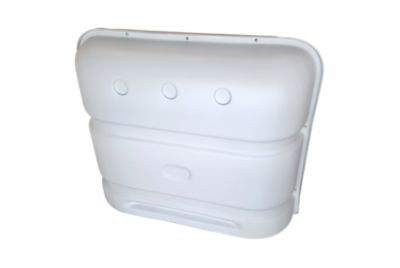
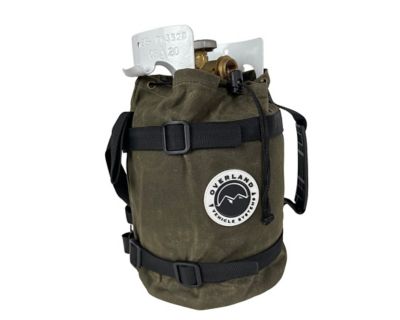
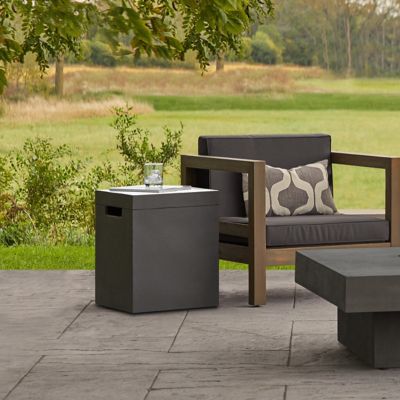
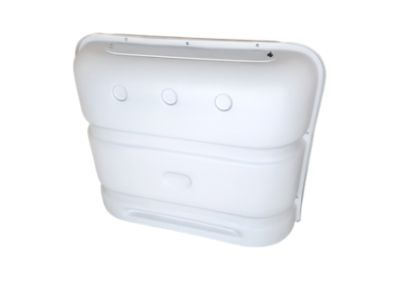
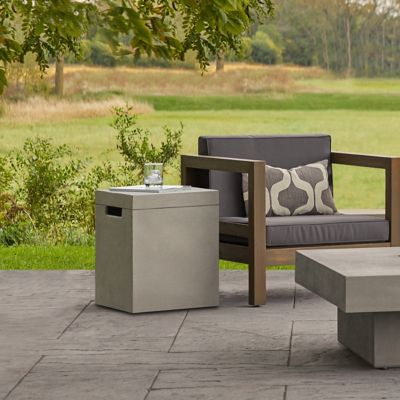
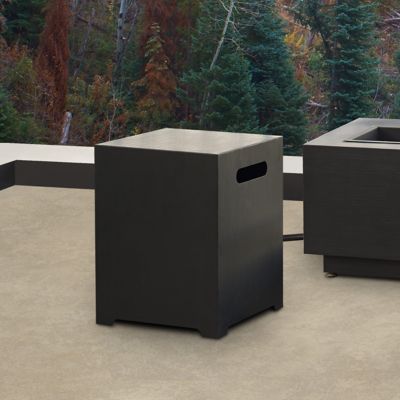
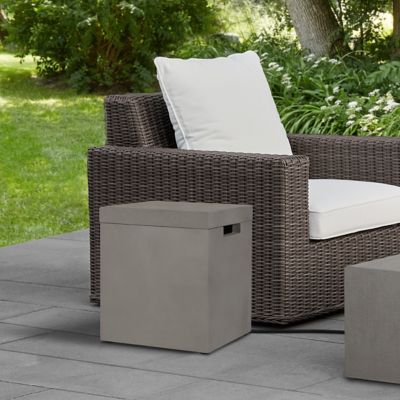
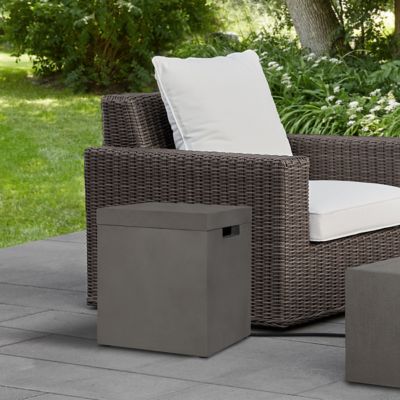
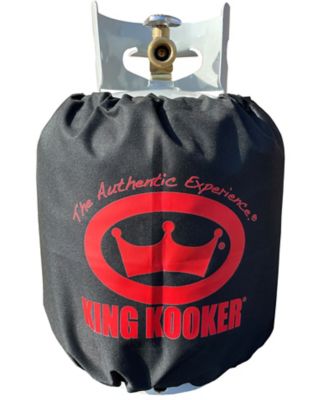
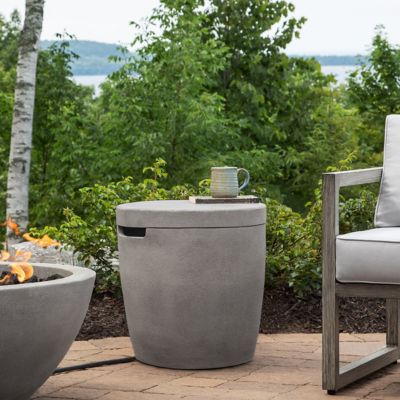
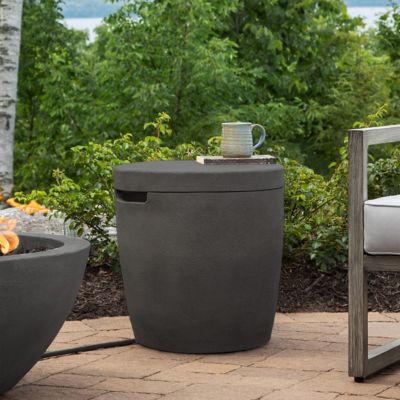
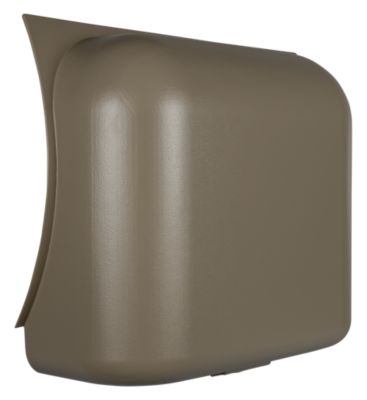
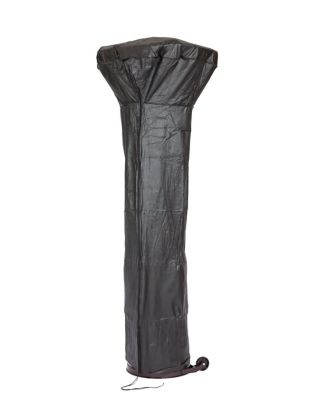
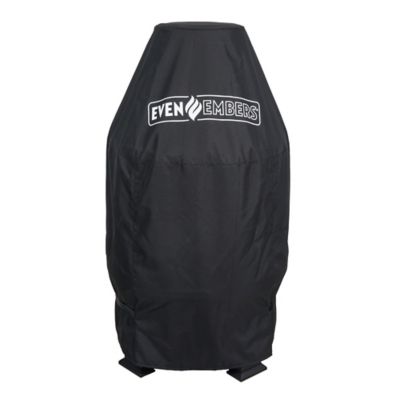
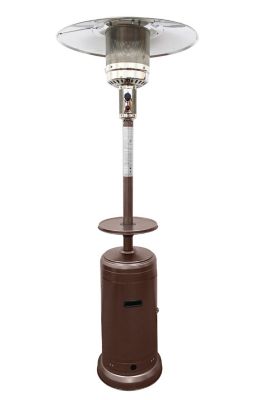
Propane tank covers give outdoor cylinders a tidier appearance while helping shield their surfaces from sunlight, rain, dust and everyday grime. Made for setups such as backyard grills, outdoor fire pits and travel trailers, they range from flexible fabric sleeves to molded shells and freestanding housings. The right style depends on where the cylinder sits, how often it needs attention and whether the cover is designed to stay in place during appliance operation. A soft propane tank cover generally takes up little extra room around a single cylinder and folds down when it comes off. Woven polyester, coated fabrics and vinyl are common material choices, with different levels of water resistance and protection against fading. Reinforced seams and finished edges help fabric stand up to repeated handling, while well-placed closures keep loose material away from connection points. A rigid cover offers a more structured shape and can help guard against incidental bumps or road splash when intended for that setting. Molded plastic is often practical around an RV tongue, while powder-coated metal and composite housings can suit a patio arrangement. Some vented housings have a flat top designed to serve as a small table, giving a drink or serving tray a place to sit without leaving the cylinder in plain view. That top should only carry weight when the manufacturer permits it, and a tank housing is not a seat or step. Stone-look shells and wood-look finishes can also help a cylinder blend with nearby landscaping or outdoor furniture, provided the enclosure is made for that propane setup. For a ranch porch with a grill at one end or a camper parked beside the barn, a well-matched cover keeps the fuel setup looking orderly without making routine access a chore.
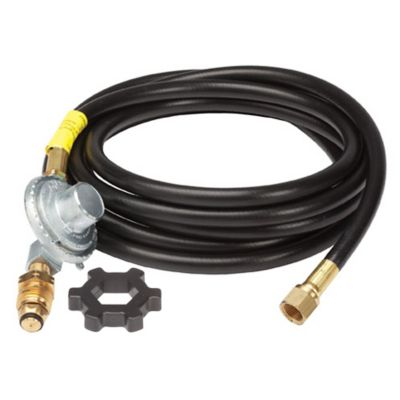
Propane cylinder capacity is only part of getting the fit right. A cover labeled for a 20 lb cylinder may not fit a taller 30 lb cylinder, and a dual-tank RV cover needs room for both cylinders and their mounting arrangement. Overall height, diameter and clearance around the protective collar matter just as much as the fuel-capacity label. Valve position, regulator placement, gauges and hose routing can all affect how a cover sits. A snug fabric sleeve should not pull against fittings, while a rigid housing needs enough interior room to avoid pressing on connections. The cover also needs to work alongside the cylinder’s regulator and
propane tank hoses, leaving the fuel line free of sharp bends, pinching and rubbing against edges. Zippered openings, lift-up lids and removable panels can make a difference when checking the valve or changing cylinders. Access from above may suit a trailer setup, while a side door can be handy beside a fire pit where lifting a whole housing would be awkward. Drawcords, straps and other retention features serve different purposes, so their placement matters as much as their presence. On a travel trailer, a cover intended for towing needs the specified attachment method and clearance from hitch equipment, wiring and moving parts. A loose patio sleeve is not a substitute for a road-ready RV cover. Around the yard, a freestanding housing needs a firm, level spot that keeps the cylinder upright and does not interfere with the appliance’s required spacing. Covers and enclosures should never block ventilation openings, regulator vents, shutoff access or required labels. Manufacturer instructions determine whether a cover can remain in place while the connected appliance operates. Larger stationary tanks call for covers or screens approved for that installation, with supplier access and local requirements taken into account. The goal is a neat fit that leaves the propane system accessible, not a tight enclosure that traps gas or hides a connection problem.
Material choice also shapes how much attention a propane tank cover needs over time. A lightweight fabric cover is easy to lift off for a cylinder exchange, while a heavier housing may make more sense where it can stay put. Water-repellent fabric can shed splashes, but seams, openings and the bottom edge still influence how moisture drains and air circulates. A cover should not hold standing water against the cylinder or conceal ongoing corrosion. Smooth plastic surfaces are generally straightforward to wipe down, while textured finishes may collect dust in their recesses. Powder-coated metal benefits from attention to chips and scratches because exposed metal can begin to rust. Cleaning methods vary by material, but mild soap, water and a soft cloth are often appropriate when the manufacturer allows them. Harsh solvents, stiff wire brushes and pressure washing can damage coatings, seams or surface finishes. Letting a removable fabric cover dry before putting it away helps keep trapped moisture from becoming a problem. Routine cylinder changes offer a chance to look at the cover’s stitching, closures, mounting points and interior contact areas, along with the condition of the cylinder itself. Fraying straps, cracked shells and sharp edges are signs that a cover needs attention before it goes back into service. For folks who grill several nights a week, easy valve access and a cover that slips off without a wrestling match may matter most. For a travel trailer, secure attachment and room around a dual-cylinder regulator may take priority. Beside a fire pit, a vented housing with a suitable tabletop can help keep the gathering area orderly without crowding chairs or the fuel line. Across these settings, the most useful propane tank covers balance appearance, manageable upkeep and proper access. They help tidy up the equipment that keeps meals cooking and camp life moving, while leaving the cylinder secure, ventilated and ready for routine checks.