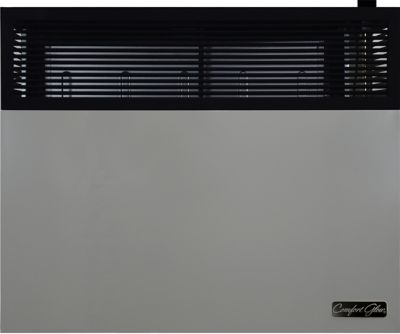
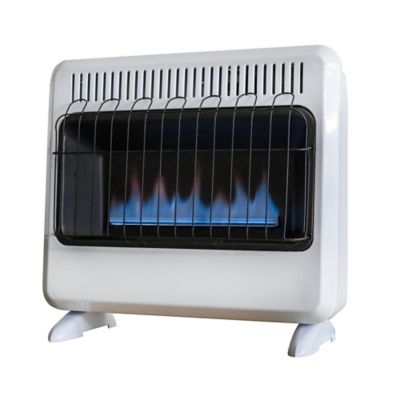
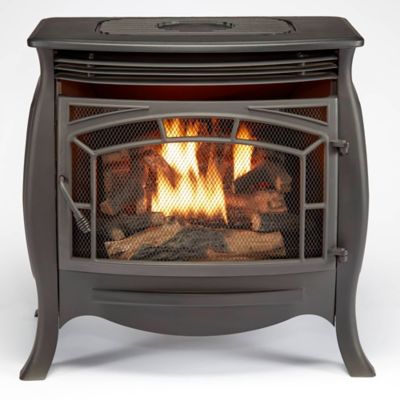
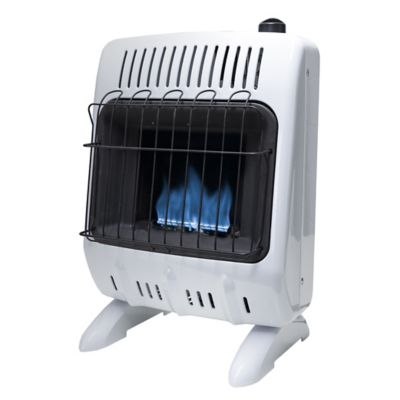
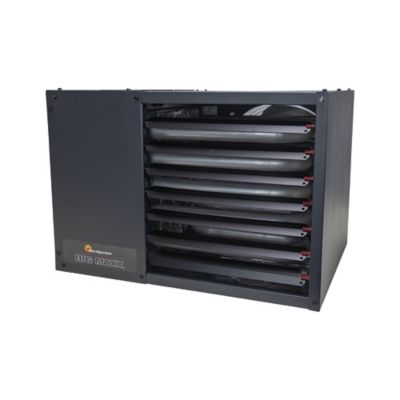
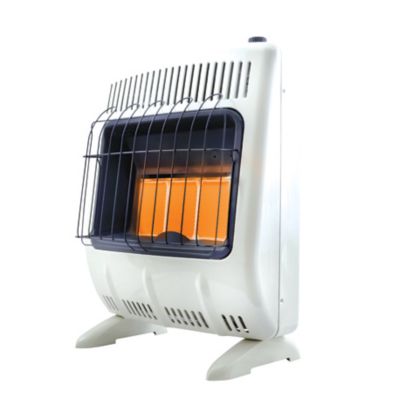
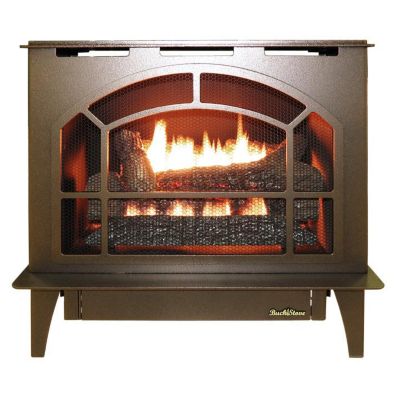
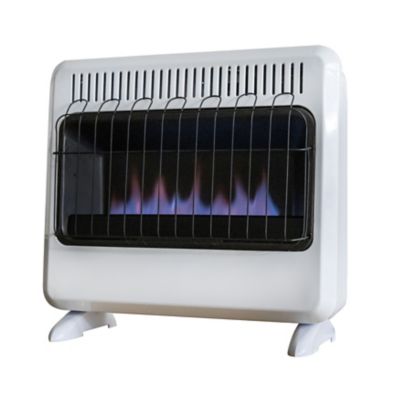
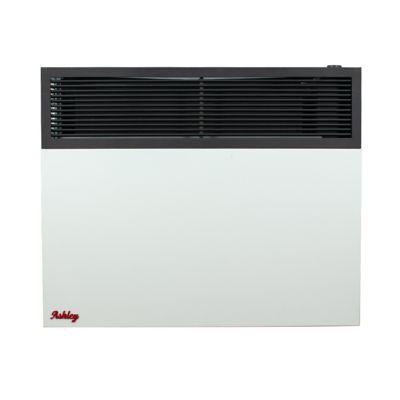
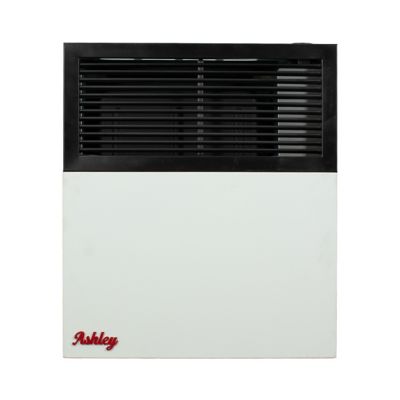
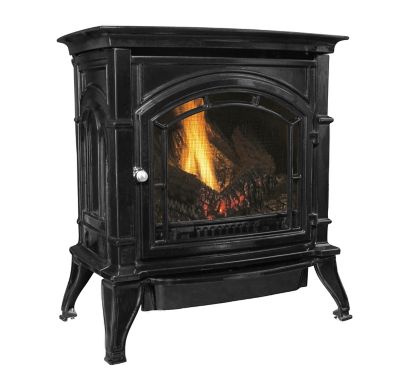
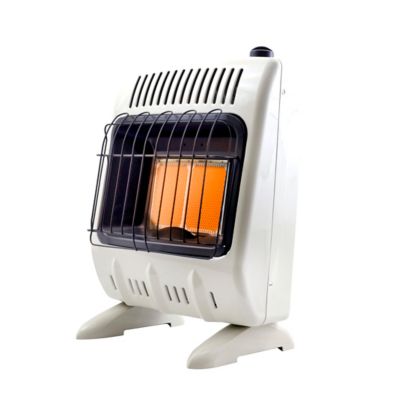
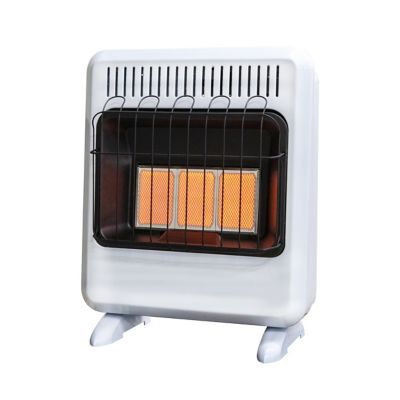
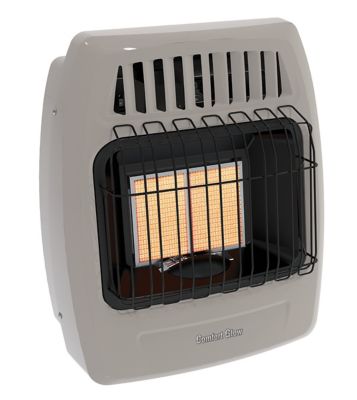
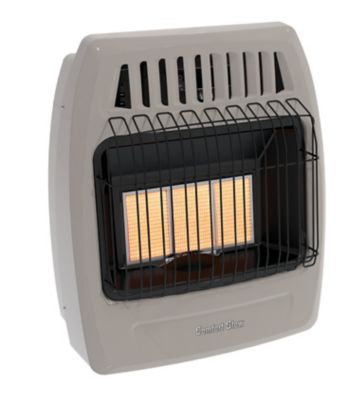
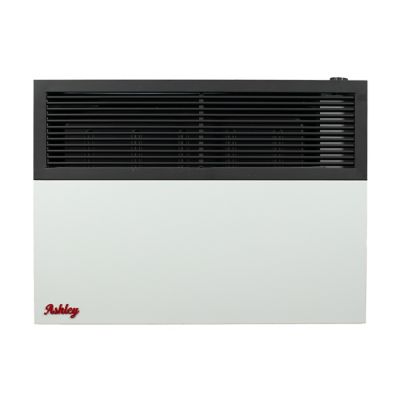
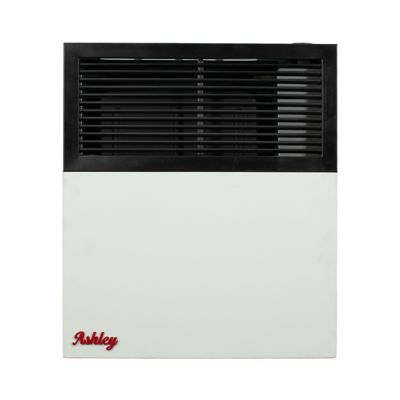
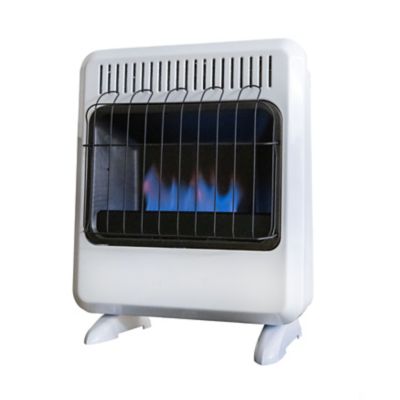
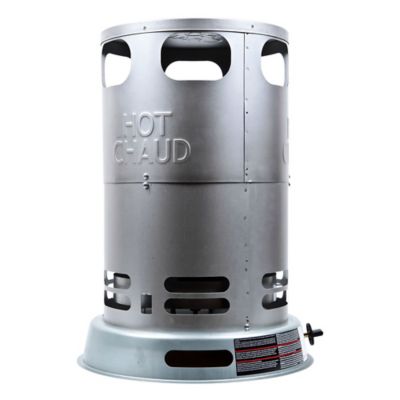
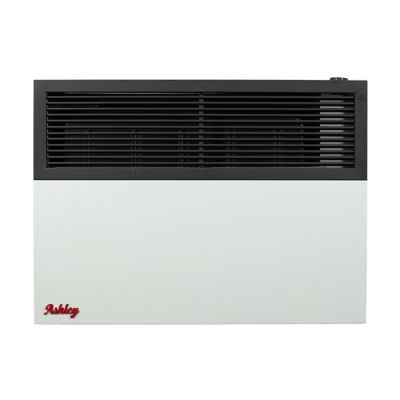
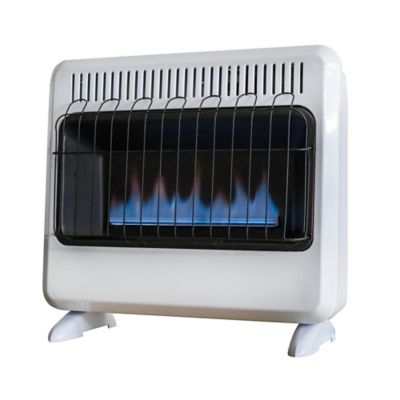
Natural gas wall heaters are a practical way to add steady heat to a room, workshop, cabin, addition, or other space where a central heating system does not reach well. Mounted directly to the wall, these units use natural gas to warm the surrounding air or nearby surfaces without taking up valuable floor space. They can be especially handy in older homes with chilly rooms, farm buildings with an approved gas connection, hunting cabins, and outbuildings used during the cooler months. Some models operate without electricity, using gas pressure and a built-in piezo igniter, which can be helpful during a power outage when the main furnace or electric space heater is not running. Before shopping, confirm that your property has a natural gas supply rather than propane, and check the available gas pressure and connection requirements. Natural gas wall heaters are not interchangeable with propane heaters unless the unit is specifically designed and approved for that fuel. A qualified professional should handle gas-line work and installation, while local building departments can explain requirements for clearances, venting, permits, and placement. If you are heating a barn, shop, or detached work area instead of a living space, you may also want to browse
Natural Gas Heaters For Garages for options suited to larger utility spaces.
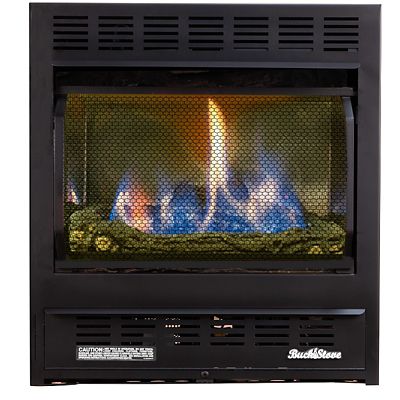
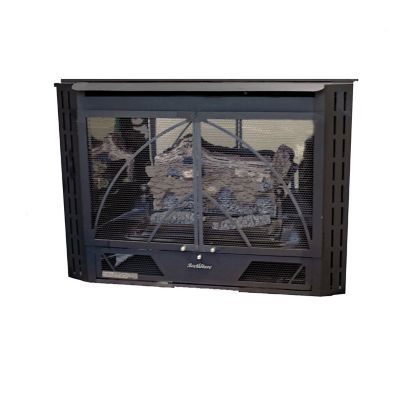
The two main categories are vent-free and direct-vent natural gas wall heaters. Vent-free, also called unvented, models send the heat produced by combustion into the room and can reach efficiency ratings of up to 99.9%. They generally do not require a chimney or flue, making them a compact choice where approved by local codes. Because combustion takes place inside the room, however, vent-free heaters may be restricted or prohibited in some states, counties, municipalities, bedrooms, or other locations. Always review local rules before purchase, and follow the manufacturer’s requirements for room size, ventilation, and placement. Direct-vent heaters use a sealed pipe through an exterior wall: one passage brings in outdoor air for combustion, while another sends exhaust outside. This design keeps the combustion process separated from the room and can be a better fit for tightly sealed spaces or locations where direct venting is required. Every installation needs the proper clearance from furniture, curtains, bedding, doors, and other combustible materials. Never cover a heater or use it to dry clothing, gloves, towels, or feed sacks. Keep children, pets, bedding, and stored materials away from the heating area, and make sure the unit remains accessible for inspection and service. A natural gas wall heater should be used only in the kind of space and manner described in its instructions, not as a substitute for an approved whole-home heating system unless it is specifically sized and installed for that purpose.
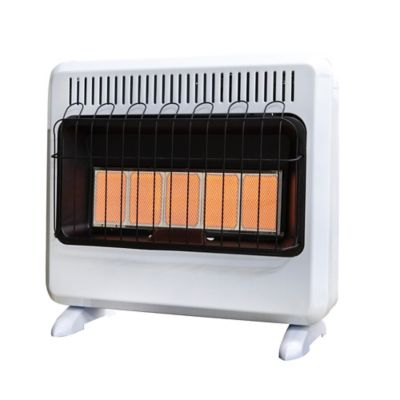
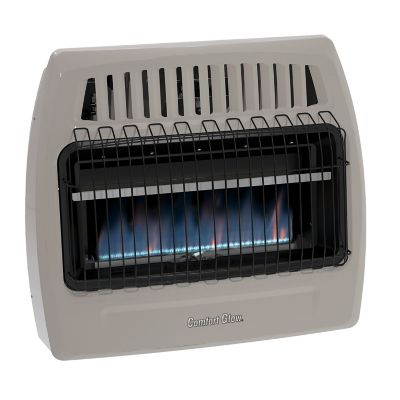
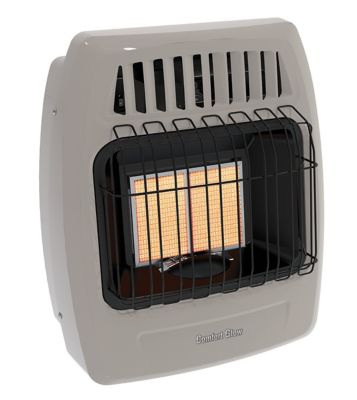
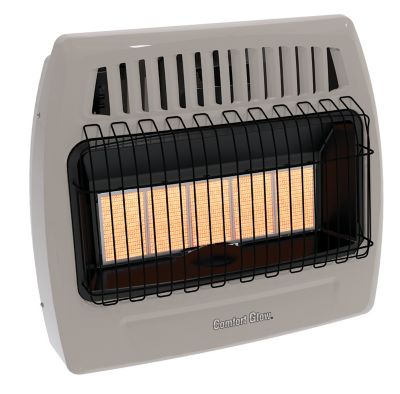
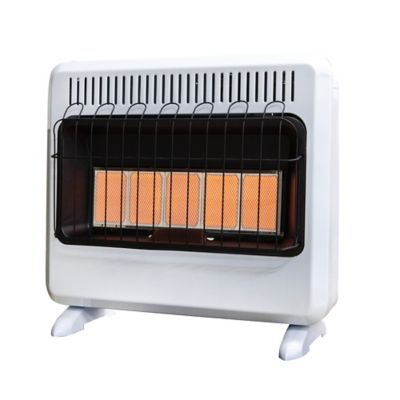
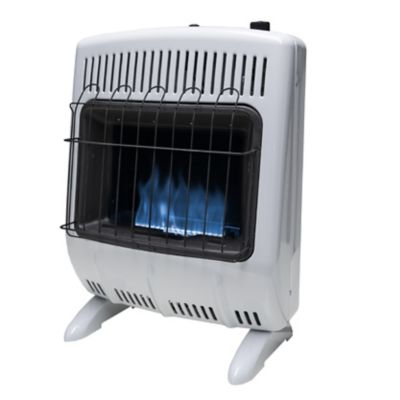
Sizing is another important part of choosing a natural gas wall heater. Heater output is commonly listed in BTUs, or British thermal units, and the right capacity depends on the room’s square footage, ceiling height, insulation, window area, climate, and how much cold air enters around doors or walls. A unit that is too small may run constantly without keeping the space comfortable, while one that is too large can create hot and cold spots and cycle more often than needed. Blue flame heaters warm the air through convection, gradually bringing up the temperature throughout the room, while infrared models provide radiant heat that warms people and objects more directly, much like sunlight on a cold porch. Radiant heat can feel especially welcome near a workbench, entryway, or seating area, while convection may suit a room where even air temperature matters most. Features such as thermostatic controls, multiple heat settings, automatic shutoff, a piezo ignition, and an oxygen depletion sensor can make day-to-day use easier and safer. An oxygen depletion sensor is designed to shut off the gas supply if oxygen levels fall below a specified point, but it does not replace proper ventilation, installation, or routine care. Install carbon monoxide alarms according to local guidance, keep fresh batteries in them, and never ignore a warning or unusual odor. Before each heating season, inspect the vent, burner area, fittings, and surrounding wall for dust, damage, rust, or signs of wear; clean only as directed and have a qualified technician address gas odors, yellow flames, soot, delayed ignition, or other problems. With the right fuel, sizing, placement, and maintenance plan, a natural gas wall heater can help take the bite out of a cold room and make everyday spaces more comfortable during fall, winter, and the changing weather that follows.