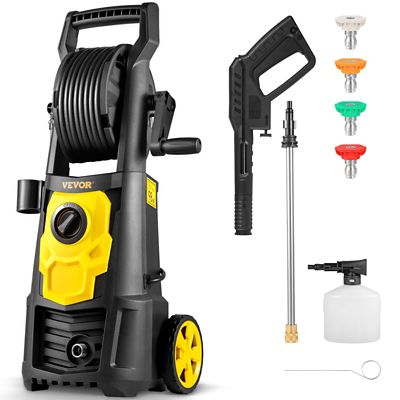
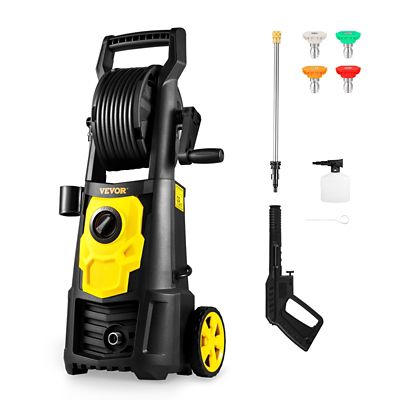
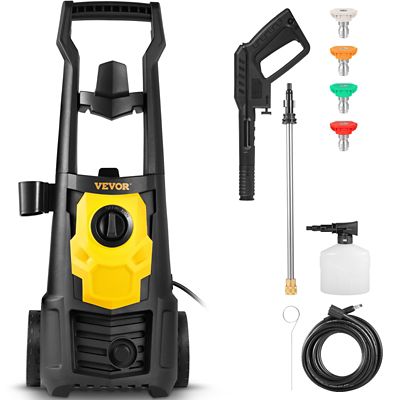
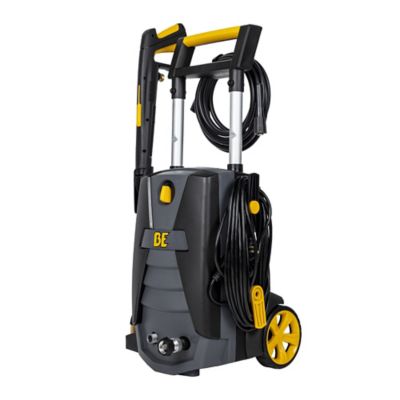
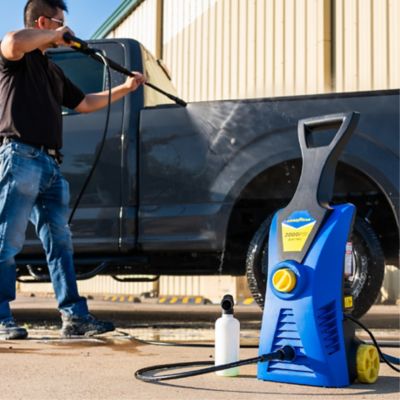
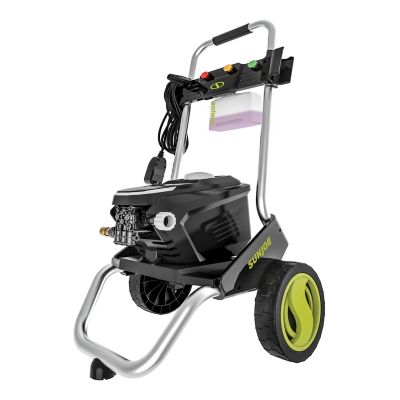
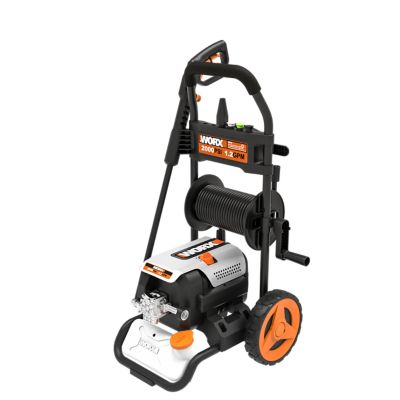
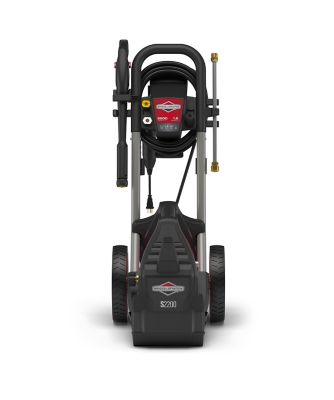
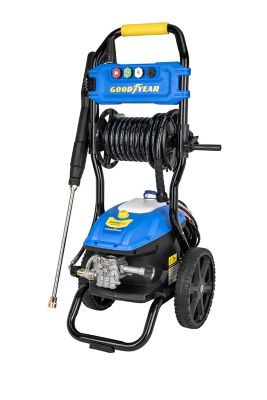
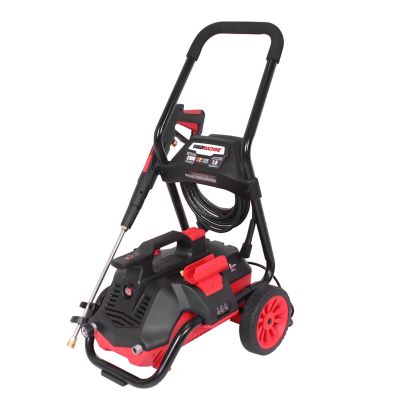
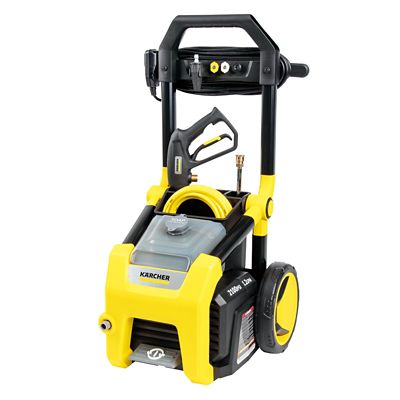
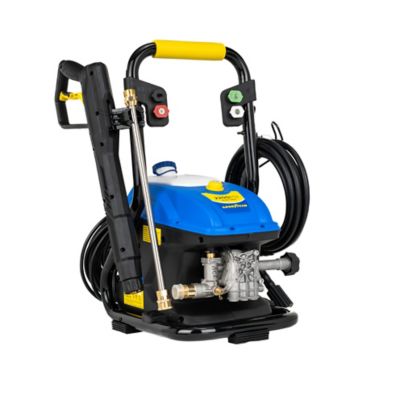
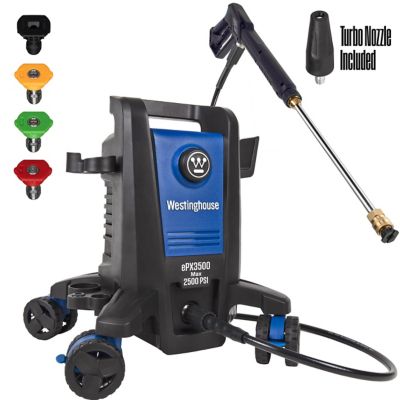
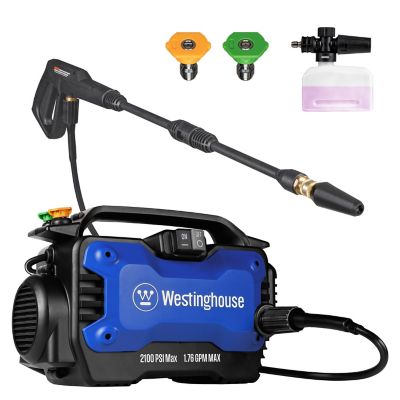
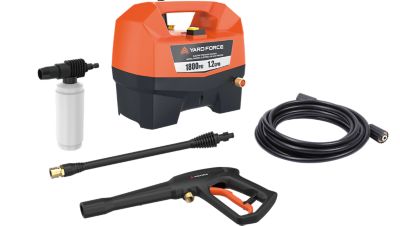
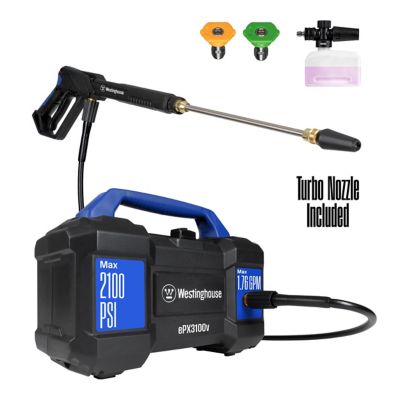
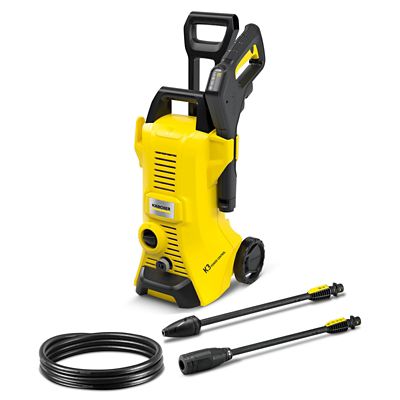
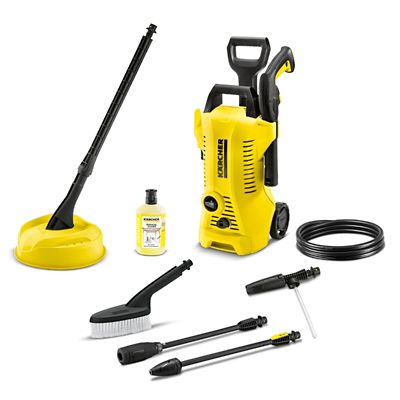
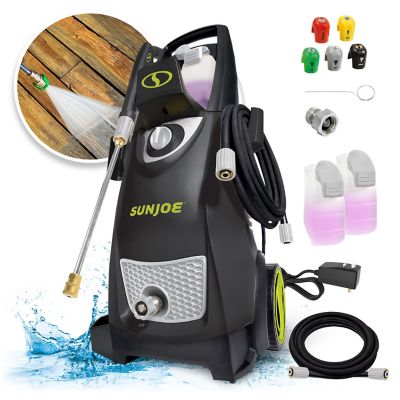
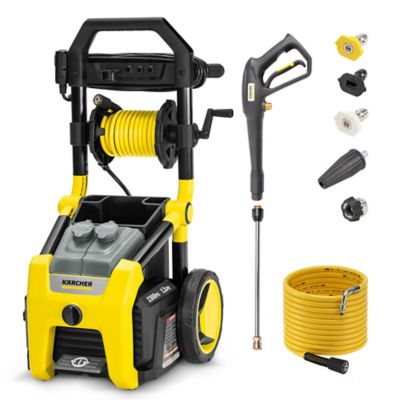
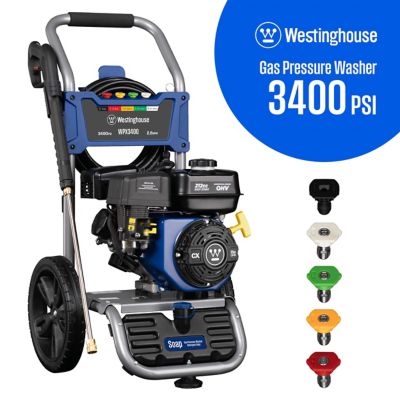
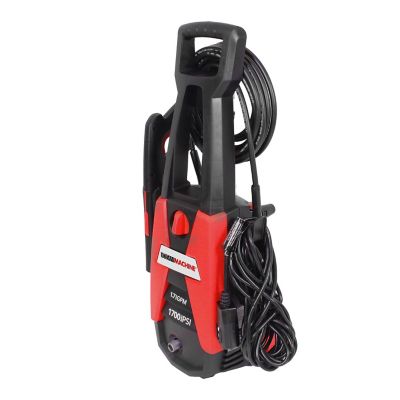
A 2,000 PSI electric pressure washer brings motor-driven cleaning power to everyday jobs around the house, garage, and acreage. This pressure range suits many light- to medium-duty tasks, including rinsing dirt from concrete walkways, washing compatible outdoor furniture, and loosening mud from equipment exteriors. For homeowners and small-property owners, it fills the space between a garden hose and a higher-pressure machine meant for tougher work. PSI stands for pounds per square inch and describes water pressure, while GPM, or gallons per minute, describes water flow. Both matter: pressure helps loosen grime, and flow carries it away. Some models list flow rates around 1.2 to 1.3 GPM, though performance varies across designs. Maximum pressure and maximum flow can also reflect different operating conditions, so those numbers may not occur together during cleaning. Looking at both specifications gives a clearer picture than comparing PSI alone. On a walkway beside the garage, this class of washer can lift ordinary tracked-in dirt; on a pickup, it can help rinse mud from suitable exterior surfaces with the right nozzle and working distance. A 2,000 PSI rating does not make every surface safe to spray. Weathered wood, loose paint, soft masonry, and vehicle finishes call for care, and surface manufacturers may place limits on pressure washing. A wider spray pattern spreads the stream over more area, while a narrow pattern concentrates its force. That distinction matters when moving between a concrete pad and a painted porch railing. Electric operation also means no gasoline engine to fuel and no engine exhaust at the machine, making these washers a practical fit for chores near a suitable electrical outlet and water supply. They are not a substitute for specialized equipment on every job: deeply embedded stains, thick grease, and large expanses of concrete may call for different cleaning methods or greater water flow. For routine cleanup, though, this category offers a straightforward way to tackle dirt without bringing out a gas-powered washer.
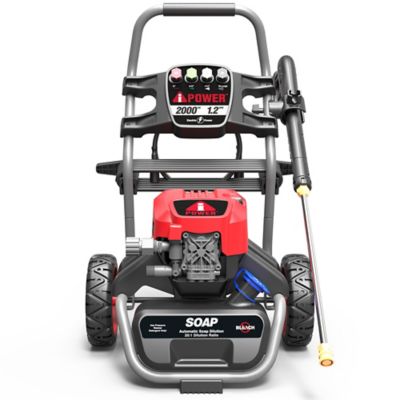
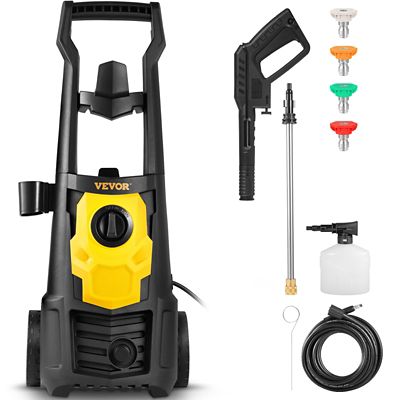
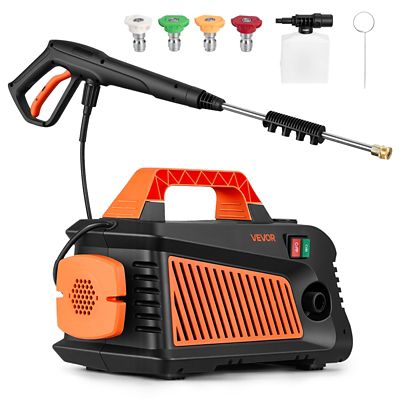
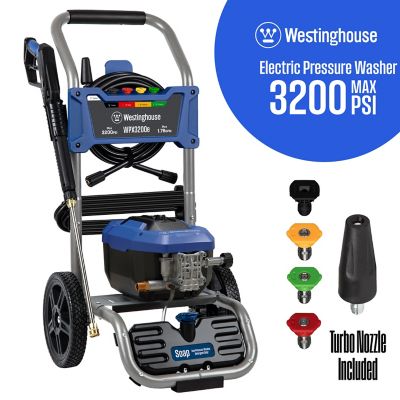
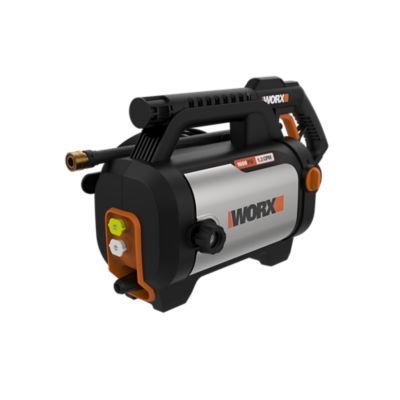
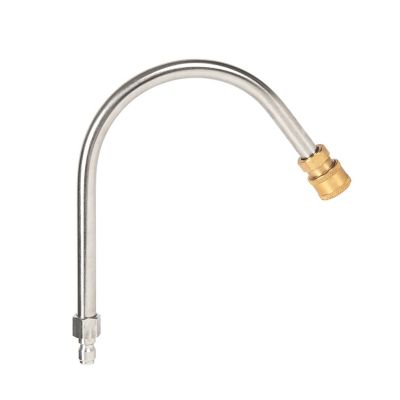
The way a pressure washer fits the property matters just as much as its pressure rating. A compact upright body can tuck beside shelving in a garage, while a wheeled frame helps move the machine between the driveway, porch, and shop entrance. Larger wheels can be easier to roll across uneven ground, although the washer still needs a stable operating spot. Frame materials may include molded plastic or steel, and the balance of weight, handle placement, and wheel design affects how comfortable the machine is to move. A sturdy handle and protected connection points are useful details for equipment that gets carried out, hooked up, and put away regularly. Hose length influences how often the washer needs repositioning, especially when cleaning around a vehicle or along a fence. A longer hose can add reach, but pressure rating, connection style, and manufacturer compatibility matter when choosing a replacement or attachment. Cord reach matters too; electric pressure washers require the specified power supply and appropriate ground-fault protection. Any extension cord needs to meet the washer manufacturer's requirements rather than simply being long enough to reach the work area. Storage hooks, wand holders, and hose-management features help keep cords and fittings from becoming a tangled pile on the garage floor. Spray controls vary, with some designs offering interchangeable nozzles and others offering an adjustable wand. A broad fan pattern is suited to covering larger areas, while more concentrated patterns demand extra care around finishes and softer materials. Rotating nozzles can increase cleaning action on compatible hard surfaces, but they are not appropriate for every job. Surface-cleaning attachments can help cover flat areas more evenly when their pressure, flow, and fittings match the washer. Detergent delivery may come through an onboard tank or a separate attachment, and the intended application method varies by design. Pressure-washer-safe detergent can help loosen certain soils, but ordinary household cleaners are not automatically suitable for the pump, seals, or surface. Clear controls, accessible fittings, and secure storage points all contribute to a machine that is easier to live with between chores.
Around a busy property, the appeal of a 2,000 PSI electric pressure washer often comes down to manageable cleanup rather than maximum force. Think of dirt packed into the texture of concrete steps, muddy splash marks on a suitable fence panel, or grime collected on a washable trash bin. These are different jobs, even when the same washer handles them, and matching the spray, detergent, and surface is more important than treating every chore alike. Wood can show raised grain or streaking under an overly concentrated stream, and pavers may lose joint material if the spray is too aggressive. Vehicles need particular attention around paint damage, seals, trim, and electrical components; a pressure rating alone cannot guarantee protection for clear coats or paint films. Cleaning results also depend on the condition of the surface and the kind of buildup. A dirt-covered concrete slab is a different challenge from an oil-stained one, and removing surface soil does not necessarily remove discoloration.
Electric Cold Water Pressure Washers rely on pressurized water rather than a built-in water heater, so compatible detergent and adequate rinse flow can be important for greasy residue. That makes this category a good match for shoppers who want equipment for regular property care and have practical access to water and electricity. Long-term upkeep includes checking hoses for cracks or abrasion, keeping inlet screens clear, and inspecting fittings for leaks. Following the manufacturer's shutdown and draining directions helps protect the pump, hose, and seals between cleaning sessions. Running a pump without adequate water can cause damage, while a pinched supply hose can interrupt the flow it needs. Electrical connections belong away from standing water, and the high-pressure stream must stay away from people, animals, and energized equipment. With a compatible setup, sensible surface choices, and routine care, a washer in this range can earn its place alongside the other tools that keep a home and property looking cared for.