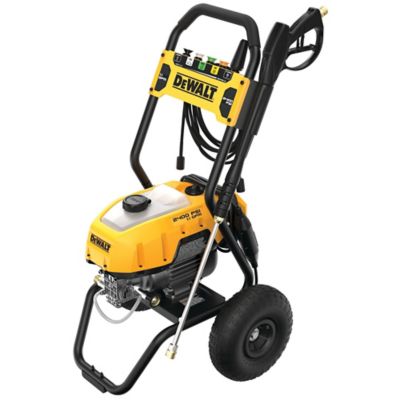
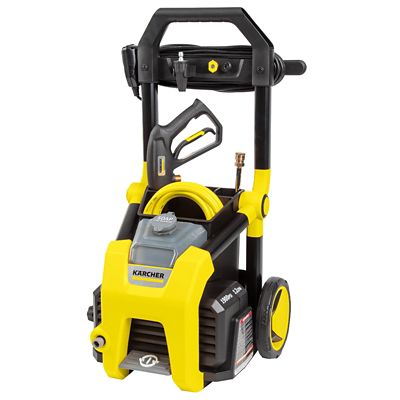
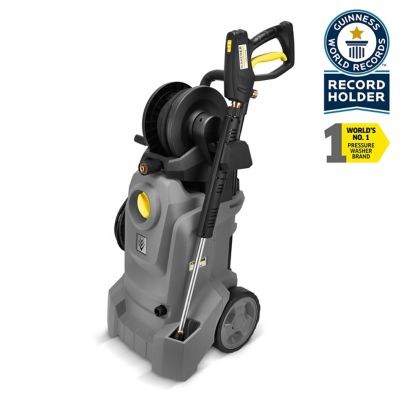
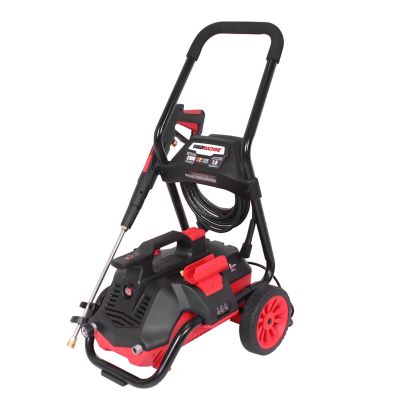
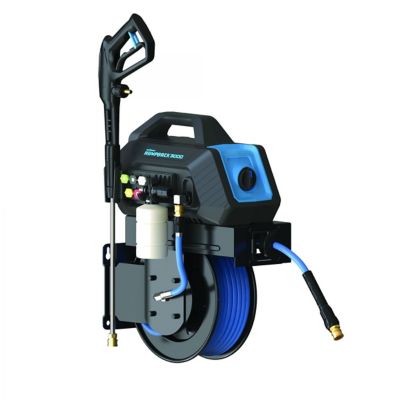
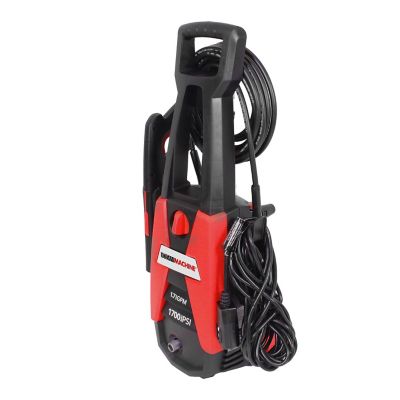
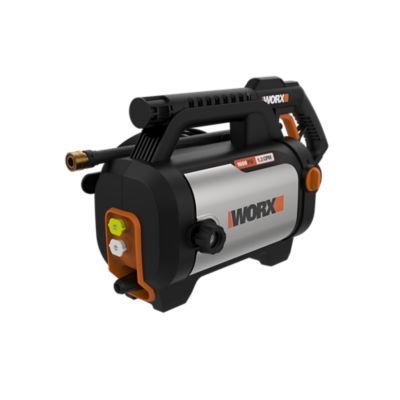
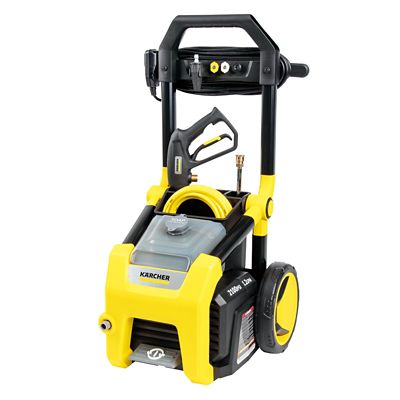
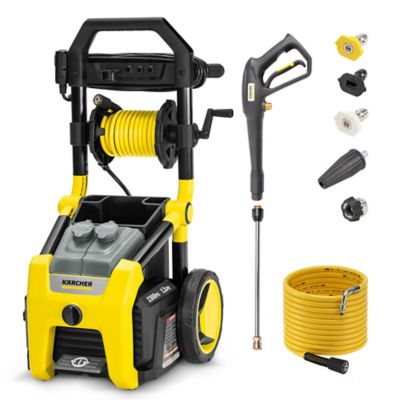
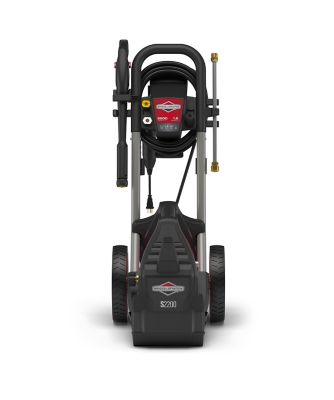
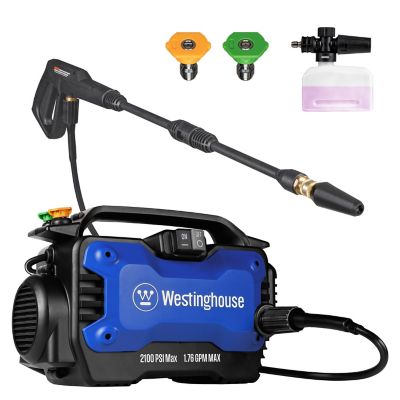
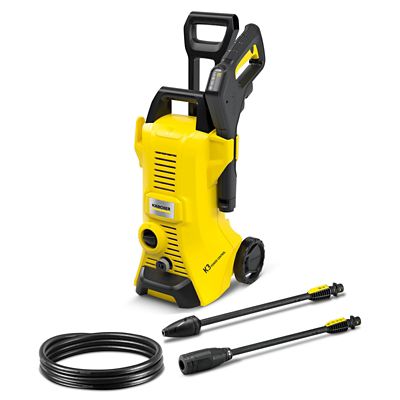
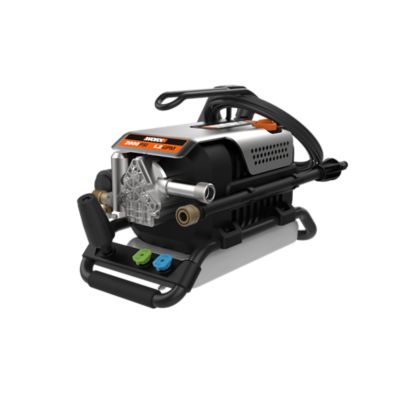
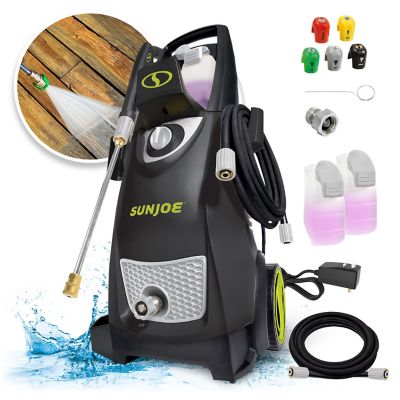
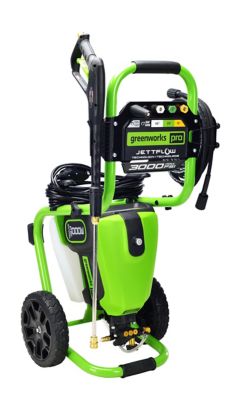
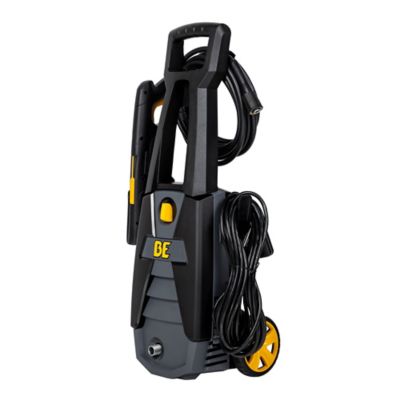
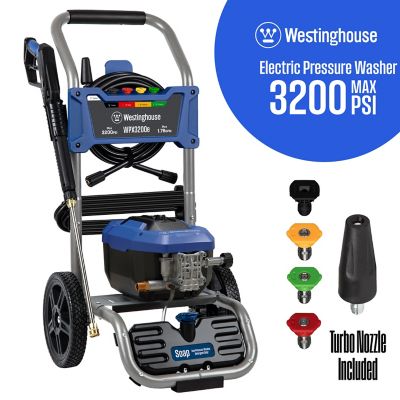
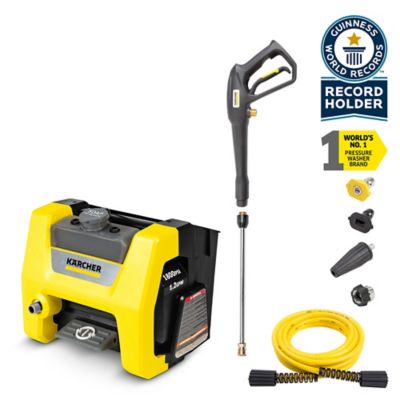
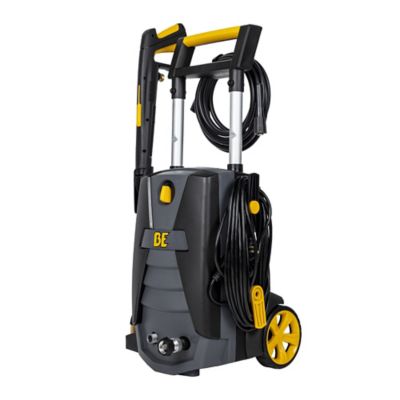
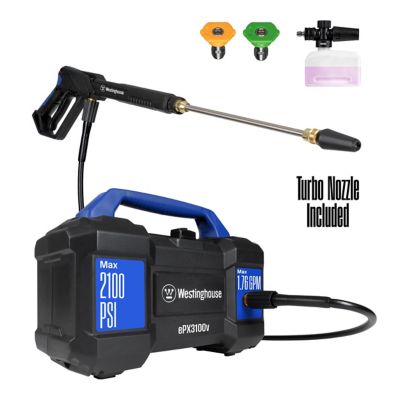
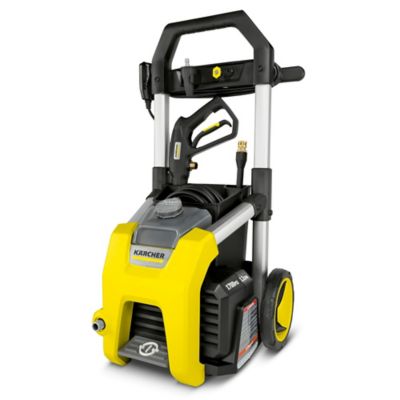
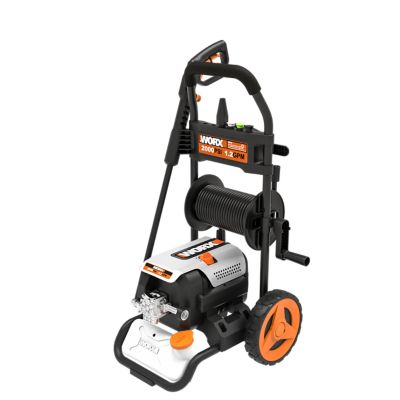
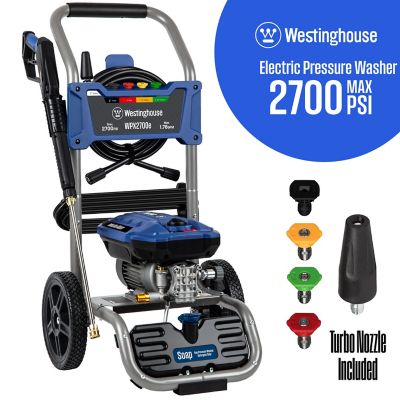
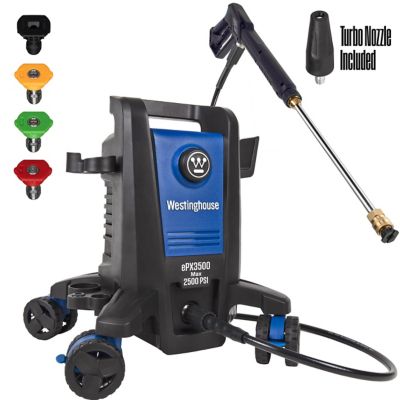
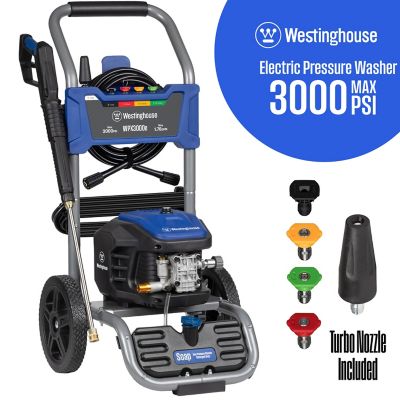
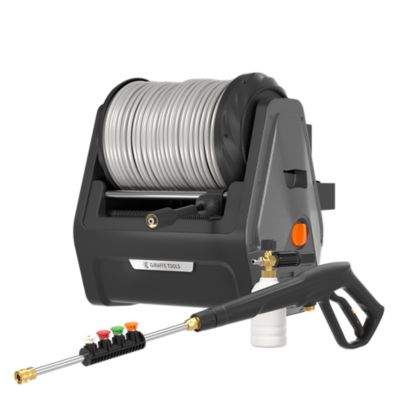
Electric cold water pressure washers put a steady stream of pressurized, unheated water to work on the dirt that comes with taking care of a home, shop, or acreage. An electric motor drives the pump, while a garden hose supplies the water, so there’s no gasoline engine to fuel or onboard burner to heat the spray. These plug-in machines make sense for routine jobs within reach of a suitable electrical outlet and water connection: rinsing mud from a concrete walkway, washing grime off patio furniture, or clearing dirt from washable equipment surfaces. Cold water works well for loose soil and many everyday messes, especially when paired with a cleaning solution approved for both the washer and the surface. Oily buildup and deeply set stains can take more than water pressure alone, and pushing the pressure higher isn’t always the answer. Painted surfaces, wood grain, vehicle finishes, seals, and softer materials call for a gentler touch than sound, uncoated concrete. A broad spray pattern and enough distance between the nozzle and the surface help keep cleaning from turning into repair work. For vehicle washing, the goal is lifting road film and rinsing thoroughly, not driving a narrow jet into trim, wheel bearings, or chipped paint. Around a shed or barn, these washers can tackle suitable exterior surfaces without adding engine exhaust at the machine. That doesn’t make every location suitable for pressure washing; drainage, electrical safety, and the material being cleaned still matter. Their appeal is straightforward: plug-in operation, no fuel mixing, and a cleaning setup that can handle recurring chores without the upkeep of a gasoline engine. Homeowners, property caretakers, and folks who keep a workshop or small acreage can all find a place for one, particularly when most cleaning happens close to the house or an outbuilding with proper utilities. The right fit depends less on having the biggest number on the carton and more on the surfaces, messes, and working space involved.
Pressure and water flow are the two main performance measurements for electric cold water pressure washers. PSI, or pounds per square inch, describes pressure; GPM, or gallons per minute, describes how much water moves through the machine. Pressure helps loosen dirt, while flow carries it away, so both measurements matter when comparing cleaning performance. A machine suited to occasional furniture washing may feel slow across a broad concrete driveway, even if its pressure rating looks impressive. Higher flow can help with rinsing larger areas, provided the water supply can keep up. Ratings also need a careful read: maximum PSI and maximum GPM may represent different operating conditions rather than performance delivered together. Rated working figures and the manufacturer’s testing information give a clearer picture of what to expect. Nozzle choice changes how that performance reaches the surface. Wider fan patterns spread the spray for gentler coverage, while narrower patterns concentrate force and can damage wood, paint, and other vulnerable finishes. Rotating nozzles and surface-cleaning attachments have their own pressure, flow, and connection requirements, so compatibility matters as much as the attachment’s intended job. A surface cleaner matched to the washer can help cover suitable flat areas more evenly, while a soap nozzle or detergent system brings approved cleaning solution into the process. Some systems apply detergent only at low pressure. Pump-safe pressure washer detergent matters; household chemicals aren’t automatically suitable for internal parts or the material being washed. Buyers comparing
Electric Washers can also look beyond output ratings to hose reach, nozzle storage, carrying handles, wheels, and the feel of the spray gun. A hose that reaches around a parked pickup or along a porch cuts down on repositioning. A stable frame and well-placed handle make moving across a yard less awkward. Metal fittings, reinforced hose construction, and protective housings are worth considering, but component materials alone don’t tell the whole story; connection design, maintenance requirements, and proper handling also affect service life.
The everyday details often decide whether a pressure washer is handy enough to come out for a small job or stays tucked away until chores pile up. A compact body can fit neatly on a garage shelf, while a wheeled frame may be easier to move between a driveway and an outbuilding. Onboard storage for the cord, hose, wand, and spray tips keeps the setup together and helps prevent a missing nozzle from holding up the job. Some electric machines have a total stop system that shuts off the motor when the trigger is released; operating instructions explain how that feature works and how to restart the spray. Electrical fit deserves just as much attention as storage. The outlet and circuit must meet the washer’s requirements, with ground-fault protection as specified by the manufacturer. Cord length should suit the working area without stretching connections across puddles or vehicle paths. Extension cords aren’t appropriate for every machine, and any permitted cord must meet the stated gauge, length, grounding, and outdoor-use requirements. A longer pressure hose can offer more working room, but added hose also needs the right pressure rating and fittings. On properties with a well, adequate supply flow is especially important because a pump can’t perform properly without enough incoming water. Clean inlet screens, sound hose washers, and snug connections help prevent leaks and water-supply trouble. After a job, pressure relief, drainage, and storage should follow the machine’s instructions, with the hose kept clear of sharp bends and the cord protected from pinching. A washer shouldn’t run without water or sit operating beyond its permitted idle time. Safety glasses, closed-toe footwear, and firm footing belong with the setup, and the spray must stay away from people, animals, outlets, and electrical equipment. Keeping runoff clear of feed, drinking water, and sensitive planting areas matters around a working property, too. For someone who enjoys keeping the pickup, porch, and shop surroundings tidy, an electric cold water pressure washer can also make a practical gift when its power requirements, size, and cleaning capability match the place it will call home.