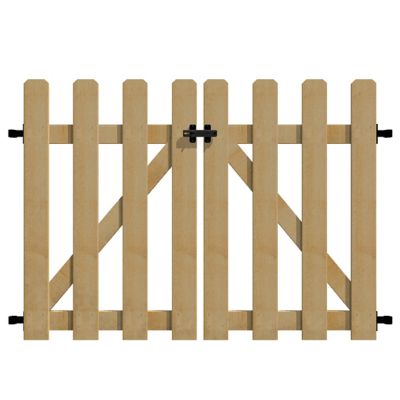
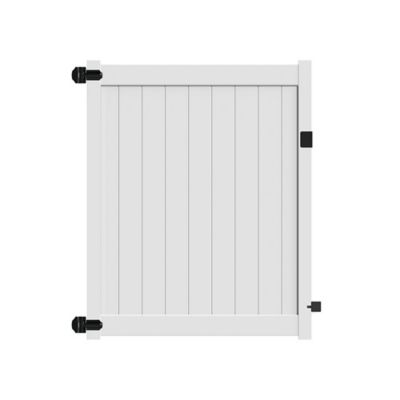
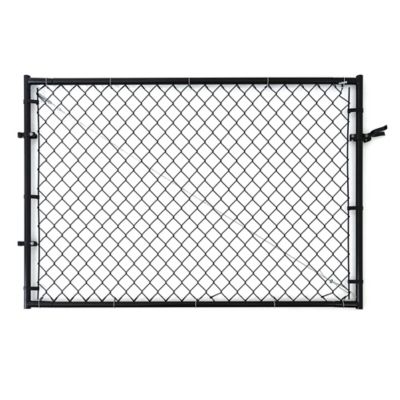
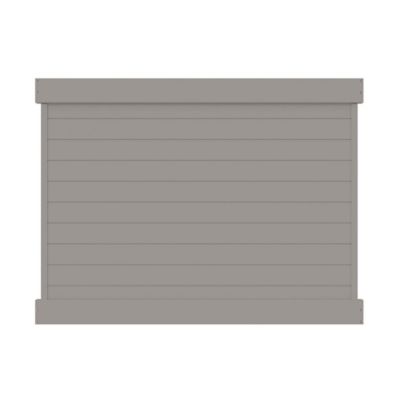
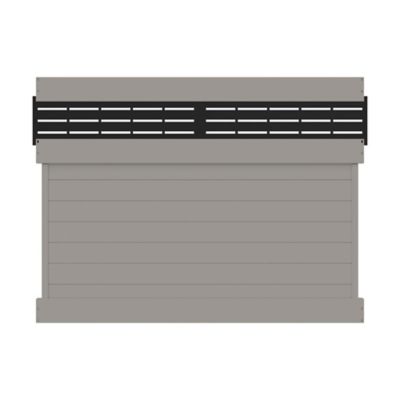
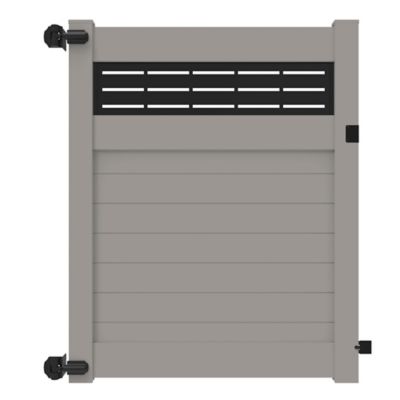
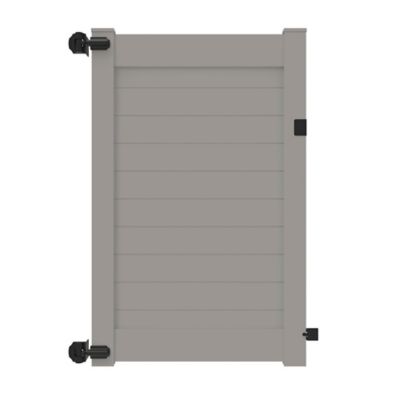
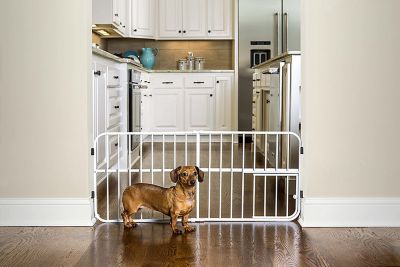
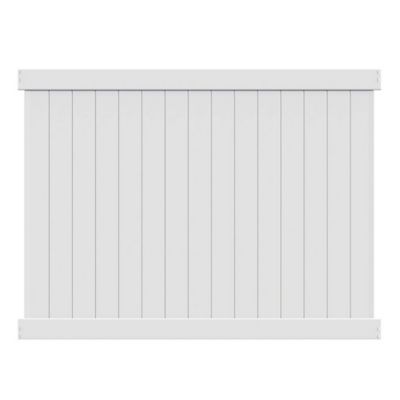
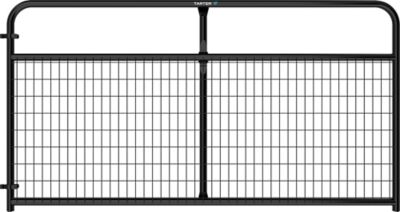
Privacy gates add a practical layer of seclusion, security and finished style to a yard, garden, driveway or outdoor work area. Built as a solid outdoor door or barrier, a privacy gate is commonly around 6 feet tall with few or no gaps, helping block views from the road, neighboring properties or busy parts of the farm. Homeowners often use them at side-yard entrances, along back fences, around patios, beside pools or at the entrance to a garden where tools, plants and equipment need a little separation from the rest of the property. A well-placed gate can also help guide children and pets toward safer areas while keeping livestock, visitors or curious animals from wandering into spaces where they do not belong. When choosing privacy gates, start by measuring the opening carefully, including the distance between posts and the available clearance for the gate to swing. Think about whether the gate will open inward or outward, whether the ground is level, and whether a wheelbarrow, riding mower, small tractor or utility cart needs to pass through. A narrow walk-through gate may suit a garden path, while a wider double gate can make it easier to move fencing supplies, firewood or lawn equipment. Consider the height and overall fence line as well, since a gate that matches the surrounding panels will look more intentional and provide a cleaner barrier. Some homeowners prefer a hidden or flush-mounted design that blends into the fence, while others choose a gate with visible framing and hardware for a more traditional farmstead appearance. Privacy gates are available in several materials, each with its own look and care requirements. Wood, including cedar and pressure-treated lumber, brings a warm, familiar appearance that works well with gardens, barns and country-style homes. Wood may need periodic staining, painting or sealing to help protect it from moisture, sun and seasonal changes. Vinyl offers a lightweight option that will not rot, peel or attract termites, and its solid panels are often available in simple neutral colors. Composite materials combine wood fibers and plastic to create a natural-looking surface with less routine maintenance than traditional wood. Aluminum and other metal options can provide a sturdy, clean-lined appearance and are often chosen for modern properties, high-traffic entrances or areas where rust resistance and long-term durability matter.
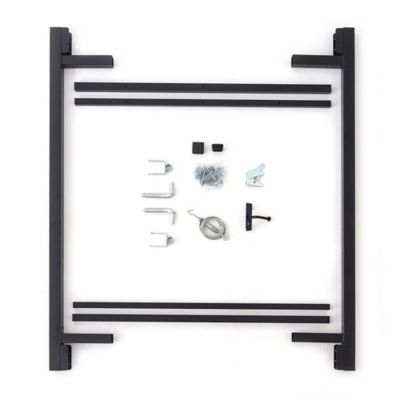
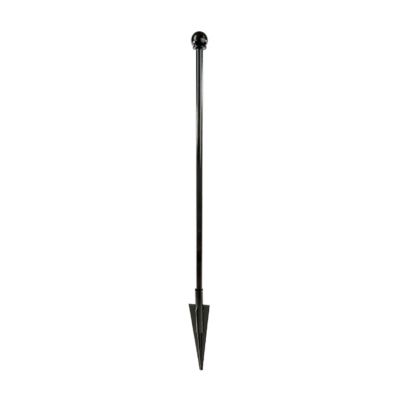
The frame and hardware are just as important as the gate panel itself. A tall, solid gate catches wind, and a wide gate can become heavy over time, so look for a strong frame, properly sized hinges and a reliable latch. Support wheels or other anti-sagging features can help carry some of the weight, especially on larger gates that see frequent use. A key-operated lock may be useful for a side yard, pool enclosure or storage area, while a simple latch can be convenient for a garden or backyard where quick access matters. For added security, consider heavy-gauge framing, reinforced attachment points and hardware designed for outdoor exposure. If the gate is being installed near a swimming pool, check local safety rules before choosing the height, latch position, self-closing features or surrounding fence arrangement. Pool barriers often have specific requirements, and a gate should never be treated as a substitute for following local code. The ground beneath the gate deserves close attention, too. A gate that drags across soil, gravel or frost-heaved ground may be difficult to open and can put extra strain on the hinges. Leave enough clearance for normal drainage and seasonal movement, but avoid a large gap that defeats the purpose of a privacy barrier or allows pets to slip beneath it. Posts need to be plumb, firmly anchored and aligned with the gate frame. Traditional installations may use concrete-set posts, while no-dig systems use pipe anchors or driven supports and can be useful for certain lighter-duty applications or locations where digging and mixing concrete are not practical. Before installation, check for buried utility lines and confirm property boundaries. In areas with strong wind, heavy snow or uneven ground, a sturdier post system and additional bracing may be worth the effort. During cooler, wetter weather, inspect hinges, latches and fasteners for dirt, rust or loose connections, and clear leaves or mud from the swing path. A few minutes of upkeep can keep a gate opening smoothly when the ground is damp and the days are shorter.
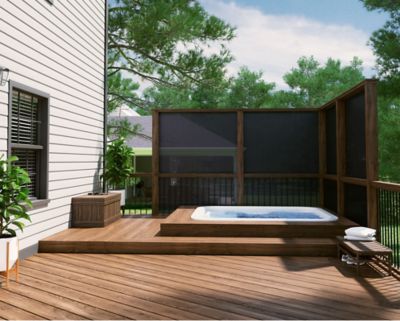
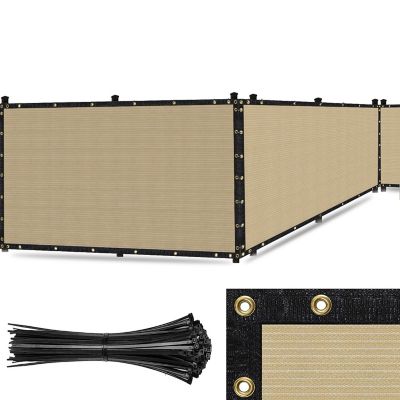
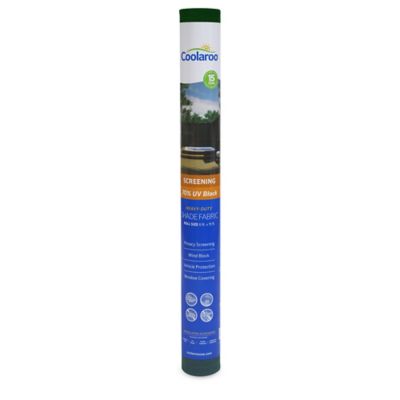
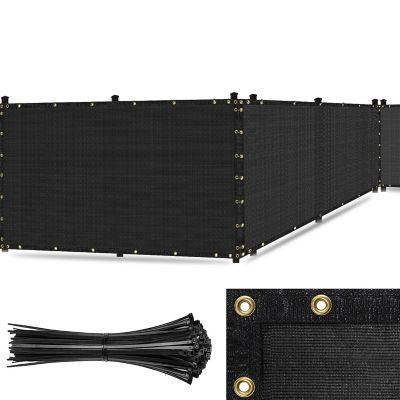
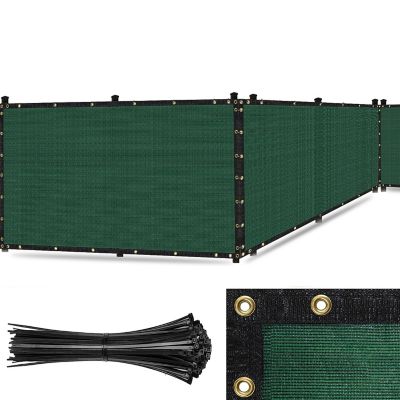
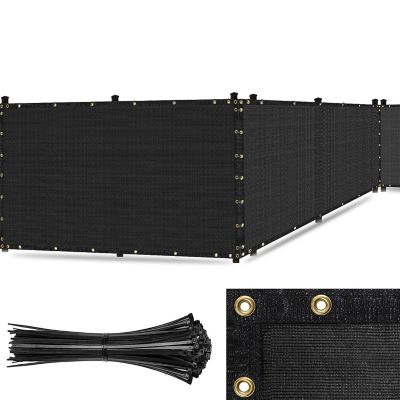
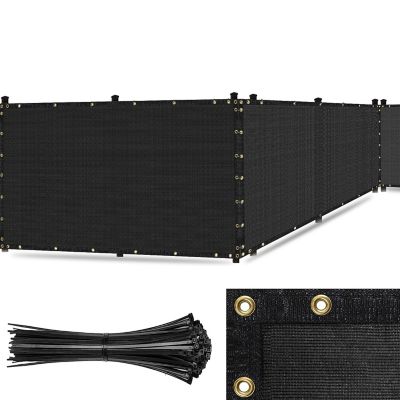
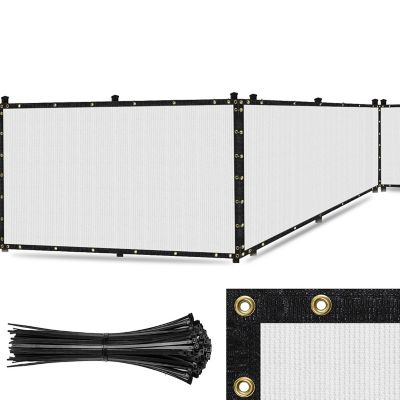
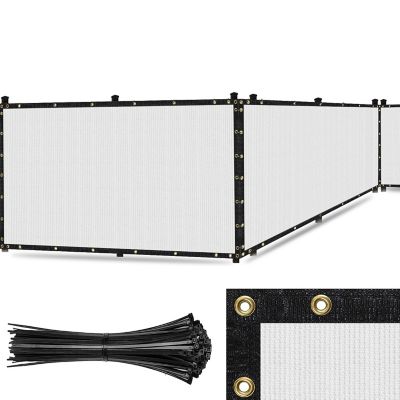
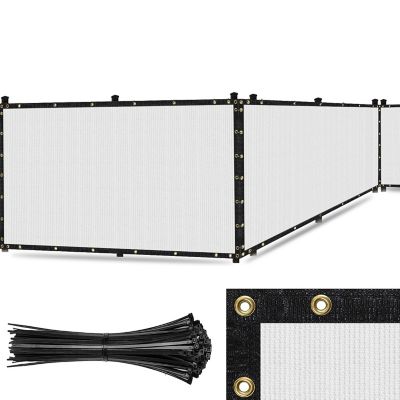
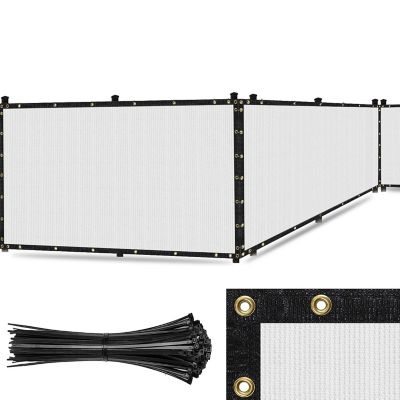
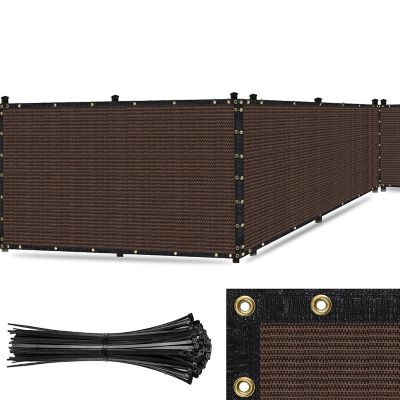
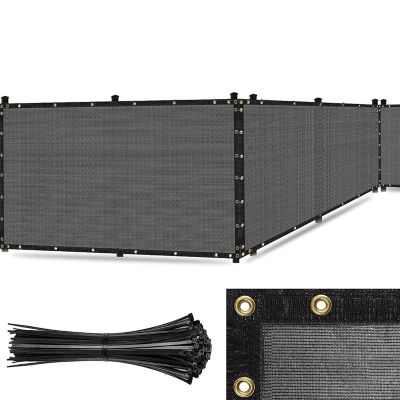
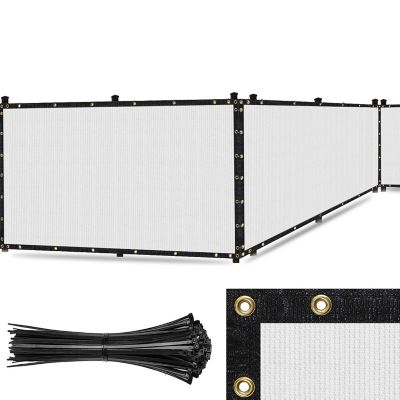
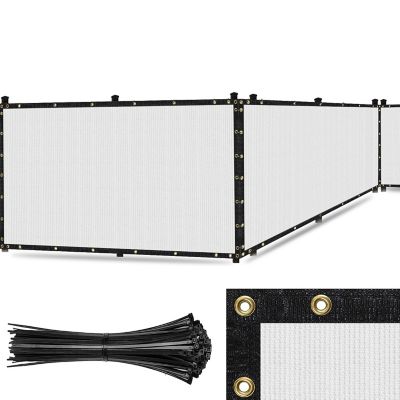
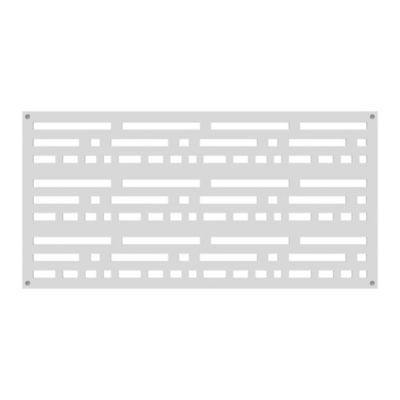
The right privacy gate depends on how the space is used, how much maintenance you are willing to handle and the look you want to carry through the entire property. A solid wood gate can tie together a cedar fence and raised garden beds, while a white or tan vinyl design may suit a neatly trimmed backyard and provide a low-maintenance boundary. Composite can be a good middle ground for someone who likes the appearance of wood but would rather spend less time sanding and sealing. Metal or aluminum can fit a contemporary home, a workshop entrance or a busy driveway where dependable operation matters more than a rustic finish. In addition to blocking unwanted views, a privacy gate can soften the appearance of stored equipment, conceal trash bins, create a quiet corner for a patio or help separate a kennel from the main yard. Pairing a gate with nearby
Privacy Screens can extend that sense of seclusion around a porch, deck, animal area or outdoor gathering space without requiring a full fence around every part of the property. Privacy gates can also make thoughtful gifts for new homeowners, families settling into a rural property or anyone improving a garden, pool area or backyard workspace, though measurements and installation plans should be confirmed before choosing one. As the weather changes through the cooler months, sturdy gates help shield outdoor spaces from windblown debris and keep private areas tucked away from view. With the right size, material, latch and support system, a privacy gate can become one of those everyday improvements that quietly earns its keep—opening easily when you need it, closing securely when you do not, and helping the whole property feel more orderly.