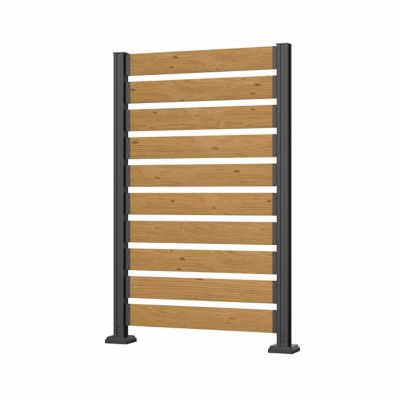
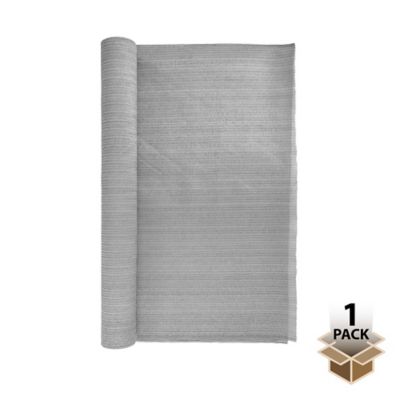
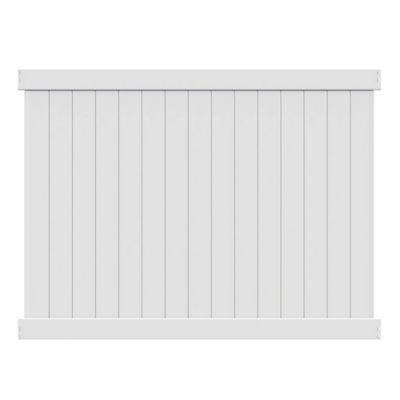
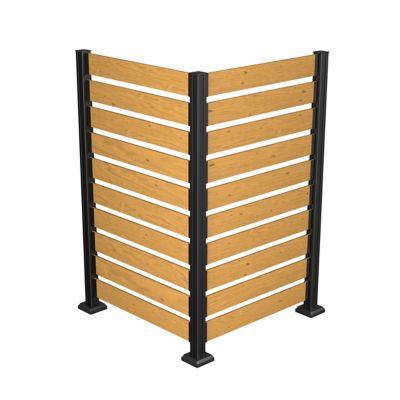
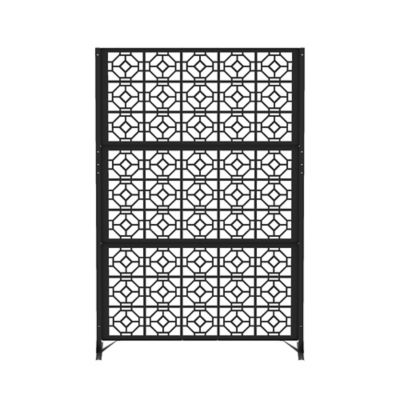
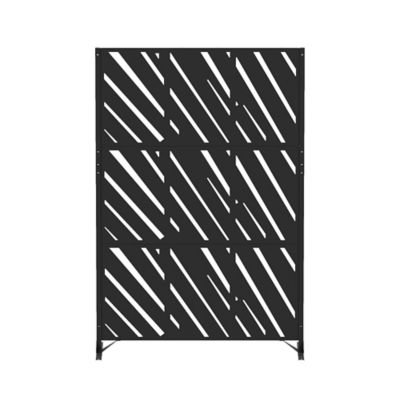
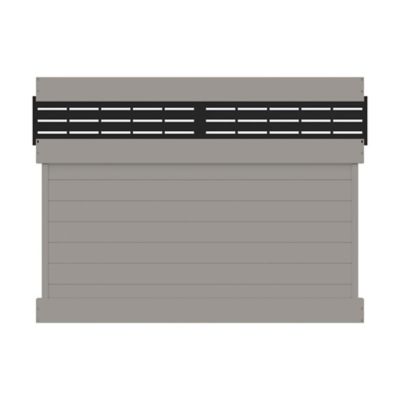
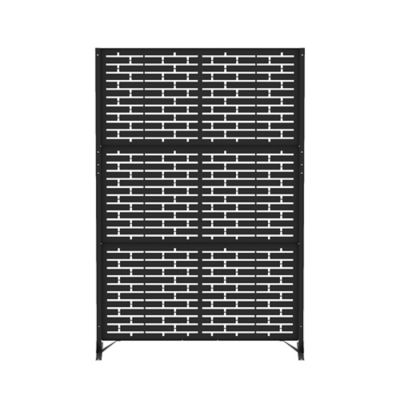
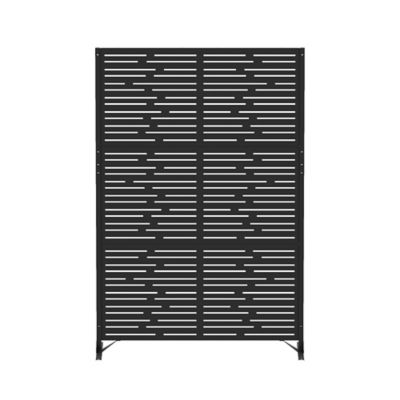
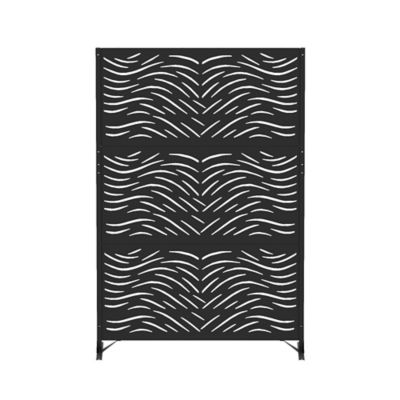
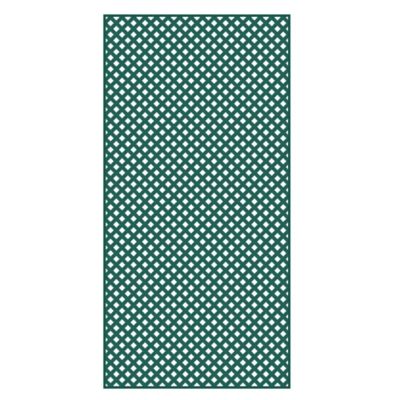
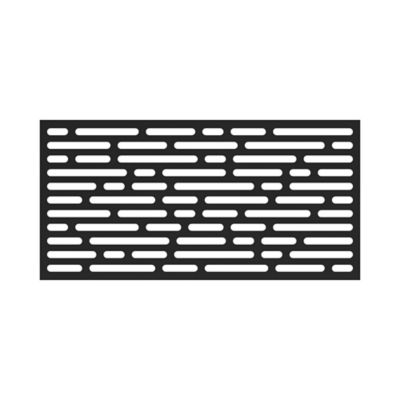
Privacy panels are barriers that block or soften sightlines, define outdoor spaces, and create separation around patios, porches, balconies, and yards. Depending on their construction, they can provide broad coverage or leave openings for light and airflow. A panel beside a backyard table can make supper feel a little more tucked away, while a row along a property edge can separate a sitting area from a neighboring driveway. On a larger place, panels can give the space behind the house a more settled feel without enclosing the whole yard. They also work well for screening trash cans, setting off a garden nook, or keeping an equipment parking area out of the view from the porch. The amount of privacy comes down to more than panel height. Solid surfaces offer the fullest visual coverage, while slats, lattice, and patterned openings leave some visibility through the barrier. Slat spacing and orientation affect what someone can see from the side, from a raised deck, or through a nearby window. A panel that screens a seated person may not hide the same area from someone standing, and an open pattern can reveal more when the space behind it is brightly lit. These differences make the shape of the yard and the position of nearby homes just as important as the panel’s appearance. Tall, closely spaced designs suit areas where blocking a direct view is the main goal; lower or more open designs help mark a boundary without making a small patio feel boxed in. Straight lines can echo a fence or railing, while leaf shapes and other cutout patterns bring a softer look beside garden beds. Comparing privacy panels with
Screen Panels can help narrow the balance of coverage, light, and airflow that fits the space. For households that share a fence line, entertain outside, or simply want a quiet spot with a chair and a cup of coffee, that balance matters more than appearance alone.
Material choice affects a privacy panel’s weight, upkeep, feel, and long-term performance. Wood offers natural grain and works comfortably alongside timber fencing, raised beds, and a farmhouse porch. Cedar is a common choice for outdoor screens because of its natural resistance to decay, although construction, placement, and care still affect how it holds up. Wood can change color, develop small checks, and expand or contract as its moisture content changes. A compatible stain or finish may help maintain the desired appearance, with care requirements depending on the wood and the manufacturer’s directions. Metal panels bring a different look, from simple horizontal lines to detailed cutout patterns. Galvanized steel has a zinc coating that helps resist corrosion, while powder-coated surfaces add a finished color and another protective layer. Scratches, cut edges, and fastener locations deserve attention because exposed metal may need treatment appropriate to the finish. Aluminum is generally lighter than steel, which can matter when comparing mounting requirements or moving a freestanding screen. Vinyl and high-density polyethylene, often called HDPE, provide alternatives to wood and metal, with surfaces that generally do not need painting or staining. UV resistance, panel thickness, and the design of the supporting frame are useful points of comparison for outdoor placement. Composite panels vary in their blend and construction, so their care needs should follow the maker’s recommendations rather than assumptions based on appearance. Across materials, a soft brush, mild soap, and rinsing are often suitable for ordinary cleanup, provided the care instructions allow them. Abrasive pads, harsh cleaners, and pressure washing can damage some surfaces. Keeping soil, mulch, and leaf buildup away from areas that need drainage also helps limit trapped moisture. A panel beside a busy gravel drive may need more frequent cleaning than one tucked behind a seating area, and a finish that hides fingerprints can be handy where family members regularly move chairs or open an adjoining gate.
Fit and support determine how comfortably privacy panels become part of an everyday space. Overall height and width tell only part of the story: the finished layout also includes posts, brackets, bases, gaps between sections, and any clearance the mounting system requires. Actual dimensions matter when filling an opening between existing posts or matching the height of a nearby fence. A surface-mounted panel needs a suitable supporting structure, while an in-ground installation depends on appropriate posts, footings, and site conditions. Deck boards, railings, and thin paving surfaces should not be assumed to provide the same support as a structural frame or a properly prepared footing. Freestanding panels offer flexibility for arranging a sitting area, but their bases take up floor space and need the stability specified for their intended placement. Taller, more solid panels place different demands on their supports than shorter, open designs, so matching the panel, hardware, and mounting method is an important part of the purchase. Local rules, property lines, easements, and homeowners association requirements may also affect height and placement. Around working yards, enough room for a mower, wheelbarrow, gate swing, or feed cart keeps a screened corner from becoming a daily nuisance. A panel near a grill, fire feature, utility meter, or mechanical equipment must leave the clearances and service access that equipment requires; screening an air-conditioning unit, for example, should never restrict its ventilation. Privacy panels are primarily visual barriers, not automatic substitutes for security fencing, pool barriers, or pet and livestock enclosures. Openings, climbable patterns, and attachment points may make them unsuitable for those jobs. They also should not be expected to soundproof a yard simply because they block the view. With the right dimensions, material, and support, privacy panels can make a small porch feel more personal, give a gathering space a clear edge, or tidy the view across a busy backyard while keeping the space practical for everyday life.