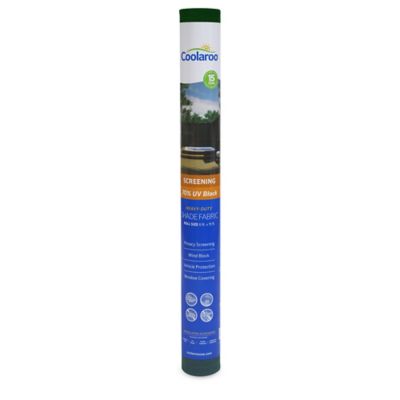
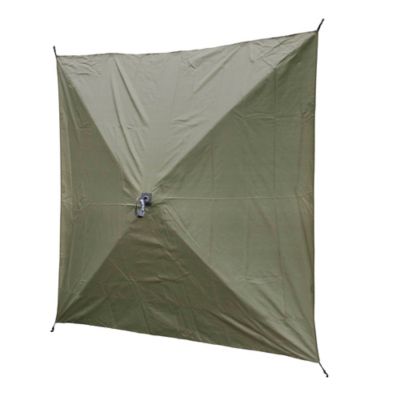
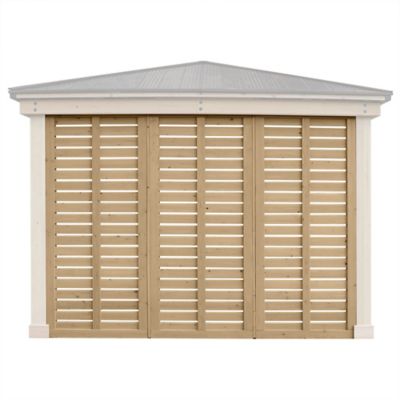
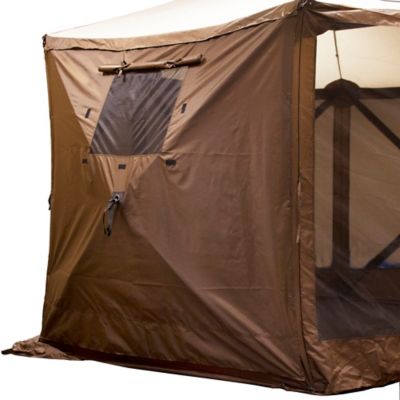
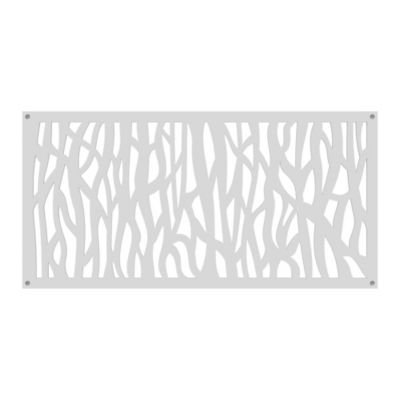
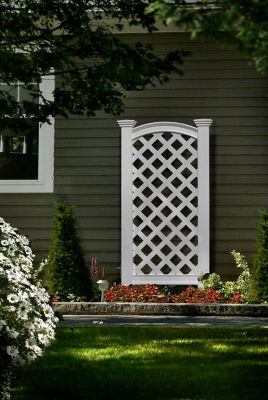
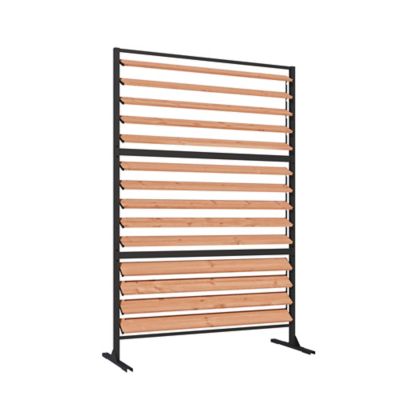
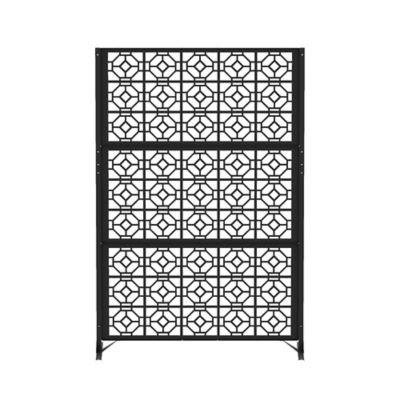
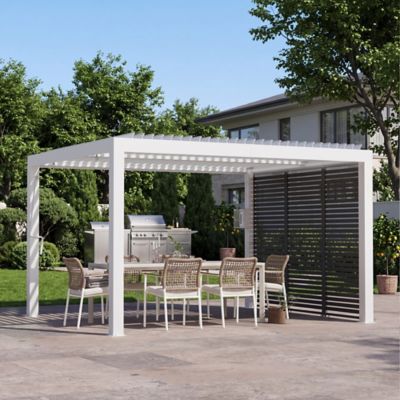
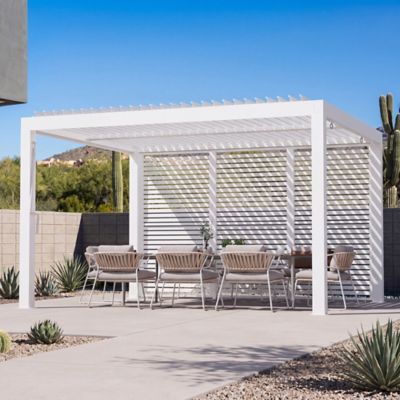
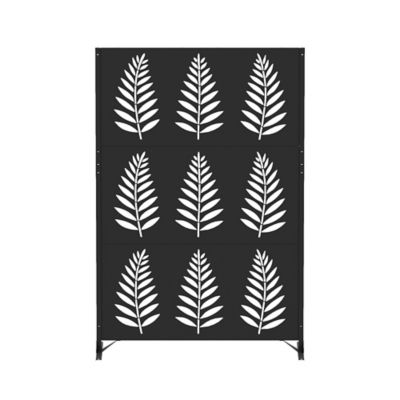
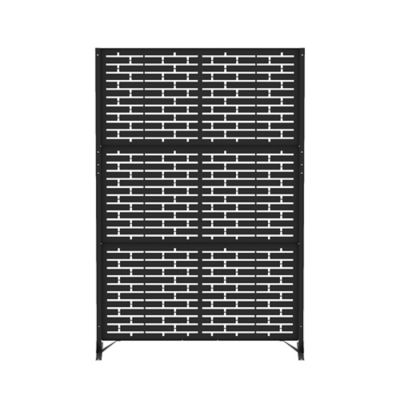
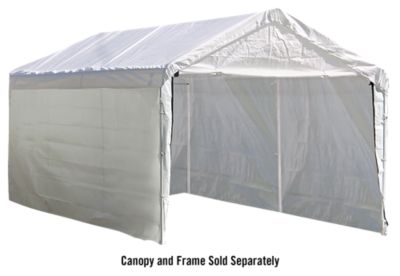
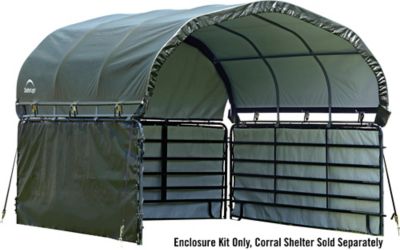
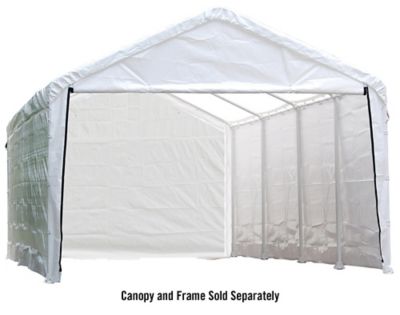
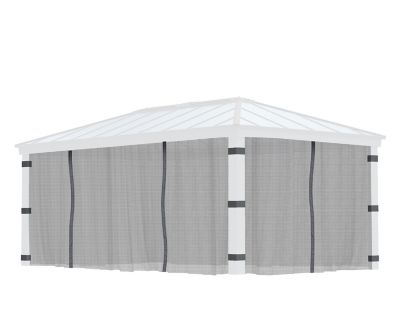
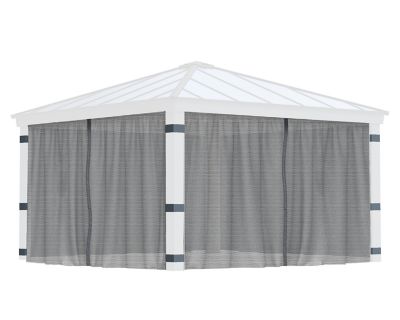
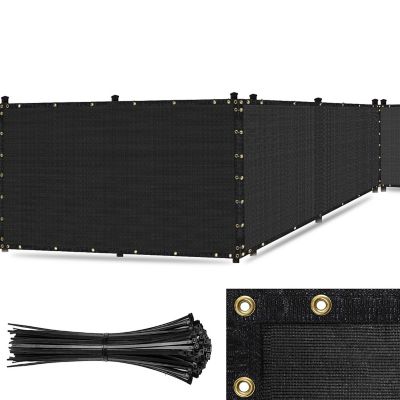
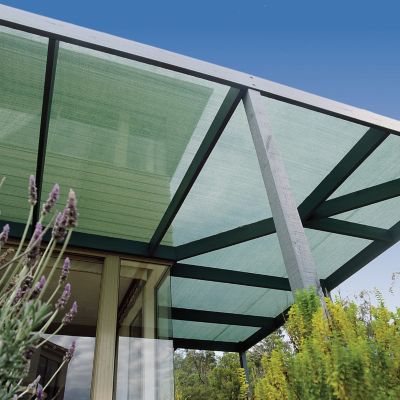
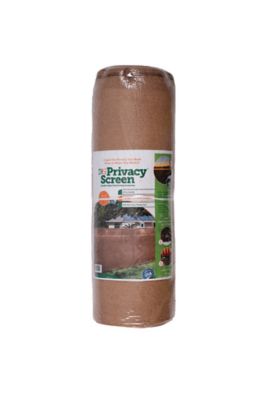
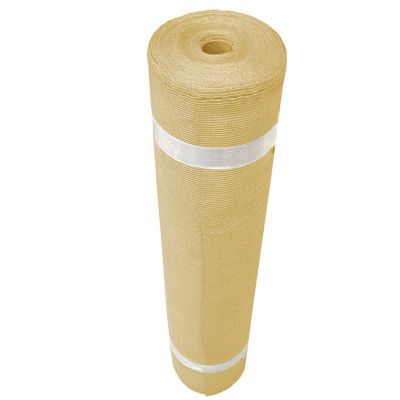
Privacy screens are a handy way to add a little separation wherever life feels too open. Around the home, they can help define a sitting area, shelter a porch or patio from neighboring views, or give a hot tub, outdoor shower, trash containers, firewood stack, or garden workspace a tidier appearance. On rural properties, a screen can also be useful around a kennel, chicken run, utility area, or section of fencing that needs a bit more coverage. They are not limited to permanent structures, either. Many people use them to create a more comfortable spot beside a camper, horse trailer, picnic area, or outdoor work table. During the warmer part of the year, a screen can make a busy yard feel more relaxed by giving folks a place to settle in without feeling like they are on display. As cooler weather rolls in, it may help block some wind around a porch or gathering area, though it should not be treated as a substitute for a properly built windbreak or a secure enclosure. For a more permanent solution, take a look at
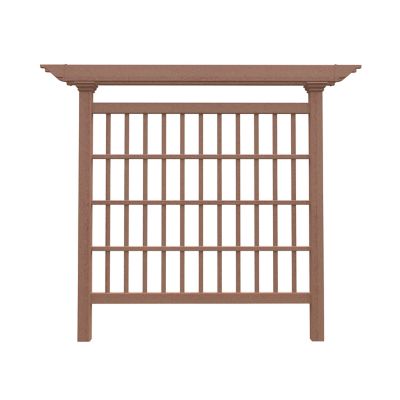
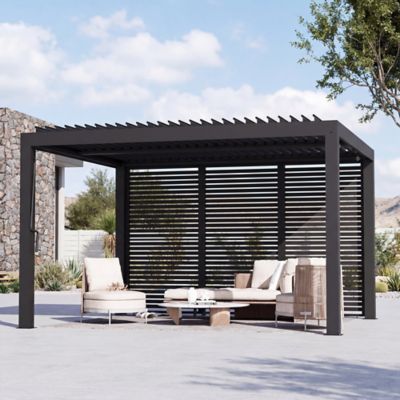
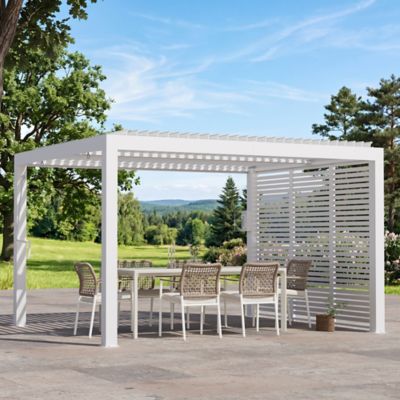
Privacy Screen Fences, while portable and semi-permanent options can be useful for renters, seasonal setups, changing work areas, and anyone who prefers flexibility. A privacy screen can be especially helpful when the space serves more than one purpose. A side yard might hold a garden bench in the afternoon, a children’s play area later on, and muddy boots or outdoor gear by evening. A screen helps these everyday zones feel separate without requiring a full construction project.
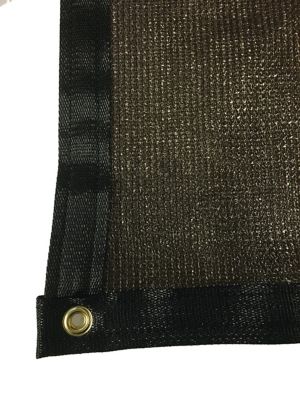
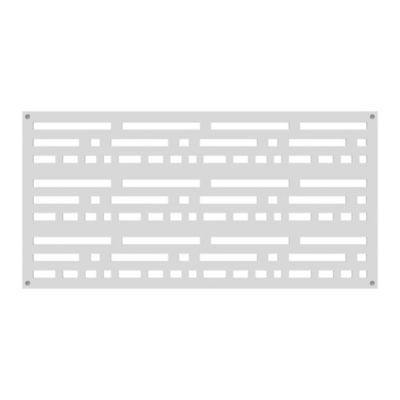
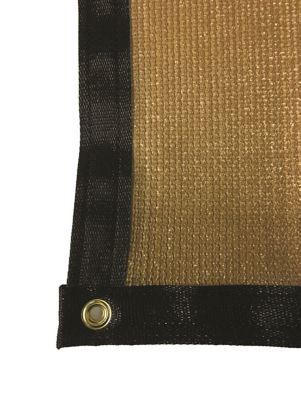
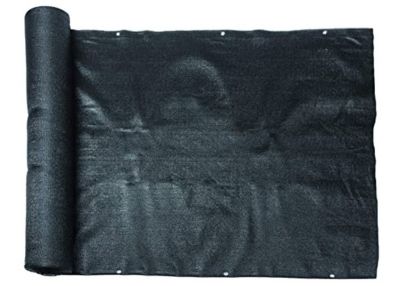
Before choosing a privacy screen, consider where it will go, how much coverage is needed, and what kind of weather it will face. Measure the length and height of the area rather than estimating by eye; a few extra inches can make the difference between a clean-looking barrier and one that leaves an awkward gap. Think about whether the screen needs to cover one side, wrap around a corner, or stand as a freestanding divider. Check the surface where it will be attached, too. A screen mounted to a solid wall, wood post, metal frame, or fence may need different hardware than one secured to the ground. For temporary setups, look for a design that can be taken down, moved, folded, or stored without a fuss. For longer-term use, sturdy attachment points and a dependable support structure matter just as much as the screen material itself. In open country, wind deserves special attention. A broad, solid panel can catch gusts like a sail, so a properly braced frame, reinforced edges, and secure anchors are important. Mesh and woven materials may allow some air to pass through while still softening the view, but no screen should be left loose where it could flap against a building, scrape a vehicle, or become a hazard around people and animals. Look for materials suited to the job, whether that means weather-resistant fabric for seasonal use, coated mesh for airflow and visibility control, or a more substantial panel for a fixed outdoor area. Color and texture also make a difference. Darker tones often blend into shaded spaces and landscaping, while neutral shades can fit neatly beside siding, gravel, wood, or fencing. If the screen will sit near a grill, heater, fire pit, or other heat source, keep the manufacturer’s safety guidance in mind and leave proper clearance. Privacy is useful, but safe placement comes first.
These screens can serve homeowners, renters, gardeners, livestock owners, contractors, campers, and anyone trying to make better use of an outdoor area. A new homeowner may appreciate one as a practical housewarming gift, especially when the backyard is still coming together and the patio feels a little too exposed. They can also be a thoughtful choice for someone settling into a new apartment, setting up a camper, building a home kennel, or preparing an outdoor space for gatherings. Gardeners may use screens to hide compost bins, potting supplies, hoses, and stacked bags of soil while keeping their work area close at hand. Pet owners often appreciate a little separation around feeding stations, crates, or outdoor runs, but screens should never replace safe supervision, proper ventilation, or secure fencing. Likewise, anyone using a screen near livestock should choose a setup that cannot snag horns, hooves, halters, or curious paws. For work and farm projects, privacy panels can help keep a temporary jobsite orderly, provide a visual barrier around stored materials, or make a break area feel more comfortable. Keep maintenance simple by checking fasteners, ties, posts, and edges from time to time, especially after strong weather. Brush away dirt and debris, allow fabric to dry before storing it, and follow the care instructions for cleaning. When the screen is not needed, storing it in a dry place can help extend its useful life. A well-chosen privacy screen does more than block a view. It can turn the narrow strip beside a garage into a useful sitting spot, make a porch feel more settled, or give a hardworking yard a cleaner, calmer look without taking on a major building project.