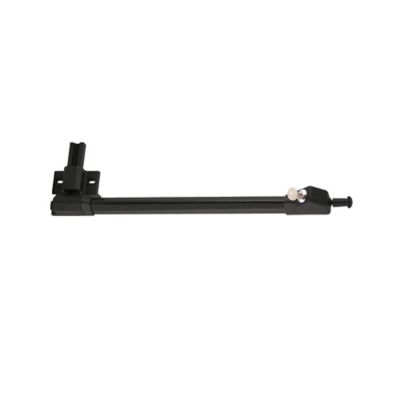
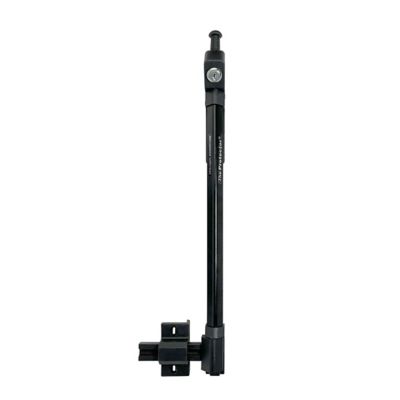
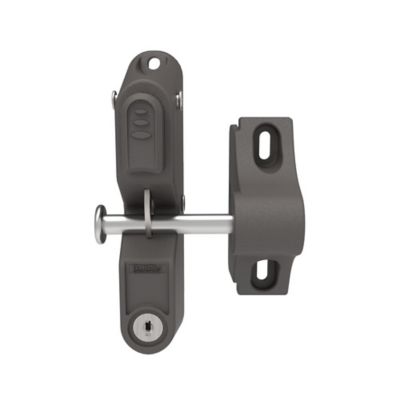
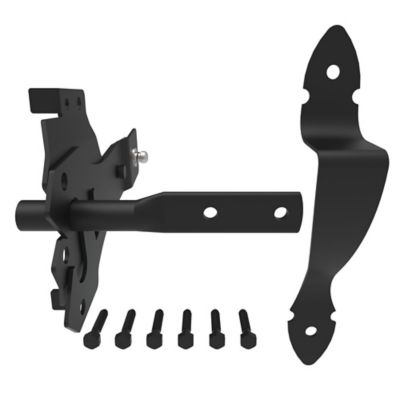
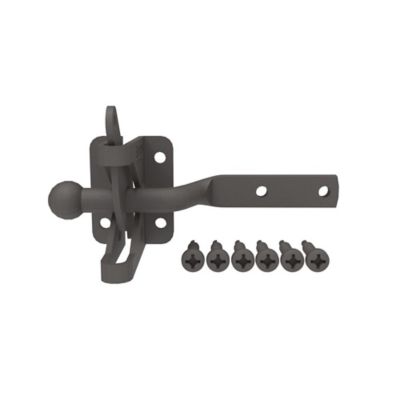
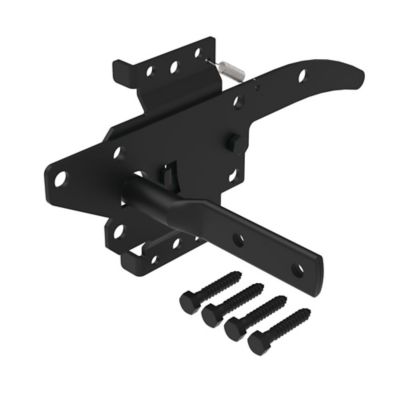
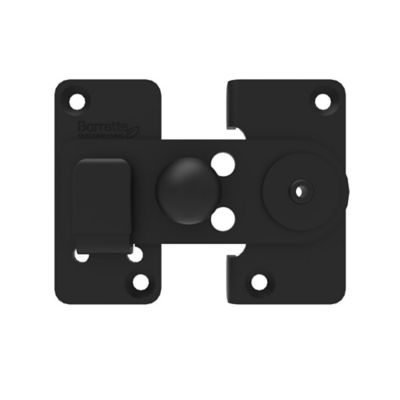
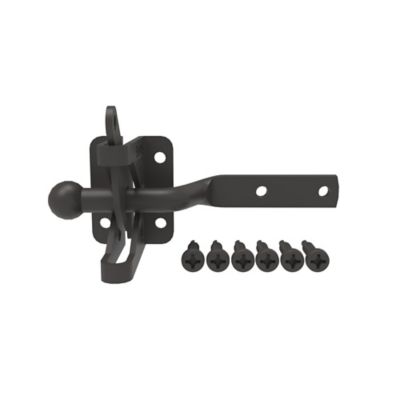
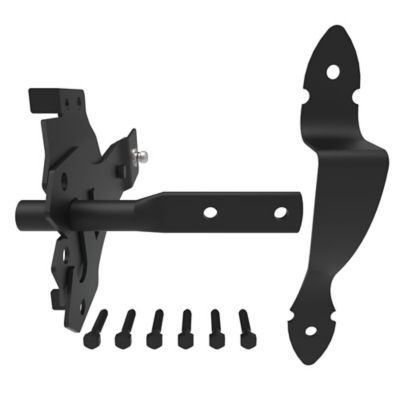
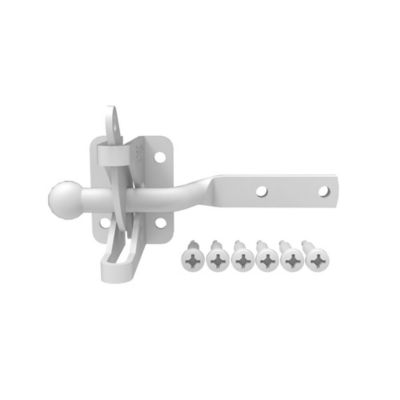
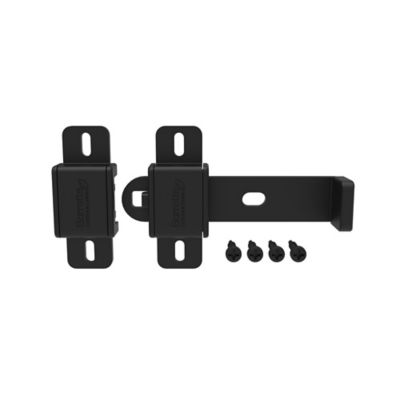
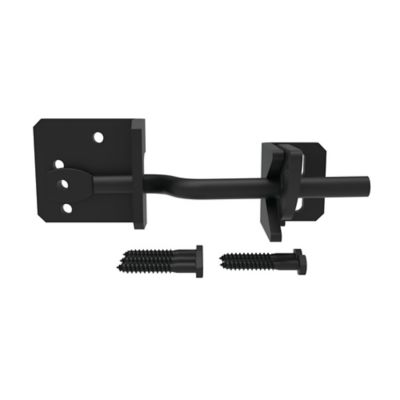
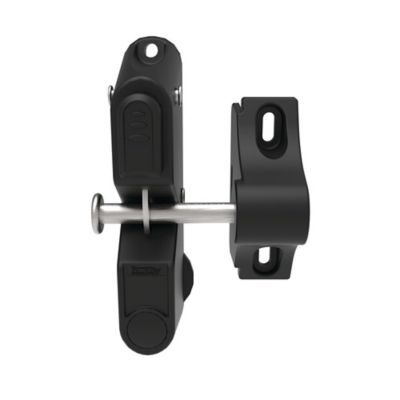
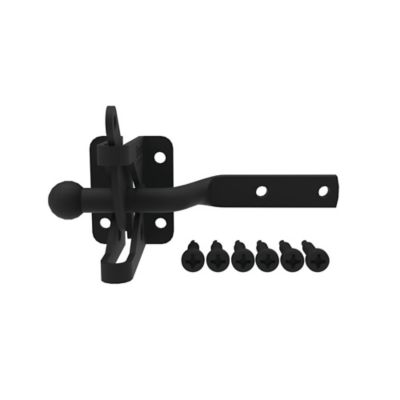
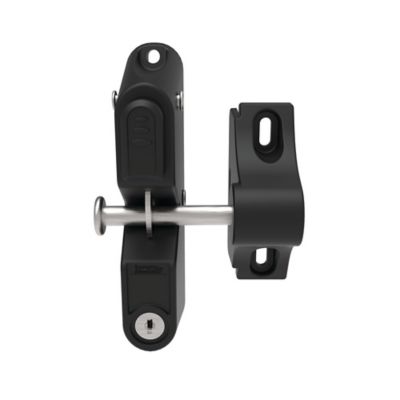
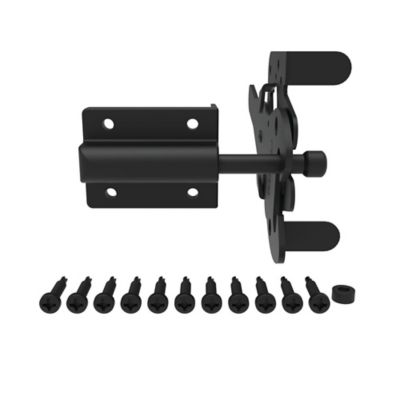
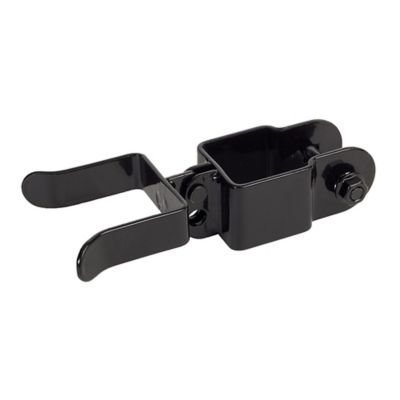
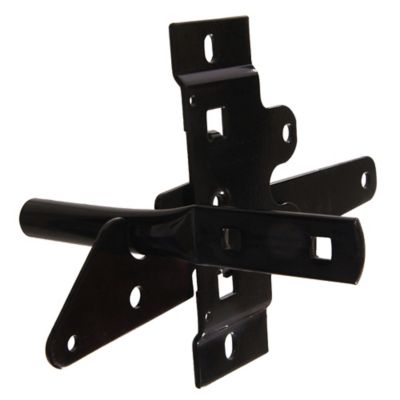
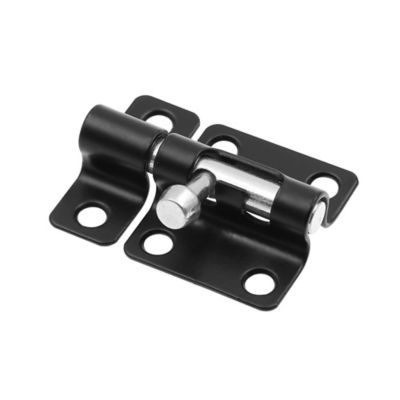
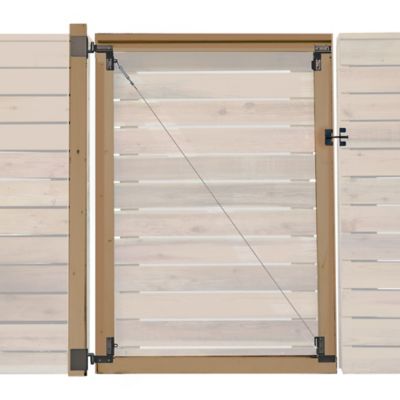
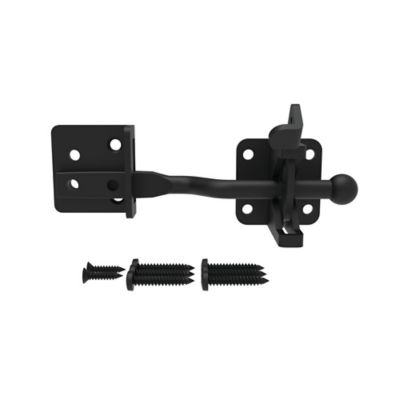
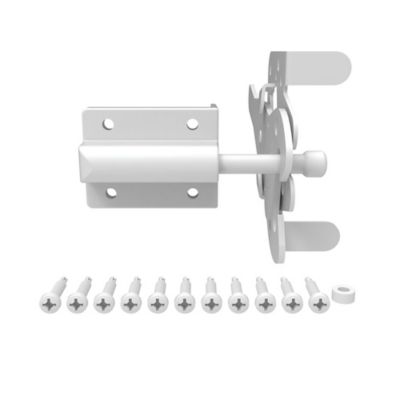
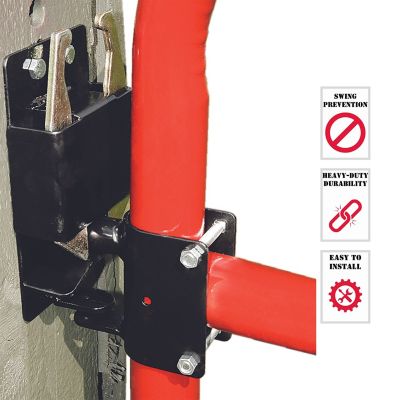
Privacy fence gate latches hold a gate shut by connecting hardware on the gate to a catch or keeper on the fence post. They help keep backyard entrances, side yards and fenced work areas closed while giving you a practical way to come and go. A latch secures the gate once it reaches the closed position; it does not necessarily pull the gate closed. That job belongs to suitable hinges or a separate closing mechanism. The right latch depends on the gate material, its size and swing direction, the space between the gate and post, and whether you need access from one side or both. On a tall privacy fence, that last detail matters: reaching over the top may not be practical, especially with a feed sack on your shoulder or a wheelbarrow waiting behind you. Gravity latches typically let a latch arm drop into a catch as the gate shuts, while spring-loaded designs depend on spring tension to engage their holding mechanism. Thumb-operated and lever-style hardware offer other ways to release the gate, with operation varying by design. Some latches accept a separate padlock; others have an integrated key cylinder. A lockable latch is not automatically accessible from both sides, so the release and locking arrangement deserve a close look. A backyard gate that family members pass through several times a day calls for different access than a side gate protecting a tool storage area. Handles that are easy to grip, releases that can be reached without stretching, and hardware positioned clear of pinch points make everyday trips less of a chore. For households with dogs, a latch that fully engages helps reduce the chance of a gate being nudged open, but it still needs to suit the gate and receive regular checks. Privacy comes from the fence and gate panels themselves; the latch helps keep that entrance shut rather than filling gaps or blocking sightlines.
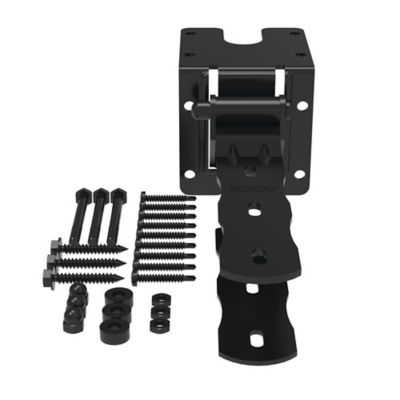
Materials and mounting details have a lot to do with how privacy fence gate latches perform over time. Steel offers strength for many wood and metal gate applications, with galvanized or powder-coated finishes helping protect the underlying metal from corrosion. Stainless steel offers another corrosion-resistant option, while certain latch designs combine metal working parts with a polymer housing. Material names alone do not tell the whole story: fasteners, internal components, finish coverage and the manufacturer's intended application also matter. A finish that coordinates with hinges and handles can give the gate a tidy appearance, but the mounting pattern and operating clearance come first. Wood gates need fastening points with enough substance to hold the hardware, often at a frame member rather than a thin fence picket. Vinyl gates may need reinforcement or designated mounting locations, and metal gates require hardware and fasteners suited to their frame construction. Following the mounting requirements helps avoid a latch that looks right but has little support behind it. Fit also includes the distance between the gate edge and post, the depth of the latch body, and the clearance needed for the release to move freely. A latch intended for an inward-swinging gate may not work the same way on an outward-swinging entrance, and some designs have specific left-hand or right-hand arrangements. Adjustable mounting positions can help bring the latch and keeper into alignment, particularly where a wide gate has settled slightly. Still, a latch should not carry the weight of a sagging gate or force a twisted frame into place. Sound posts, properly fitted hinges and a gate that swings without dragging give the latch a better starting point. For an entrance wide enough to roll a mower through, sturdy framing and suitable hinges matter just as much as the catch. On double gates, securing the inactive leaf may require separate hardware so the active gate has a steady point to latch against.
Everyday operation is worth considering alongside materials and fit. A latch should engage without needing a hard slam, and its release should move without sticking or scraping against nearby boards. Where automatic closing is part of the setup, the gate closer and latch need to work together: enough closing force to bring the gate into position, but not so much that it bangs into the post. The
Self Closing Gate Latches page is relevant when a gate needs to latch again after someone passes through, though a compatible closing mechanism is still necessary to move the gate shut. A gate beside the house might see repeated trips with groceries, garden tools and trash cans, making convenient access especially important. An entrance to a fenced equipment area may put more emphasis on locking and controlled entry. Neither situation benefits from hardware that needs a lift, a shove and a little luck every time it closes. Regular care can stay straightforward: keep dirt and plant debris out of the catch, check that mounting screws remain snug, and look for wear where moving parts meet. Lubrication should follow the manufacturer's directions, since some mechanisms call for specific care and others need little or none. Tightening hardware should not crush a hollow gate section or distort a latch housing. If the gate begins missing the keeper, checking the hinges, post and mounting points helps identify the cause rather than simply moving the latch again. For gates serving children or pets, release placement and resistance to unintended opening deserve extra attention, without treating a latch as a substitute for supervision. Pool barriers have separate safety and code requirements, and an ordinary yard latch should not be assumed to satisfy them. With the gate structure, access arrangement and latch working together, a privacy fence entrance can stay straightforward to open, close and secure through the daily traffic of a busy property.