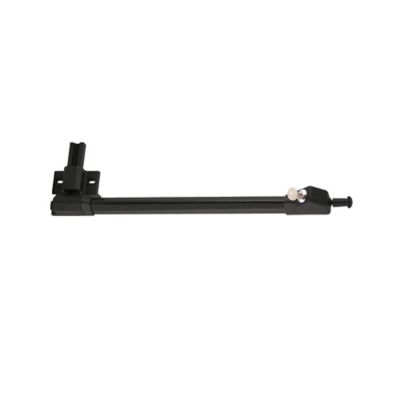
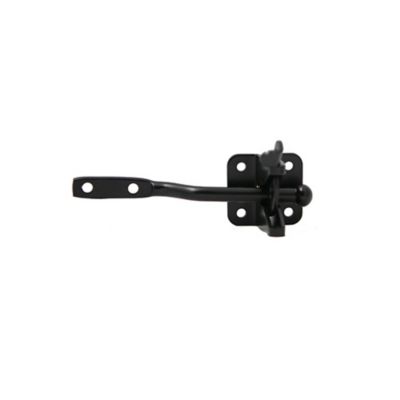
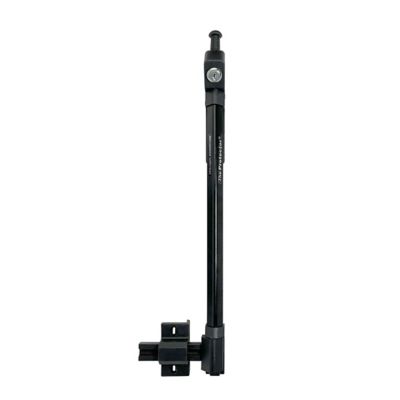
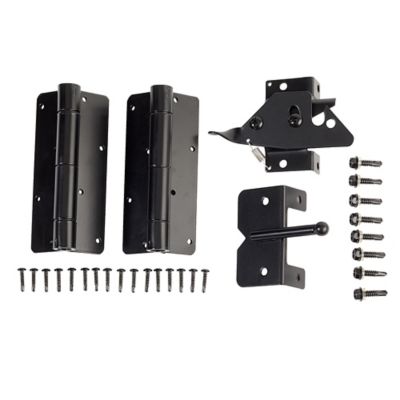
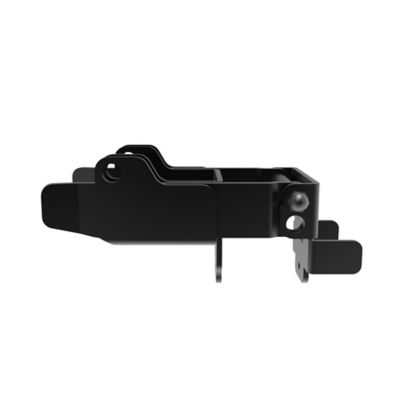
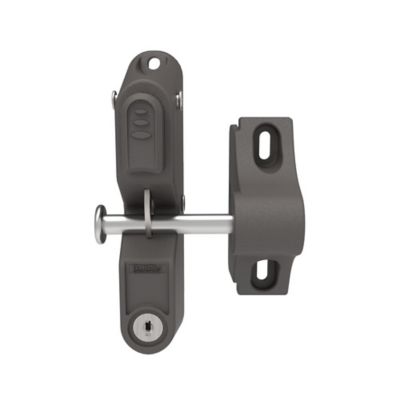
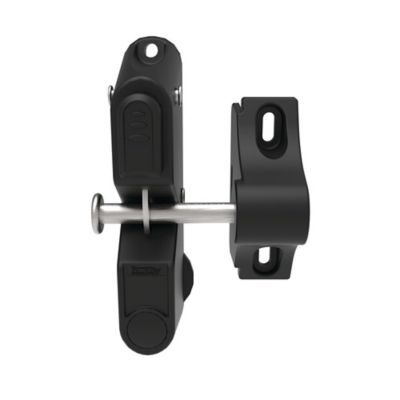
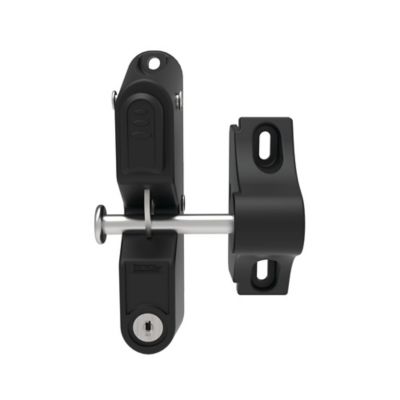
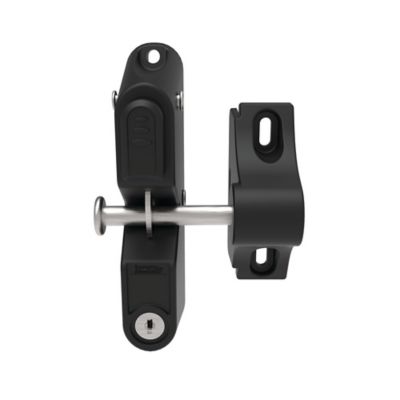
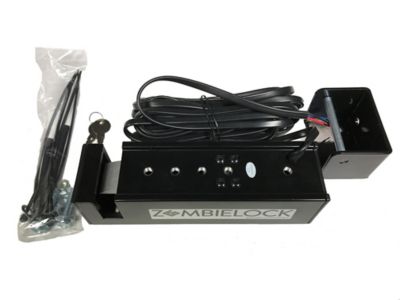
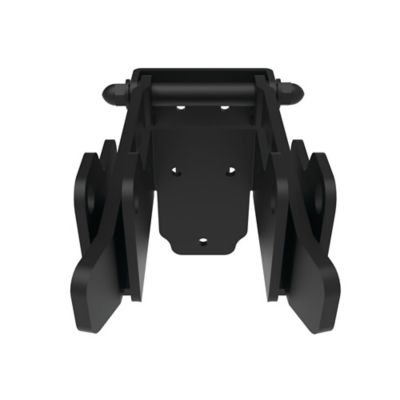
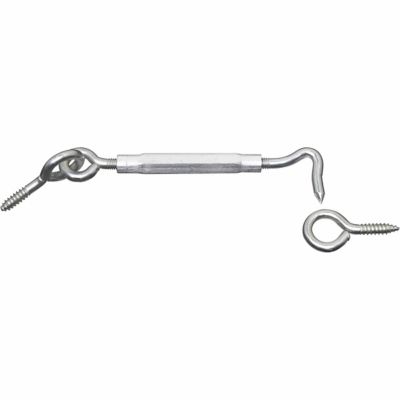
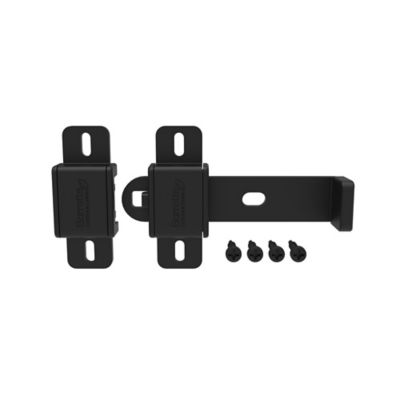
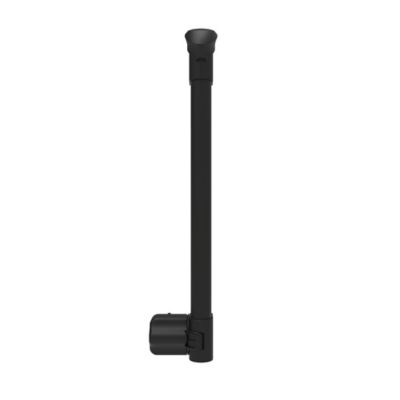
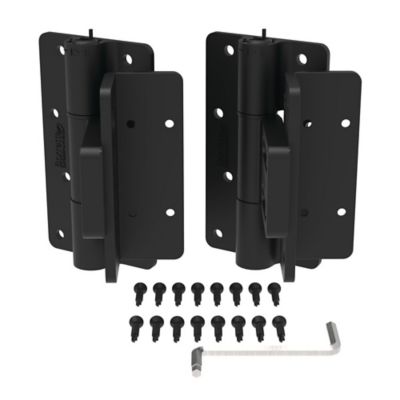
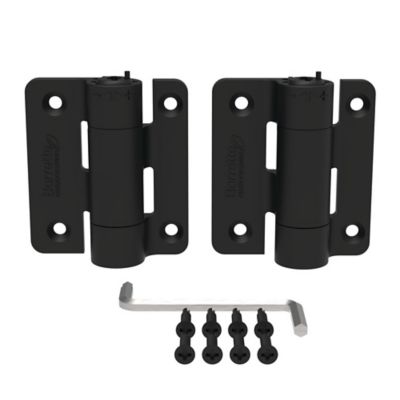
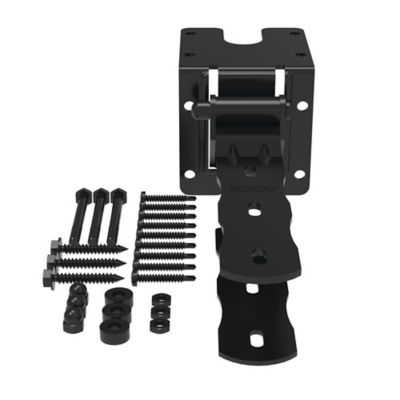
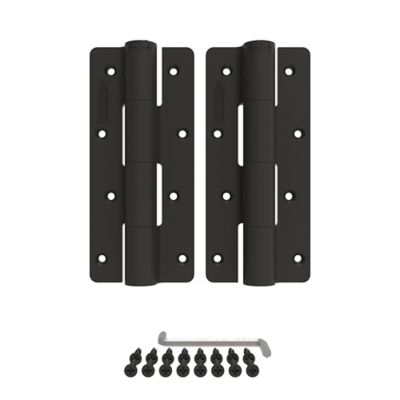
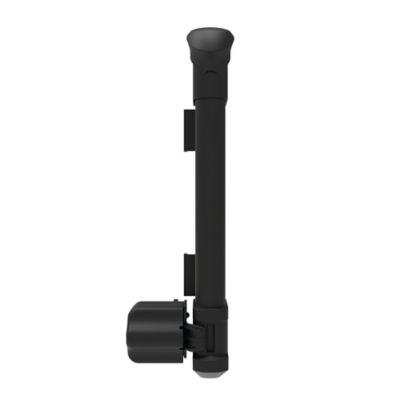
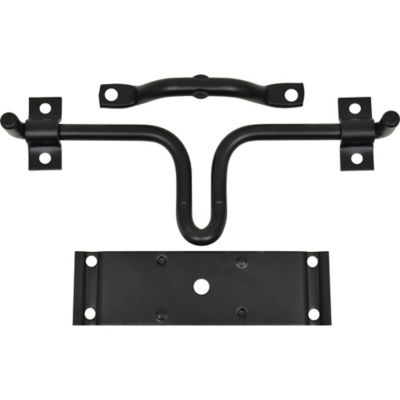
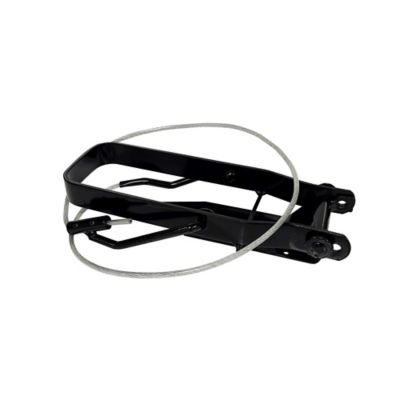
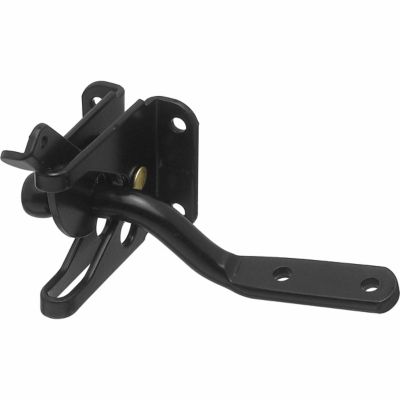
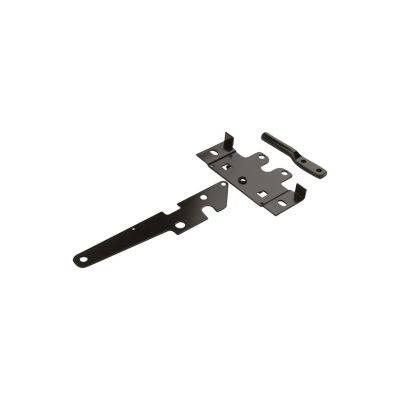
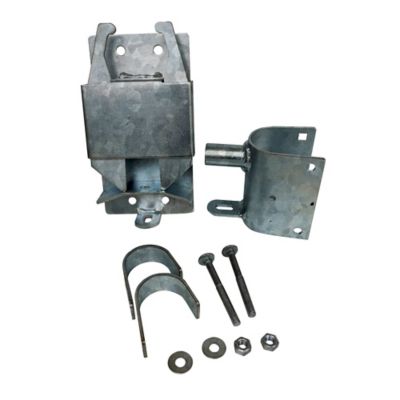
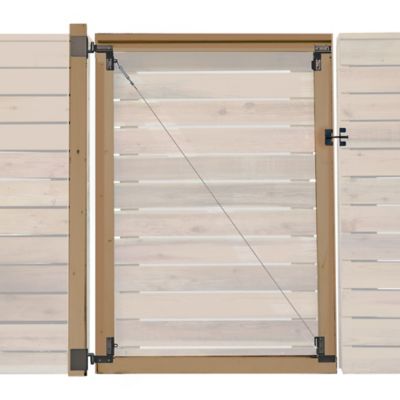
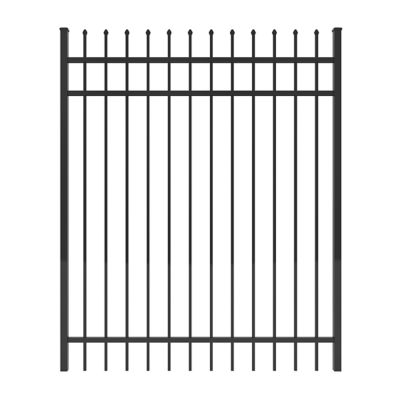
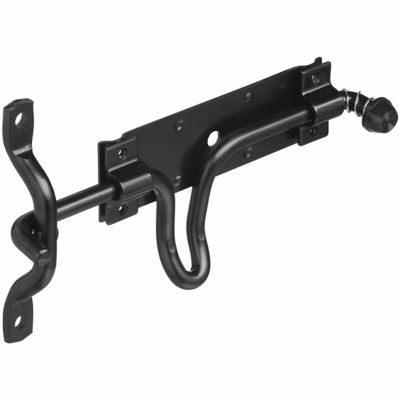
Aluminum fence gate latches hold a metal gate closed while giving you a practical way to get between the yard, garden, driveway or fenced work area. The right latch makes everyday trips simpler, whether you’re carrying feed toward a backyard pen, rolling a mower through a side gate or keeping the family dog inside a fenced yard. These latches are made to work with aluminum gates, but the latch itself may contain aluminum, stainless steel, coated steel or engineered polymer components. Gate compatibility matters more than having every part made from the same metal. Common designs include gravity latches, magnetic latches and locking mechanisms, with each offering a different way to close, release or secure the opening. A gravity latch typically has a moving arm that lifts as the gate’s striker enters, then drops into place to hold the gate shut. Its straightforward action suits many yard and utility entrances when the gate and post stay properly aligned. A magnetic latch uses magnetic attraction within the latch assembly to engage its catch; it does not depend on the aluminum gate itself attracting a magnet. Depending on the design, release may involve a pull knob, push action or another operating mechanism. Key-lockable latches add controlled access, and some allow operation from both sides of the gate. Locking capability can be part of either a gravity or magnetic design, rather than a separate closing style. Fork latches are another option for certain tubular metal gates, but their wrap-around shape must match the gate frame and post. A fork latch intended for round chain-link tubing is not automatically a fit for a square aluminum gate frame. For a homeowner, small-property caretaker or maintenance crew, the useful distinction is how the latch behaves during ordinary chores: whether it catches when the gate reaches the post, whether it can be opened from the approach side and whether it accepts the kind of lock the entrance needs. A simple garden opening and an access point beside a shared driveway can call for very different hardware.
Fit starts with the gate frame, latch-side post and space between them. Aluminum fence gate latches may mount to square tubing, a particular post face or a bracket that positions the catch across the opening. The gate-to-post gap needs to fall within the latch manufacturer’s stated range so the striker reaches the catch without scraping or binding. An adjustable striker or mounting bracket can provide some room for alignment, but it cannot make up for a badly sagging gate or a loose post. Frame width, post dimensions, wall thickness and available mounting space all affect the connection. On a narrow gate rail, a broad mounting plate may extend beyond the surface; on a hollow frame, the fastener arrangement must suit the material rather than simply resemble the old hardware. The specified screws, bolts or backing hardware help keep the latch attached without putting unnecessary stress on the aluminum. Swing direction matters, too. An inward-swinging gate and an outward-swinging gate may need different latch positioning, and some designs are intended for a particular right-hand or left-hand arrangement. Others can be reversed according to their installation instructions. The release should remain reachable from the intended side without colliding with a fence picket, post cap or nearby handle. For double gates, the active leaf needs a secure receiving point, and the other leaf may require separate hardware to hold it steady. A latch catches a gate once it reaches the closed position; it does not necessarily pull the gate closed. Self-closing hinges or a separate closer handle that job when required. This distinction is especially important around swimming pools. A magnetic latch alone does not establish pool-barrier compliance, and neither does a key lock. Local requirements may address release height, access to the release, opening direction, self-closing action and self-latching performance. Pool entrances need hardware and installation that satisfy the applicable rules, along with regular checks that the gate closes and catches as intended. No latch replaces adult supervision or the other safeguards required for the enclosure.
Materials, finish and routine care all contribute to how well a latch holds up to repeated opening and closing. Aluminum resists rust, while stainless steel components and suitable coatings can help protect other metal parts from corrosion. Powder-coated finishes also give latch hardware a finished appearance alongside painted or coated aluminum fencing. Black, white and other finish choices can blend with the gate or make the release easier to spot, depending on the look and function of the entrance. Where different metals meet, manufacturer-specified fasteners and any required isolating components help limit corrosion at the connection. Engineered polymer housings can offer another approach, though their mounting requirements and intended applications still deserve a close look. Beyond the finish, the parts that take repeated contact matter: the striker, catch, pivot and mounting points carry the work every time the gate closes. A gate at the main path to a workshop may see far more cycles than one opened occasionally for mowing access. Wider or heavier gates need latches rated for that application, and an aluminum yard gate should not be assumed suitable for containing large livestock just because its latch locks. For everyday care, clearing dirt and grass clippings from the catch helps keep the mechanism moving freely. Cleaning methods and lubrication should follow the manufacturer’s instructions, since some enclosed or polymer mechanisms have different needs from exposed metal pivots. Loose fasteners, fresh scrape marks and a striker that only barely catches are signs that alignment needs attention. A properly fitted gate should not require lifting, slamming or a hard shove to latch. Practical details count during chores, too: a release with enough finger clearance can be easier to operate with work gloves, while access from both sides helps when the route runs between the yard and an outbuilding. For an entrance built around solid panels rather than open aluminum pickets,
Privacy Fence Gate Latches provide a related hardware category where panel thickness and access through the gate can shape the fit. Matching the latch to the actual opening keeps the focus where it belongs: a gate that closes cleanly, stays latched and opens without a struggle.