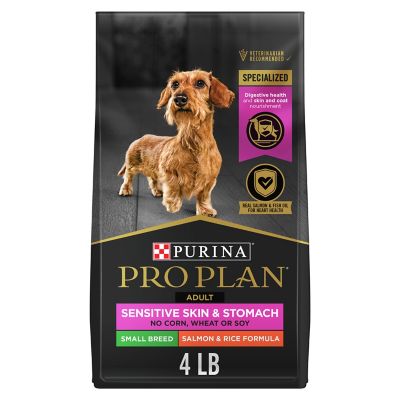
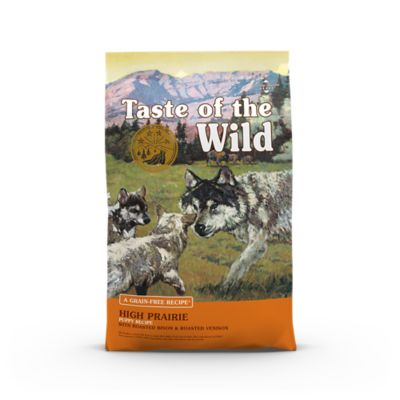
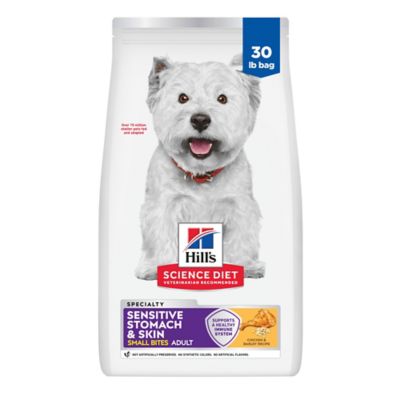
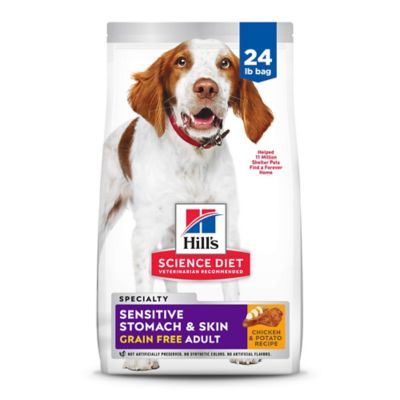
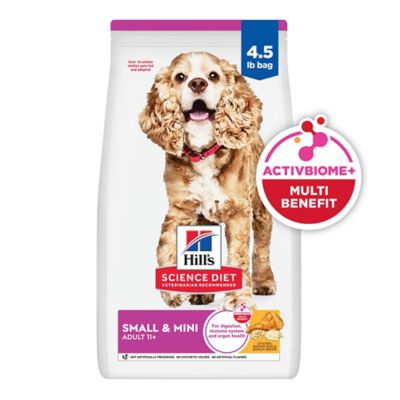
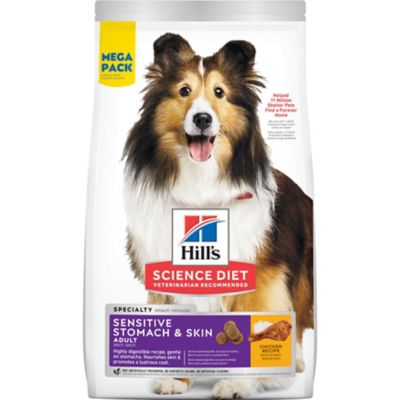
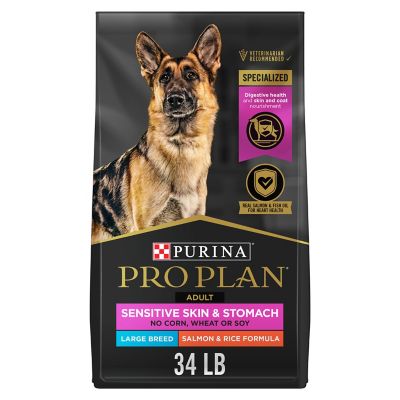
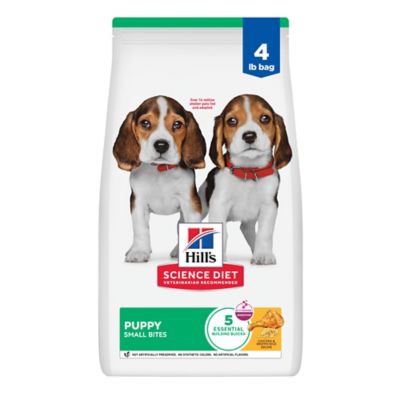
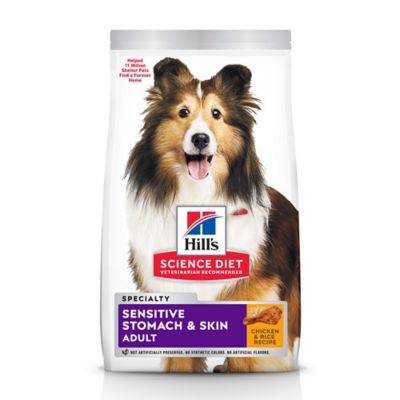
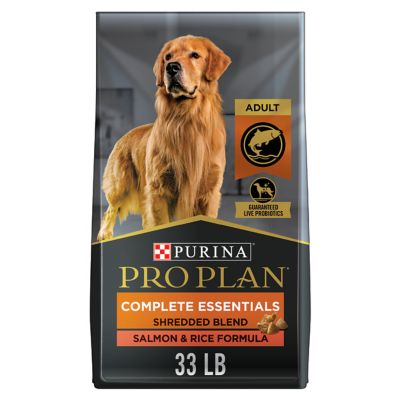
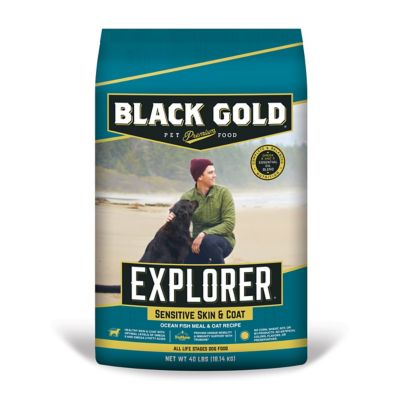
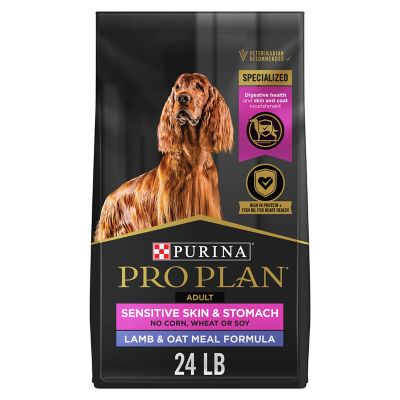
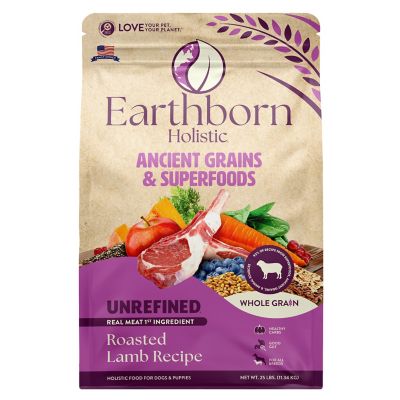
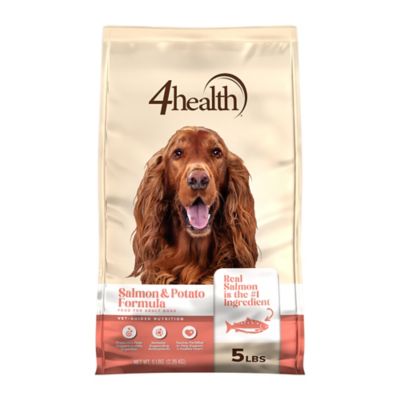
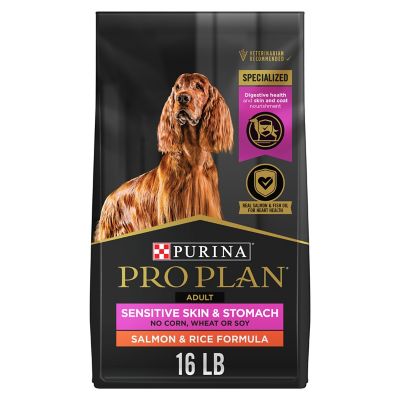
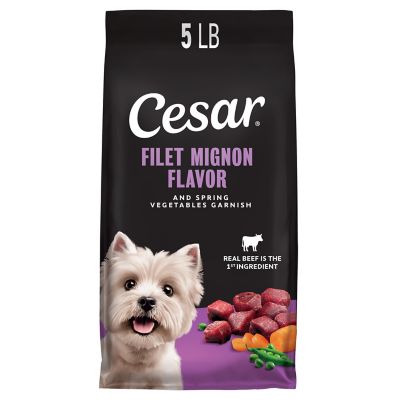
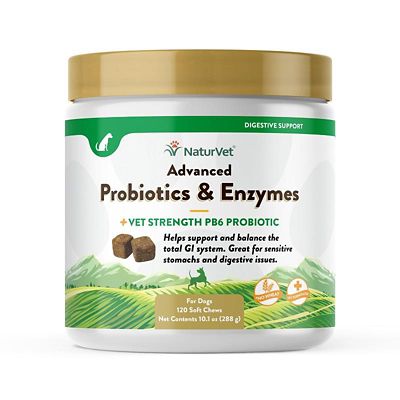
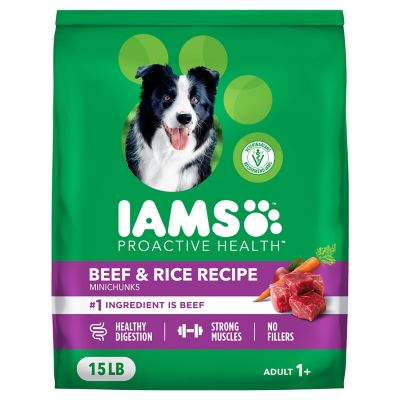
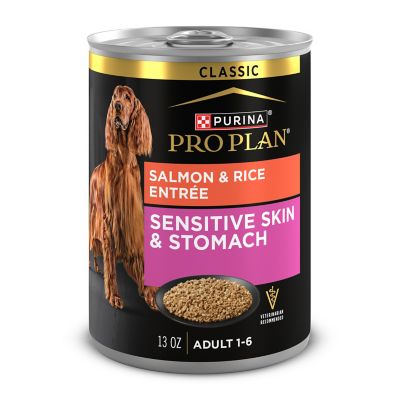
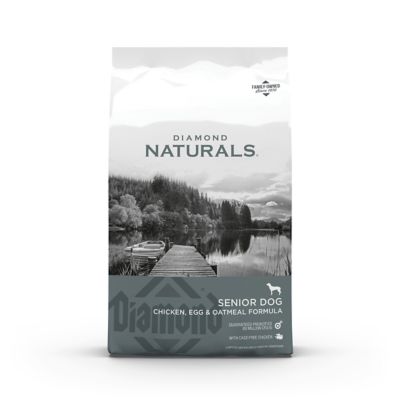
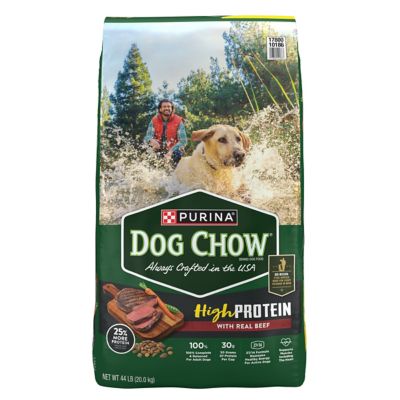
Prebiotic dog food is made with ingredients that help nourish beneficial bacteria in a dog’s digestive tract. Unlike probiotics, which add live microorganisms, prebiotics are types of dietary fiber that pass through part of the digestive system and serve as fuel for helpful gut bacteria. A balanced gut can support regular digestion, healthy stool quality and overall wellness, which makes prebiotic dog food a practical choice for pet owners who want to be thoughtful about everyday nutrition. These formulas may be useful for adult dogs with sensitive stomachs, dogs adjusting to a new routine, or pets whose meals include added fiber as part of a complete and balanced diet. They can also be a handy option for multi-dog households where keeping feeding simple matters. During the cooler months, when dogs may spend more time indoors and get less room to roam, a consistent feeding routine and appropriate nutrition can help keep mealtimes—and cleanup—running smoothly. Look for a food that matches your dog’s life stage, size and activity level, and check the label for a nutritional adequacy statement showing that it is intended as a complete meal rather than a supplemental treat. Senior dogs may have different calorie, protein and fiber needs than young, active pets, so a food selected for older dogs can be worth considering; browse
Senior Dog Food for options suited to that stage of life. A farm dog covering the pasture, a family dog lounging by the woodstove and a growing pup learning the household rhythm all need meals chosen with their individual needs in mind.
Common prebiotic ingredients include chicory root, inulin, fructooligosaccharides, beet pulp and Jerusalem artichoke. These concentrated sources of fermentable fiber are often included in commercial dog food in carefully measured amounts. Other foods naturally associated with prebiotic fiber include plain canned pumpkin, cooked sweet potato, oats, ground flaxseed and small portions of apple or banana. Pumpkin and sweet potato provide soluble fiber, while oats can offer gentle beta-glucans and ground flaxseed supplies fiber along with plant-based omega fatty acids. Apples should be served without seeds or the core, and bananas should remain an occasional small addition because fruit contains natural sugar. Never season these foods with butter, salt, onion, garlic, sweeteners or other table-food additions that may be unsafe for dogs. It is important to remember that an ingredient being high in fiber does not automatically make it appropriate for every pet, and more fiber is not always better. Too much at once can lead to gas, loose stool or reduced appetite, especially in a dog that is not used to it. Commercial prebiotic dog food is generally formulated so the fiber blend works as part of the full recipe, but every dog responds differently. Read the ingredient panel, compare guaranteed analysis information and consider the calorie content if your dog is prone to weight gain. For households that prepare occasional toppers, plain canned pumpkin or cooked, unseasoned sweet potato may be used in modest portions, but toppers should not replace a complete diet unless a veterinarian has helped build the meal plan. Fresh water should always be available, since adequate hydration supports normal digestion and helps fiber do its job.
When changing to a prebiotic dog food, take it slow instead of filling the bowl with a new recipe all at once. A gradual transition over roughly seven to 10 days can give your dog’s digestive system time to adjust: begin with a small amount of the new food mixed with the old, then increase the new portion a little every day while decreasing the previous food. Follow the feeding directions on the package, then adjust based on your dog’s body condition, appetite and activity. A dog that spends long days outside may need a different amount than a couch-loving companion, even when both weigh the same. Watch stool quality, gas, energy and interest in meals during the change, and keep notes if your pet has a history of digestive ups and downs. Prebiotic dog food is not a substitute for veterinary care. Persistent diarrhea, vomiting, constipation, blood in the stool, unexplained weight loss, marked lethargy or a sudden change in appetite calls for advice from a veterinarian, and dogs with diagnosed gastrointestinal disease, food allergies or other medical conditions may need a specific therapeutic diet. These foods can also make a useful, practical gift for someone bringing home a rescue dog or caring for a new puppy, especially when paired with a scoop, storage container or feeding mat, but it is best to confirm the dog’s age, size and dietary needs before choosing a bag. With the right recipe, sensible portions and a steady transition, prebiotic dog food can fit easily into the everyday rhythm of caring for a healthy, happy dog.