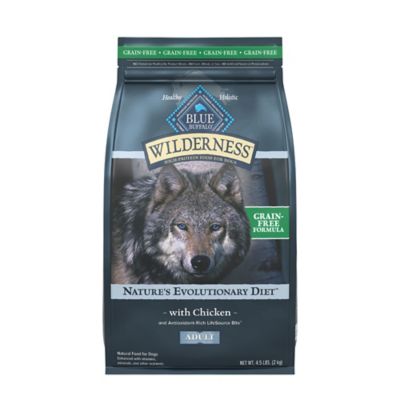
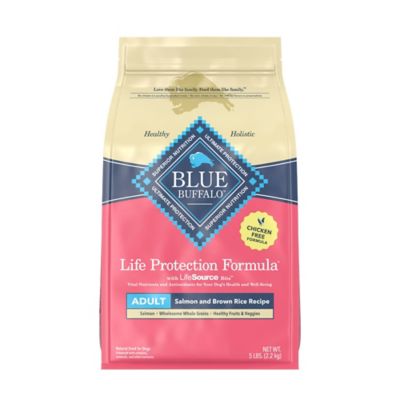
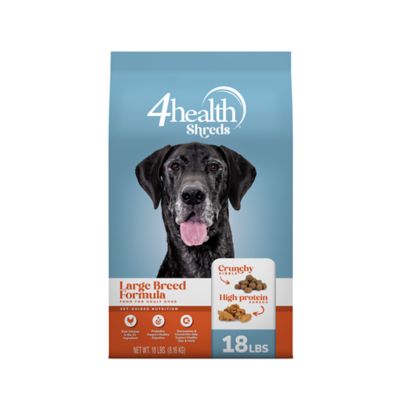
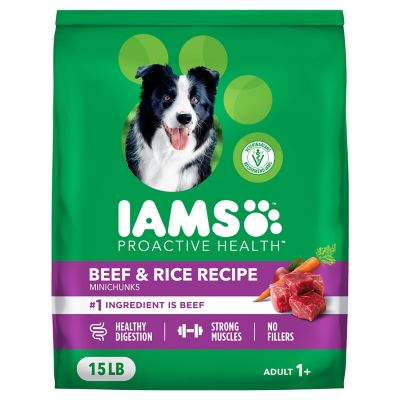
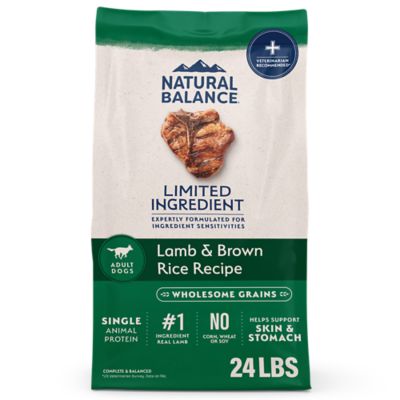
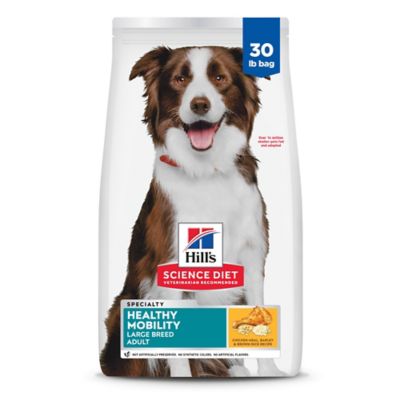
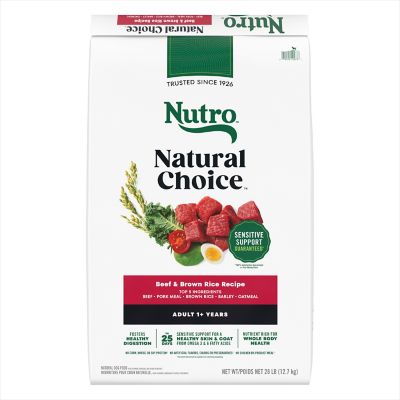
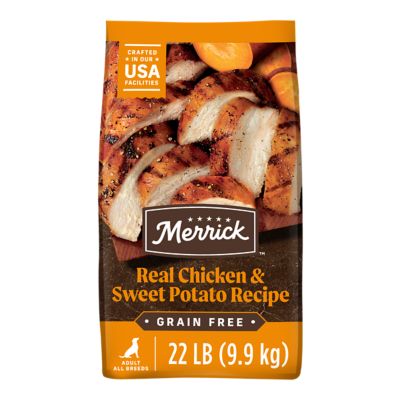
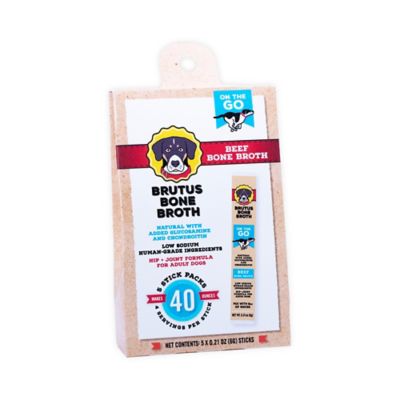
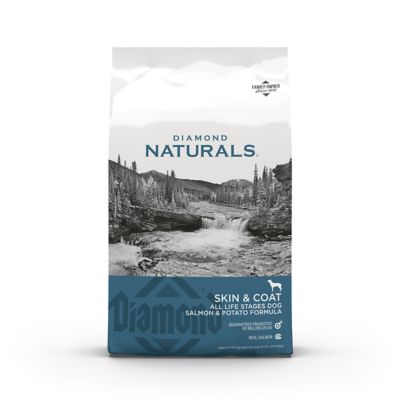
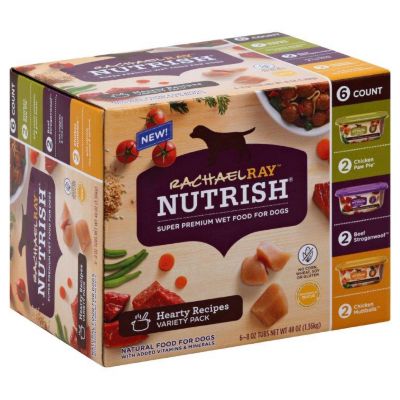
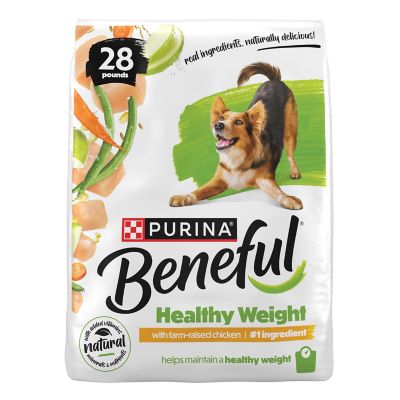
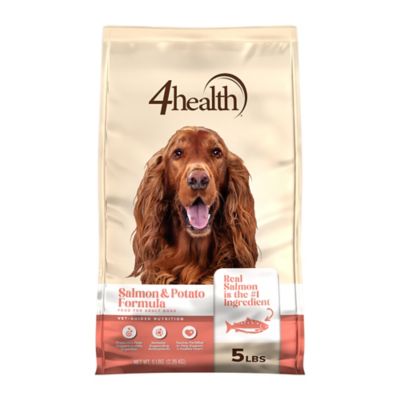
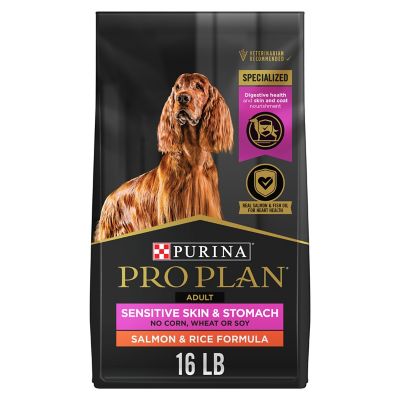
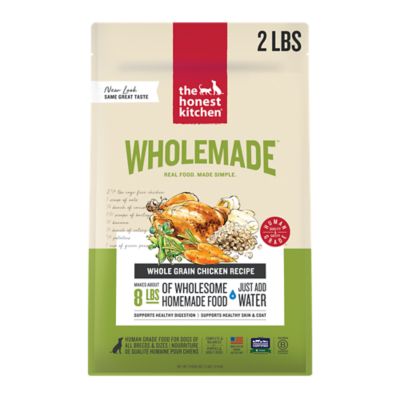
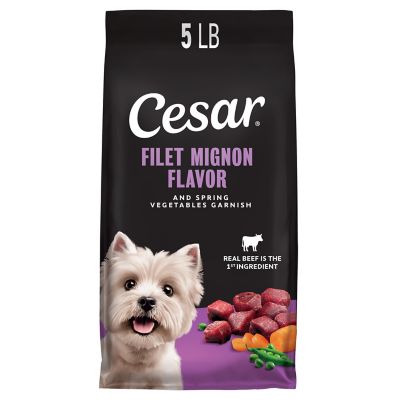
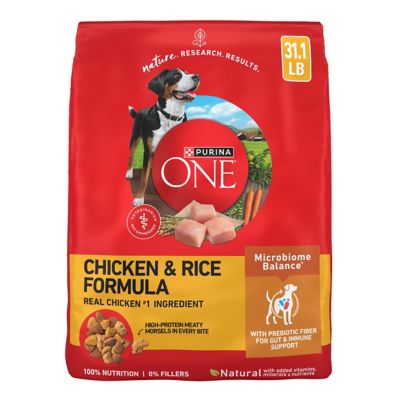
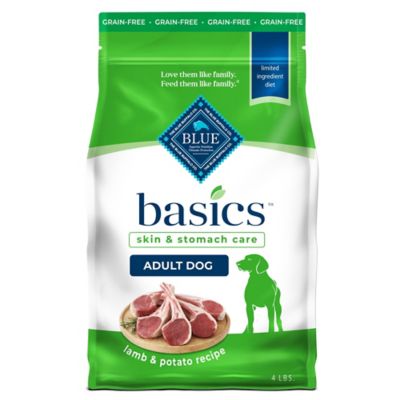
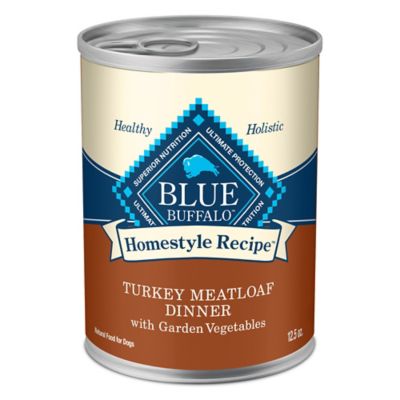
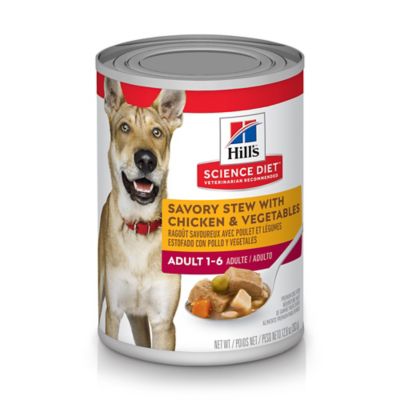
Natural dog food can be a good fit for pet parents who want to take a closer look at what goes in their dog’s bowl. “Natural” may describe recipes made with recognizable ingredients and fewer artificial colors, flavors or preservatives, but the term can vary by product, so it pays to read the label instead of relying on the front of the bag alone. Look for a complete and balanced statement from the Association of American Feed Control Officials (AAFCO), along with feeding directions that match your dog’s size, age and activity level. Puppies, adult dogs, seniors and working dogs can all have different nutritional needs, and a small companion who spends most of the day curled up on the porch will likely need a different calorie intake than a lively farm dog covering plenty of ground. Ingredient lists can also help you compare recipes if your dog has a known sensitivity. Some dogs do well with common proteins, while others may need a limited-ingredient recipe or a different source of protein selected with guidance from a veterinarian. It’s smart to check the guaranteed analysis for protein, fat and fiber, then consider how those numbers fit your dog’s body condition, daily exercise and overall health. A shiny coat, steady energy, healthy stool and a good appetite are all useful signs to watch, but any ongoing digestive trouble, itching, weight change or loss of interest in food deserves a conversation with your veterinarian.
When changing your dog’s food, take the slow road. Mixing a small amount of the new recipe into the food your dog already eats and gradually increasing it over several days can help avoid an upset stomach. Extra care may be helpful for puppies, older dogs or pets with sensitive digestion. Keep fresh, clean water available, especially during warm stretches when dogs spend more time outside, and measure portions rather than filling the bowl by guesswork. Treats, table scraps and chewable rewards count toward daily calories, even when they come from a hardworking dog who has earned a little attention after helping around the property. Store food in a cool, dry place away from moisture, pests and direct sun, and close the package securely after each serving. A clean scoop and a dedicated storage container can make feeding easier in a busy mudroom, barn or laundry area. Families with more than one dog may want to feed pets separately if one eats quickly, guards the bowl or needs a special diet. Natural food may be served as a daily meal, rotated carefully with other complete recipes, or kept on hand for a household that prefers to offer simple, familiar ingredients. For shoppers comparing options,
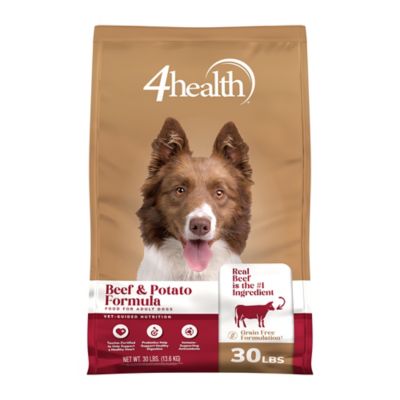
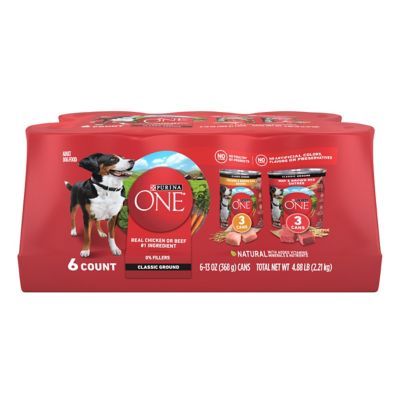
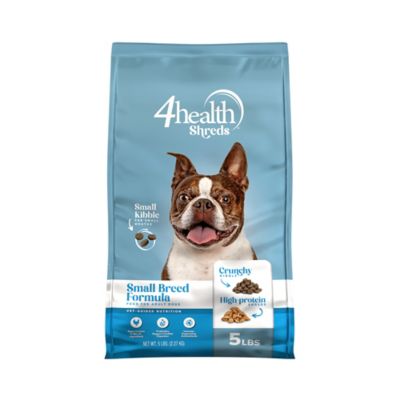
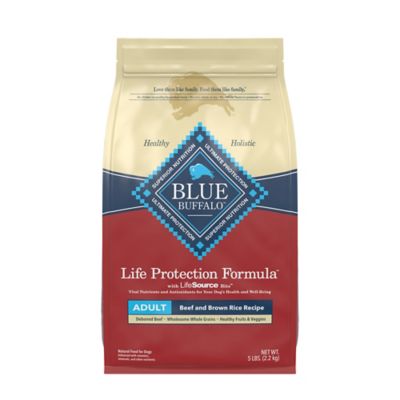
Natural Dry Dog Food can be a practical place to browse recipes that are easy to portion, store and serve. Dry food is especially handy for multi-dog homes, travel, kennel areas and days when feeding needs to be quick before chores begin.
Natural dog food can also make a thoughtful gift for a new dog owner, a neighbor caring for an aging companion or a friend welcoming a rescue dog home, though it’s best to check the dog’s current diet, size and food sensitivities before choosing a recipe. A bag of food paired with a sturdy bowl, measuring scoop or storage container can help make a new routine feel settled, while a small supply may be useful for someone preparing for a move, a new puppy or an extended stay with family. During the warmer part of the year, active dogs may burn more energy on long walks, trail rides or time spent outdoors, while cooler months can bring changes in activity as dogs spend more time inside. Adjust feeding only when needed and make gradual changes rather than switching meals overnight. If a dog is pregnant, nursing, recovering from illness or managing a condition such as diabetes, kidney disease or food allergies, follow a veterinarian’s nutrition plan. The right choice is not always the fanciest label or the longest ingredient list; it is the recipe that supplies appropriate nutrition, agrees with your dog’s digestion and fits the way your household feeds. Whether the bowl sits beside a back door, in a hunting cabin or under the kitchen table, dependable food and a steady feeding routine can help keep a dog ready for the everyday moments that matter—riding along in the truck, stretching out after a long walk or greeting the family at the end of a day outside.