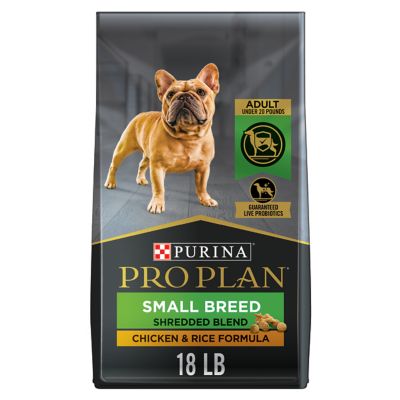
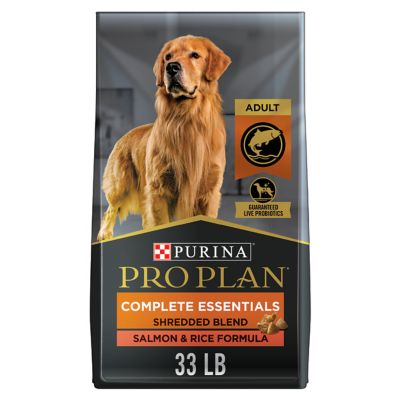
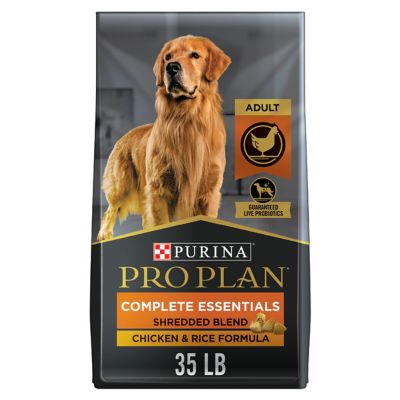
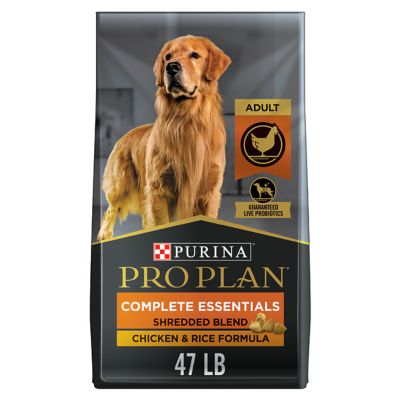
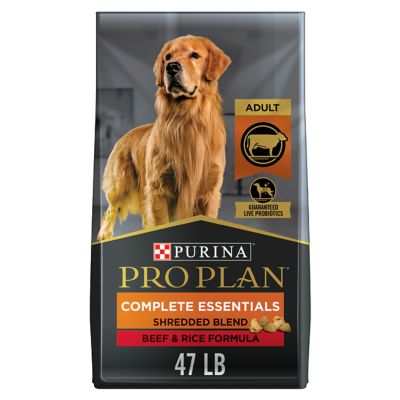
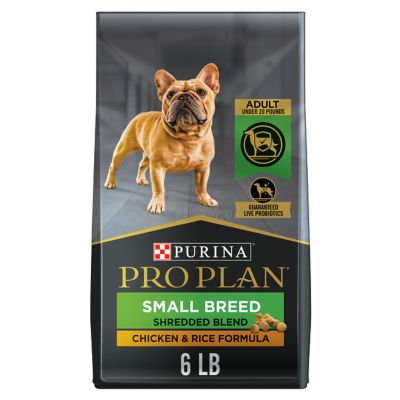
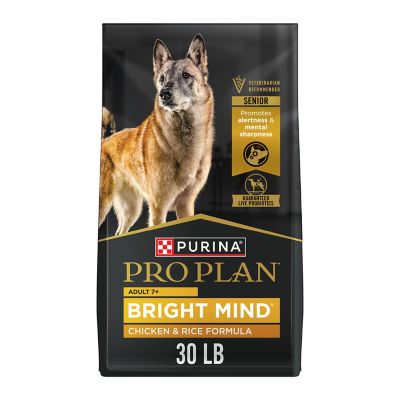
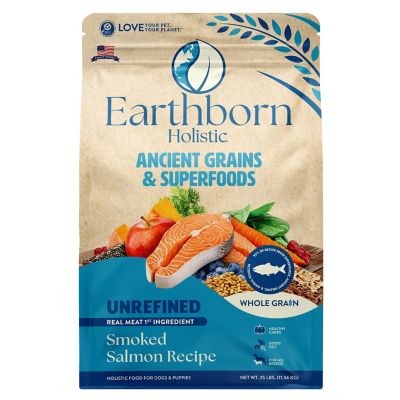
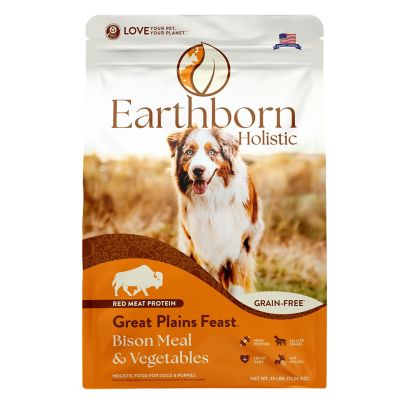
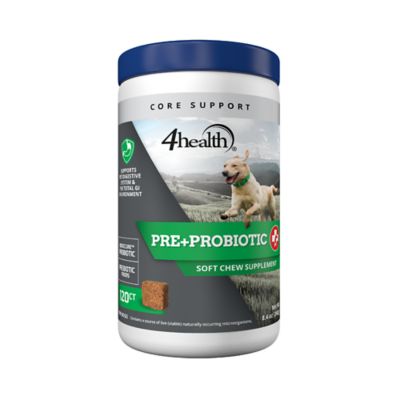
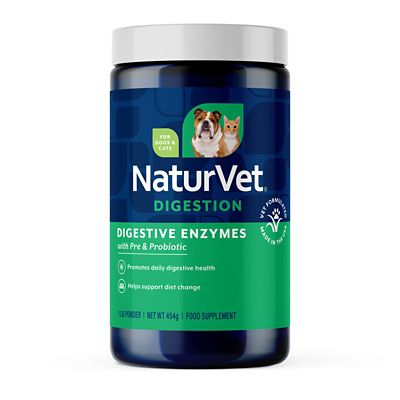
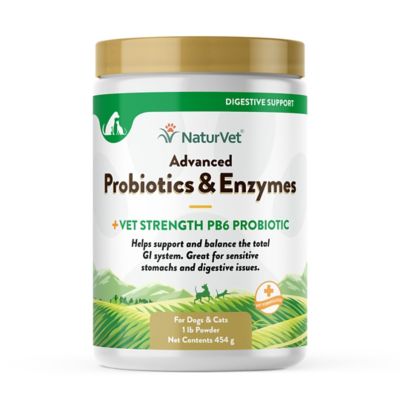
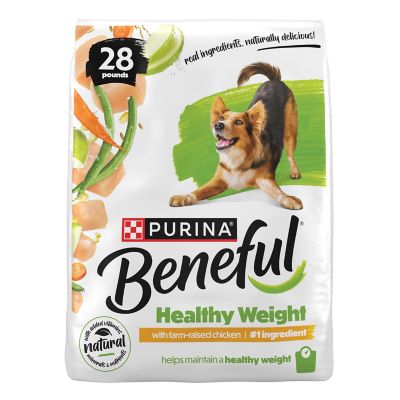
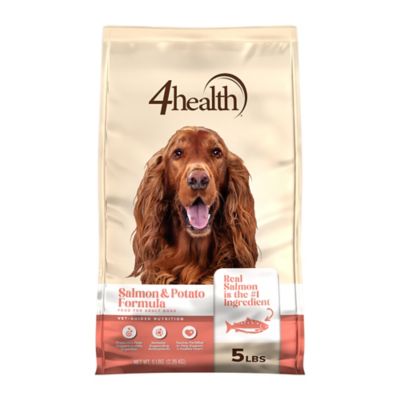
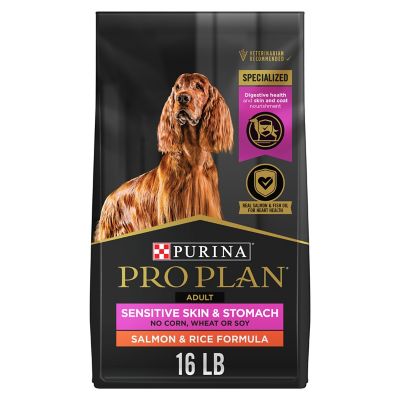
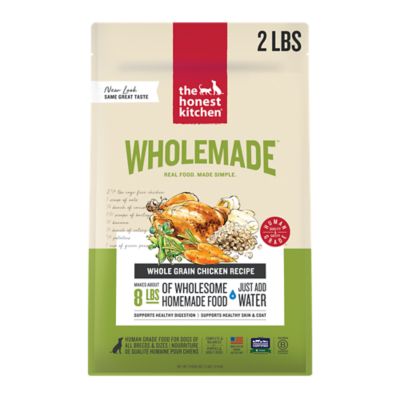
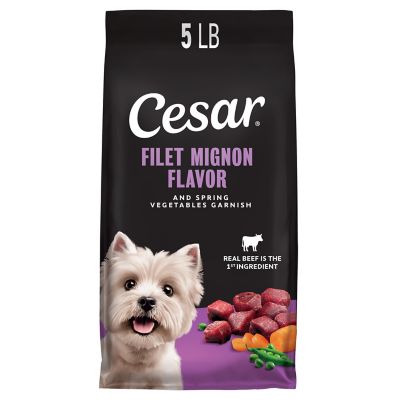
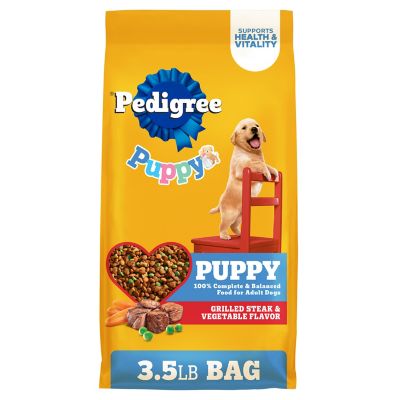
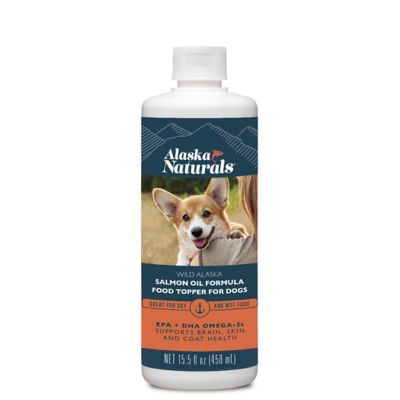
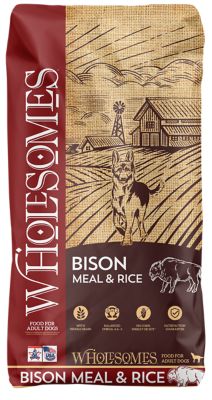
Dog food with probiotics can be a handy choice for pet parents who want to support everyday digestive health while feeding a complete, balanced meal. Probiotics are live beneficial bacteria that help maintain a healthy balance of microorganisms in the digestive tract. Along with prebiotic fiber, which helps nourish those helpful bacteria, they may support regular stool quality, comfortable digestion, nutrient absorption, and normal immune function. A dog’s gut is closely tied to overall well-being, so keeping digestion on track can make a difference in the way a dog eats, plays, and settles in at the end of the day. Many dog foods with probiotics are made as dry kibble, though some recipes may be available in other forms. Common ingredients can include real meat, grains, vegetables, fiber sources, and added probiotic strains selected for canine diets. When comparing options, start with your dog’s age, size, activity level, and any dietary needs. A growing puppy, a hard-working farm dog, and a senior companion resting by the woodstove may all need different calorie levels and nutrient profiles. Look for a food labeled for your dog’s life stage, and check the guaranteed analysis and feeding directions rather than relying only on the ingredient list. If your dog has a sensitive stomach, consider recipes made with easily digestible ingredients and moderate fat, and introduce any new food gradually over several days. Mixing a small amount of the new food with the old gives your dog’s digestive system time to adjust and helps you spot changes in appetite, stool, or comfort. A sudden switch can cause loose stool even when the new food is a good fit, much like changing a horse’s ration too quickly. Fresh water should always be available, especially during warm stretches or after a long day outdoors.
When shopping for dog food with probiotics, read the package closely to learn how the product describes its probiotic support. Some foods list specific strains, while others provide a guaranteed live probiotic count at the time of feeding. That detail matters because heat used during the cooking and extrusion of dry kibble can reduce the number of live organisms. In some formulas, probiotics are added after the kibble is cooked, often as a coating, to help preserve their viability. A clear label can also tell you whether the recipe contains prebiotic fiber, which may work alongside probiotics to support a balanced gut microbiome. Keep in mind that results can vary from one dog to another. Probiotic food may help support normal digestion and stool consistency, and it may be useful for dogs that occasionally deal with gas or mild digestive upset, but it is not a cure for illness. Ongoing diarrhea, vomiting, blood in the stool, weight loss, poor appetite, or sudden changes in behavior call for advice from a veterinarian. It is also smart to check with a veterinarian before changing food for a dog with a diagnosed condition, food allergy, chronic digestive trouble, or a history of pancreatitis. For dogs that already enjoy their regular food, a separate probiotic powder, capsule, or chew may be another option, provided it is made for dogs and used according to the label or veterinary guidance. Keeping a simple feeding routine can help, too. Measure portions, avoid frequent table scraps, store kibble in a cool, dry place, and wash bowls regularly. During the warmer part of the year, protect food from damp air and heat; during the cooler months, keep bags sealed so the food stays fresh in a mudroom, barn office, or pantry.
Dog food with probiotics can fit a wide range of households, from a family bringing home its first puppy to a seasoned dog owner caring for an older companion. It may also make a thoughtful, practical gift for someone welcoming a new dog, preparing for a move, or putting together supplies for a foster pet. A bag of suitable food paired with sturdy bowls, a scoop, or a storage container can be more useful than a novelty item, though the recipient should always confirm the dog’s current diet and food sensitivities before making a switch. If you are building a broader feeding plan, you may also want to compare
dog food with omega fatty acids, since omega fatty acids are commonly considered when supporting a healthy skin and coat. No single ingredient replaces good care, but steady nutrition, clean water, regular exercise, parasite prevention, and routine veterinary visits all work together. Pay attention to the small signals around the feed bowl: a dog that finishes meals comfortably, produces well-formed stools, keeps a healthy weight, and has plenty of energy is generally showing that its routine is agreeing with it. Keep an eye on portion size as activity changes with the seasons. A dog running fence lines, hiking fields, or tagging along on outdoor chores may need more calories than one spending rainy afternoons indoors. Likewise, treats should stay within a reasonable share of daily calories. With the right formula, a gradual transition, and sensible observation, dog food with probiotics can be an easy way to make digestive support part of your dog’s everyday meal routine.