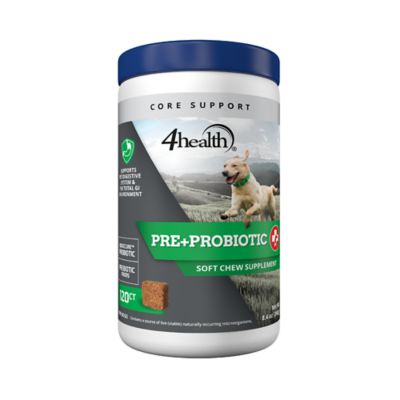
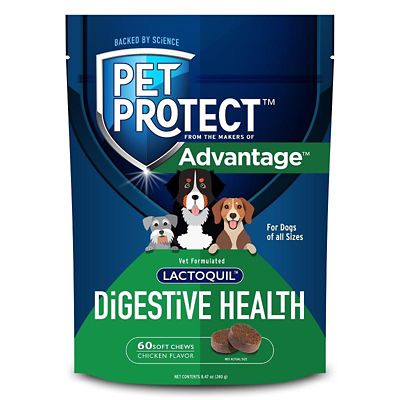
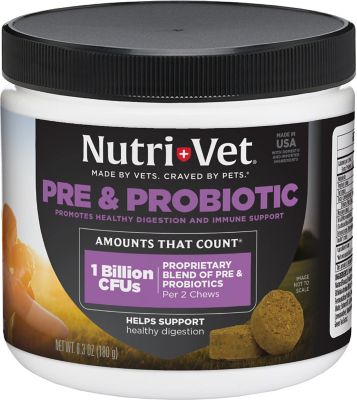
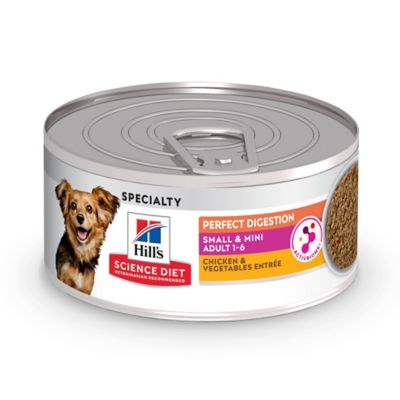
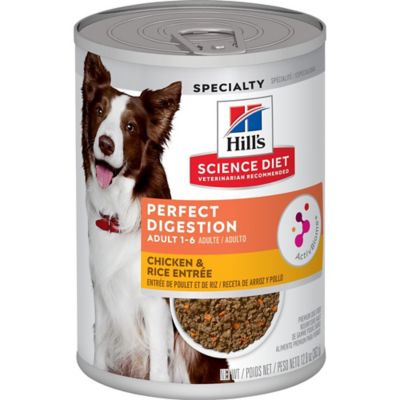
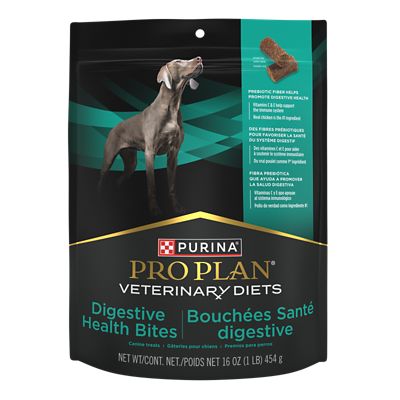
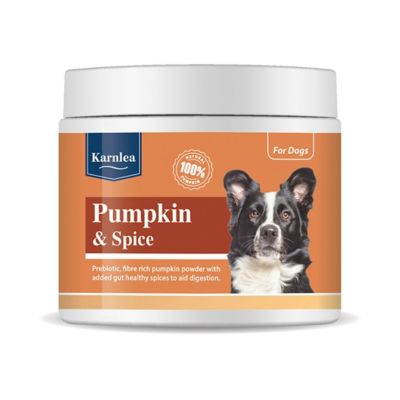
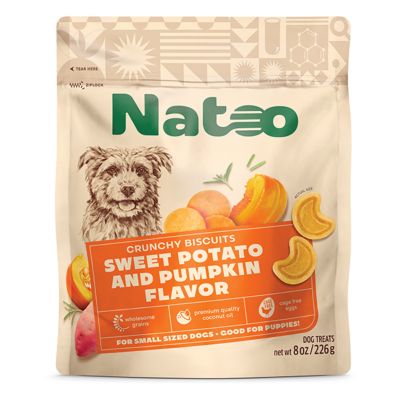
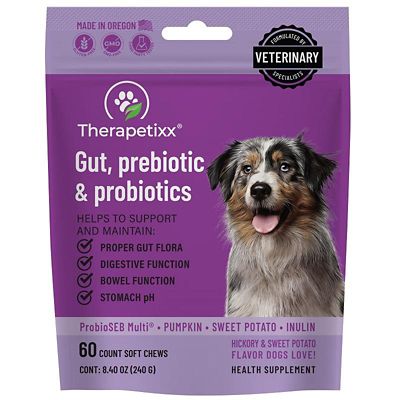
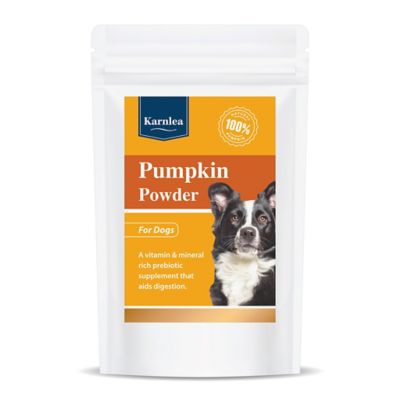
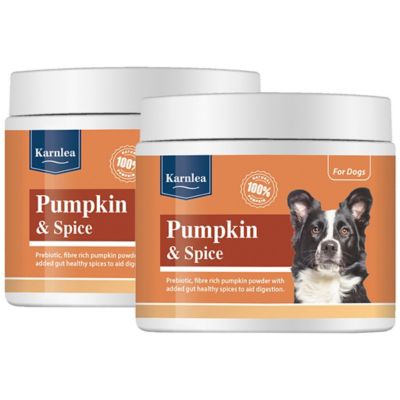
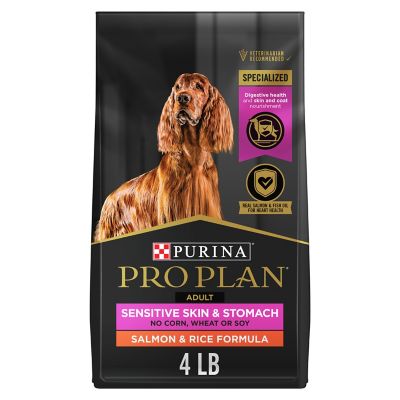
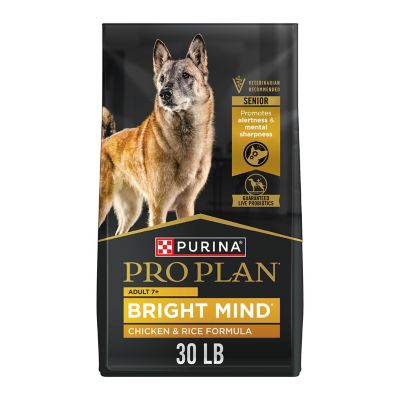
Prebiotics for dogs are nondigestible compounds, often certain types of dietary fiber, that feed beneficial bacteria in the digestive tract. Rather than being broken down and absorbed like protein or fat, these ingredients reach the large intestine, where gut bacteria can ferment them. This process helps support the community of microorganisms known as the gut microbiome. A balanced gut microbiome plays a part in normal digestion, and an appropriate prebiotic supplement may help support regular bowel movements and consistent stool texture. That does not mean every dog needs an extra supplement or that one formula will suit every belly. A dog eating a complete and balanced food may already get prebiotic ingredients with each meal, while another may benefit from additional support recommended by a veterinarian. Common ingredients to look for include inulin, which can come from chicory root, and fructooligosaccharides, often shortened to FOS. Galactooligosaccharides, or GOS, are another type found in some formulas. These names describe different ingredients, not interchangeable serving amounts, so the label matters more than a familiar word on the front of the package. Not every source of fiber acts as a prebiotic, either. Some fibers mainly help manage stool texture or movement through the digestive tract without having the same effect on beneficial bacteria. A general fiber supplement and a prebiotic supplement may overlap, but they are not automatically the same thing. For a dog that tags along during chores, naps beside the kitchen table, or spends the afternoon keeping an eye on the driveway, digestive support should fit the everyday feeding routine without making meals complicated. The goal is steady support for normal gut function, not a quick fix for unexplained digestive trouble. Always consult a veterinarian before introducing a new supplement or making a major change to a dog’s diet, especially when loose stools, constipation, or changes in appetite are part of the picture.
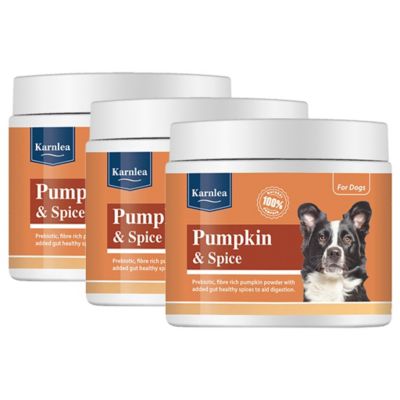
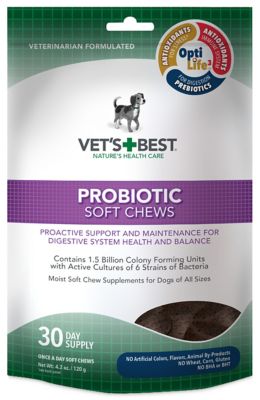
Prebiotic supplements come in several forms, including powders, soft chews, and capsules, giving dog owners different ways to work them into regular meals. A powder may suit a dog that readily eats a measured amount mixed into food, while a chew can be convenient for a dog that enjoys a treat-like serving. Capsules require a little thought about how comfortably the dog takes them and whether the label permits opening them over food. Texture and flavor matter, but the ingredient list, intended life stage, and feeding directions deserve just as much attention. A small companion dog and a large working dog may need very different portions, and a chew’s size alone does not tell the whole story. Compare the amount of the named prebiotic ingredient per serving when that information is provided, along with the number of scoops, chews, or capsules needed for the dog’s weight. For mixed formulas, the total blend weight may not reveal how much of each ingredient is included. Added flavorings and other ingredients also matter for dogs with food sensitivities or veterinarian-directed diets. A chicken-flavored chew, for example, deserves a closer look when poultry ingredients are already off the menu. Chews can also contribute calories, which count toward the daily total along with treats and meals. Prebiotics and probiotics fill different roles: prebiotics nourish beneficial gut bacteria, while probiotics supply live microorganisms intended to provide a health benefit when given in suitable amounts. When comparing these supplements with
Probiotic Powders for Dogs, that distinction helps explain why the labels can look so different. A formula containing both is often called a synbiotic, though the name alone does not establish how well a particular combination will work. For probiotic ingredients, strain information, storage directions, and the stated live microorganism count are separate considerations from the amount of prebiotic fiber. The best fit depends on the dog’s needs and the veterinarian’s recommendation, rather than how many ingredients appear on the label.
Day-to-day practicality matters when a supplement becomes part of feeding time. A clearly marked scoop, readable weight chart, and package that closes securely can make a difference when breakfast happens before a round of chores. Powders should be measured according to their own directions rather than with a scoop borrowed from another container, since scoop sizes and ingredient concentrations vary. For products mixed into food, a small portion of the regular meal can help make it easier to see whether the dog finishes the serving before the rest goes in the bowl. Follow the label and any veterinary directions about introducing the supplement gradually; suddenly adding more fermentable fiber can lead to gas, softer stools, or belly discomfort. More is not necessarily better, even for a big dog with a hearty appetite. Keeping the rest of the diet steady while introducing a supplement can make changes easier to notice. A brief record of serving amounts, appetite, stool consistency, and any discomfort gives a veterinarian something concrete to review if the formula does not seem to agree with the dog. Results vary, and the expected trial period depends on the ingredients and the reason for adding them, so an overnight change is not a sensible yardstick. Persistent diarrhea, blood in the stool, repeated vomiting, belly pain, unusual tiredness, or refusal to eat calls for veterinary attention rather than another scoop. Puppies, older dogs, and dogs with ongoing health conditions may need more individualized feeding advice. Between meals, keep the container closed and follow its storage instructions, including any temperature or refrigeration requirements. A dry cupboard beyond a curious nose is a better spot than an open container beside the food bowl. Check expiration dates, keep measuring tools clean and dry, and leave supplements in labeled packaging so directions stay close at hand. With sensible selection and careful handling, prebiotic supplements can fit into a straightforward routine centered on balanced meals and the dog’s individual digestive needs.