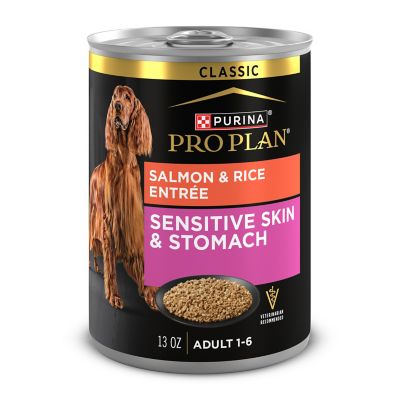
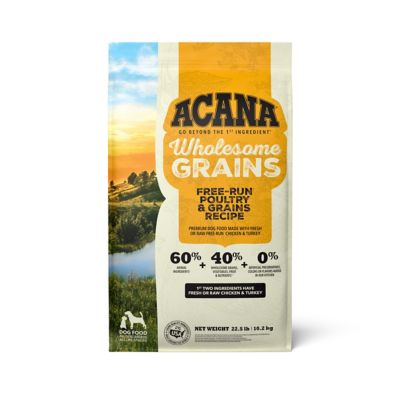
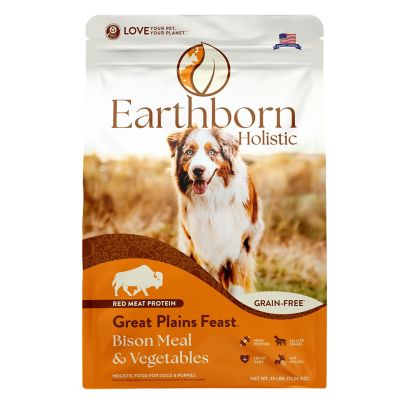
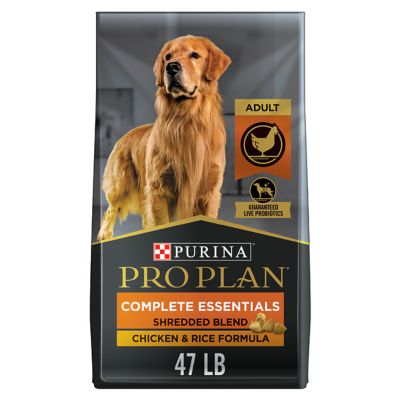
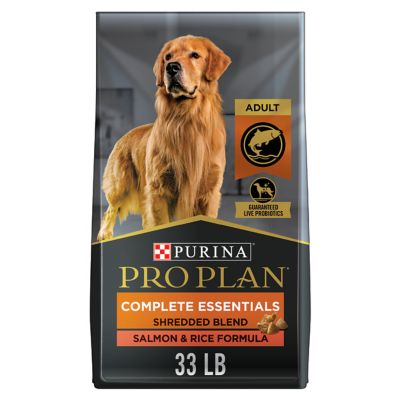
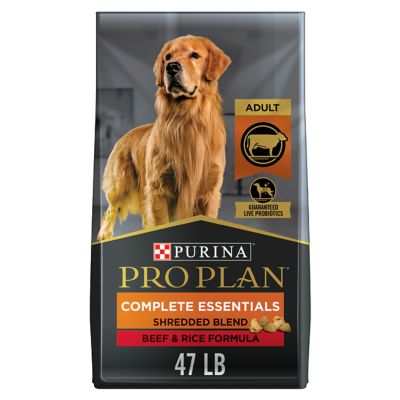
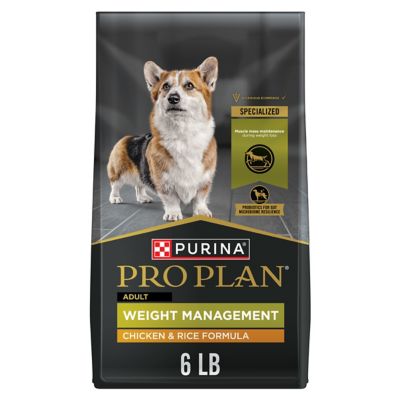
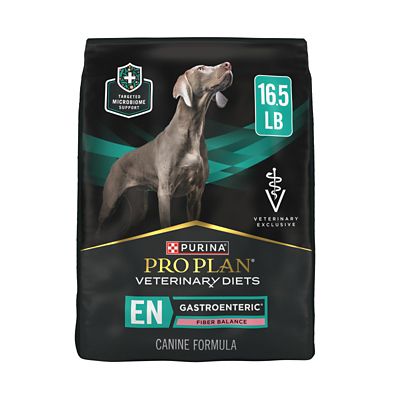
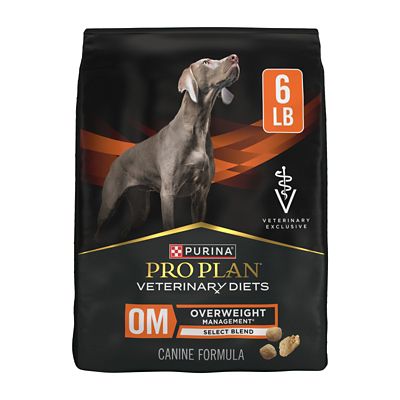
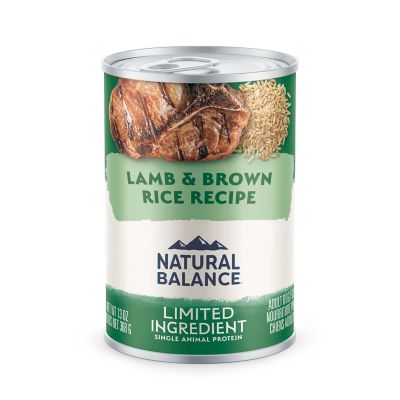
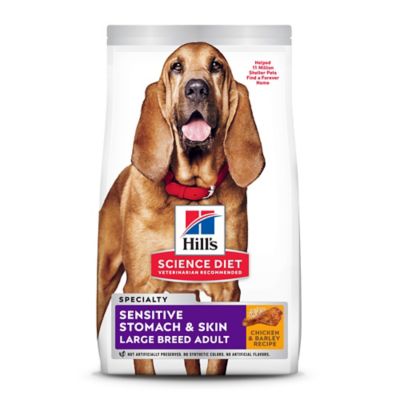
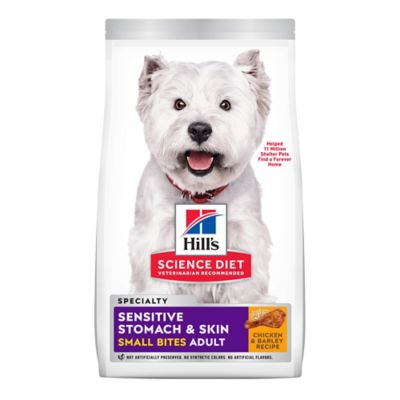
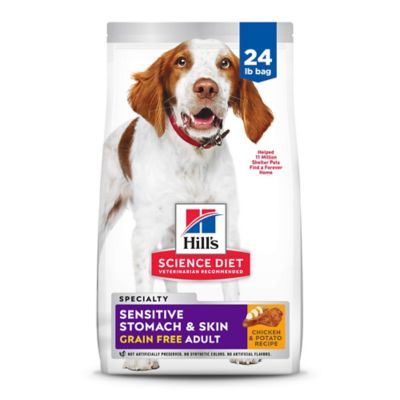
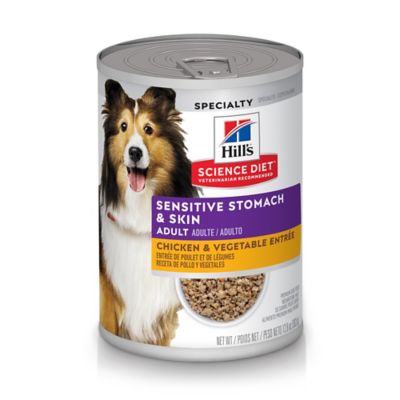
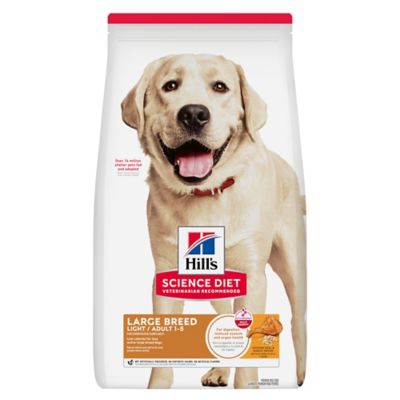
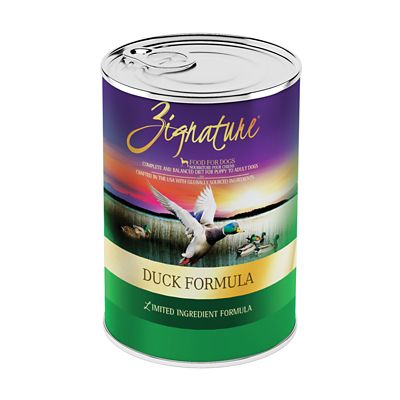
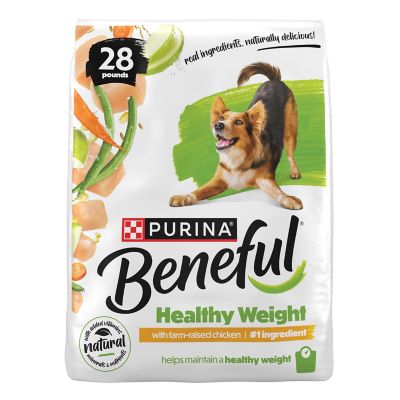
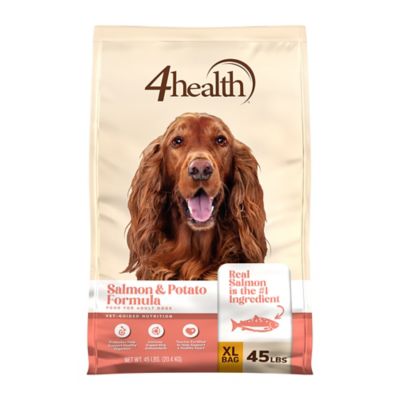
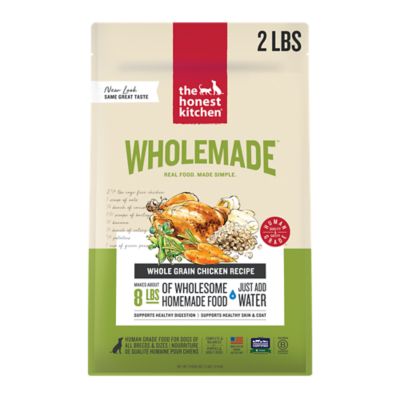
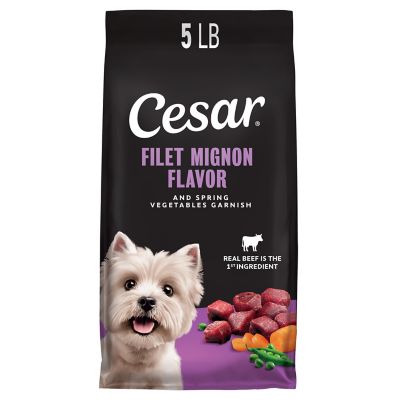
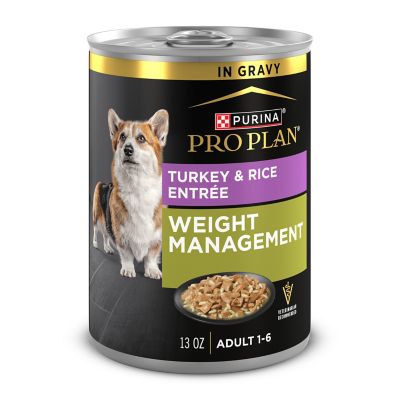
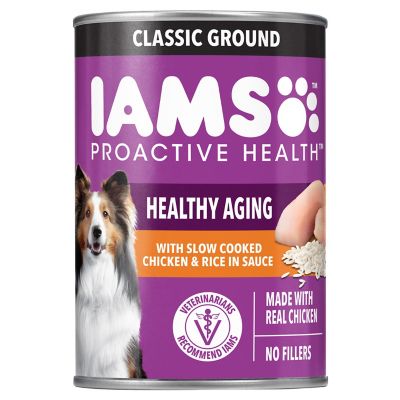
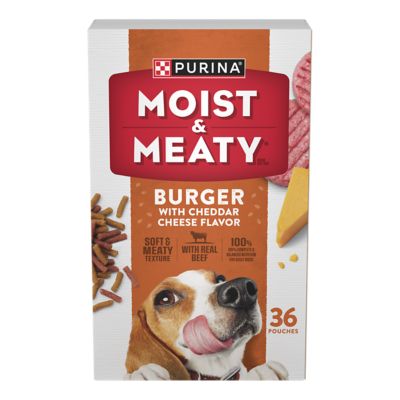
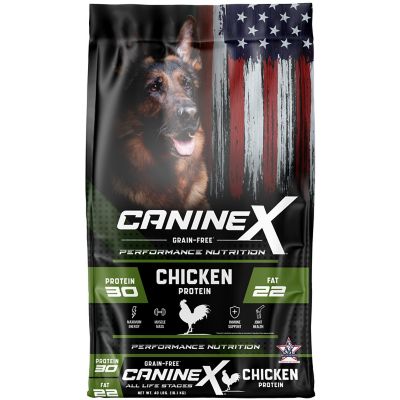
High fiber dog food brings together everyday nutrition and added digestive support for dogs whose needs call for more fiber in the bowl. Fiber is a type of carbohydrate that resists digestion in the small intestine, and different fibers do different jobs farther along the digestive tract. Soluble fiber absorbs water, and some forms create a gel that can help manage stool consistency. Insoluble fiber adds structure to stool and helps move material through the intestines. Certain fermentable fibers also feed beneficial gut bacteria, supporting the environment where those bacteria live. A balanced blend may help promote regular bowel movements and support weight management by helping some dogs feel satisfied between meals. Those benefits depend on the formula, the amount fed, and the dog—not simply the highest fiber number on a bag. Common fiber sources in commercial dog food include beet pulp, cellulose, pumpkin, psyllium husk, oats, and brown rice. Each contributes differently, so an ingredient list tells only part of the story. Beet pulp, for example, supplies a mix of fiber types, while cellulose primarily contributes insoluble fiber. Pumpkin contributes fiber, too, but seeing it on a label does not automatically mean a food has a high fiber content. For a dog that spends the morning tagging along for chores and the afternoon stretched out beside the back door, the right food still needs to supply suitable protein, fat, vitamins, and minerals along with fiber. Look for a nutritional adequacy statement indicating that the food is complete and balanced for the appropriate life stage. A growing puppy, an adult companion, and a nursing dog have different nutritional demands. High fiber formulas are not interchangeable across those stages, and a food intended for supplemental or intermittent feeding should not become the whole daily diet unless a veterinarian directs it. Fiber is one part of a feeding plan that needs to suit the whole dog.
Choosing between high fiber dog food formulas means looking at digestive needs, calorie content, texture, and serving size together. Dry kibble offers straightforward measuring and storage, while wet food adds moisture and may be easier for some dogs to eat. Kibble size and texture matter for a little dog with a small mouth or an older companion with dental trouble, although difficulty chewing deserves a veterinary check rather than just a softer dinner. Comparisons between dry and wet foods take a little care: moisture changes the percentages shown on the package, so the fiber numbers are not directly comparable without putting them on a dry-matter basis. The crude fiber percentage in the guaranteed analysis is generally a maximum and does not capture all dietary fiber. A manufacturer can provide more detail about total dietary fiber and the blend in a formula when that information matters to a veterinary feeding plan. For weight control, check calories per cup or can as well as fiber content. A higher-fiber recipe is not automatically lower in calories, and generous scoops can still supply more energy than a dog needs. Measured meals are especially helpful for a less-active companion that keeps an eye on the feed room and never misses the sound of a biscuit jar. Treats, chews, and table scraps count toward daily calories, too. On the other hand, a hard-working dog covering ground in cooler weather may need a different energy balance than a dog taking short walks around the yard. Foods in the
High Fat Dog Food category serve a different nutritional focus, with fat providing concentrated energy; they are not a substitute for a fiber-focused diet recommended for a digestive concern. Body condition, activity level, and medical history help determine which direction makes sense. Some therapeutic digestive diets require veterinary authorization, while other fiber-containing foods are intended for routine maintenance. Persistent loose stool, straining, vomiting, blood in the stool, or unexplained weight changes call for veterinary advice rather than repeated food changes. More fiber is not the answer to every digestive problem, and too much can increase gas, stool volume, or discomfort.
The best fit for everyday feeding is a high fiber dog food that matches the dog's needs and works with the household routine. A properly portioned formula can suit a companion on a veterinarian-directed weight plan, a dog that benefits from a particular fiber blend, or an adult whose digestive routine does better with steady meals and consistent ingredients. Age alone does not establish a need for extra fiber, and dogs in the same home may need separate foods even when they share the same daily walk. Unless a veterinarian recommends a different approach, introduce a new food gradually over about seven to ten days, mixing increasing amounts into the previous food. Some sensitive dogs need a slower transition. Keep an eye on appetite, stool consistency, gas, and comfort rather than expecting every change to settle overnight. Fresh drinking water should stay within easy reach, especially with dry food and during changes in fiber intake. Resist piling pumpkin, fiber powders, or other extras onto an already balanced formula without guidance; additions can change the diet's balance and may make it harder to tell what is helping. Storage and feeding habits matter just as much out by the mudroom as they do in the kitchen. Keep dry food in its original bag inside a clean, tightly closed container in a cool, dry place, away from damp floors, direct sunlight, and curious noses. Retaining the bag also keeps feeding directions, lot information, and the best-by date handy. Follow package directions for refrigerating opened wet food and discarding leftovers, and wash bowls and measuring tools regularly. Choose a package size that can be finished within the manufacturer's recommended period after opening rather than leaving food sitting for a long stretch. With suitable portions, sound storage, and a formula matched to the dog's life stage and health, fiber-focused feeding can become a practical part of the day—from breakfast before chores to supper when the boots come off.