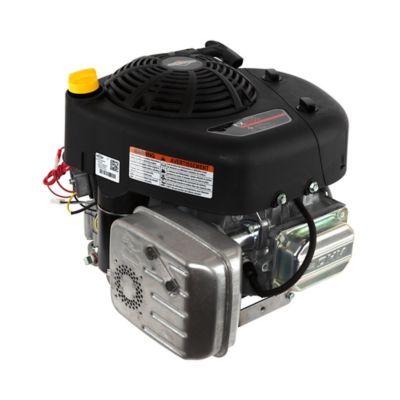
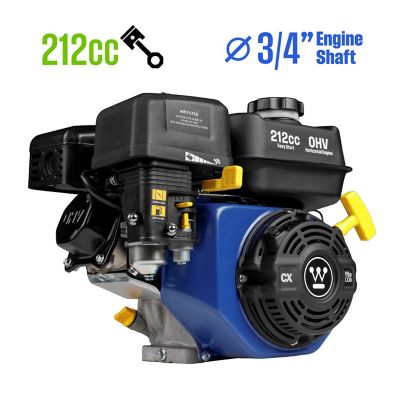
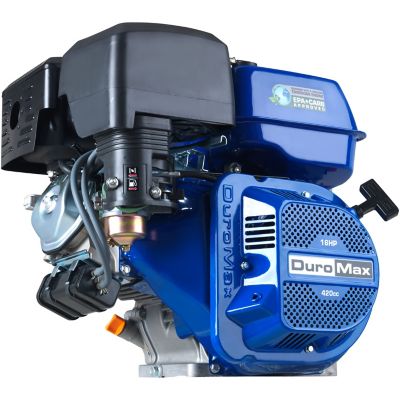
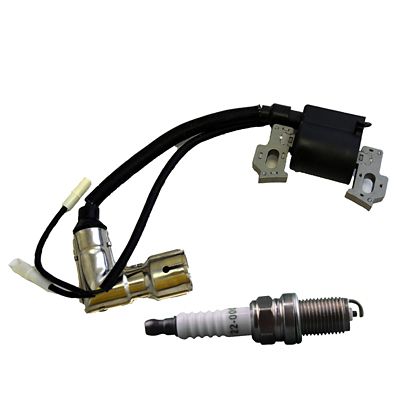
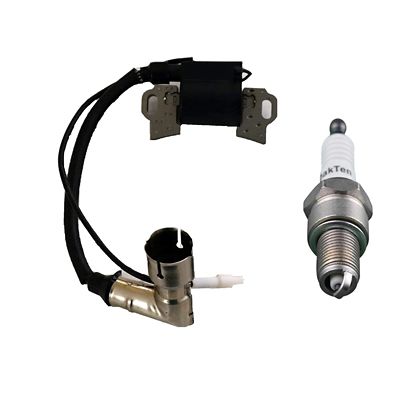
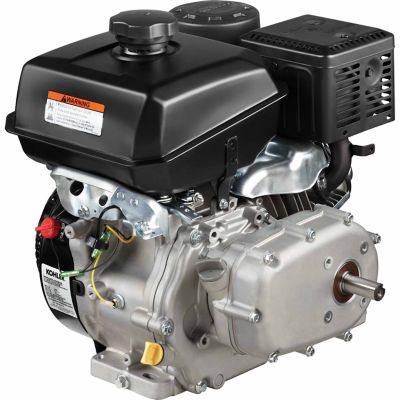
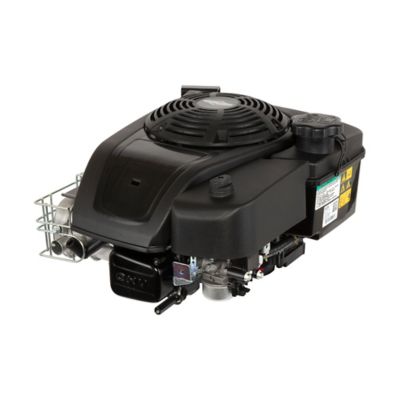
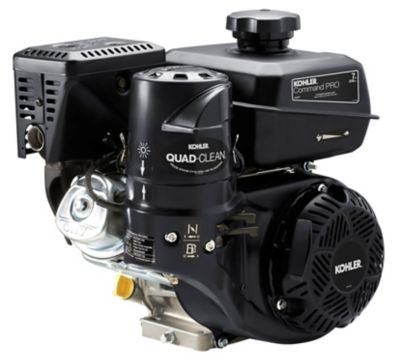
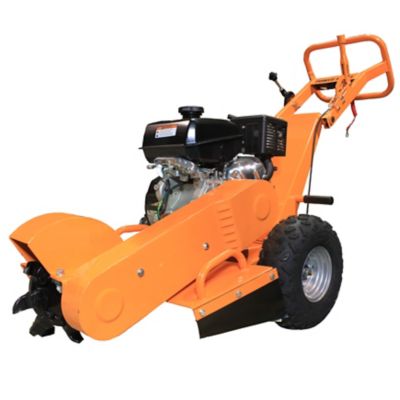
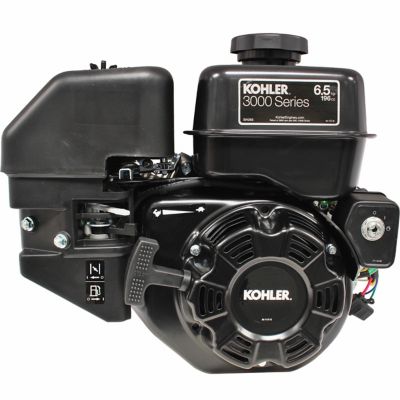
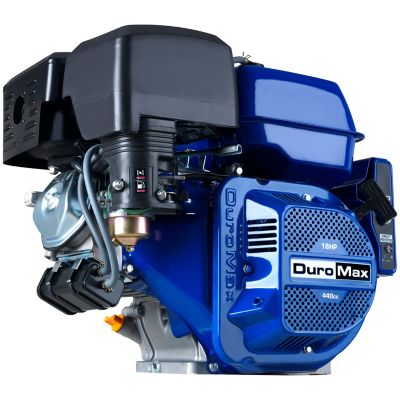
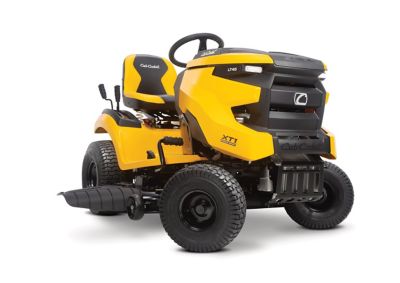
Powermore engines are small gasoline engines built for the everyday outdoor equipment that keeps a property in shape. Common applications include walk-behind lawn mowers, riding tractors, snow blowers, tillers and other machines that need dependable power in a compact package. Many use a four-cycle overhead valve, or OHV, design. In simple terms, the engine uses a separate oil supply and breathes through valves positioned above the cylinder, a layout known for efficient combustion, steady operation and practical fuel use. Available engine sizes can range from compact 132cc and 140cc models for lighter-duty equipment to larger single-cylinder and twin-cylinder engines around 420cc for machines that handle wider cutting decks, heavier snow or tougher ground. Some models are built with cast-iron cylinder sleeves, which can help support long service life when the engine receives regular oil changes and clean air. When looking through Powermore engine options, start with the equipment you need to power and the work it does. A small walk-behind mower used on a tidy suburban lawn has different needs than a riding tractor cutting thick grass over several acres, just as a tiller working hard-packed garden soil needs a different match than a snow blower clearing a short driveway. Horsepower matters, but so do engine displacement, shaft size and length, mounting-hole spacing, crankshaft shape, starter style and the direction of rotation. A replacement that looks close may still fail to fit if one of those details is off, so compare the specifications carefully before placing an order.
The model and specification tag is usually the best place to begin. Depending on the equipment, it may be located on the side of the engine housing, near the valve cover or on the starter cover. Record the model number, engine size, crankshaft measurements and any equipment identification information before shopping. It also helps to inspect the old engine and take a few clear measurements, including the distance from the mounting surface to the end of the crankshaft, the crankshaft diameter, the keyway location and the position of the fuel tank, muffler and controls. For a riding tractor or other larger machine, confirm that the new engine will connect properly to the throttle, choke, fuel line and electrical wiring. Walk-behind equipment may use a recoil starter, while some larger machines use electric starting, and the correct setup depends on the original equipment. If the engine is being installed on a tiller or snow blower, check the belt or pulley arrangement as well. A proper fit makes installation smoother and helps protect the drive system once the machine is working under load. These engines can be a practical choice for homeowners maintaining a large yard, acreage owners keeping paths and fields usable, and repair-minded shoppers who would rather restore a familiar machine than replace the whole piece of equipment. A replacement engine can also be a thoughtful gift for someone who spends weekends tending a garden, clearing a lane or keeping an older mower in working order, especially when paired with the correct maintenance supplies and a careful fit check.
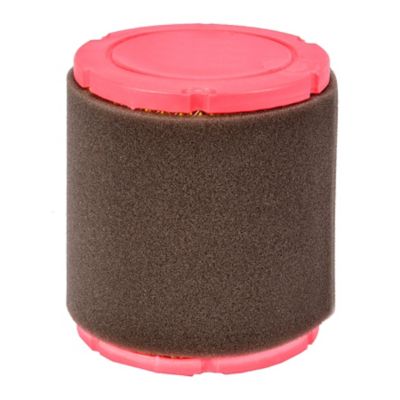
Good storage and maintenance have a big effect on small-engine performance. During the warmer part of the year, grass clippings and dust can collect around the cooling fins, air filter and recoil housing, so brush away debris and inspect the air filter often. Before each use, check the oil level on a level surface, look for loose fasteners and examine the fuel line for cracks or seepage. Use the oil grade recommended for the engine and change it at the service interval listed in the owner’s manual. Fresh fuel is especially important with small gasoline engines. Fuel that sits for long periods can lose quality and leave gummy deposits in the carburetor, which may lead to hard starting, surging or an engine that will not start at all. Use clean, fresh fuel from an approved container, avoid letting water or dirt enter the tank and follow the manual’s guidance for fuel stabilizer when equipment will sit unused. As the weather moves into cooler months, prepare seasonal equipment before storing it: clean the machine, run it only as directed for fuel treatment or draining, protect it from moisture and keep it in a dry, well-ventilated area. Snow equipment should be checked before the first storm rather than after the driveway is covered, while a mower or tiller should be inspected before it is put away. If an engine turns over but will not start, begin with the basics: confirm there is fresh fuel, check the oil level, inspect the spark plug and make sure the air filter is not blocked. Never bypass safety switches or work near moving parts while the engine is running. For equipment that uses a separate engine and belt-driven attachment, replacement options may also be useful when restoring a wood-cutting setup; browse
Log Splitter Replacement Engines to compare engines intended for that type of application. With the right measurements, a careful installation and routine attention to fuel, oil and storage, a Powermore engine can help keep dependable outdoor equipment ready for the work that comes with every season.