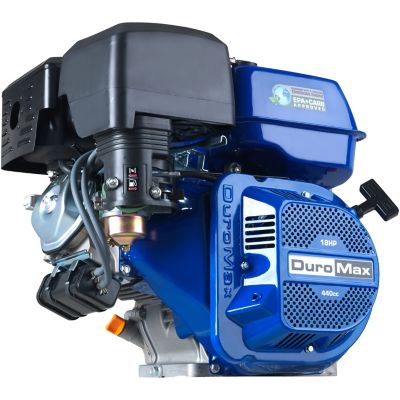
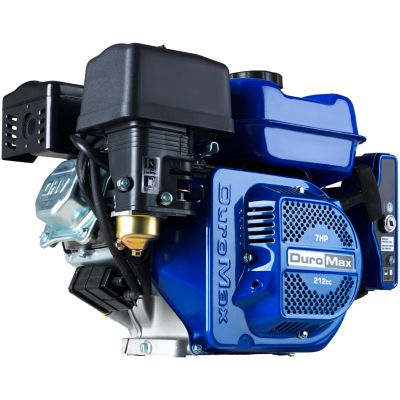
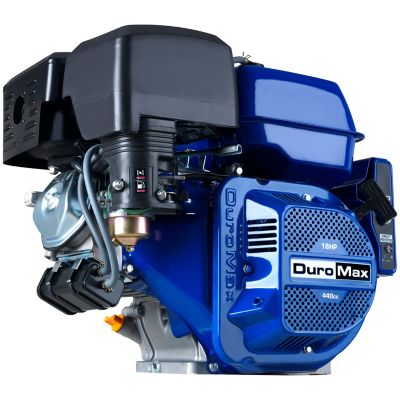
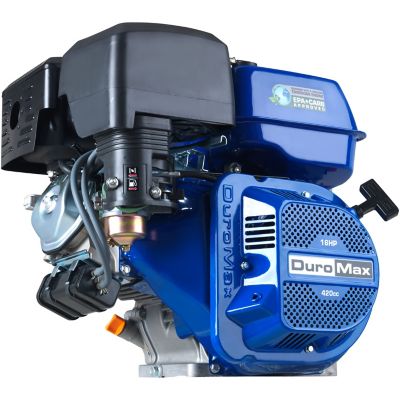
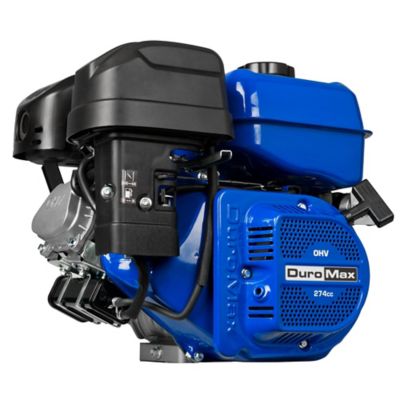
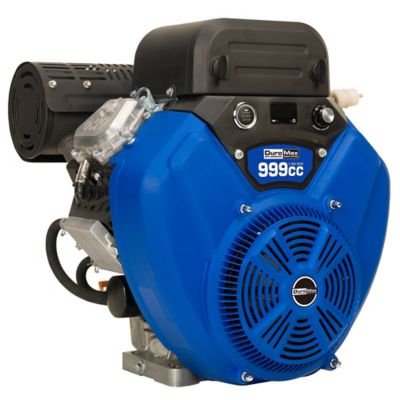
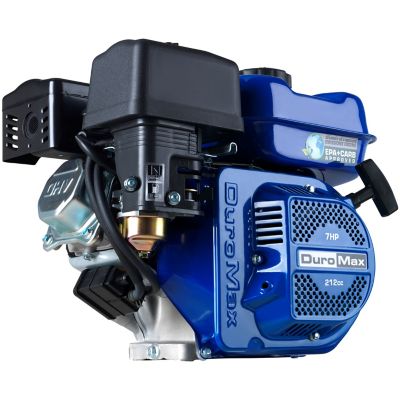
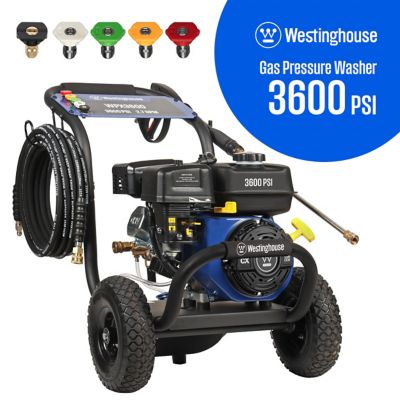
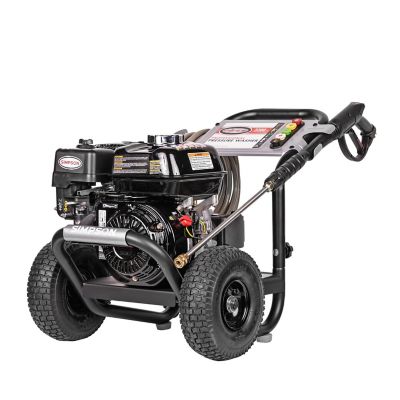
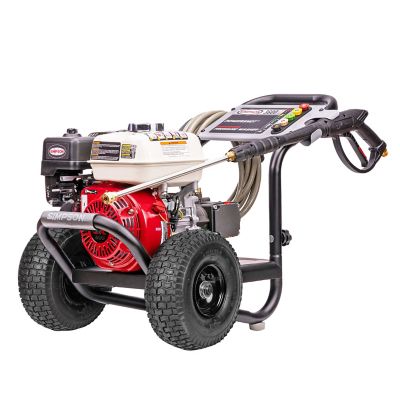
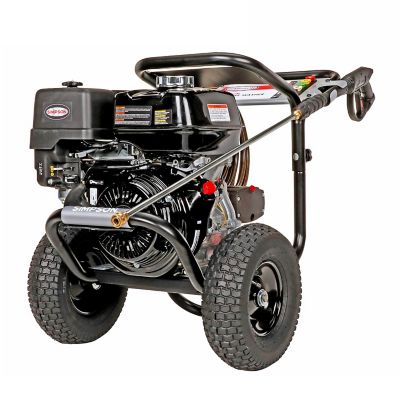
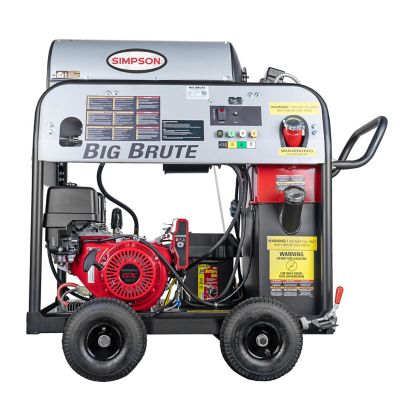
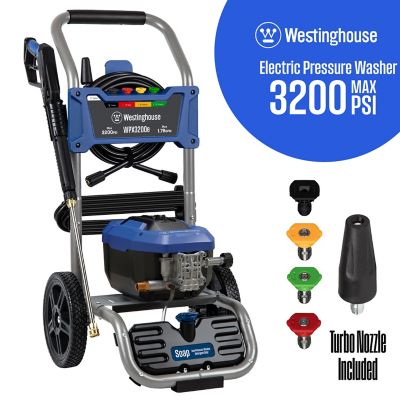
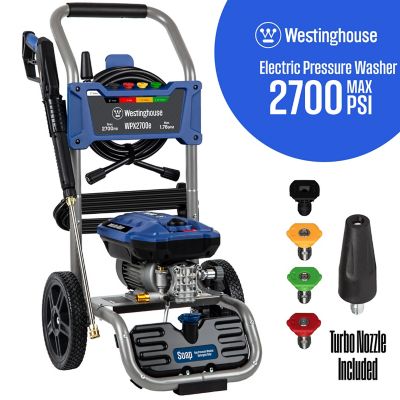
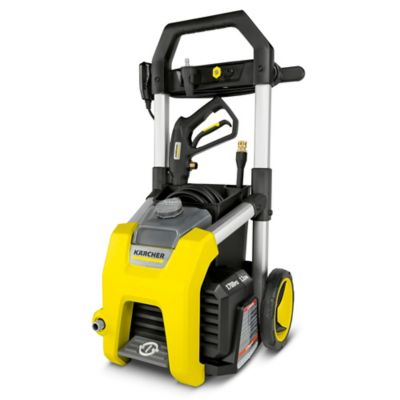
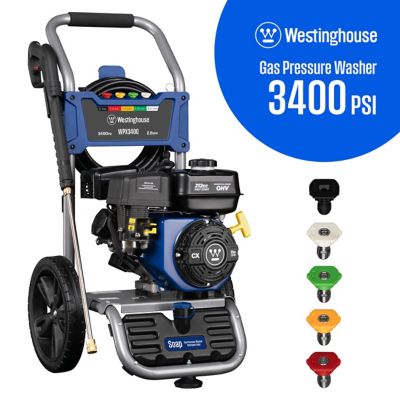
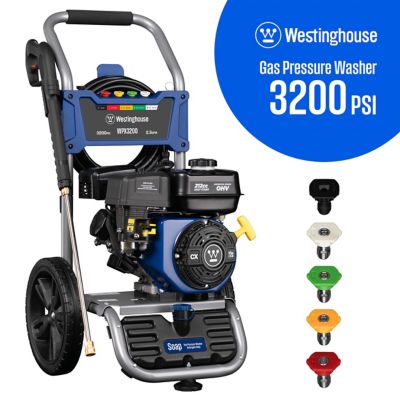
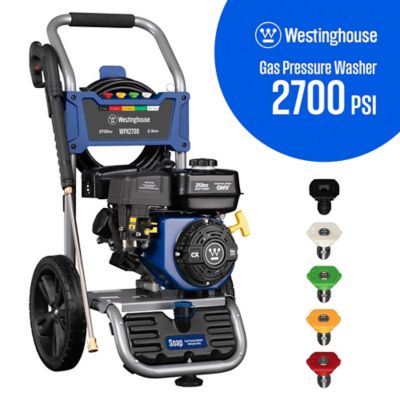
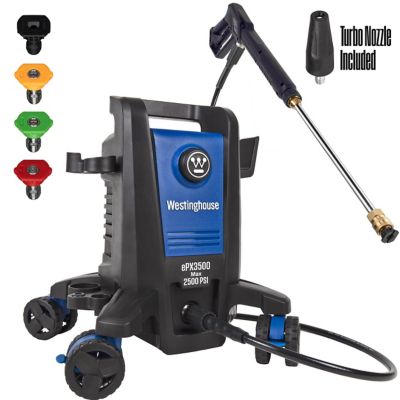
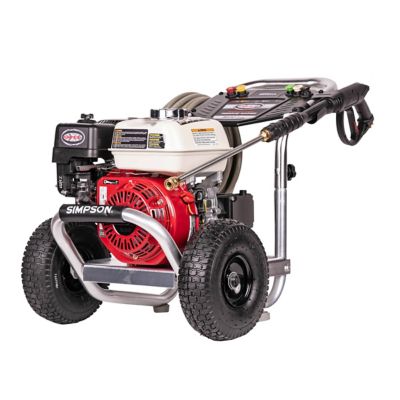
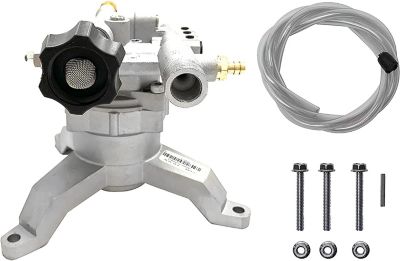
When it comes to getting things cleaned up around the farm, home, or jobsite, nothing beats the power and versatility of a good pressure washer engine. Whether you’re blasting away stubborn mud from your tractor tires after a long day in the fields, washing down the barn before the next load of hay comes in, or keeping your driveway looking sharp, the right pressure washer motor can make all the difference. Folks who take pride in their property know that having a reliable pressure engine isn’t just about convenience—it’s about saving time and elbow grease while making sure every job gets done right. This is especially true as the weather warms up and outdoor chores start to pile up, or during the cooler months when you want to keep equipment and walkways in tip-top shape before winter sets in. Pressure washer engines are also a thoughtful gift for anyone who enjoys tackling projects around the house, from the seasoned rancher to the weekend DIYer who loves to keep things tidy.
Choosing the right pressure washer engine comes down to a few key considerations. First off, think about whether a gas or electric power washer motor fits your needs best. Gas engines are the go-to for heavy-duty jobs and bigger properties, offering the muscle to tackle caked-on grime, strip old paint from fences, or prep the deck for a fresh coat of stain. They’re portable, don’t need an outlet, and deliver the high horsepower needed for commercial or farm use. Electric pressure washer motors, on the other hand, are quieter and easier to maintain, making them ideal for smaller jobs around the house or in tighter spaces like garages and sheds. No matter which type you choose, make sure to match the engine’s horsepower and shaft size to your pressure washer pump for smooth, reliable operation. Regular maintenance—like changing the oil, cleaning the air filter, and checking the spark plug on gas models—helps extend the life of your engine and keeps it running strong season after season. For electric models, using the right power supply and keeping connections dry and secure is key to avoiding downtime.
Pressure washer engines aren’t just for cleaning up after a muddy spring or prepping for fall chores—they’re a year-round workhorse that can handle everything from washing livestock pens to cleaning outdoor furniture before a big family gathering. With the right setup, you can even tackle more specialized tasks by pairing your engine with different nozzles, hoses, and attachments. If you’re looking to upgrade your setup or need a complete solution for a new project, don’t forget to check out our selection of
Pressure Washer Kits for everything you need in one handy package. Whether you’re a seasoned pro or just getting started, investing in a quality pressure washer engine means more time enjoying your property and less time scrubbing away by hand. With a little know-how and the right equipment, you’ll be ready to tackle whatever the seasons throw your way—mud, dust, or anything in between.