Power supplies for electronics turn incoming electrical energy into the output a device needs to operate. Many convert alternating current (AC) from a wall outlet into direct current (DC), while others convert one DC voltage to another or provide an AC output. Their job is to deliver the right kind of power at the specified voltage, with enough current available for the connected equipment. Around a country home, workshop, or farm office, that can mean keeping everyday electronics running, powering a small control system, or supporting electrical work at the bench. A power supply often stays out of sight, tucked behind a desk or mounted inside equipment, but its electrical specifications matter every time the device switches on. The right fit starts with the equipment manufacturer’s requirements, not just a connector that happens to slide into place. Output voltage, AC or DC output type, connector dimensions, and DC polarity all need to match the application. For most constant-voltage electronics, the supply’s current rating must meet or exceed the device’s demand; a higher available amperage does not, by itself, force extra current into the device. That principle does not apply to every electrical load, so equipment that calls for a constant-current driver needs the specified type instead. Wattage adds another piece of the picture: for a DC output, volts multiplied by amps gives output power in watts. Equipment with startup surges or changing loads may need additional capacity according to its manufacturer’s recommendations. These details help separate a suitable replacement from one that merely looks right. When a familiar piece of equipment quits powering up, checking its label and documentation before shopping can save another trip into town. A clear match also helps keep a crowded work area simpler, with less guesswork about which supply belongs with which device and fewer look-alike connections to sort through when there’s work waiting.
Different power supply designs suit different spaces and electrical demands. Regulated power supplies hold their output voltage within a specified range as input conditions or the connected load change, making them a common fit for electronics that need steady DC power. Unregulated supplies can vary more with load and incoming voltage, so they belong only in applications designed to accept that variation. Linear designs generally offer low electrical noise and straightforward regulation, though they can be heavier and give off more heat than switching designs. Switching power supplies operate through rapid electronic switching, allowing efficient conversion in a smaller package. Their electrical noise characteristics still matter around sensitive circuits, communications equipment, and measurement work. Neither design is automatically the best choice for every job; the equipment’s requirements and the working environment decide the fit. Fixed-output supplies suit applications that need one specified voltage, while adjustable bench supplies give electronics hobbyists, repair technicians, and students control over output during testing and development. On suitably equipped bench supplies, adjustable current limiting can help reduce the risk of damage from a fault, though it does not replace careful connections or proper operating practices. Internal and enclosed supplies serve another role, fitting into equipment or installations where mounting, airflow, and protection from contact are part of the overall design. A metal housing alone does not mean a supply is safe to leave exposed on a workbench or suitable for outdoor service. Open terminals and mains-voltage wiring call for the proper enclosure and qualified installation. For someone who spends evenings at a cleared-off bench repairing electronics, useful details can be as practical as easy-to-read markings, accessible connections, and controls that are comfortable to operate. A power supply can also make a thoughtful gift for an experienced electronics hobbyist when the giver knows the exact specifications and features that person needs. It is a purchase where matching the work matters more than choosing the biggest wattage number.
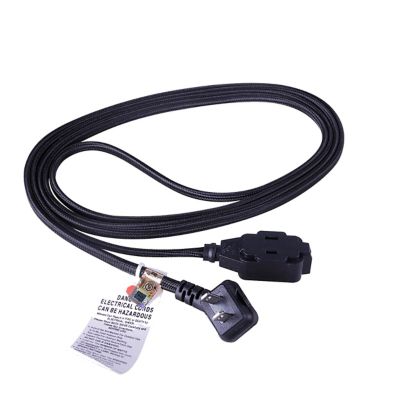
The setting deserves as much attention as the electrical ratings. A spare room, an unheated shop, and a sheltered equipment cabinet can have very different temperature, moisture, and dust conditions, especially during the cooler months. Power supplies have operating limits, and some deliver less output as temperatures rise or under other conditions listed by the manufacturer. Ventilation space, mounting position, and room around cooling openings help the supply shed heat as intended. Dust buildup, damp surfaces, and condensation are concerns even when equipment sits under a roof; an indoor rating should never be taken as permission for exposure to weather. In a working shop, where gloves, parts trays, and paperwork tend to gather wherever there’s a flat surface, leaving cooling openings clear is a small habit that matters. Cable routing also affects how neatly and safely a supply fits the space. Enough reach helps avoid tension at the connector, but excessive cable length or an undersized conductor can cause voltage drop, particularly with low-voltage, higher-current loads. Connector fit, cord ratings, and strain relief belong in the same purchasing decision as output power. Compatible
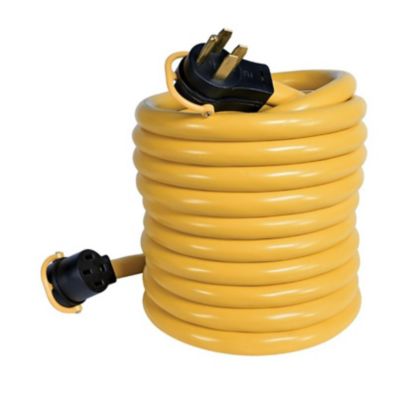
Power Supply Cords provide the connection between suitable equipment and its power source; a cord by itself does not convert voltage or replace a power supply. For installations with several components, total demand and the needs of each connection require attention rather than assuming one output can serve everything. Overvoltage, overcurrent, short-circuit, and thermal protection are worth comparing when those features are specified, along with applicable third-party safety listings. Input ratings matter, too: not every supply accepts the same incoming voltage, and some require a selector setting before connection. Clear documentation makes these differences easier to check before installation. Whether the goal is restoring familiar equipment, setting up a bench for careful testing, or keeping electronics powered through a long afternoon of shop work, the strongest purchase is one that fits the device, the space, and the task without stretching any of their limits.