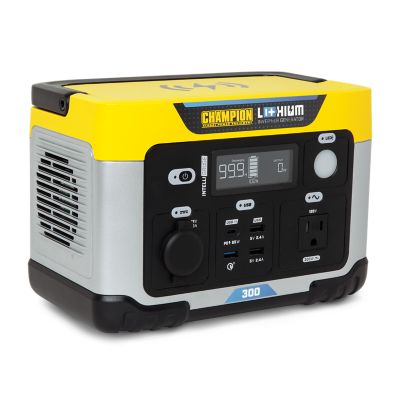
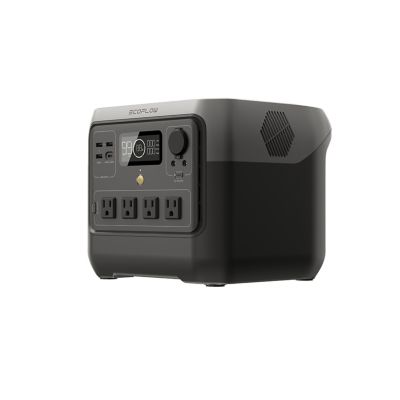
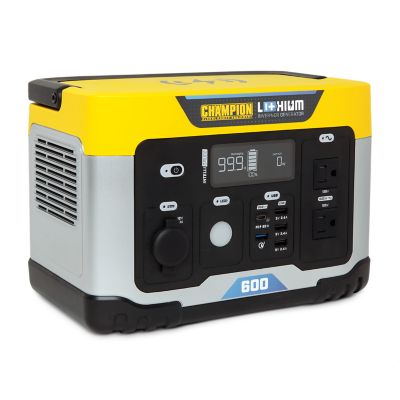
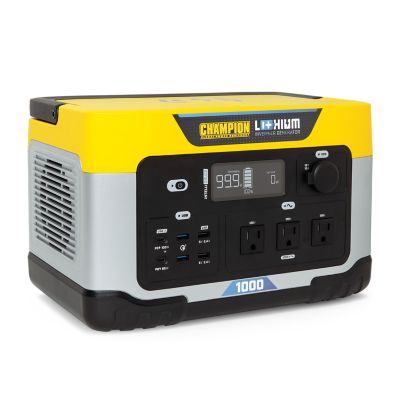
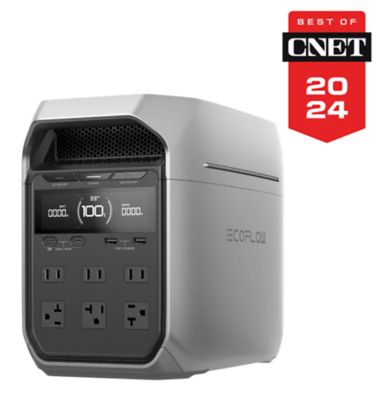
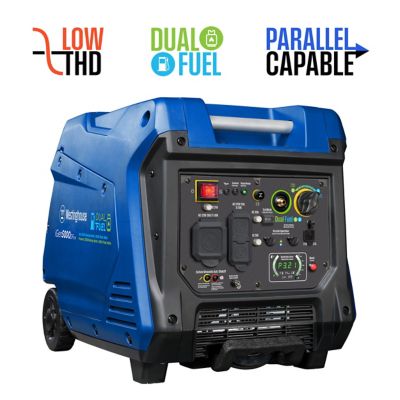
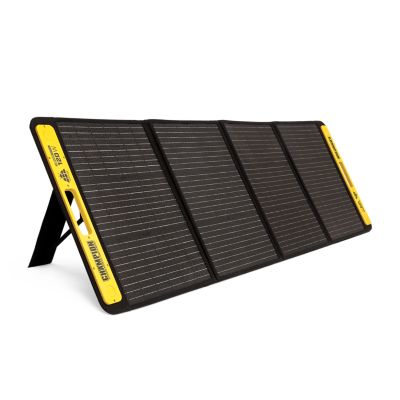
Portable power systems bring electricity along when an outlet is out of reach, whether you’re working beyond the barn, settling into a campsite, or keeping a few essentials running through an outage. A battery-based portable power station stores electricity in a rechargeable battery and delivers it through built-in outlets and charging ports. Depending on the system, it can recharge from a household outlet, a compatible vehicle connection, or compatible solar panels. Unlike a fuel-powered generator, a battery power station produces no combustion exhaust while operating and doesn’t need gasoline to supply power. Cooling fans may still make some noise, but operation is generally quiet enough for conversation around camp or an evening at home. That makes these systems a practical fit for country properties, road trips, tailgates, and places where running a long extension cord just isn’t sensible. Picture a shed at the far end of the pasture: there’s a bench, a handful of chores waiting, and no electricity at the wall. A portable source of power can support task lighting or charge tool batteries without a permanent electrical installation, provided its output matches the load. Back at the house, the same system may keep phones charged and support a modem and router during a power interruption, although internet service still depends on the provider’s network. Most portable power stations are meant to support selected devices rather than an entire home, and that distinction matters when shopping. Battery capacity, power output, charging options, and weight tell you much more about everyday usefulness than size alone. Some systems favor easy carrying and lighter electrical needs; others offer more stored energy for longer operation but take more effort to move. The best fit is the one that handles the work you have in mind without becoming a chore to carry, recharge, or store between outings.
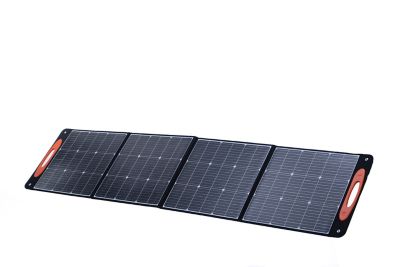
Two ratings deserve particular attention when comparing portable power systems: watts and watt-hours. Watts describe how much power a station can supply at one time, while watt-hours describe how much energy its battery holds. A higher wattage rating can support a heavier electrical load, but it doesn’t automatically mean longer runtime. Continuous output needs to cover the combined running wattage of everything connected, and surge capacity needs to accommodate any brief startup demand. Equipment with a motor or compressor may draw considerably more power when starting than it does once running. Runtime depends on battery capacity, the connected load, conversion losses, temperature, and the station’s own operating needs. For example, a fully charged 500-watt-hour battery powering a steady 50-watt load would have a theoretical runtime of 10 hours; allowing for 20 percent in losses and operating overhead brings that estimate to about eight hours. Actual results vary, especially with equipment that cycles on and off. That’s why checking the electrical ratings on your own equipment is worth the few minutes it takes. Outlet selection matters, too. AC receptacles, USB ports, and 12-volt connections serve different needs, and available ports and output limits vary by system. USB-C charging capability can differ substantially from one port to another, so the connector shape alone doesn’t tell the whole story. For electronics that require it, look for a pure sine wave AC output and confirm compatibility with the equipment manufacturer. Battery chemistry is another consideration. Lithium iron phosphate, often listed as LiFePO4 or LFP, is common in many newer stations and can offer a long cycle life, though battery lifespan depends on design, care, and operating conditions. Compare charging times alongside capacity, especially if the station needs to be ready again between trips or workdays. Solar charging can help extend time away from an outlet, but panels must match the station’s input requirements. Their output changes with shade, sun angle, cloud cover, and daylight hours, so advertised panel wattage isn’t a promise of steady charging throughout the day.
For campers and RV travelers, portable power is often about keeping the useful little comforts without turning the whole trip into an electrical project. A light over the picnic table, charged communication devices, and power for compatible campsite equipment can make a cool evening outdoors more comfortable. Browse
Portable Power Stations For Camping for options suited to time away from household outlets, keeping your expected loads and length of stay in mind. Around a farm or acreage, portability has a different sort of value: power can move from the workshop to a remote work area and come back inside when the day is done. A comfortable handle, manageable weight, and room to reach the outlets can matter as much as another increment of battery capacity. Think about who will lift the system into a pickup, where it will ride, and whether there’s a dry, stable spot for it at the destination. For someone who spends weekends camping, tends a property, or likes to keep essentials ready for an outage, a portable power station can also be a thoughtful gift. Matching it to their routines is more helpful than choosing the largest battery available. During the cooler months, check the manufacturer’s charging and operating temperature limits; cold conditions can reduce available energy, and some batteries restrict charging below certain temperatures. Keep the station protected from rain, standing water, and condensation unless its stated enclosure rating permits those conditions, and leave the required clearance around ventilation openings. Battery operation doesn’t create combustion exhaust, but indoor placement still needs to follow the manufacturer’s directions. Fuel-powered equipment, by contrast, must operate outdoors well away from doors, windows, and vents. Never connect a portable station to household wiring through a wall outlet; powering home circuits requires equipment approved for that purpose and proper installation. For ordinary plug-in needs, a little preparation goes a long way: keep the battery charged according to its storage instructions, check it periodically, and keep compatible charging cables together. When the lights go out or the work takes you past the last outlet, having a system that fits your everyday needs makes it easier to carry on.