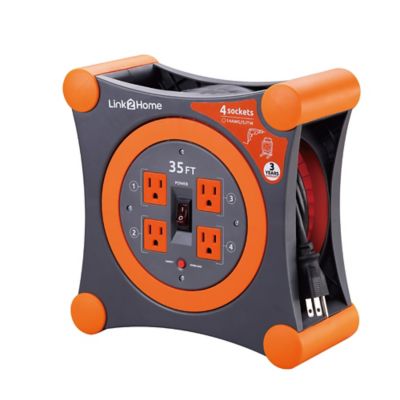
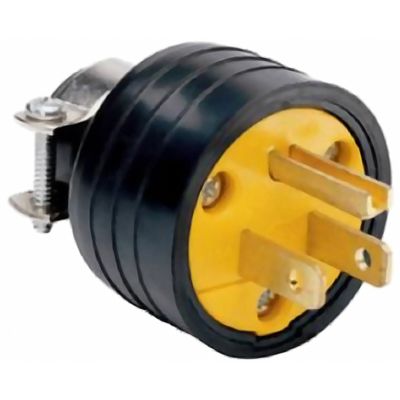
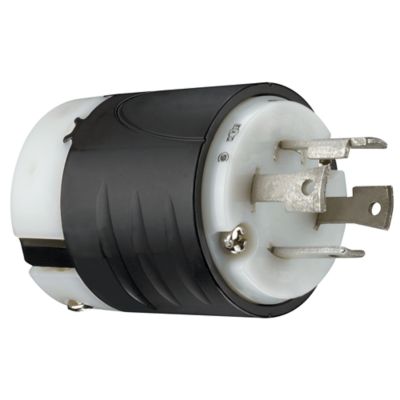
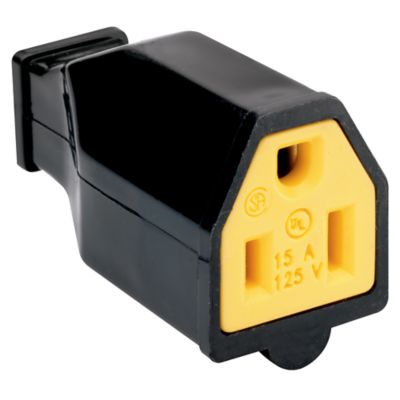
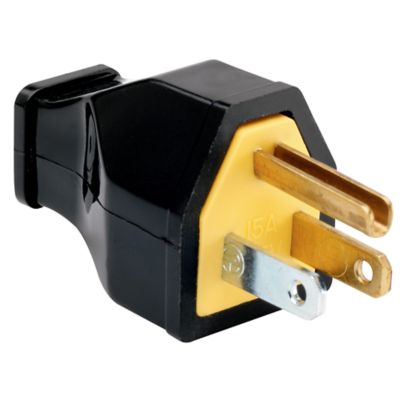
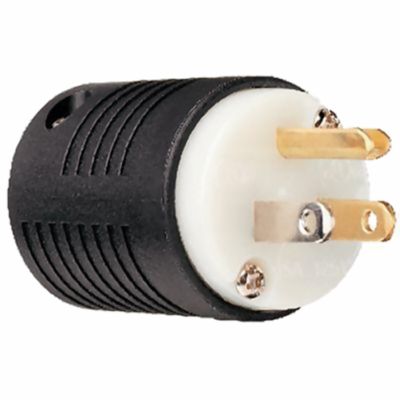
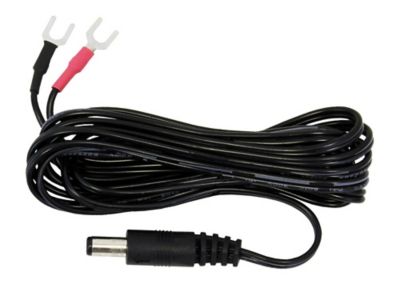
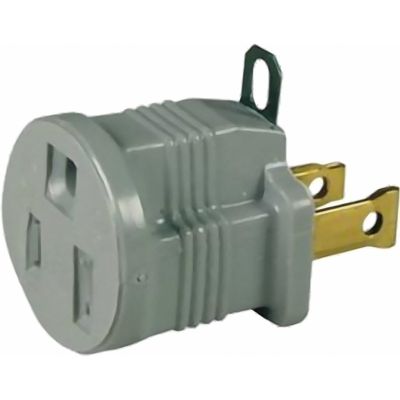
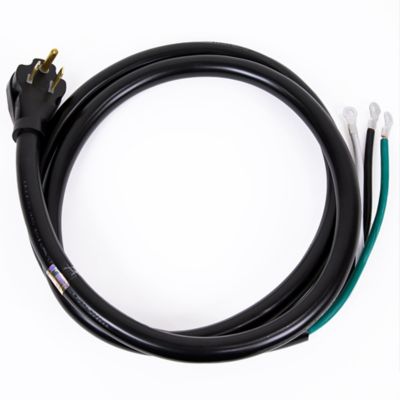
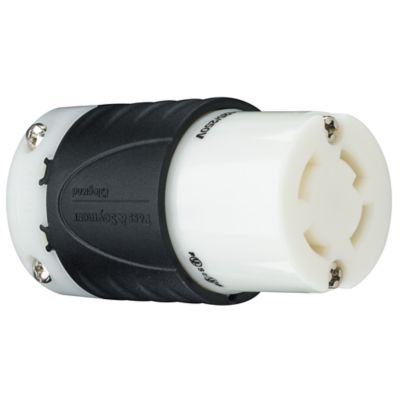
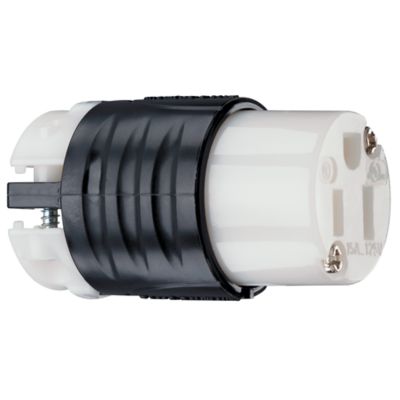
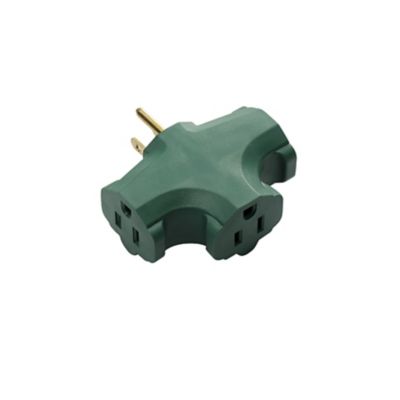
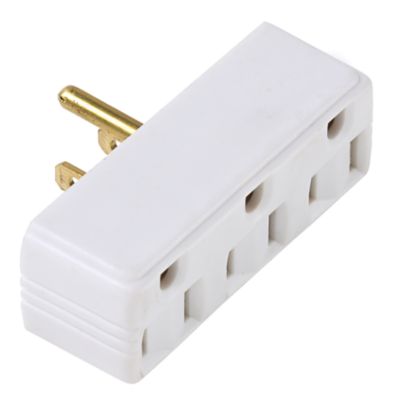
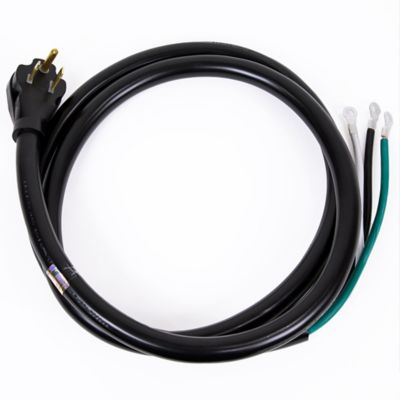
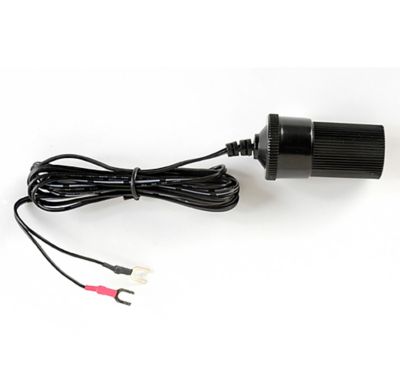
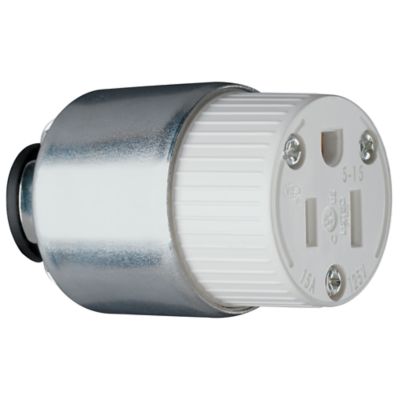
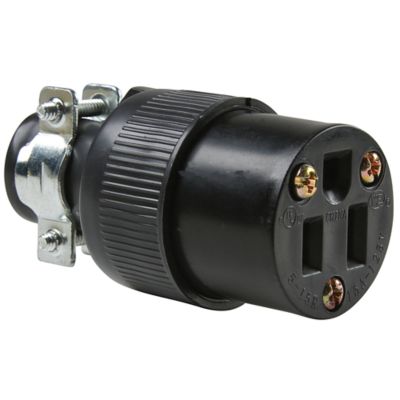
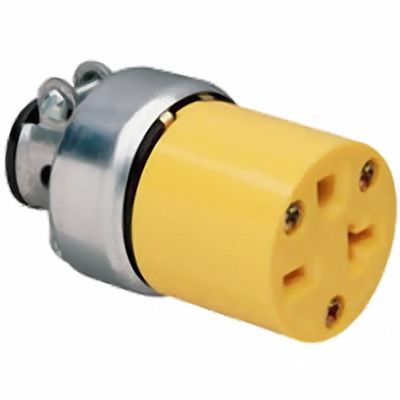
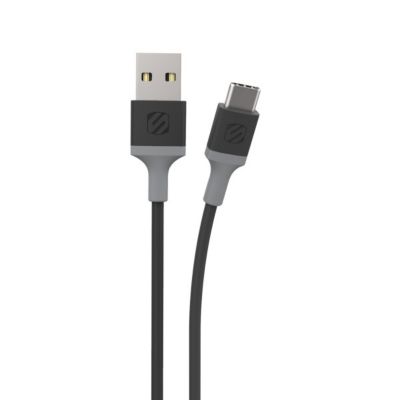
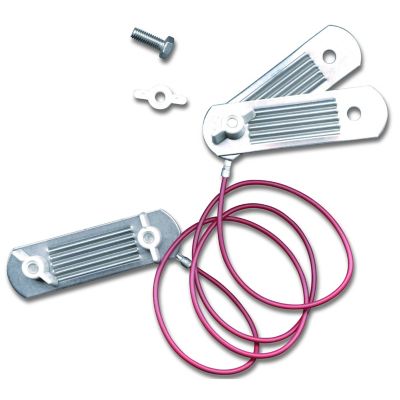
Power connectors help move electrical current from a source to the equipment that needs it, making them a practical part of farm shops, garages, barns, work trailers, offices, and home projects. They may connect an appliance to a wall outlet, bring low-voltage power to a small electronic device, join internal computer components, or link higher-current equipment in a work area. Common types include AC mains connectors for building power, DC barrel connectors for low-voltage electronics, computer power connectors for motherboards and other internal components, and heavy-duty locking connectors for demanding setups. When sorting through power connectors, start with the device and power source. Check whether the system runs on alternating current or direct current, then match the connector to the required voltage and amperage. A connector built for low-voltage electronics should not be placed in a high-current application, and a plug or socket that does not match the equipment can lead to poor contact, heat buildup, equipment damage, or an electrical hazard. Pay close attention to the connector shape, pin arrangement, polarity, wire gauge, terminal style, and fit. Some round DC connectors look nearly identical while carrying different voltage levels or having different positive and negative arrangements. For computer wiring, the number of pins and the intended connection point matter just as much. A motherboard connection, processor connection, and graphics-card connection may all look different for a reason, so compare the replacement part with the equipment manual or the original connector before making a purchase. If you are replacing a cord, check the plug type on one end and the appliance or equipment inlet on the other. Our selection of
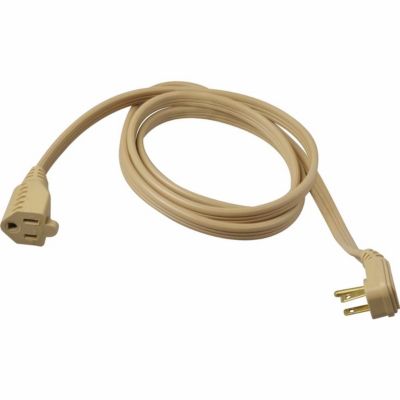
Power Supply Cords can help when the main need is connecting equipment to an available outlet.
Power connectors come in handy for plenty of everyday jobs. A farm operator may keep spare connections on hand for lighting, small fans, chargers, monitoring equipment, or electronics in a service truck. Someone setting up a workbench may need a neat way to route power between a supply and low-voltage tools or test equipment. In a home office, the right connector can help replace a misplaced computer cable or bring power back to a monitor, printer, router, or other device. A radio hobbyist, mechanic, technician, or small-engine enthusiast may work with higher-current DC connections where firm contact and clear polarity markings are especially important. In spaces where vibration, dust, moisture, or frequent movement are part of the job, look for a connector with a secure fit, strain relief, and a housing suited to the surroundings. Locking styles can help keep a connection from pulling apart when equipment is shifted, while sealed or covered connections may be a better fit for areas exposed to splashes or changing weather. Even in a dry shop, keep cords and connectors away from standing water, inspect them for cracked insulation or bent contacts, and disconnect power before changing wiring. For outdoor or barn projects, protect connections from rain, mud, animal contact, and sharp edges, and follow local electrical rules whenever a project involves building wiring or higher-voltage service. These parts can also make a thoughtful addition to a tool kit for a student learning electronics, a family member setting up a workbench, or a neighbor who spends weekends repairing equipment, though the right match matters more than appearance. Before ordering, write down the device model, connector type, voltage, amperage, cable length, and any measurements from the existing part. A photo of the original connection beside a ruler can help with shape and size, while the equipment label or manual can confirm the electrical requirements. Taking a few minutes to check those details helps prevent a return trip to the store and keeps the project moving when cooler weather sends more work indoors.