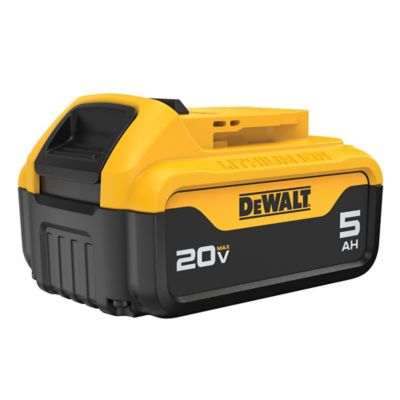
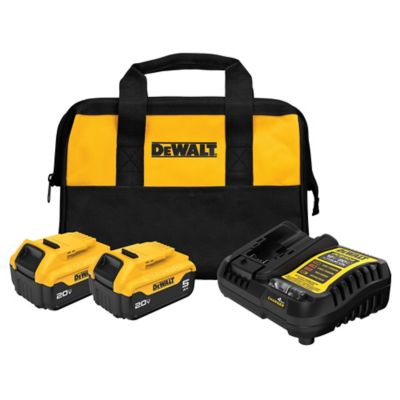
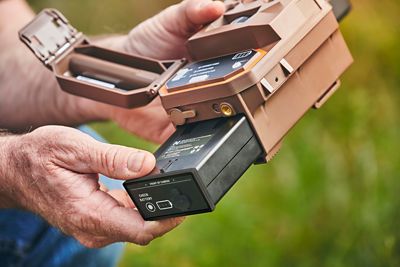
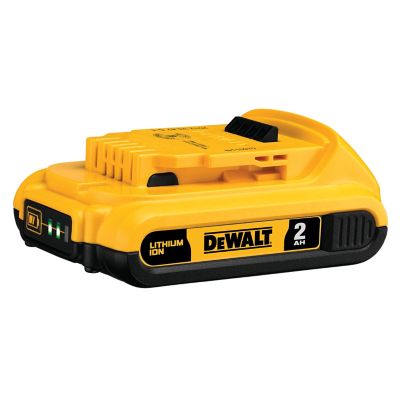
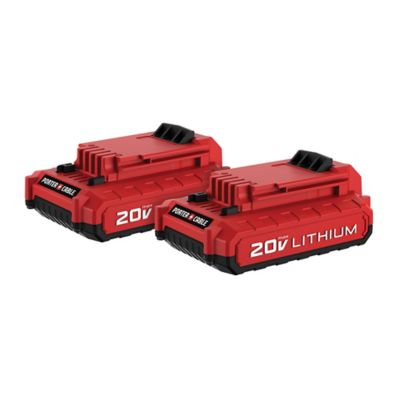
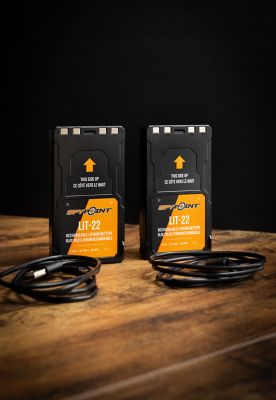
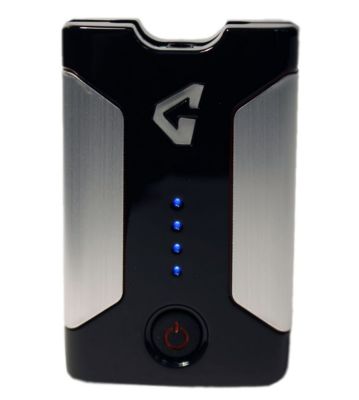
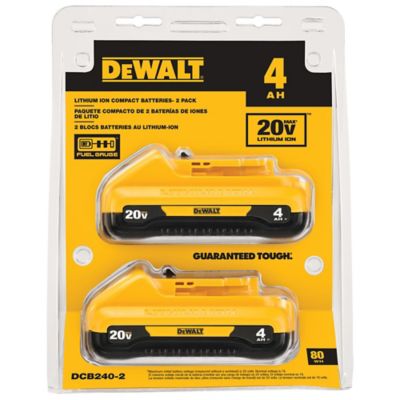
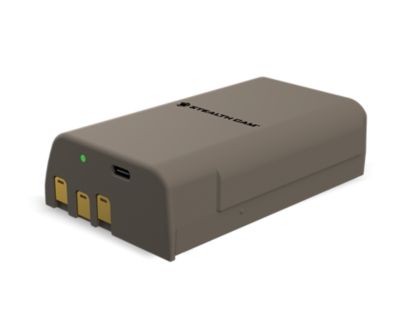
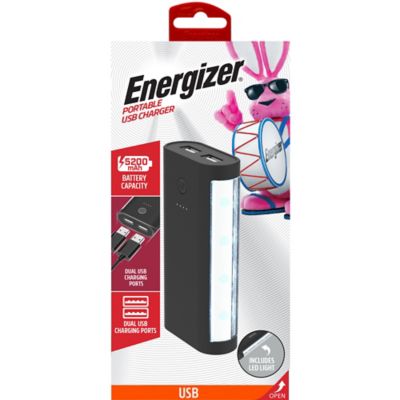
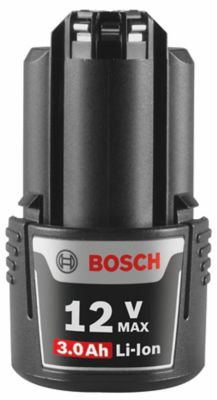
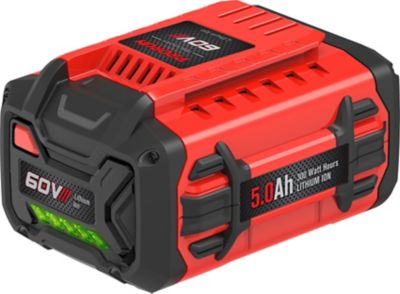
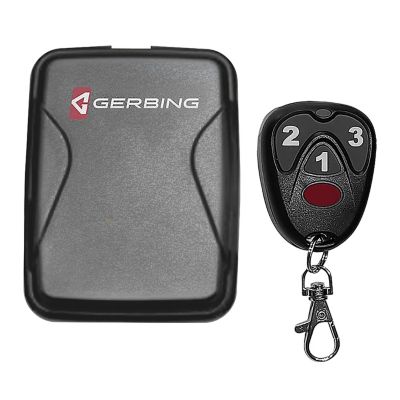
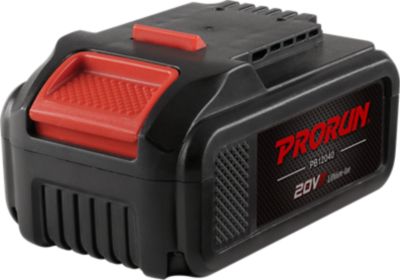
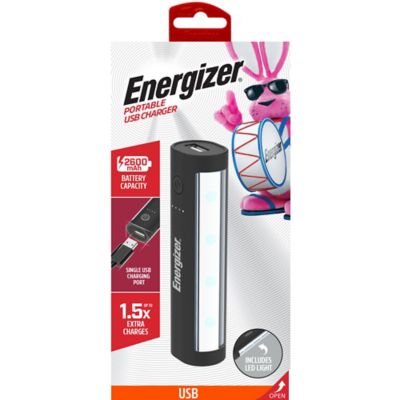
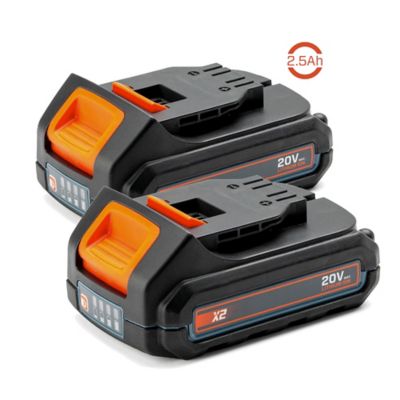
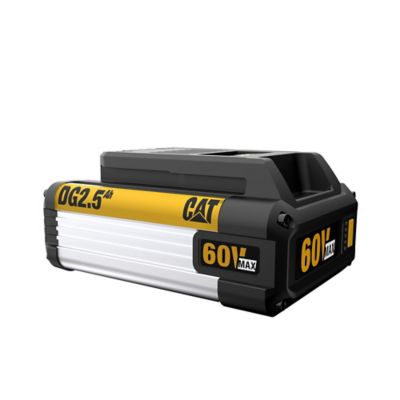
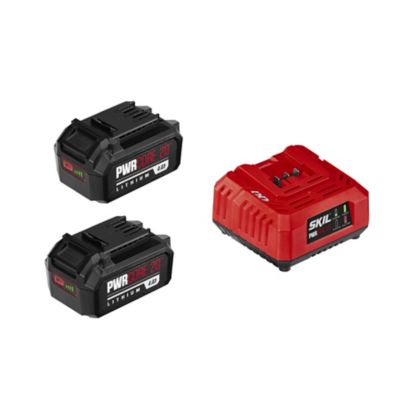
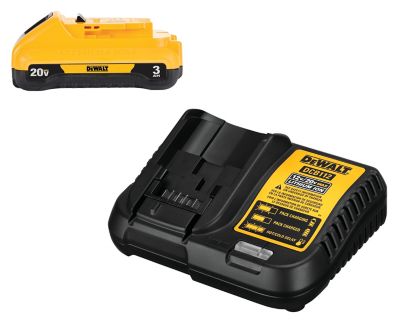
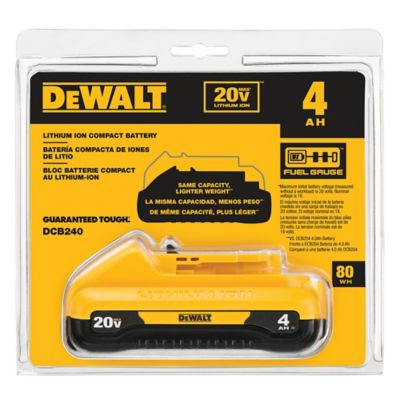
A battery pack stores electrical energy in one or more connected cells so compatible equipment can run or recharge without staying plugged into a wall outlet. That covers several different jobs around a home, farm or workshop: keeping a cordless tool working along a fence line, topping off a phone while checking livestock or supplying energy to a compatible portable power system. The right battery pack depends on what it needs to power, how it connects and how much weight makes sense to carry. Pocket-size power banks generally charge electronics through USB ports, while tool battery packs slide or snap into equipment built for a particular battery platform. Expansion batteries connect to designated power stations and may not supply usable power on their own. These categories serve different purposes, so a charging port or similar-looking connection does not make them interchangeable. Many rechargeable packs contain lithium-ion cells inside a molded housing, along with circuitry that helps manage charging and discharge. Housing materials, recessed contacts, grip surfaces and release latches all affect how a pack handles during everyday chores. A firm latch matters when a tool gets carried between the barn and workbench, while a smooth, compact case is easier to tuck into a bag with a phone and charging cable. Fit goes beyond whether a pack slides into place. Voltage, battery chemistry, electrical connections and communication between the pack, charger and equipment must all line up with the manufacturer’s requirements. Packs with matching voltage numbers can still belong to entirely different systems. For a cordless tool setup, the approved battery platform is the starting point; for personal electronics, the charging connection and supported output standards matter more. Someone running equipment through a full workday may value extra capacity, while someone handling quick repairs may prefer less weight in hand. A spare pack can also keep a job moving while another charges, provided both packs and the charger are approved for the equipment.
Battery capacity and power output describe different things, and both matter when comparing battery packs. Capacity is the amount of stored electrical charge or energy; output describes how much power the pack can deliver at a given moment. Amp-hours, often written as Ah, commonly appear on tool batteries, while milliamp-hours, or mAh, often appear on portable phone chargers. A higher amp-hour rating generally means more potential runtime when comparing compatible packs at the same voltage, but it does not automatically mean a tool will run faster or pull harder. Watt-hours, abbreviated Wh, make energy comparisons more useful across different voltages. Nominal volts multiplied by amp-hours gives an approximate watt-hour figure. Milliamp-hour ratings alone can be misleading when the ratings refer to different voltages, so they are not enough to predict how many times a phone will recharge. Energy conversion, cable losses, the device’s battery size and whether it is running during charging all affect the result. For USB battery packs, output wattage helps indicate which charging tasks a port can support. A phone may need far less power than a laptop, and a USB-C connector alone does not guarantee laptop charging or a particular charging speed. The pack, cable and device must support compatible charging standards, such as USB Power Delivery, to reach the intended rate. Multiple ports can be handy when a phone and tablet both need attention, but the total output may be shared when they charge together. Larger power needs bring other considerations. A battery paired with a power station must match that system, and running equipment through AC outlets also depends on the station’s inverter rating and starting-power limits. A motor may briefly demand more power at startup than it draws once running. For a long stretch away from an outlet, usable energy, recharge options and the equipment’s actual draw tell more of the story than capacity alone. Recharge time matters, too: a larger pack can take longer to refill unless its supported charging rate and charger can keep pace.
Everyday handling has a lot to do with how well a battery pack holds up on the job. A sturdy housing helps shield the cells, but that does not mean a pack can take repeated drops, ride loose under heavy tools or sit where metal scraps can bridge its terminals. A secure spot in a tool bag or carrying case keeps the contacts away from loose screws, keys and fencing staples. Some housings have protective bumpers or stated resistance ratings; those features are worth checking rather than assuming every pack can handle the same conditions. Keep ports and contact areas clear of dirt, and follow the manufacturer’s cleaning directions before returning a pack to its charger or equipment. Charging should take place on a stable surface, clear of clutter, with the charger and cable specified for the battery. A connector that fits is only part of the match, especially with dedicated tool batteries and expansion packs. Browsing
Battery Accessories can help round out a setup with compatible charging, connection and storage essentials. Battery condition deserves attention as well. A cracked case, swelling, leaking, an unusual smell or damaged contacts is a reason to stop charging or operating the pack and follow the manufacturer’s handling instructions. Opening a sealed housing or attempting a makeshift repair can expose cells and electrical connections that are not meant for routine service. For packs set aside between jobs, follow the stated storage and charge-level recommendations, and keep them somewhere protected from crushing, moisture and accidental contact with metal. Worn-out rechargeable batteries belong in an appropriate battery collection or recycling program, with terminal protection handled according to the program’s directions. For a practical gift, matching the recipient’s existing equipment or everyday charging needs matters more than choosing the largest capacity. Whether the pack rides in a chore bag, powers a tool at the gate or supports electronics away from the house, a well-matched setup keeps portable power straightforward.