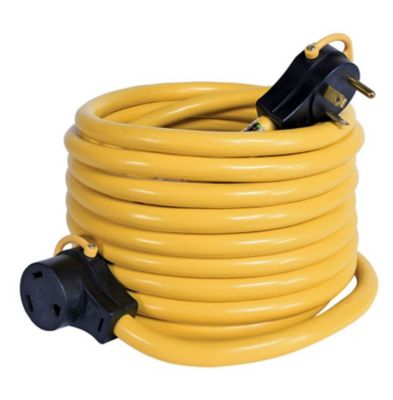
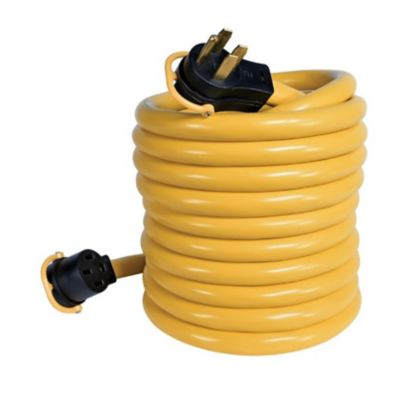
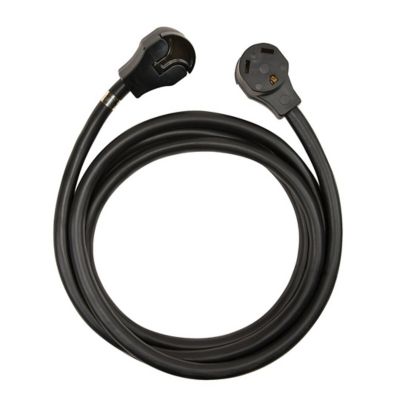
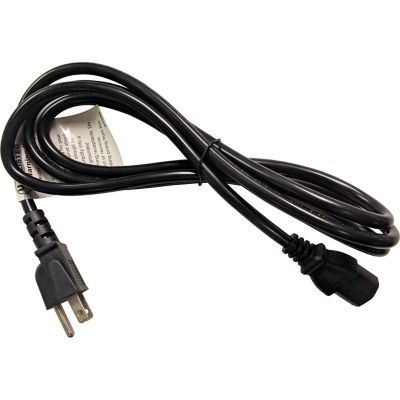
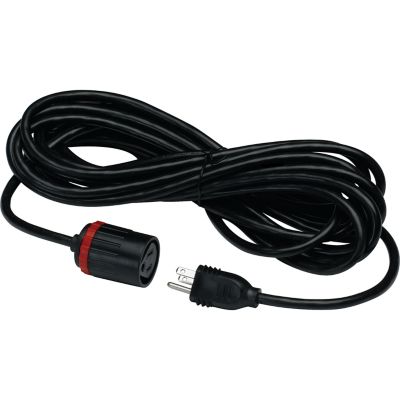
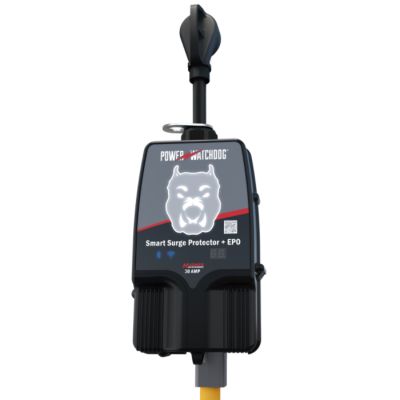
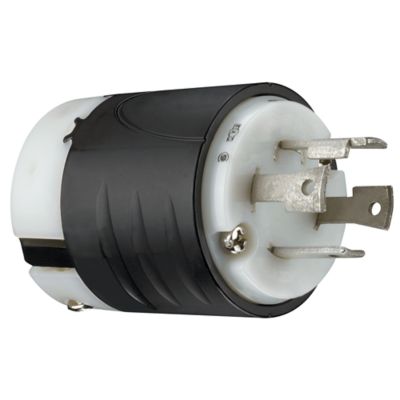
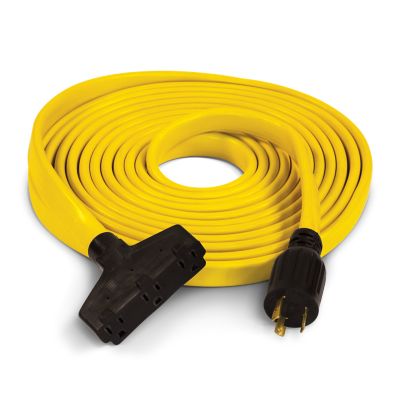
Power supply cords carry electricity from a power source to compatible equipment, whether that equipment sits on a workshop bench, behind a desk or in a utility room. The term covers two main categories: external AC power cords that connect equipment to an electrical outlet, and internal DC power supply cables that connect a computer’s power supply to its components. External cords are the familiar choice for many everyday replacement needs, but their ends, electrical ratings and grounding arrangements can differ. A cord that fits a monitor may not fit another piece of equipment, and a matching connector shape alone does not establish electrical compatibility. The equipment label and manufacturer’s documentation identify the connection and ratings required. A basic power cord carries electricity; it does not convert AC to DC or change the supply voltage. Those functions belong to the equipment’s power supply or a separate adapter. That distinction matters when replacing a missing cord for an office computer, setting up equipment in a farm shop or sorting through cables after moving a workbench. Some equipment accepts a detachable cord, while other equipment has a cord wired directly into its housing. Hardwired replacements can involve internal electrical connections and may call for a qualified repair professional rather than a simple plug-in swap. Internal computer power cables require a different kind of attention. Modular cables connect to sockets on the computer’s power supply, but the wiring at those sockets is not universal. Cables from different manufacturers, models or even versions of a power supply may fit while carrying electricity to different pins. Only cables explicitly approved by the manufacturer for that exact power supply model belong in those connections. Mixing incompatible modular cables can short-circuit components and cause permanent damage. Keeping external AC cords separate from internal computer cables makes it easier to recognize the job each one serves, especially where household equipment, office electronics and shop machinery share the same work area.
For external power supply cords, the right match comes down to the equipment connection, outlet connection, electrical rating and intended setting. Plug styles vary, and grounding is part of the equipment’s electrical design rather than an optional feature. Equipment that requires a grounded cord needs that grounding path intact; removing a grounding pin or forcing a plug into an unsuitable outlet defeats that protection. The cord’s voltage and current ratings must meet the equipment manufacturer’s requirements, with the connector and plug rated for the application as well. Copper conductors carry the electrical load inside many cords, while insulation separates those conductors and an outer jacket helps protect the assembly from everyday contact and handling. Jacket materials vary in flexibility and resistance to abrasion, oils and other exposures, so a cord suited to a desk setup may not suit the conditions around a busy repair bench. Markings on the cord and its documentation help establish where it belongs, including any indoor or outdoor designation. Conductor size also matters. Within the American Wire Gauge system, a lower gauge number indicates a thicker conductor, but gauge alone does not determine the rating of the entire cord assembly. Length, construction, connectors and application all play a part. Longer runs can increase voltage drop, which deserves particular attention with equipment that draws substantial current or has a motor with a higher starting demand. A cord should provide enough reach for a sensible layout without leaving a heap of excess cable underfoot. A few extra feet can make positioning easier, but stretching a short cord tight between an outlet and a machine puts strain on both connections. Extension cords are a separate consideration and must meet the equipment manufacturer’s requirements; they are not a substitute for permanent wiring. Around a shop, cord routing matters just as much as reach. A path clear of rolling carts, sharp bench edges and moving machinery helps protect the jacket and keeps the work area easier to navigate.
Fit includes the small details that become noticeable once equipment is in place. Connector depth, molded grip size and the direction the cable leaves the plug can affect clearance behind a cabinet or along a crowded bench. A right-angle connection can help in some layouts, but only when its orientation and ratings suit the equipment. A proper connection seats as intended without forcing, looseness or pressure from nearby objects. Molded strain relief at a plug or connector helps limit stress where the flexible cable meets the rigid housing, though it cannot make repeated tugging harmless. Pulling from the plug body rather than the cable helps protect that junction. Routine care starts with keeping cords clear of pinch points, cutting edges and surfaces that could damage their insulation. Disconnecting power before examining a cord makes it possible to look for cracked jackets, exposed conductors, bent contacts, scorch marks or damage near either end. A cord with damaged insulation or signs of overheating needs to come out of service rather than disappear beneath a wrap of tape. Loose connections, repeated tripping or unusual heating also call for attention to the equipment and circuit, not simply another cord. Between jobs, broad, relaxed loops are easier on a cable than tight bends or sharp kinks. Storage that keeps connectors off the floor and separates cords by purpose can save a lot of rummaging when a piece of equipment needs to get back to work.
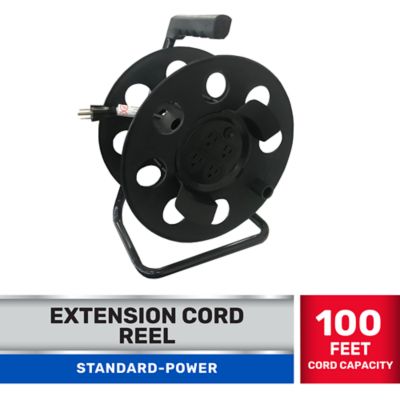
Power Cord Storage can help keep those cables organized without turning a shelf into a tangled pile. Labels noting the matching equipment are especially helpful when several cords look alike, while internal modular computer cables belong with clear identification for their approved power supply. For anyone maintaining a home office, tending equipment around the farm or keeping a workshop in order, a properly matched power supply cord is a practical part of the setup. Sound connections, suitable materials and careful handling help keep everyday equipment ready for its next job.