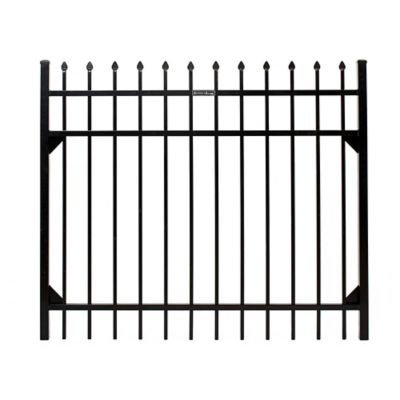
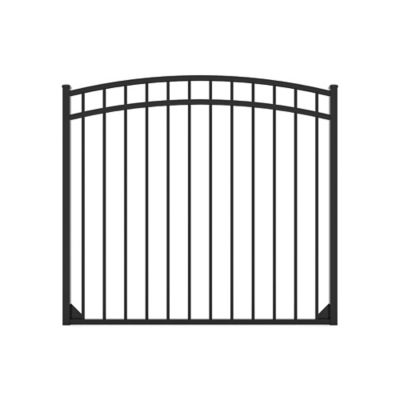
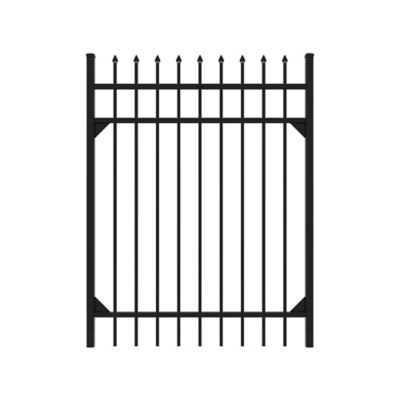
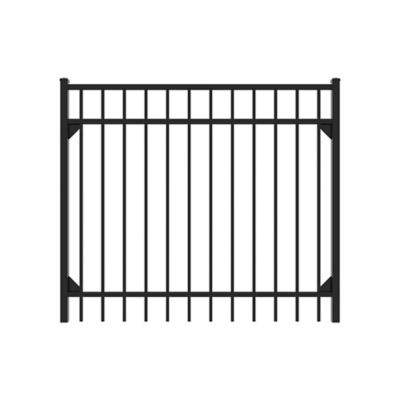
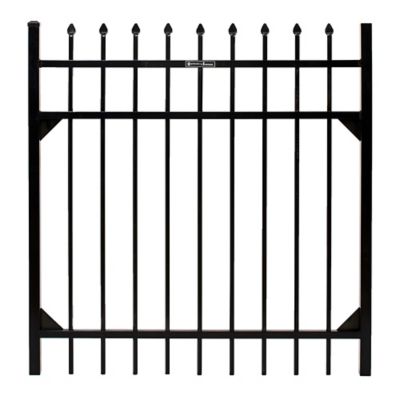
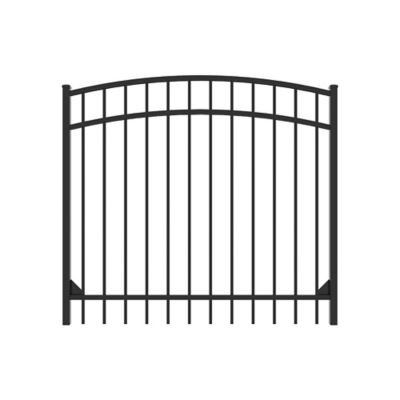
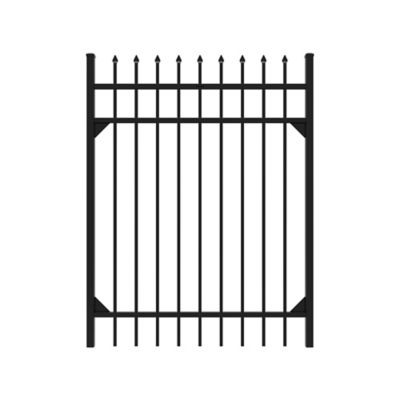
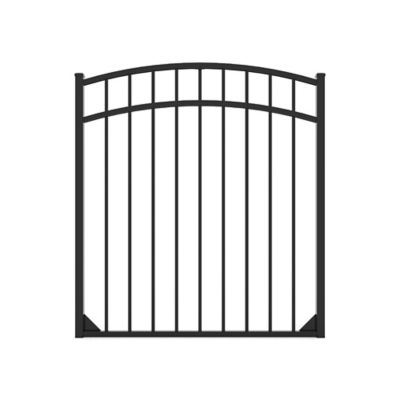
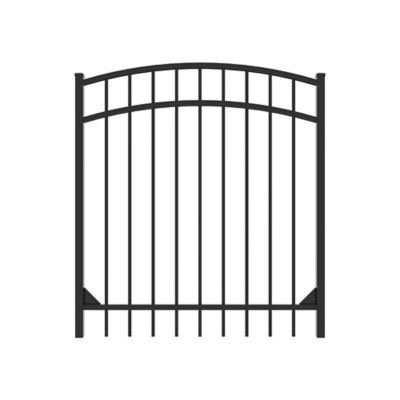
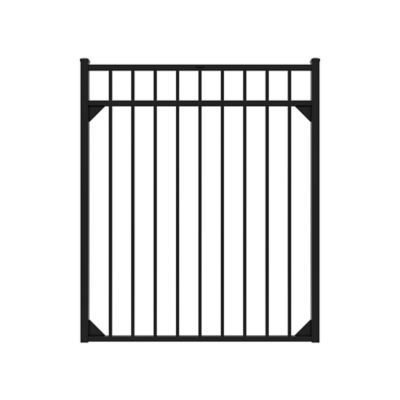
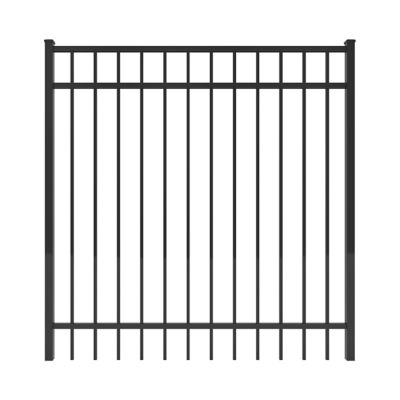
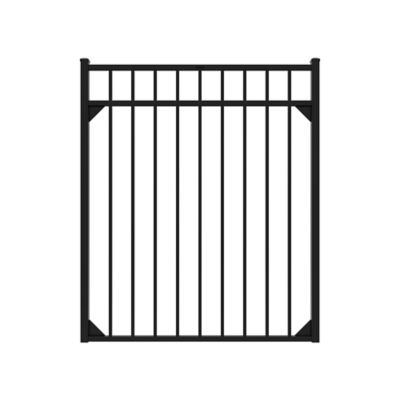
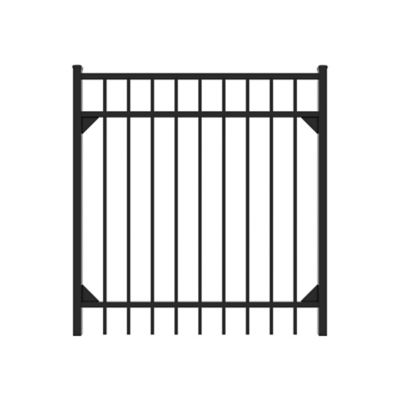
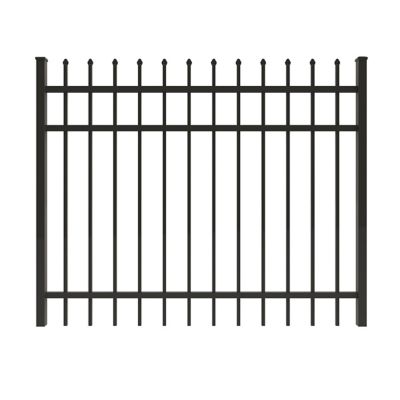
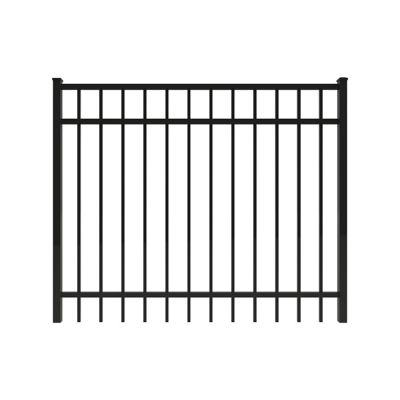
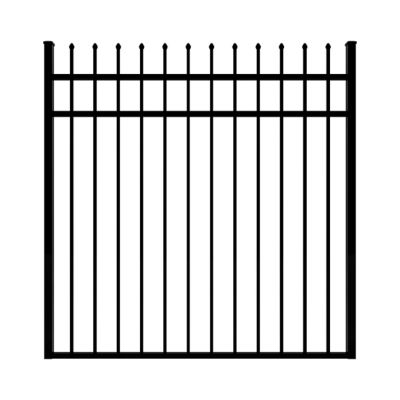
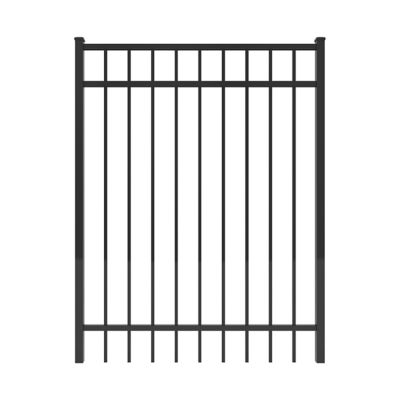
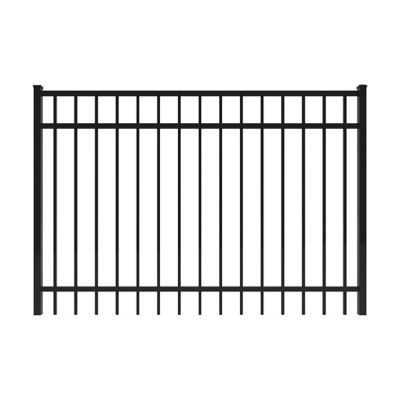
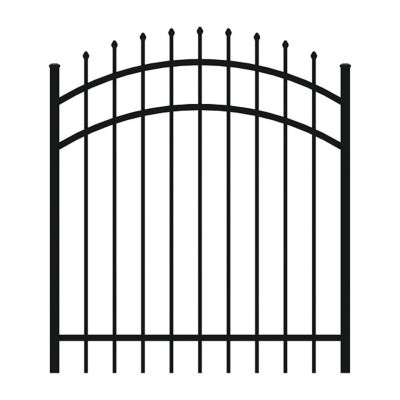
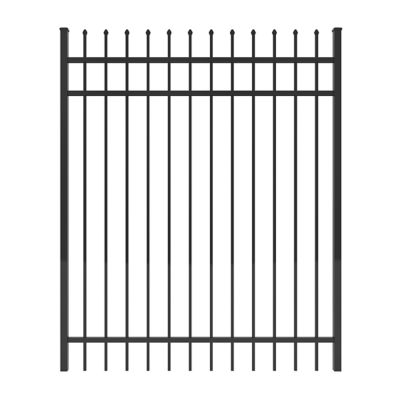
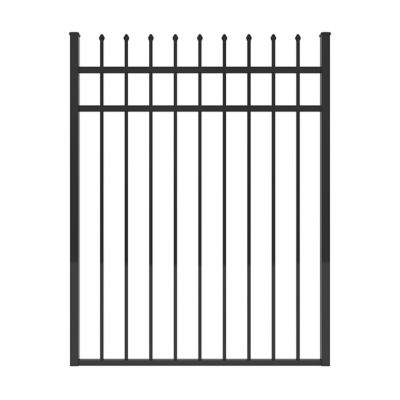
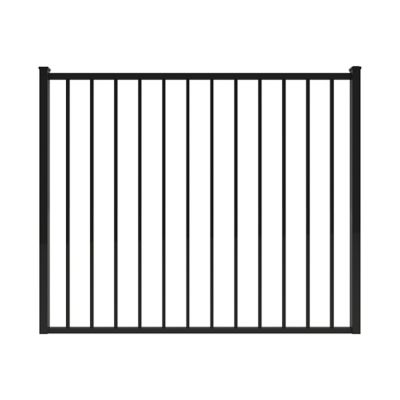
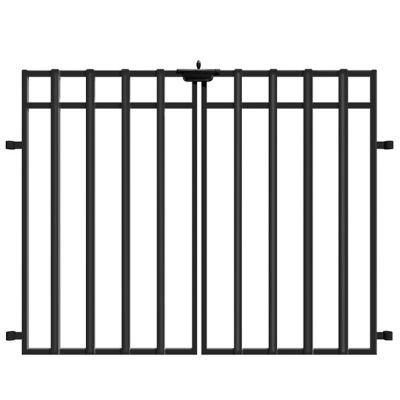
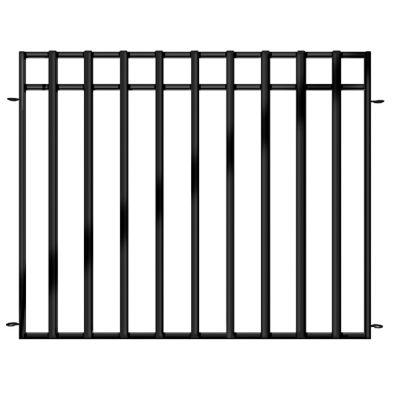
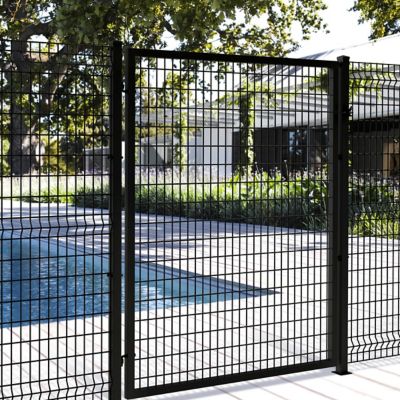
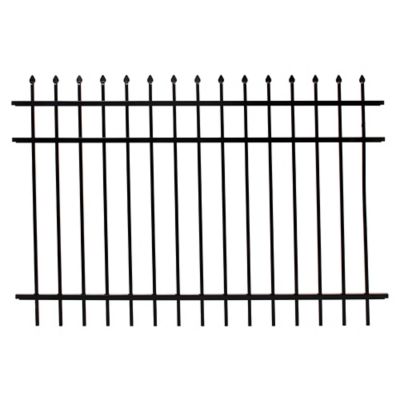
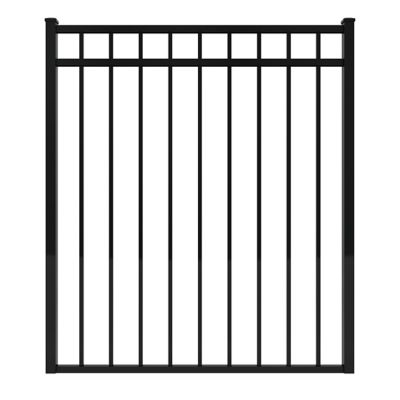
Powder-coated aluminum gates offer a lightweight, rust-resistant way to manage entry to yards, gardens, walkways, and driveways. Their protective finish and straightforward upkeep make them a practical choice for property owners who want a tidy entrance without a long list of maintenance chores. Aluminum weighs less than steel, which can make a properly fitted gate easier to swing when carrying groceries, leading a leashed pet, or pushing a wheelbarrow through to the garden. Powder coating starts as a dry powder applied to prepared metal, then cured with heat to form a bonded finish. That coating gives the frame and pickets a consistent appearance while adding a barrier against surface wear and corrosion. Aluminum does not develop the red rust associated with iron and steel, but it is not immune to oxidation or damage, especially where the finish gets scratched. Frame construction, joints, hardware, and installation all contribute to how well a gate holds its shape and works over time. A lightweight frame still needs the right support; it should not be expected to straighten a leaning post or compensate for loose hinges. For a house yard, an open-picket design can define the boundary without blocking the view toward the driveway or outbuildings. Around a garden, the same open look keeps the entrance from feeling boxed in, though animal exclusion depends on picket spacing, height, and the fencing around it. More enclosed designs offer greater visual screening, but their construction and support requirements deserve a close look. Flat tops, shaped upper rails, and different picket arrangements also change the character of an entrance. A simple profile can sit comfortably beside a farmhouse, garage, or workshop without drawing attention away from the property itself. Matching the gate’s height, finish, and rail placement with coordinating
Aluminum Fence Panels helps the fence line look connected, rather than pieced together at the opening. The best fit balances that finished appearance with the everyday job the entrance needs to do.
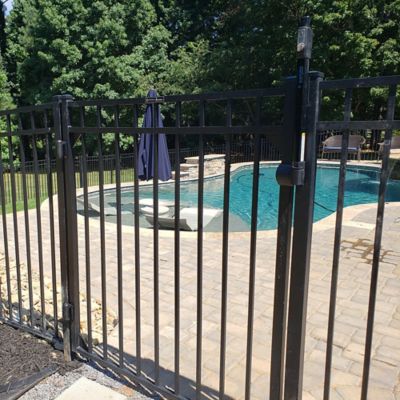
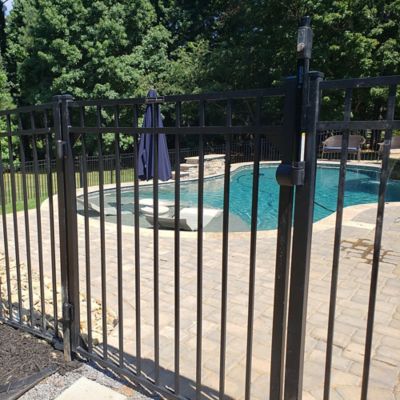
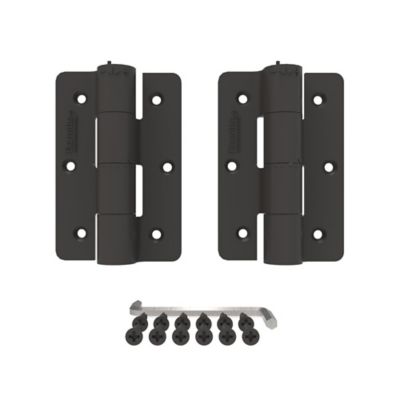
Opening size and traffic patterns have a lot to do with choosing a powder-coated aluminum gate. A side-yard entrance that mainly serves foot traffic has different needs from an opening where a riding mower, utility cart, or trailer needs room to pass. Enough clearance for the widest equipment matters, but so does elbow room for someone walking alongside it. The listed gate width and the required distance between posts may not be the same measurement, because hinges, latches, and operating gaps take up space. Manufacturer dimensions help establish how the gate will fit within the complete opening. Single-swing layouts keep a smaller entrance straightforward, while paired leaves can divide a wider opening into two sections. Those wider layouts need suitable hinges, secure posts, and hardware that holds each leaf in position when closed. The swing path matters just as much as width: a gate that clears the opening can still catch on a rising driveway, scrape a path, or run into a nearby fence corner. Bottom clearance should suit the surface beneath it without leaving an unintended escape route for a small pet. Post strength, anchoring, and hinge attachment deserve particular attention on broad gates, where the frame creates more leverage on its supports. Hardware should match the gate’s weight, frame design, and mounting surface, rather than simply fitting the nearest hole. Latch placement can make a difference when hands are full, especially at an entrance between the driveway and the house. For pet areas, picket spacing and latch security matter more than appearance alone; a determined climber or a small animal may need a different enclosure arrangement. A residential aluminum gate should not be assumed suitable for containing cattle, horses, or other large livestock unless its stated purpose and construction support that use. Pool barriers have separate safety requirements, including rules that may govern height, openings, swing direction, and self-closing or self-latching hardware. An attractive yard gate is not automatically a compliant pool gate, and local requirements remain part of finding the right fit.
Routine care for powder-coated aluminum gates is generally simple, with attention focused on keeping the finish clean and the moving parts working freely. Mild soap, water, and a soft cloth or sponge are often enough for ordinary dirt, followed by a thorough rinse, subject to the manufacturer’s care directions. Abrasive pads, harsh cleaners, and scraping tools can damage the coating or dull its appearance. Fertilizer residue, animal waste, and lawn-care chemicals should not be left sitting against the frame, and aluminum’s resistance to red rust does not mean every hinge, latch, or fastener shares the same protection. Compatible hardware and proper separation between dissimilar metals help limit corrosion at connections. Small chips deserve prompt attention with a repair method approved for the finish, rather than an unrelated coating that may not bond or match. Hinges and latches benefit from periodic checks for looseness, wear, and alignment, with lubrication only where the hardware maker recommends it. A gate that begins dragging or needs a hard lift to latch may have a support or adjustment problem worth addressing before it strains the frame. Letting children ride on a gate, hanging heavy equipment from the rails, or allowing a wide leaf to slam against its stop can shorten the working life of the assembly. At a busy home entrance, smooth movement and a latch that catches cleanly make a noticeable difference every day. At a garden or workshop, a well-sized opening keeps routine trips from becoming a squeeze with tools in hand. Powder-coated aluminum suits these settings because it combines a clean-lined appearance with manageable weight and modest upkeep, not because it eliminates the need for sound installation. With dimensions, hardware, enclosure needs, and care requirements considered together, the gate can serve as a useful part of the property’s layout while keeping the entrance looking neat.