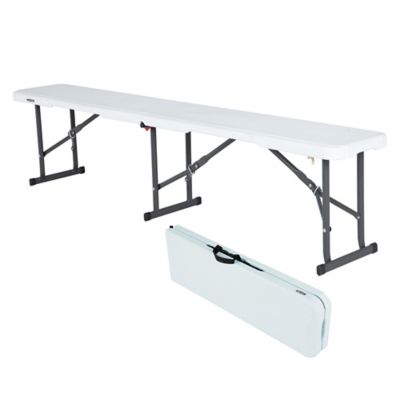
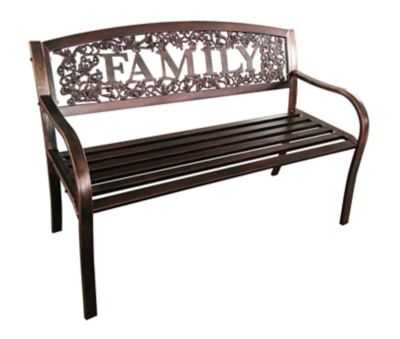
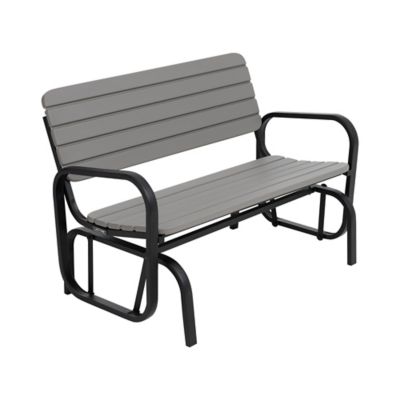
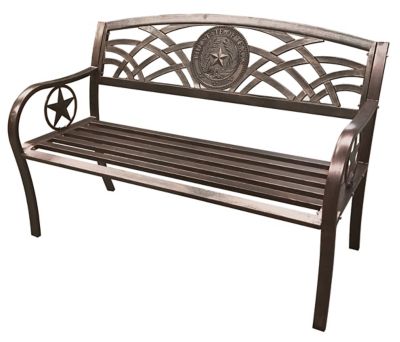
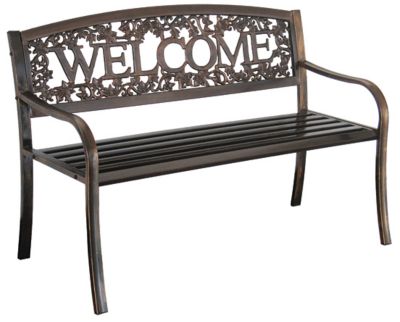
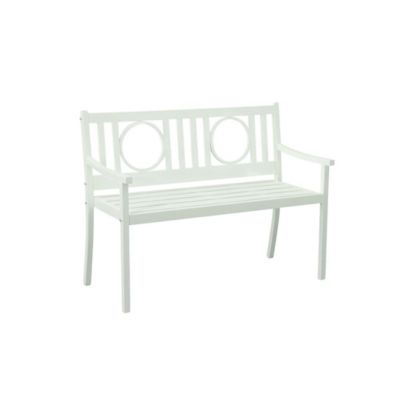
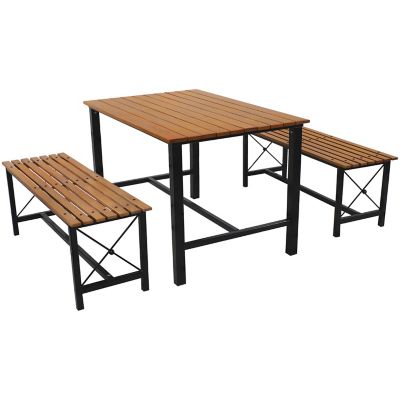
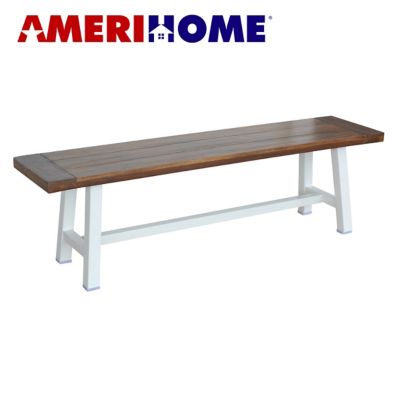
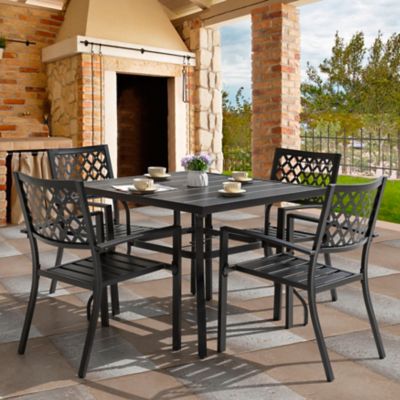
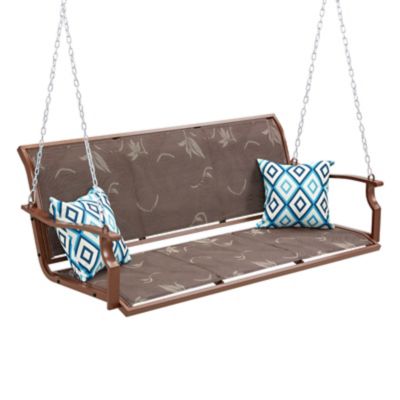
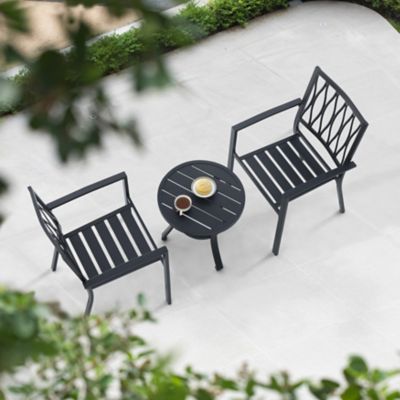
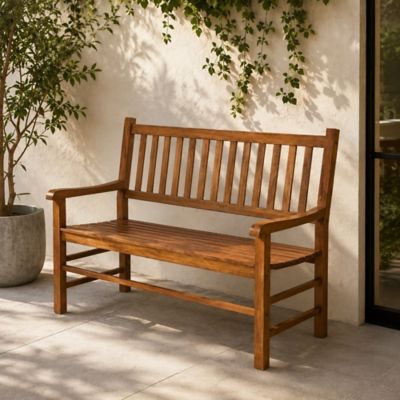
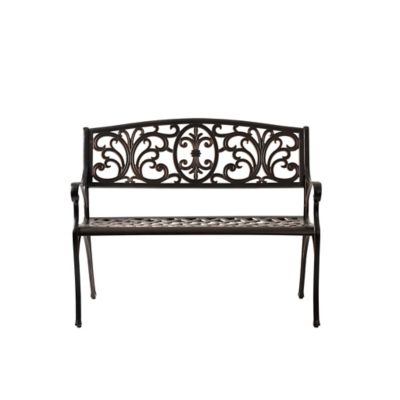
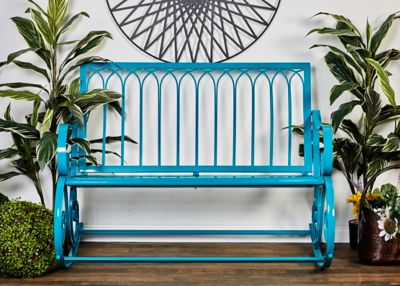
Powder coated outdoor benches make it easy to add a dependable place to sit without giving up the good looks of a finished outdoor space. They fit right in beside a garden path, under a shade tree, near the front steps, around a fire ring or along the edge of a porch. The powder coating is a baked-on polymer finish applied to metal, often through an electrostatic process that helps the coating cling evenly before it is cured with heat. That creates a smooth, hard-wearing layer that seals the surface from much of the moisture and everyday wear that can lead to rust, chipping and fading. Compared with ordinary liquid paint, powder coating is generally thicker and more resistant to scratches, scuffs and weather exposure. It is not a promise that a bench can never rust or show wear—standing water, deep scratches and neglected hardware can still cause trouble—but it gives the frame a strong line of defense for outdoor use. Steel benches are valued for their sturdy feel and can be a good choice for busy gathering spots, while aluminum benches are lighter and easier to move when you are changing the layout of a porch, patio or garden. Check the listed overall length, seat height and weight capacity before ordering, especially if the bench will be used by several adults or placed where space is tight. A compact bench can work well beside a doorway or in a small planting area, while a longer seat gives family and guests room to spread out. Slatted seats and backs allow rain to pass through instead of pooling, and curved or contoured designs can make longer sitting more comfortable. Consider the look of nearby fencing, planters and outdoor furniture, too. A classic dark finish can settle quietly into a wooded landscape, while a lighter or brighter color can bring a little cheer to a bare corner.
Placement has just as much to do with long-term satisfaction as the finish itself. Set a powder coated bench on a firm, level surface so the legs do not rock or sink after heavy rain. Pavers, concrete, compacted gravel and well-drained ground are common choices, though the right setup depends on the location and the bench design. Keep the legs from sitting in low spots where water collects, and leave enough room behind the backrest for comfortable use and routine cleaning. A bench near a garden may invite muddy boots, damp jackets and a steady stream of visitors, so a quick-to-clean metal surface can be especially handy. In a farmyard or rural property, a bench along a fence line offers a spot to pause while keeping an eye on the gate, livestock or growing beds. Near a front entry, it gives family members a place to sit while pulling on work shoes, setting down a bag or visiting with neighbors. Some outdoor benches are intended to be secured to the ground, which can be useful in windy areas, public-facing spaces or locations where the bench should stay in one place. Follow the manufacturer’s instructions for anchoring and avoid drilling into the frame unless the design allows it. During cooler months, a breathable cover can help limit exposure to dirt and moisture, but do not cover a wet bench and leave it sealed up for long periods. Brush away leaves, pine needles and soil when they collect around the seat or legs. For regular cleaning, mild soap, warm water and a soft cloth or sponge are usually enough. Rinse away cleaner and let the bench dry fully. Skip harsh abrasives, steel wool and strong chemicals that may dull or damage the coating. If the finish is scratched, clean and dry the area and address it with a touch-up product made for the specific type of metal and finish. Keeping fasteners tight and checking for loose feet, cracked welds or water trapped around hardware can also help a well-made bench stay useful through changing weather.
A powder coated bench can be a practical addition for many different households. It gives grandparents a comfortable place to watch children play, offers guests a rest spot during a cookout and creates a quiet corner for morning coffee, reading or enjoying the sound of birds in the yard. Gardeners often appreciate having a seat close to raised beds and flower borders, where it is easy to pause with a basket of tools or take a break after a stretch of digging. A bench can also be a thoughtful housewarming, wedding, retirement or birthday gift, especially for someone who enjoys fixing up a porch, tending a landscape or making an outdoor gathering space feel more welcoming. To choose a suitable gift, think about the recipient’s available space, preferred style and how much upkeep they are likely to want. A simple metal seat with a durable finish may suit someone who values easy care, while a bench with a shaped back or seat may be better for longer conversations and relaxed sitting. Pairing a bench with a nearby planter, outdoor cushion made for weather exposure or a small side table can make the space feel finished, though cushions should be brought in or stored when wet weather is expected. For more ideas on selecting seating that can handle outdoor conditions, browse
Weather Resistant Garden Benches. Whether it sits by a gravel drive, beneath a flowering tree or outside the back door, a powder coated outdoor bench brings useful seating and a welcoming touch to the places where everyday life happens. With the right size, stable placement and a little basic care, it can remain a comfortable part of the landscape through sunny days, damp weather and the cooler season.