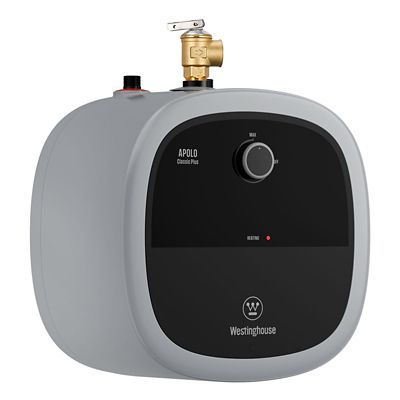
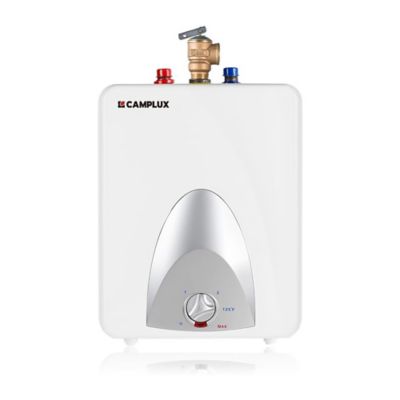
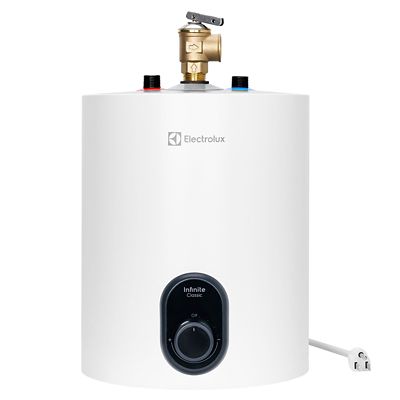
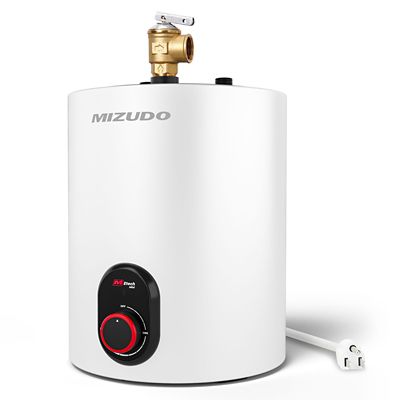
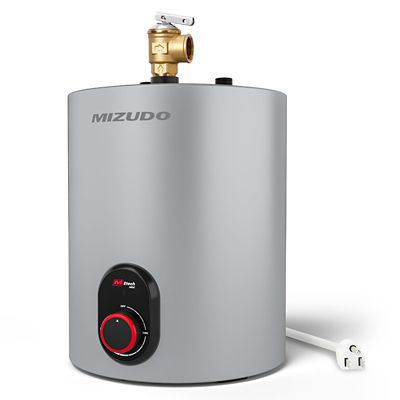
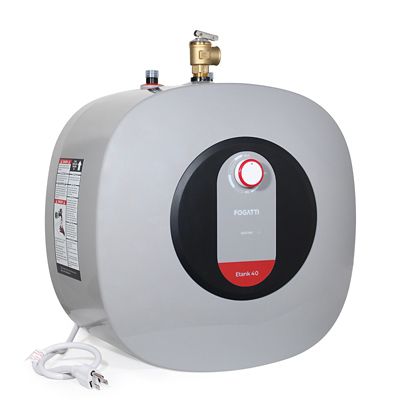
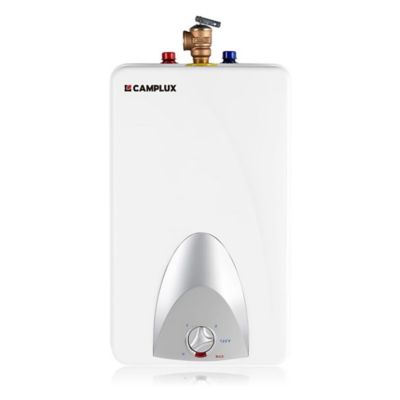
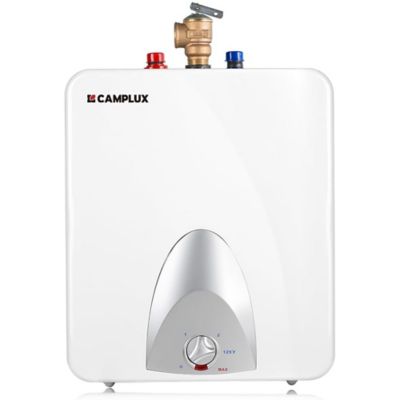
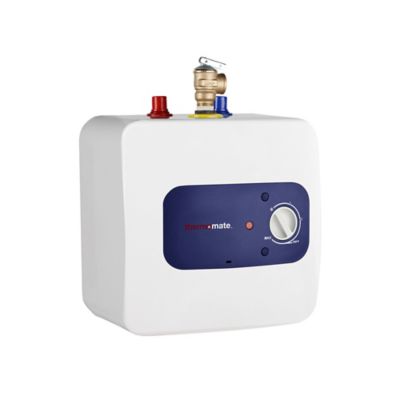
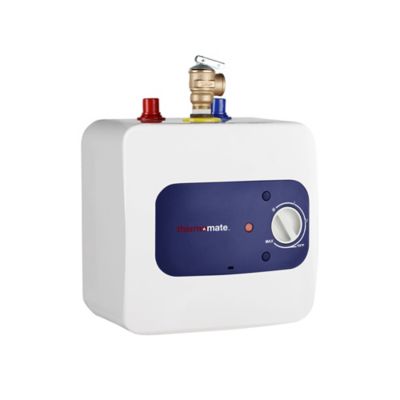
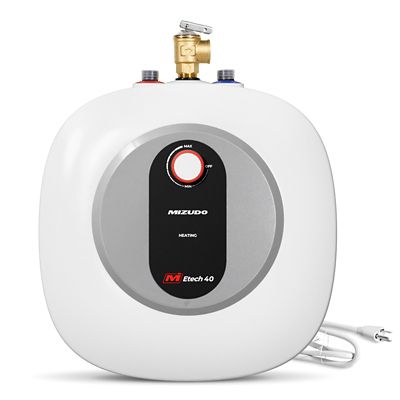
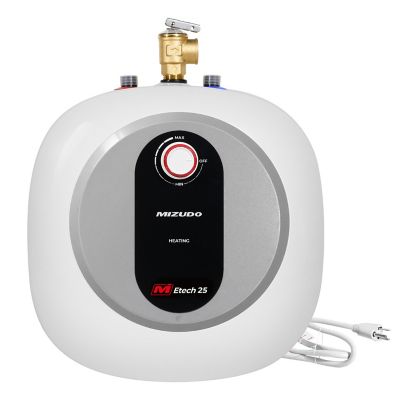
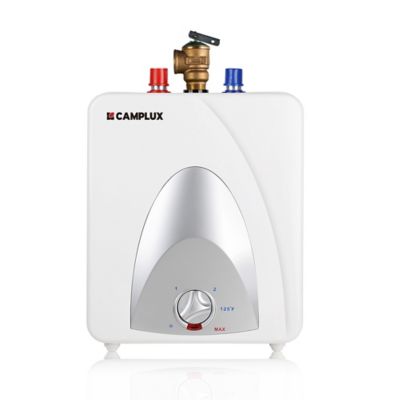
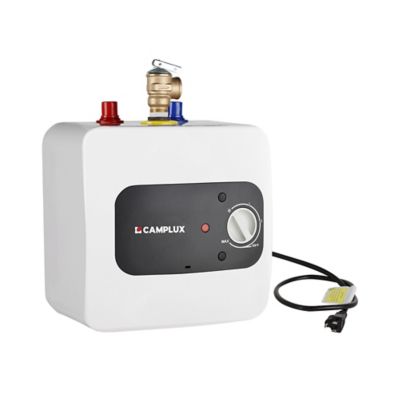
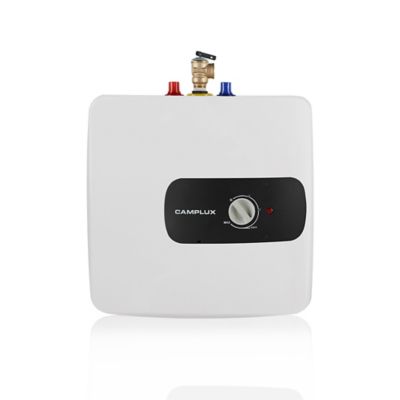
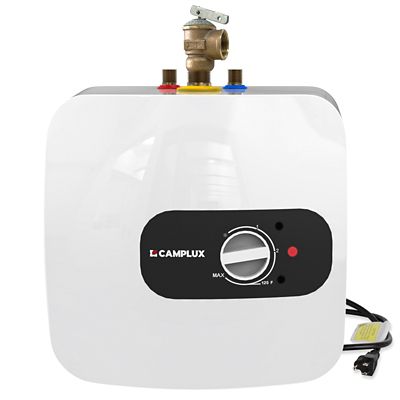
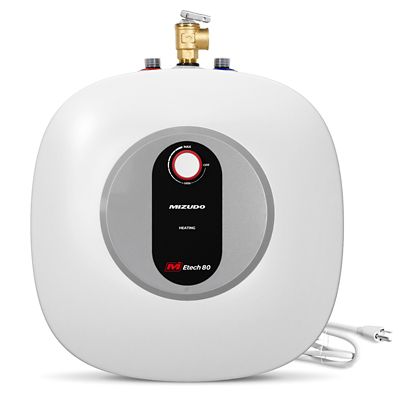
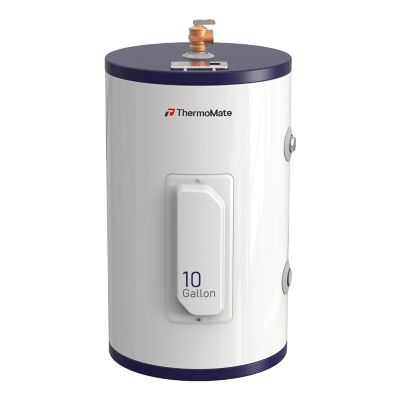
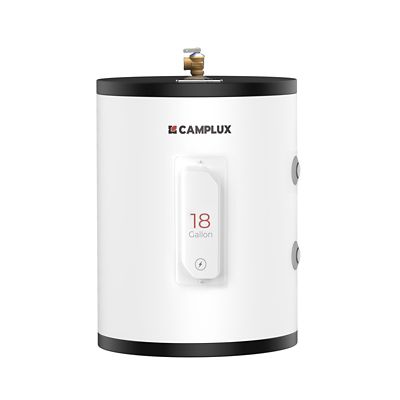
Electric mini tank water heaters store and heat a small supply of water close to a faucet, helping shorten the wait for hot water at a sink far from the main water heater. These compact electric storage heaters often fit beneath a kitchen, bathroom, or utility sink, with common capacities around 2.5 to 6 gallons, though tank sizes vary. Many smaller models operate on 120-volt power and connect to a properly rated, grounded outlet; others have different electrical requirements, so the heater’s specifications matter. Unlike gas-fired equipment, an electric mini tank does not need a combustion vent. Its job is straightforward: keep a modest amount of hot water nearby for everyday tasks such as washing hands, rinsing a few dishes, or cleaning up at a workshop sink. In a farmhouse with a bathroom at the far end of the plumbing run, that local supply can make a noticeable difference in how long the faucet runs before warm water arrives. A farm office, break room, or properly equipped detached shop can benefit from the same setup when plumbing and electrical service meet the heater’s requirements. Placement near the fixture reduces the length of pipe between the stored hot water and the faucet, which can also reduce water sent down the drain while waiting. That does not mean every installation delivers hot water the moment a handle turns; pipe length, faucet design, and the heater’s setting still affect the experience. A mini tank also has a finite supply. Once the stored hot water runs down, the heating element needs time to bring incoming water back up to the selected setting. That makes these heaters a good match for smaller, intermittent demands rather than an automatic replacement for a whole-house system or equipment serving several busy fixtures at once.
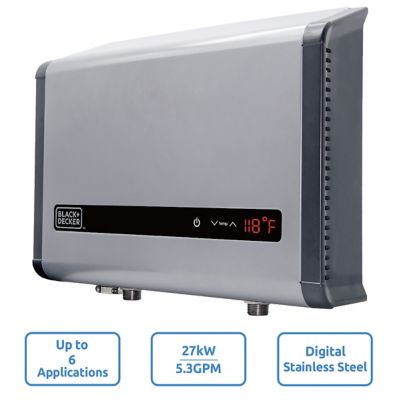
The right fit depends on both the space around the sink and what happens there throughout the day. A quick handwash between chores places a different demand on a heater than filling a deep utility basin or washing several rounds of dishes. Tank capacity, faucet flow, incoming water temperature, and thermostat setting all affect how much usable warm water reaches the sink. Recovery time matters, too, especially where several people stop to wash up one after another. A larger tank holds more water, but its heating element and electrical rating still determine how quickly it reheats. For a different approach,
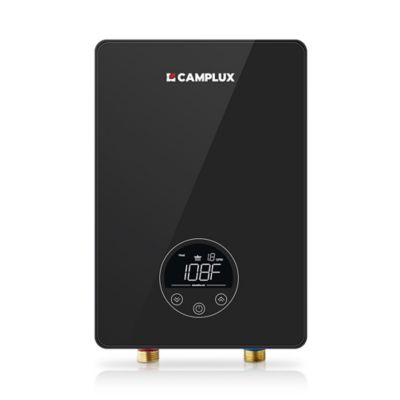
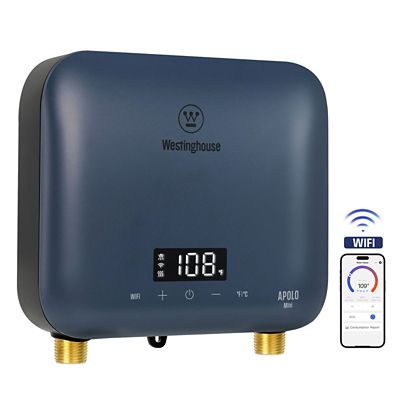
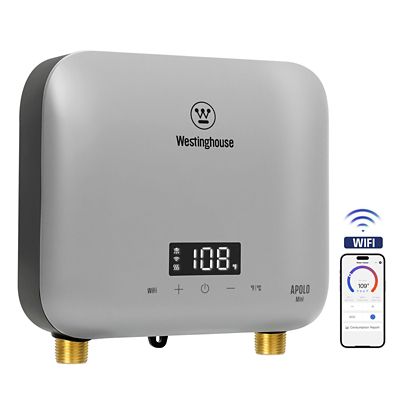
On Demand Electric Water Heaters heat water as it flows rather than maintaining a stored supply, with performance tied to flow rate, the required temperature rise, and the electrical service supporting the unit. Mini tank water heaters may serve a single fixture from a cold-water supply, while certain models can connect to a hot-water line as a local buffer for a distant main heater. That second arrangement needs manufacturer approval and proper plumbing; it does not make the larger system’s output unlimited. Physical fit deserves just as much attention as gallon capacity. Under-sink cabinets often have drain traps, shutoff valves, cleaning supplies, and shelf supports competing for room. The heater needs space for its body, water connections, required clearances, and future service access, not just enough room to squeeze through the cabinet door. Wall-mounted designs need mounting hardware and a supporting structure suited to the heater’s full operating weight. Floor-standing arrangements need a stable surface that meets the installation requirements. Connection size, permitted mounting position, working pressure, and any drain-pan requirements also belong in the comparison. A qualified installer can confirm the plumbing layout, electrical circuit, required ground-fault protection, and a safe discharge route for the temperature-and-pressure relief valve. Those details help keep a compact installation practical without treating a water heater like an ordinary countertop appliance.
Tank construction and access for upkeep make a difference over the life of an electric mini tank water heater. Depending on the design, the water-holding tank may be glass-lined steel or stainless steel, with insulation around it to slow heat loss between draws. A glass-lined tank may include a sacrificial anode that helps protect exposed metal from corrosion; inspection and replacement requirements depend on the manufacturer. Stainless steel construction has its own material specifications and care requirements, so the tank material alone does not tell the whole story. Water chemistry, mineral buildup, operating pressure, installation, and routine attention all affect service life. On a property supplied by a well, hardness and sediment are worth considering because deposits can collect inside the tank and around the heating element. Manufacturer-recommended flushing, anode checks where applicable, and any suitable water treatment can help address those conditions. Service access matters here: a heater tucked behind a fixed shelf may fit on installation day but become a headache when a connection, element, or anode needs attention. The surrounding area should suit an indoor electrical appliance and allow leaks to be noticed rather than hidden behind stored supplies. Where leakage could damage cabinetry or flooring, a drain pan and an appropriate drainage arrangement may be required or worth discussing with the installer. Adjustable thermostats offer control over stored water temperature, but hotter settings increase the risk of scalding, especially for children and anyone with reduced heat sensitivity. Proper temperature selection and a suitable mixing valve, when called for, belong in the overall setup. Insulation helps limit standby heat loss, although keeping water hot still takes energy even when the faucet is off. Matching tank size to everyday demand helps balance the convenience of nearby hot water with the space and energy needed to maintain it. For a sink that sees short, regular tasks, a well-matched mini tank keeps the focus where it belongs: getting hands washed, dishes rinsed, and chores moving without a long wait at the tap.