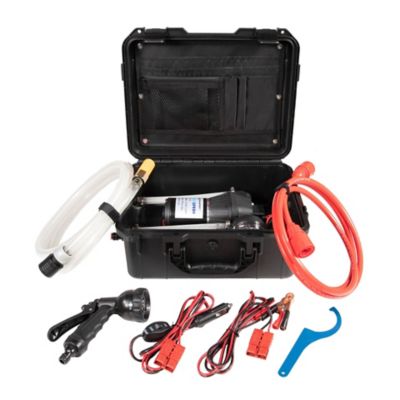
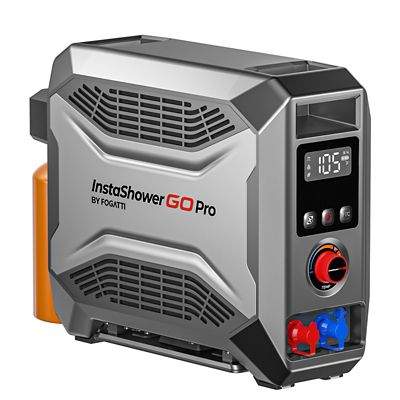
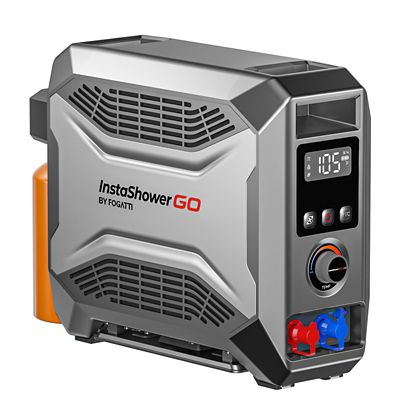
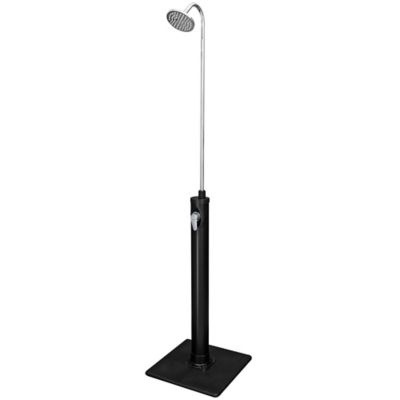
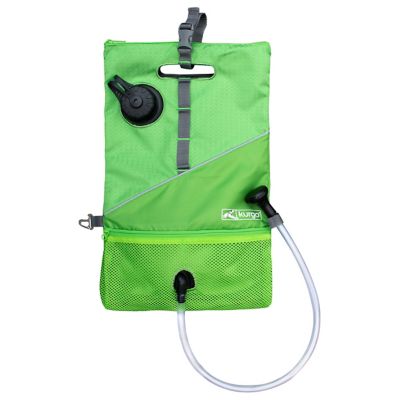
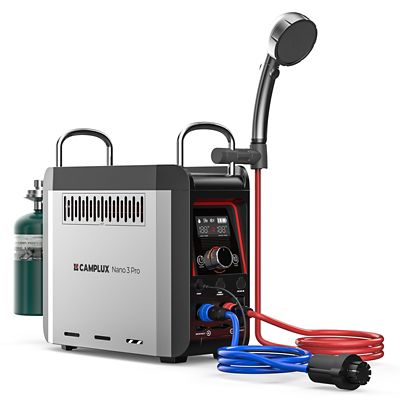
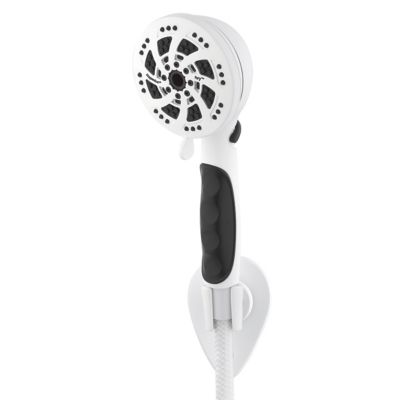
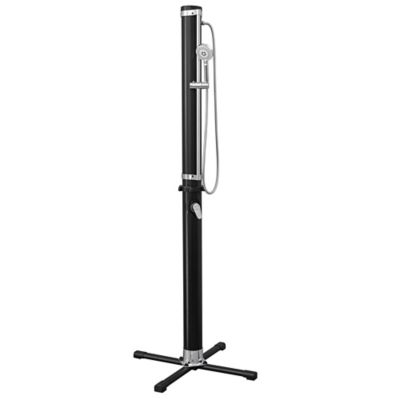
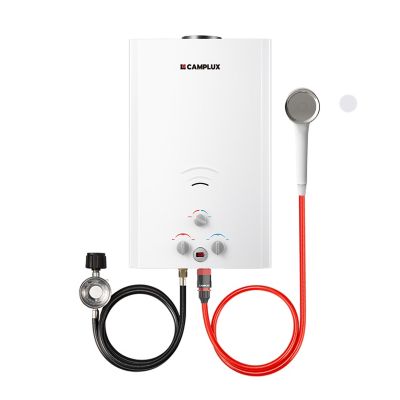
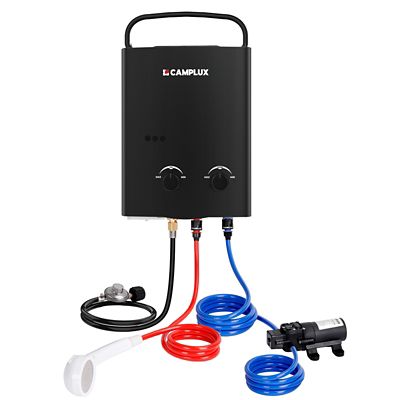
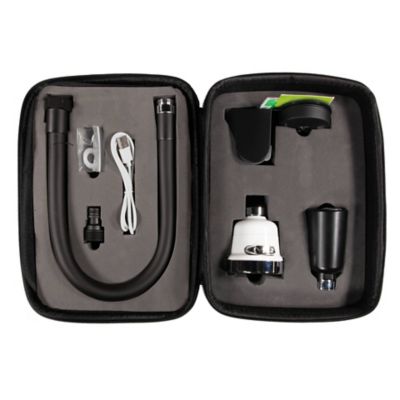
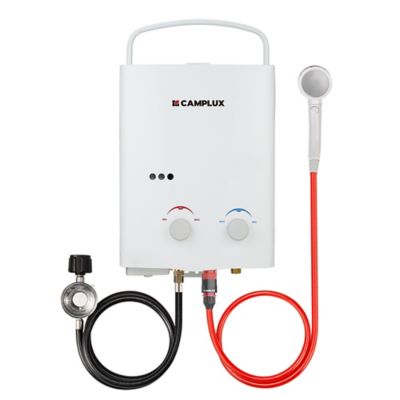
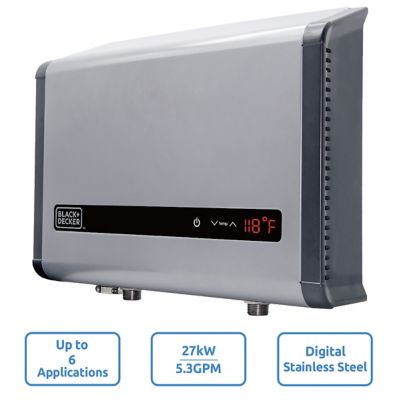
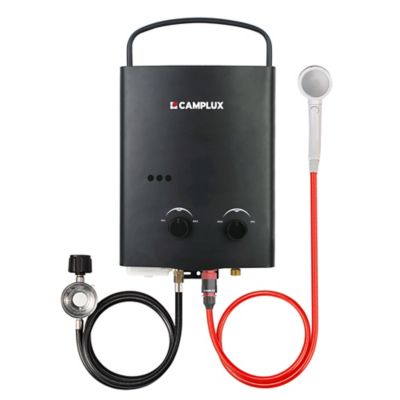
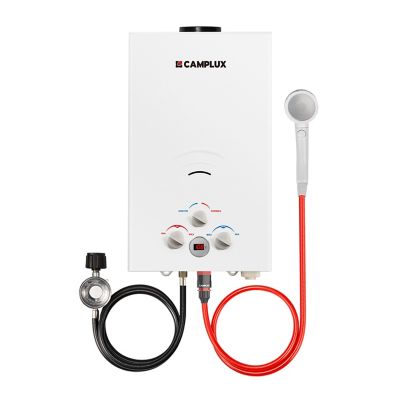
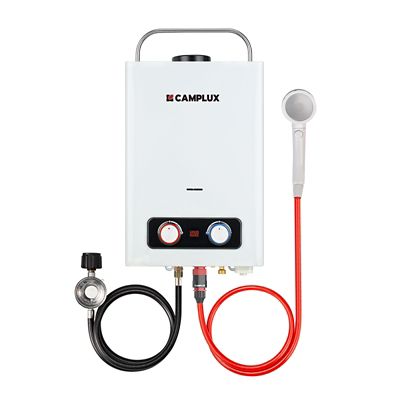
Portable water showers bring a showerhead and a manageable water supply to places without a permanent bathroom connection. Depending on the design, water comes from a built-in reservoir, a separate container, or a compatible water connection, then moves through a hose for bathing and rinsing. They make sense at a campsite, beside a horse trailer, near an off-grid cabin, or anywhere a trip back to the house would mean tracking dirt through the door. Four common styles include gravity-fed showers, manually pressurized showers, battery-powered pump showers, and heated portable showers, though some designs combine these features. Gravity-fed showers hold water in a bag or tank above the showerhead, letting the height of the reservoir create the flow. Their simple setup suits a quick rinse where a suitable support is close by. Manually pressurized showers build pressure with a hand or foot pump, so the reservoir can stay on the ground while water moves through the hose. Battery-powered versions draw water from a reservoir or separate container and send it to the showerhead with an electric pump. These can offer a more consistent stream, with performance depending on the pump, charge level, and water supply. Heated portable showers add a way to warm the water, with designs that draw on sunlight, electricity, or fuel. Heating method and water pressure are separate considerations: a solar shower may still rely on gravity, while a fuel-powered heater may work with a pump. Solar heating depends on sunlight and exposure time rather than a set heating schedule. Any heated setup needs attention to the maker’s directions, power or fuel requirements, and safe water temperature before bathing. Across these styles, the main differences come down to how much water the shower holds or draws, how it creates pressure, and whether it provides heat. A compact rinse station and a longer bathing setup serve different needs, even when both pack into a vehicle.
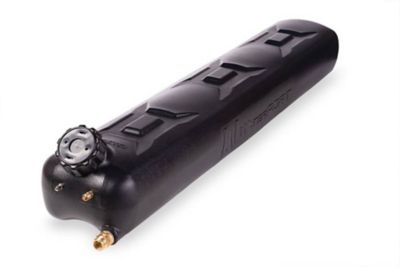
Capacity matters most when it is considered alongside carrying weight, water access, and the number of people sharing the shower. A gallon of water weighs about 8.3 pounds, so even a modest reservoir can become a substantial load before the tank, pump, and hose are counted. A smaller container is easier to carry from a spigot to camp, while a larger one can mean fewer refill trips when several people need a rinse. Flow rate shapes how far that supply goes. A broad, strong spray can feel more like a shower at home, but it also empties a limited reservoir faster. A showerhead with a shutoff or flow control helps conserve water while soaping up, provided the pump and plumbing support that operation. Construction also affects how a portable shower travels and holds up to regular handling. Flexible reservoirs can pack down after draining, while rigid tanks keep their shape and may ride more neatly in a truck bed or storage compartment. Reinforced fabric, molded plastic, metal fittings, hose connections, and seals all have different care needs, so material descriptions matter beyond appearance. Smooth tank openings and accessible caps can make filling, rinsing, and drying less of a chore. A wide base helps a ground-standing container sit steadily, while carrying handles need to remain comfortable with water in the tank. For a hanging shower, the support must handle the full filled weight; a light tent pole is not automatically a suitable anchor. Fit includes hose reach, showerhead placement, connection size, and room for the whole setup in a camper compartment or truck box. Battery-powered equipment adds charging needs and runtime to that picture. A long hose can be handy beside a trailer, but it also needs a clear path that will not kink beneath a storage tote or catch underfoot. These details make the difference between a shower that fits the way someone travels and one that is awkward to pack, carry, or position.
The intended job helps put all those features in perspective. At a campsite, enough hose to reach a private washing spot may matter more than a large tank. Around a farm or small acreage, a freestanding reservoir can put rinse water near a work area without requiring a permanent line. Beside a horse trailer, a portable shower can give riders a place to wash away dust before changing clothes, as long as the setup has a clean water supply and a suitable place for wastewater. For pet rinsing, gentle flow, comfortable water temperature, and easy showerhead control are more useful than a hard spray, especially around the face and ears. Water-saving controls also come in handy when a muddy pair of legs needs a rinse but a full shower does not. A privacy shelter, stable footing, and a place to hang a towel can make a temporary wash space more comfortable, though a shelter does not make an enclosed location safe for a fuel-burning heater. Fuel-burning equipment belongs only in locations permitted by its instructions, with the required ventilation and clearances. Broader
Portable Water Systems can help round out a setup where water storage, transport, and dispensing need to work together. Care is part of keeping that setup ready for the next outing. Reservoirs, hoses, and showerheads need cleaning according to their material and manufacturer directions, followed by thorough draining and drying before storage. Caps, gaskets, and hose joints deserve an occasional inspection for cracks, looseness, or leaks. Clean fill water matters, and a container intended for bathing should stay separate from containers that have held farm chemicals or other unsuitable liquids. Wastewater handling should follow campground rules and local requirements, with soap and wash water kept out of streams and other natural water sources. For campers, trail riders, and folks outfitting a cabin, a portable shower can also make a practical gift when its packed size, water needs, and power requirements fit the recipient’s routine.