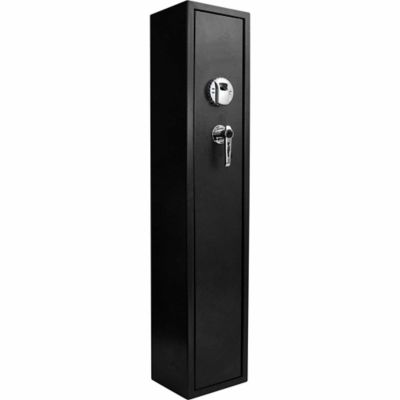
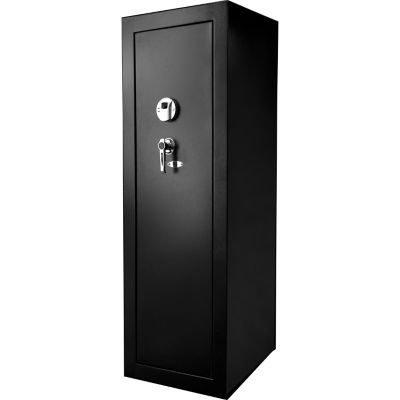
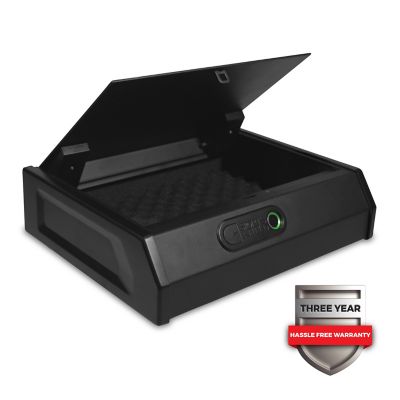
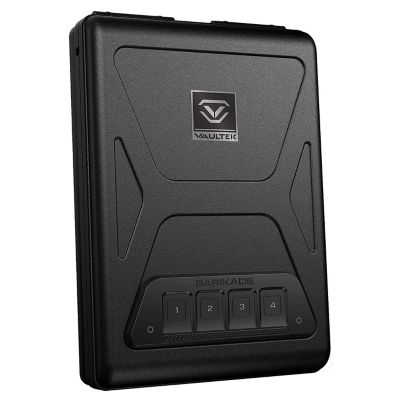
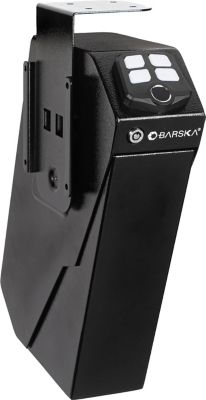
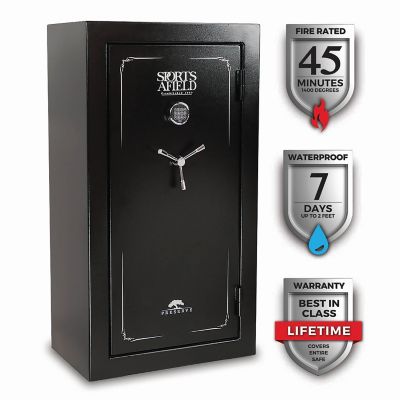
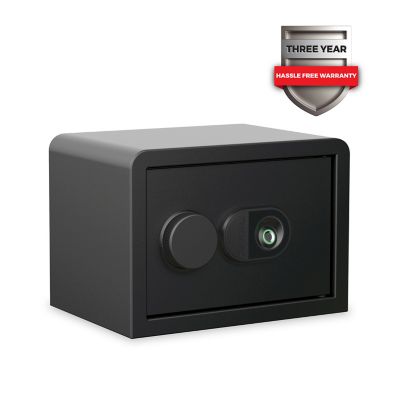
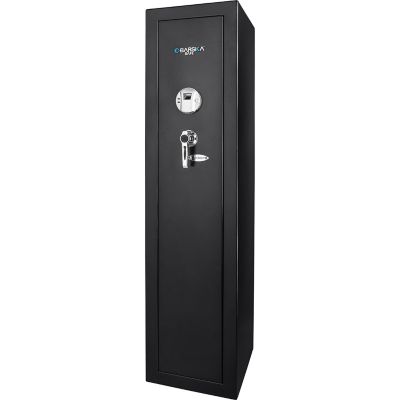
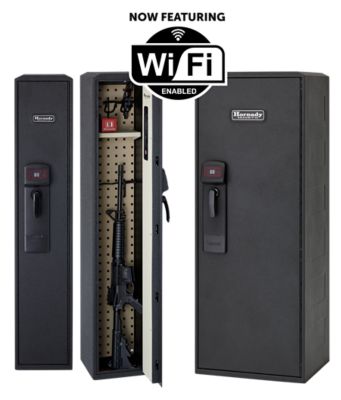
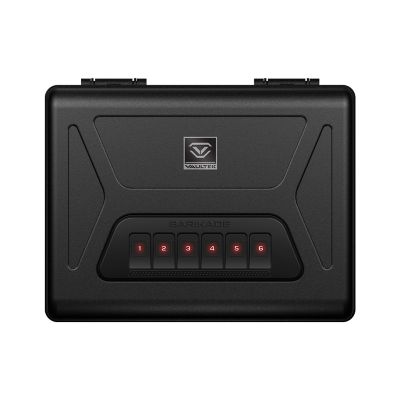
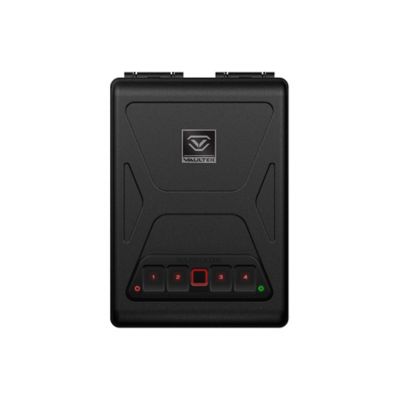
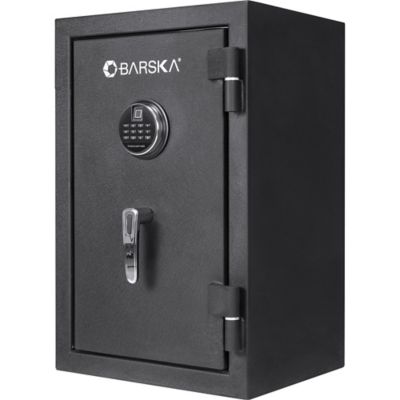
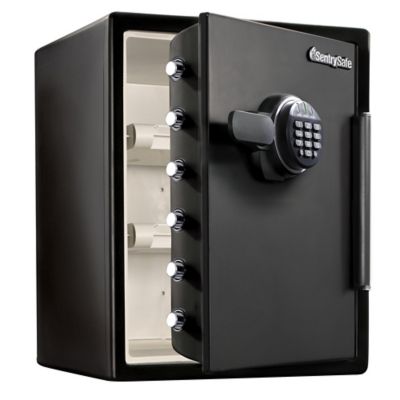
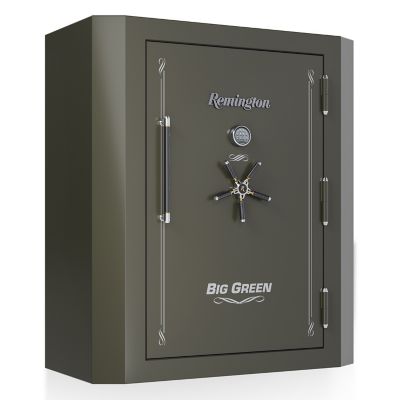
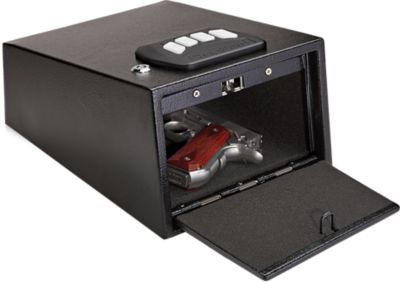
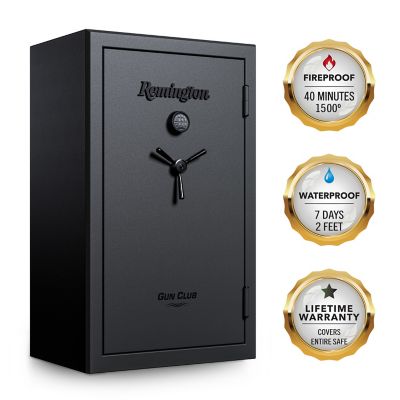
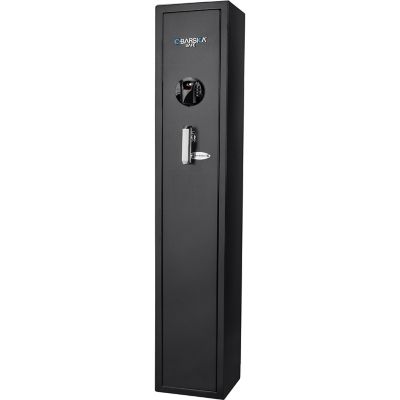
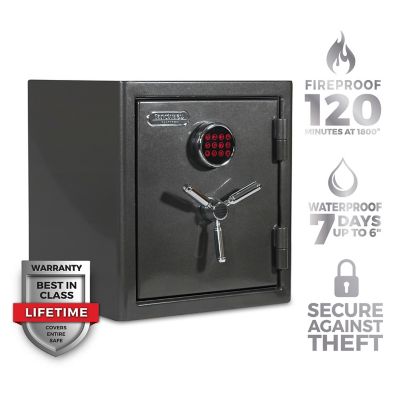
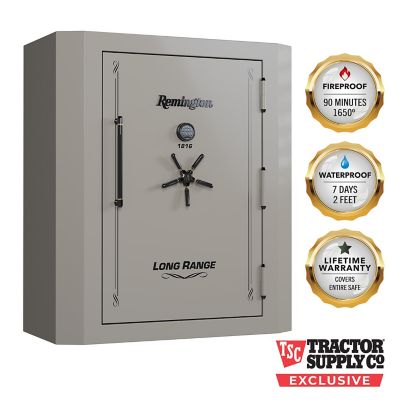
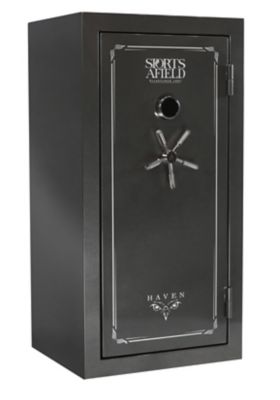
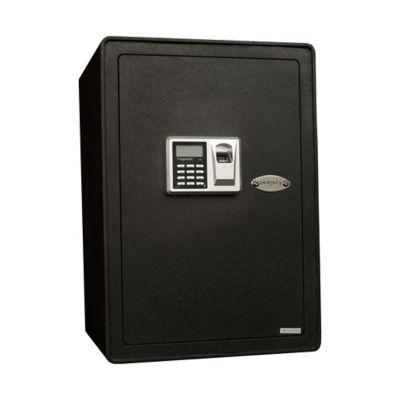
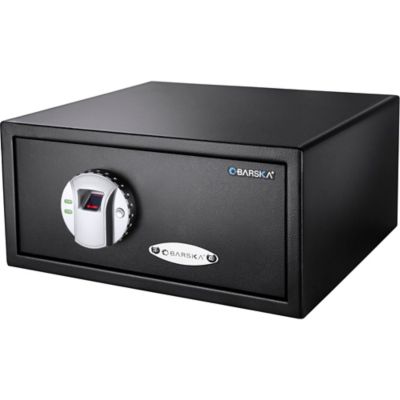
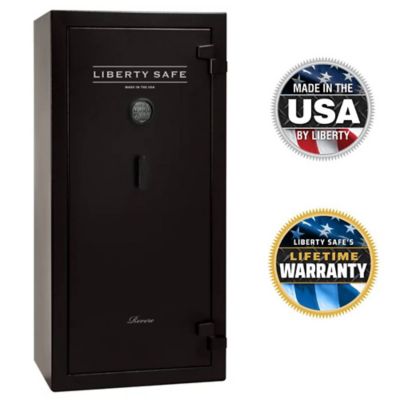
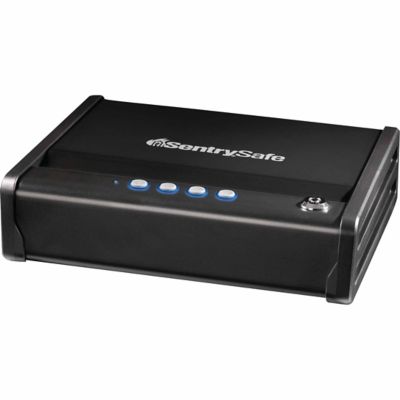
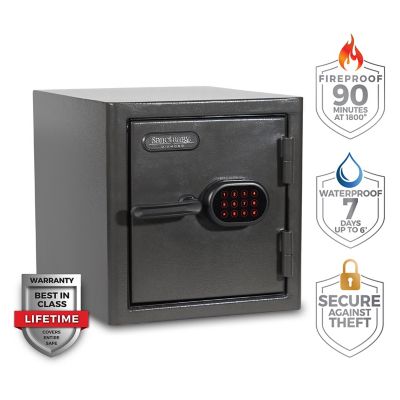
Biometric safes offer a quick, keyless way to secure valuables, important documents, medication or firearms while keeping access limited to approved users. Instead of turning a key or remembering a combination, the safe reads a registered fingerprint and releases the lock, often in just a few seconds. That fast entry can be useful in a busy home, workshop, truck, office or hunting camp where keys tend to get misplaced and a handwritten code is easy to forget. Many models let you save several fingerprints, making them practical for spouses, adult family members or trusted employees who need access without sharing a key. Smaller units can fit inside a nightstand, vehicle, closet or desk, while larger floor or cabinet-style safes provide room for paperwork, heirlooms, cash, jewelry and other items that need more space. Shoppers comparing biometric safes should start with what they plan to store and how often they need to reach it. A compact safe may be a good fit for a few documents, small valuables or responsible firearm storage, while a larger safe may make more sense for a household with several users or a growing collection of records. For a closer look at space-saving storage options, browse
Compact Safes. Pay attention to the interior dimensions rather than the outside measurements alone, since thick walls, shelves and locking hardware can reduce usable room. A safe that will live in a vehicle, barn office or bedroom should also be checked for its mounting options. Pre-drilled holes, included hardware and a solid floor, wall or heavy piece of furniture can help discourage someone from carrying the entire safe away. Weight, door swing, hinge placement and available clearance matter, too, especially in a tight closet or under a workbench. A safe is only useful when it fits the space and can be opened without bumping into nearby tools, boxes or furniture.
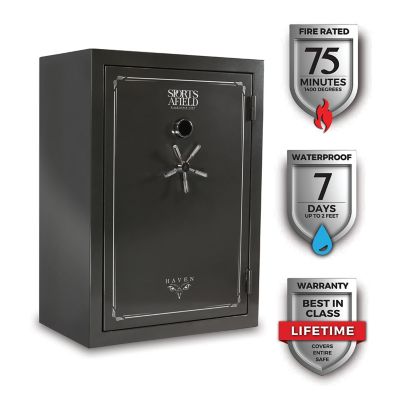
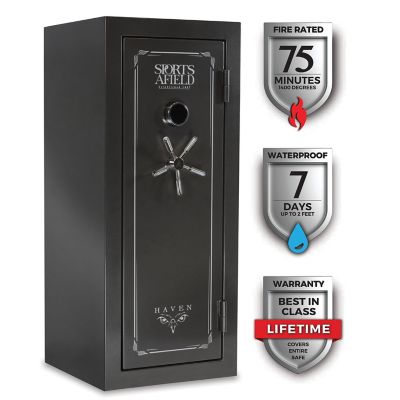
Fingerprint access is convenient, but it works best when shoppers understand both its strengths and its limits. Before relying on the scanner, register the same approved finger more than once if the instructions allow it, along with another finger for backup. Clean, dry fingers usually provide the most consistent reading; damp hands after chores, dusty fingers from the shop or small cuts and scrapes can make recognition less reliable. Battery power is another important consideration. Look for clear low-battery warnings, easy battery access and a dependable backup entry method, such as an override key or keypad, and keep replacement batteries in a known spot rather than tucked away in a crowded junk drawer. Store any override key securely outside the safe and away from people who should not have access. Fingerprint technology can add convenience, but it should not be treated as the only layer of protection or as a guarantee against every kind of unauthorized entry. Check the safe’s construction, pry resistance, lock design and any tested fire or water protection separately, since a fingerprint lock does not automatically mean the contents are protected from heat, smoke, moisture or flooding. Keep the safe away from direct weather exposure, leaking pipes and places where livestock, pets or children can knock it over. For firearm storage, follow all applicable laws and safety guidance, keep the firearm unloaded when required, store ammunition appropriately and choose a safe that prevents access by children and unauthorized users while still allowing lawful access when needed. Biometric safes can also make thoughtful gifts for a new homeowner, college graduate, hunter, jewelry collector, small-business owner or family member settling into a new workshop. They suit people who appreciate tidy organization and quick access without keeping keys on a ring or codes on a scrap of paper by the coffee maker. During the cooler months, when more time is spent indoors sorting household records, preparing travel bags or organizing gear for the next season, a secure storage spot can help keep everyday valuables in one dependable place. Compare capacity, user settings, battery life, backup entry, mounting features and protection ratings so the safe matches the routine it will be part of, and place it where responsible users can reach it while children, visitors and unauthorized hands cannot.