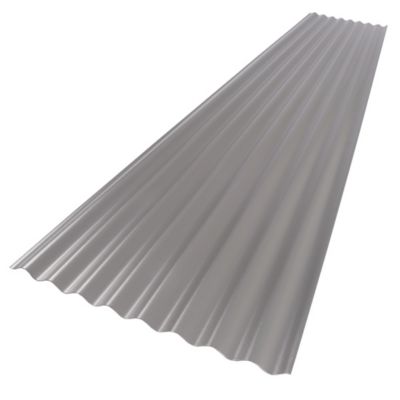
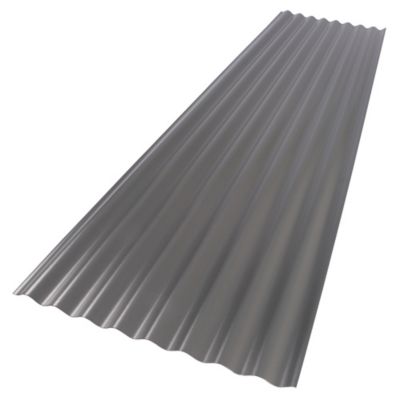
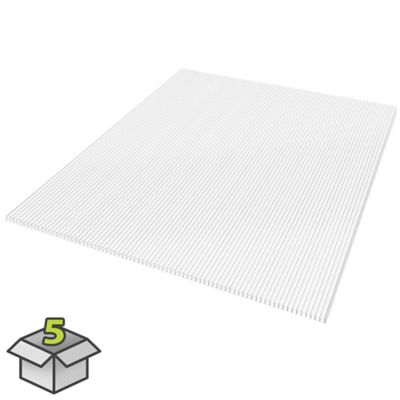
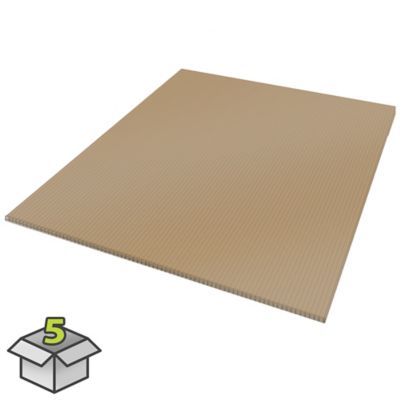
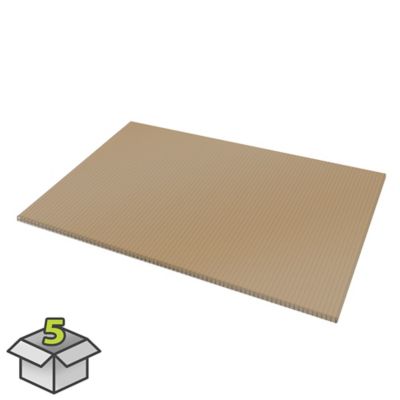
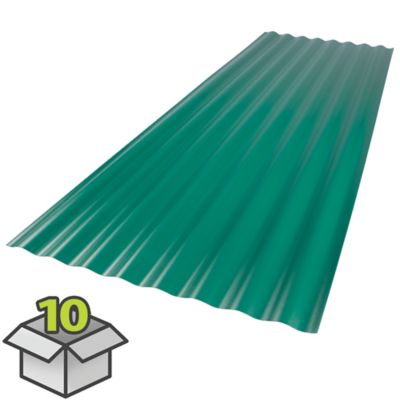
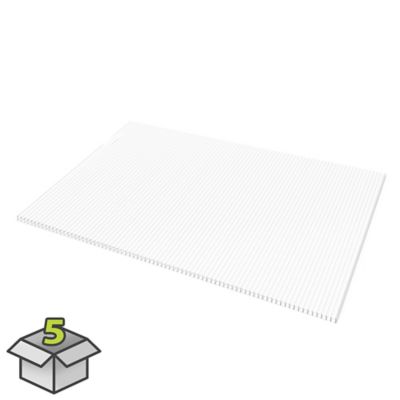
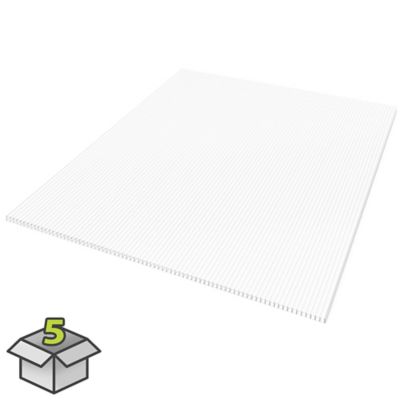
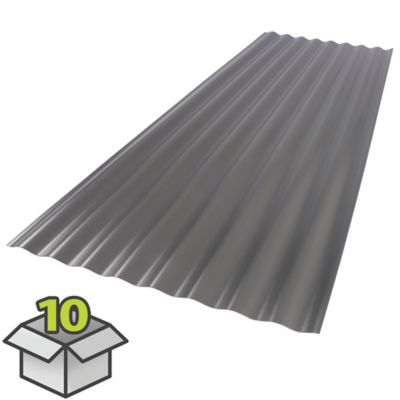
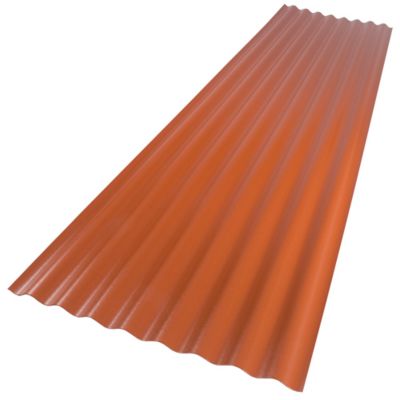
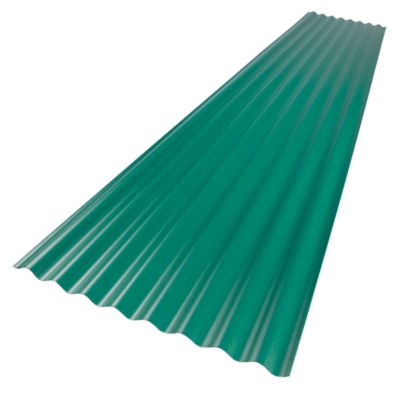
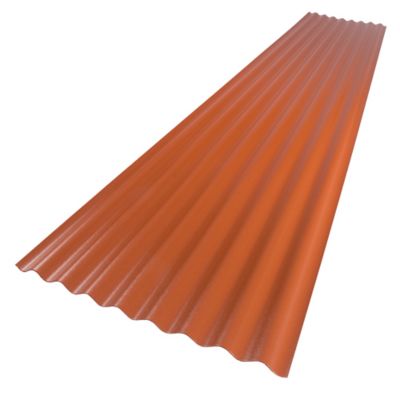
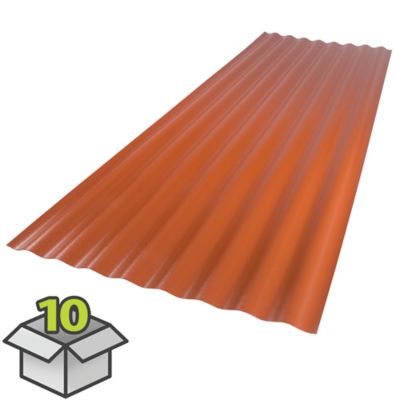
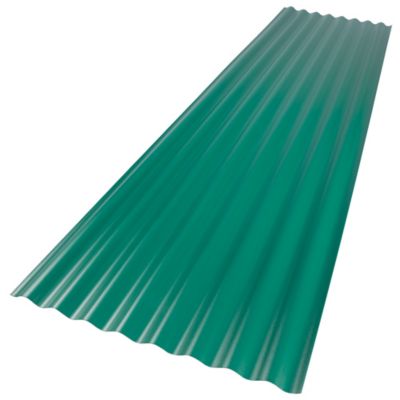
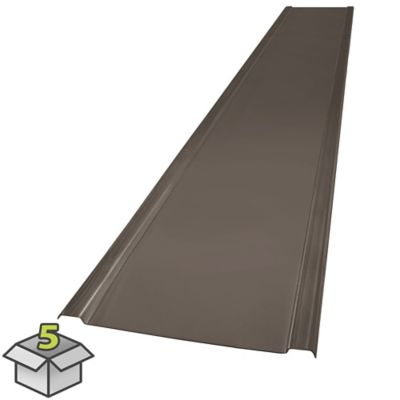
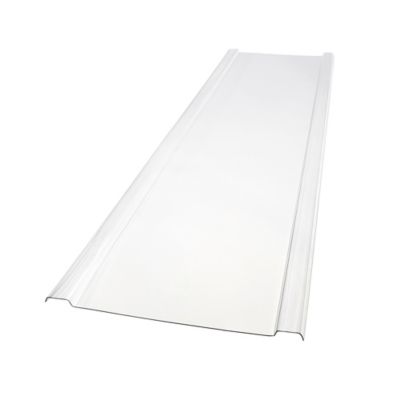
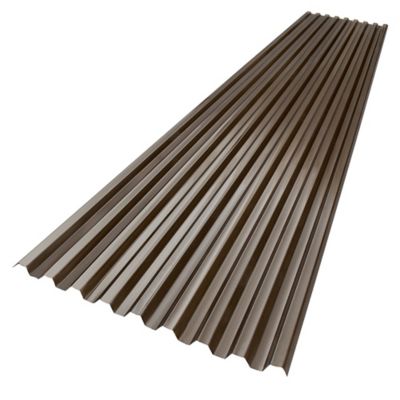
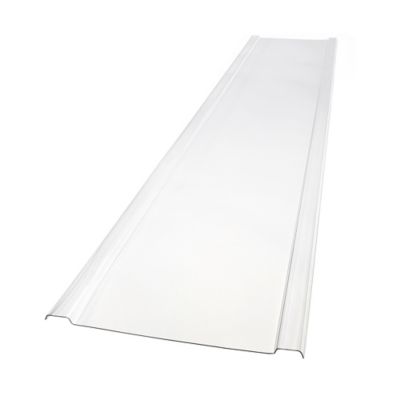
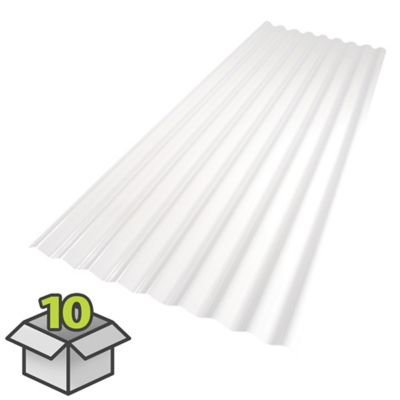
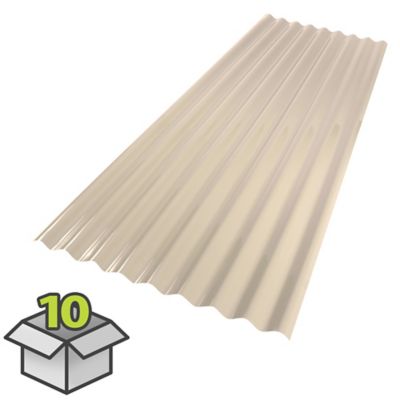
Polycarbonate sheets for pergolas provide a lightweight roof covering that lets daylight through while helping shelter the space below from rain. They bring a little more purpose to an open framework, whether it stands over a back patio, a farmhouse picnic table or a quiet sitting spot beside the garden. Polycarbonate is a tough thermoplastic with good impact resistance, and its lower weight compared with glass can make it a practical choice for overhead coverage. The finished roof still depends on the framing, panel design and installation, so the material alone does not determine how much protection the space will have. Open sides can admit wind-driven rain, and water needs a clear path off the roof and away from walkways. Within those limits, these sheets can help keep an outdoor table, seating area or path beneath the pergola more sheltered without making the whole space feel closed in. Clear panels preserve the brightest view overhead, while translucent, opal and tinted options change how light enters the area. A tinted sheet may reduce glare, but its color alone does not establish how much solar heat it blocks; published light-transmission and solar-performance information offers a better comparison. Corrugated sheets have repeating ridges, solid sheets have a continuous cross section, and multiwall sheets contain internal chambers that affect weight, stiffness and insulation. Each construction has its own appearance and fastening requirements. For a pergola beside a kitchen window, keeping daylight in the house may matter most. Over a table where the family gathers for supper, softer light and less glare may be a better fit. Those everyday details help narrow the choice more than appearance alone. The view from below matters, too: panel seams, supporting rafters and fastener lines all become part of the overhead view when someone settles into a chair.
The right fit involves more than matching a sheet to the outside dimensions of a pergola. Panel width, length, thickness and profile need to work with the spacing of the rafters or purlins, the roof slope and the support requirements published for that panel. A thicker sheet is not automatically suitable for every span, and sheets with similar dimensions may have different load ratings. Existing pergolas also deserve a close look before a roof goes on. A structure built only to carry open slats may need changes to support roofing and meet local requirements for wind and snow loads. Posts, connections and footings are part of that assessment, not just the beams overhead. Polycarbonate roofing needs enough slope to drain, with the required pitch determined by the roofing system rather than a single rule for every sheet. Corrugations or internal channels generally run in the direction of drainage, according to the panel instructions. Compatible closure strips, joining profiles, flashing and fasteners help the roof function as a system instead of a collection of separate sheets. Where roofing meets a wall, properly detailed flashing matters; a bead of sealant alone is not a substitute for a suitable connection. Polycarbonate also expands and contracts, so fastening details must leave the movement allowance specified by the manufacturer. Overtightened screws or holes without enough clearance can contribute to stress and cracking. Multiwall panels may call for different treatments at the upper and lower channel ends to limit dirt entry while allowing moisture to escape. These details affect the finished appearance as well as the roof’s service life. For a homeowner updating a backyard gathering spot, or a contractor matching roofing to an existing frame, having the panel specifications alongside the pergola measurements makes comparisons more useful. It also helps account for overlaps, edge supports and drainage before settling on a sheet size.
Care needs are another part of choosing polycarbonate sheets for a pergola. The material resists many everyday impacts, but its surface can scratch, and unsuitable cleaners or sealants can damage it. Mild soap, water and a soft cloth or sponge are common cleaning choices, subject to the sheet manufacturer’s directions. Abrasive pads, harsh solvents and dry scrubbing can leave marks that are especially noticeable when sunlight comes through the roof. Leaves, pine needles and other debris can collect along panel edges or in gutters, so access for clearing those areas is worth considering before the roof is finished. Panels should not be treated as a walking surface; maintenance requires suitable access equipment and any precautions specified for the roofing system. UV-resistant surfaces also matter for outdoor service. Some sheets have protection on one face, while others have different surface treatments, making correct orientation important. Product specifications should explain that protection, along with any limits on performance or coverage. Occasional checks of fasteners, seals, flashing and drainage paths can help catch a loose connection or a blocked outlet before it causes a bigger problem. Beneath the roof, the best arrangement depends on how the space works day to day. A grill needs the clearances and ventilation required by its manufacturer, and a polycarbonate roof should not be assumed suitable above an open flame or concentrated heat source. A reading chair, dining table or potting bench brings a different set of needs, from comfortable light to room for carrying tools and watering cans. For a separate growing structure,
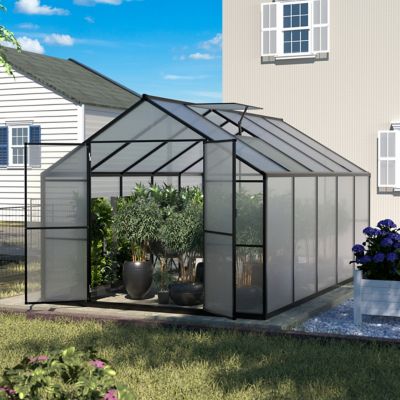
Polycarbonate Panels For Greenhouses covers a related application, though greenhouse and pergola requirements are not interchangeable. Matching the sheet construction, light transmission, support needs and care requirements to the actual space helps create a pergola roof that feels at home above the table, chairs and everyday activity below.