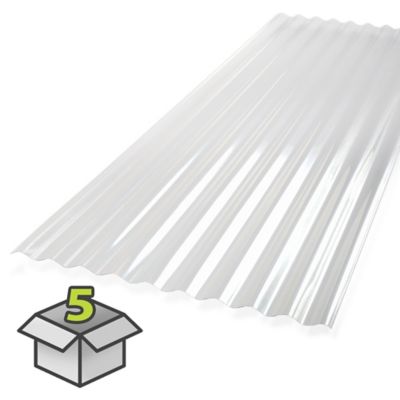
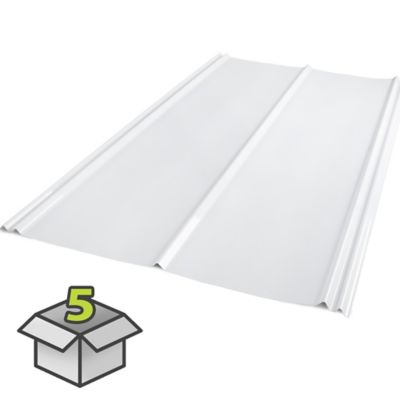
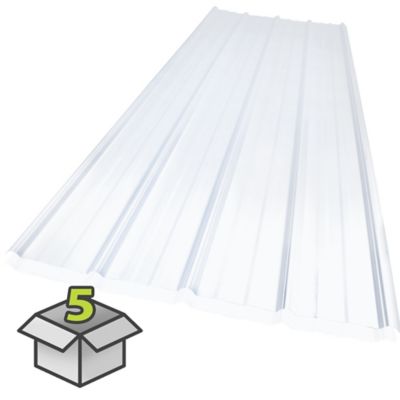
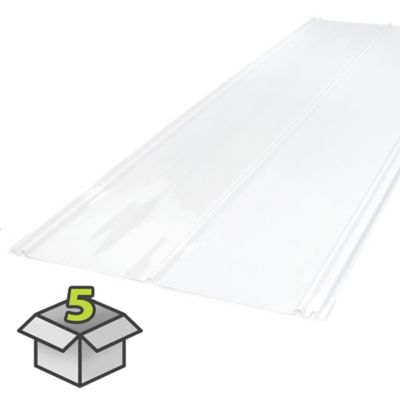
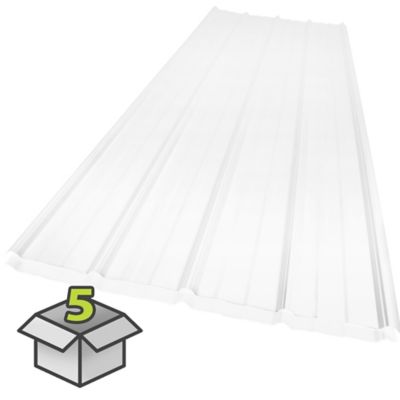
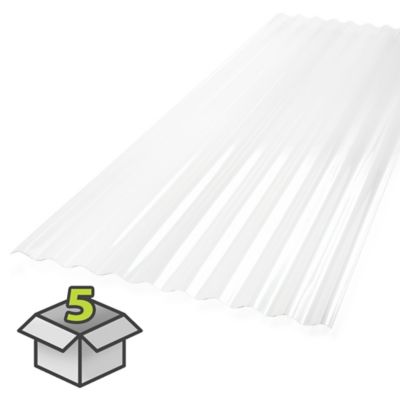
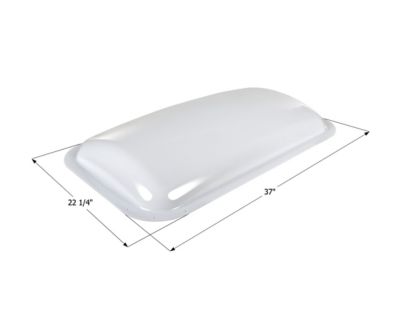
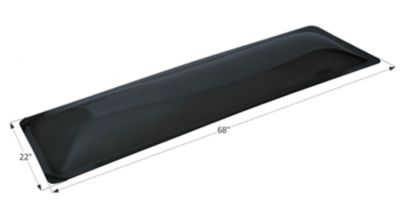
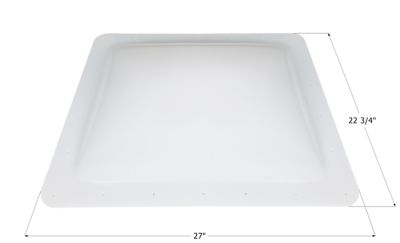
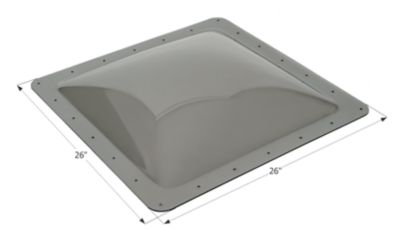
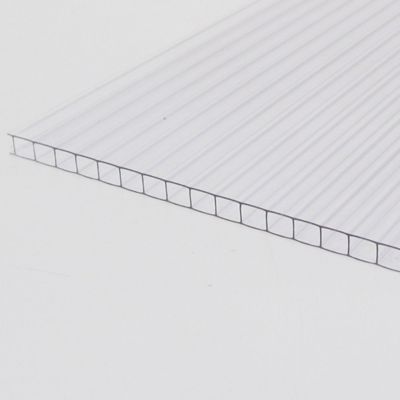
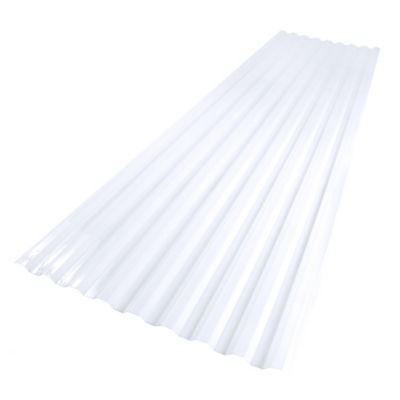
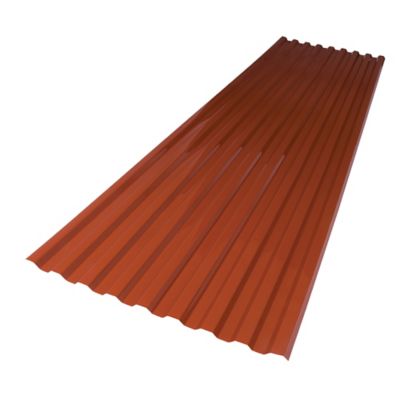
Polycarbonate skylight panels are light-transmitting roofing sheets that bring daylight into sheds, barns, workshops, greenhouses, and other covered spaces. Made from a lightweight thermoplastic known for its impact resistance, they can form part of a roof or fill designated skylight sections within a compatible roofing system. That overhead light can make a difference in a farm shop, where deep shelves and equipment cast shadows, or in a potting shed where a workbench sits well away from the door. Unlike an open roof vent, a properly fitted skylight panel provides a covered surface while allowing sunlight through. The amount and character of that light depend on the panel’s color, thickness, construction, and stated light transmission. Clear sheets generally provide a brighter view through the material, while translucent finishes scatter light for a softer effect beneath the roof. For projects centered on a transparent covering,
Clear Polycarbonate Roof Panels offer a related category to explore. Corrugated panels have a repeating profile that adds stiffness and may fit certain roofing layouts; multiwall sheets have internal channels that affect insulation, weight, and support requirements. Those constructions are not interchangeable, and neither should be treated as a match for every metal roof. Polycarbonate also differs from acrylic and fiberglass, even when the sheets look similar from the ground. Its resistance to impact makes it worth considering around working buildings, but it is not unbreakable or a surface to walk on. Farmers, property owners, gardeners, and folks setting up a small work area often look to these panels when a solid roof leaves too much of the space in shadow. The best fit comes from matching the panel’s specifications to the building, rather than choosing by appearance alone. A narrow daylight strip above an aisle and a larger greenhouse roof may call for very different panel layouts, even though both rely on the same basic material. Where the light lands matters as much as how much comes through.
Fit starts with the roofing profile, not just the overall sheet size. On a corrugated roof, the shape, height, and spacing of the ribs need to match the intended adjoining materials and closure pieces. Two panels can share a similar width yet have different rib patterns, leaving gaps or uneven contact where they meet. Listed width also may differ from the coverage width after the required overlap, so the roof opening and finished coverage deserve equal attention. Length, thickness, and the distance between supports help determine whether a panel suits the structure beneath it. A long sheet still needs support at the intervals specified for that panel; extra thickness alone does not establish a safe span. Roof slope, overlap direction, flashing, and edge details all affect how the completed assembly sheds water. For a replacement skylight strip in a barn, matching an existing opening involves more than trimming a new sheet to the old outline. The surrounding roofing, framing condition, and attachment points matter, too. Polycarbonate expands and contracts, which is why fastening details must allow the movement described by the manufacturer. Appropriate fasteners, sealing washers, closure strips, and compatible sealants help the assembly work as intended without putting unnecessary stress on the plastic. Overtightened fasteners or incompatible chemicals can damage a panel even when the sheet itself appears substantial. UV protection is another specification worth checking: some panels have a designated outward-facing surface, and the protective treatment varies by construction. Building requirements, fire classifications, and published load ratings also belong in the comparison, especially for larger structures or spaces where people work regularly. A panel intended for an agricultural outbuilding is not automatically suitable for an occupied room in a house. Residential applications may require a complete, code-compliant skylight assembly rather than a roofing sheet alone. For any roof opening, the panel, supports, flashing, and attachments need to function together. That whole-system fit is what helps keep daylight where it belongs without creating trouble around the opening.
Everyday use helps narrow the choice further. In a greenhouse, light transmission and the way light spreads across the growing area can matter more than a clear view of the sky. Multiwall construction may also be relevant where insulation is part of the building plan, although performance depends on the specific sheet and complete assembly. In a tractor shed or equipment shelter, a well-placed skylight section can brighten an aisle without turning the entire roof into a light-transmitting surface. Over a repair bench, overhead daylight can make labels, hardware, and tool drawers easier to see, but it does not replace task lighting for detailed work or lighting needed after dark. Placement deserves thought around feed storage, finishes, and other materials that should not sit in direct sunlight. Clear roofing also does not provide privacy or shade by itself, and an enclosed space may still need separate ventilation. Care is usually straightforward when it follows the panel manufacturer’s directions. Mild soap, water, and a soft cloth or sponge are common recommendations, while abrasive pads, harsh solvents, and scraping can scratch or harm the surface. Cleaning from a safe position matters more than reaching every spot at once; access should never depend on stepping onto a skylight panel. Periodic checks around fasteners, seals, flashing, and panel edges can help catch loose fittings, cracks, or developing gaps before a small repair becomes a larger roof problem. For multiwall sheets, the specified end treatments help manage the channels and limit debris entry, so their condition matters alongside the exposed surface. Keeping leaves and other buildup away from drainage paths also helps the roof assembly do its job. Whether the project is a bright corner for starting plants or a daylight strip above a barn walkway, practical details carry the decision: suitable light transmission, a compatible profile, proper support, and care that protects the panel’s surface and connections.