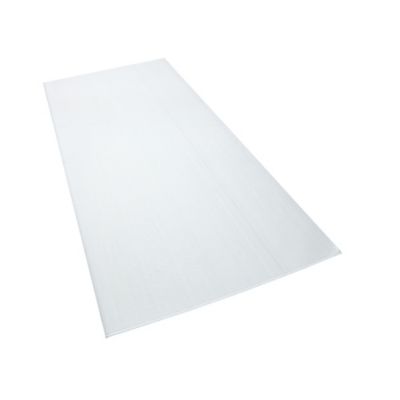
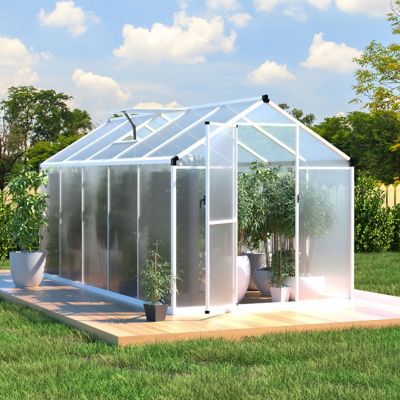
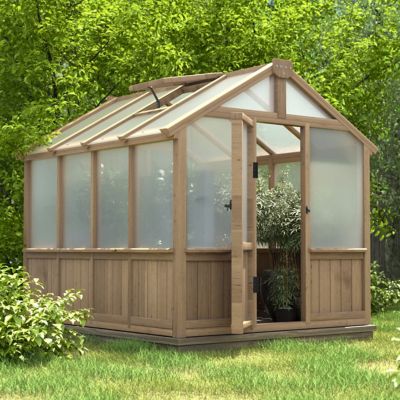
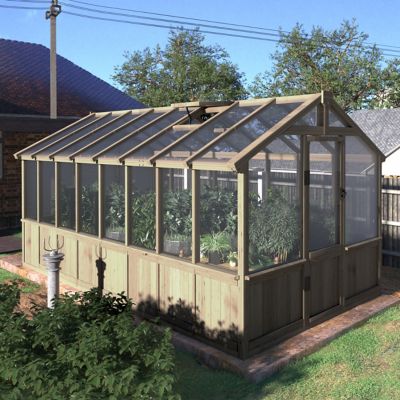
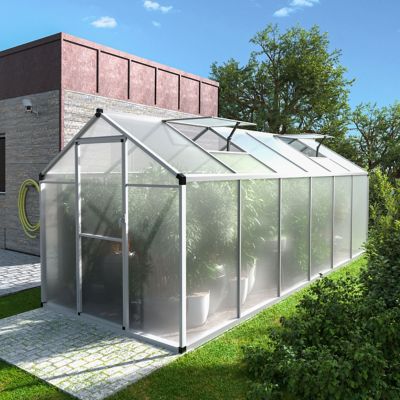
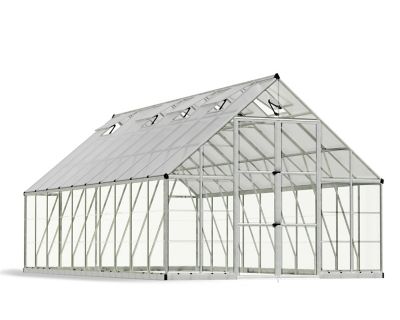
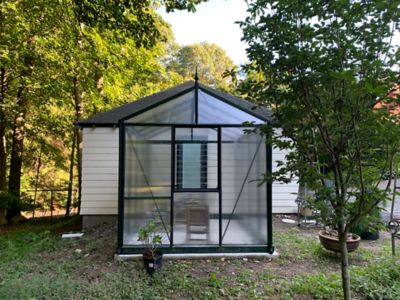
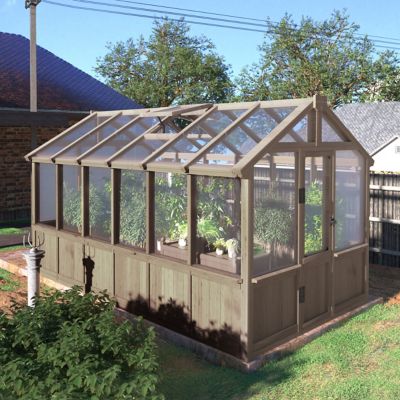
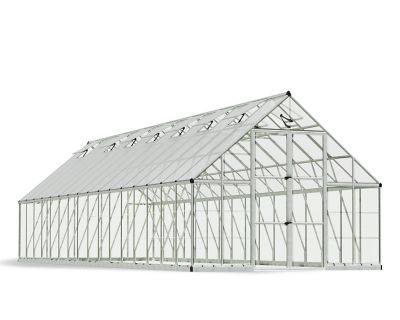
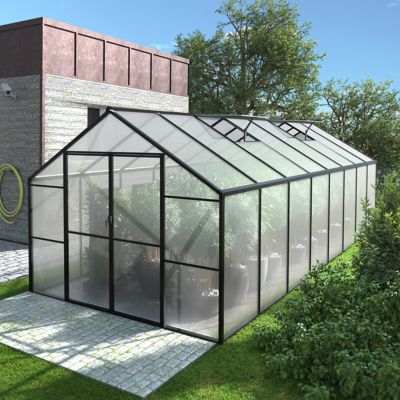
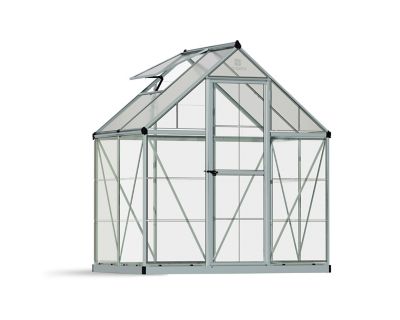
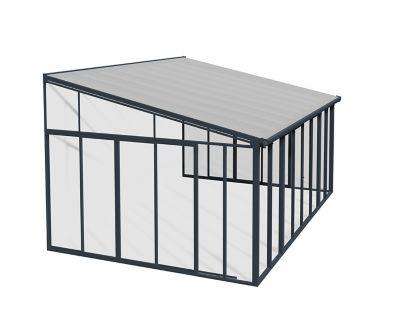
Polycarbonate panels for greenhouses give gardeners a sturdy, practical way to cover a growing space while letting in the sunlight plants need. Compared with glass, polycarbonate is lightweight, easier to handle and far less likely to shatter when hit by hail, windblown branches or an errant tool. It also bends and cuts more readily for many home greenhouse projects, making it a good fit for everything from a small backyard seed-starting house to a larger hoop-style structure. The panels scatter incoming light instead of sending strong, concentrated beams into one spot, helping create more even light across the plant canopy and reducing harsh shadows. That gentle, diffused light can be useful for tender starts, leafy greens, herbs, flowers and vegetable plants that need steady conditions as the weather moves through cooler stretches. Many panels include a UV-protective side designed to face the sun, which helps protect the sheet from outdoor exposure. Always check the protective film or manufacturer markings before installation so the treated side is positioned correctly. During the cooler months, a covered greenhouse can give you a place to keep hardy greens going, protect young plants from sudden temperature swings and get a head start on the next round of seedlings when outdoor beds are resting.
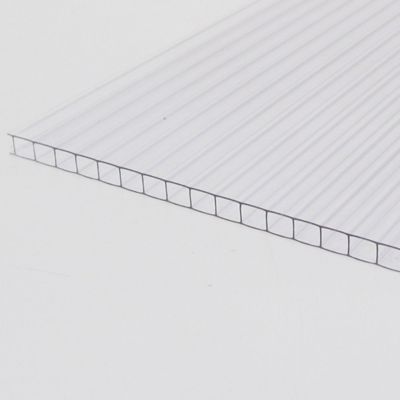
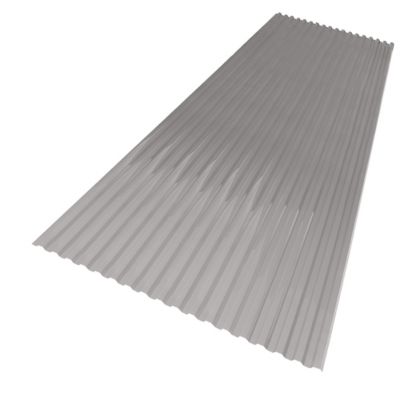
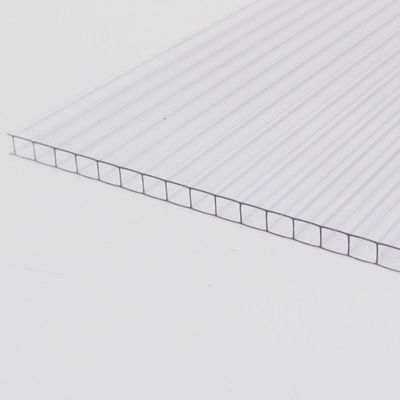
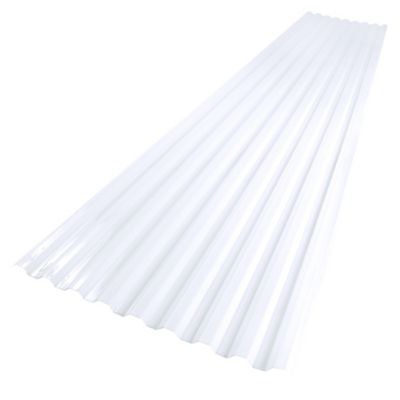
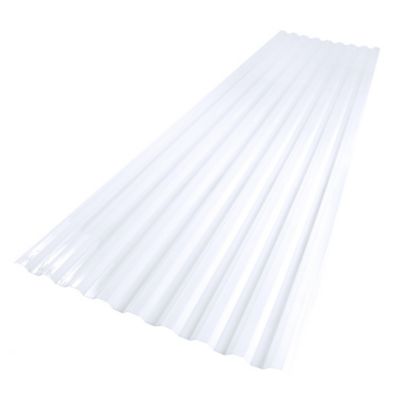
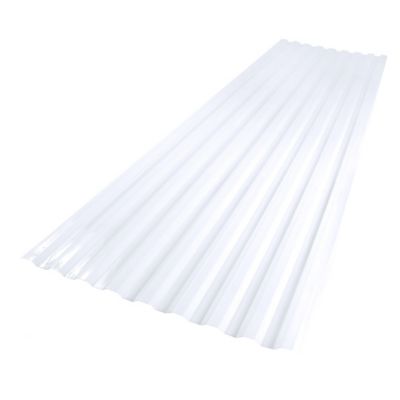
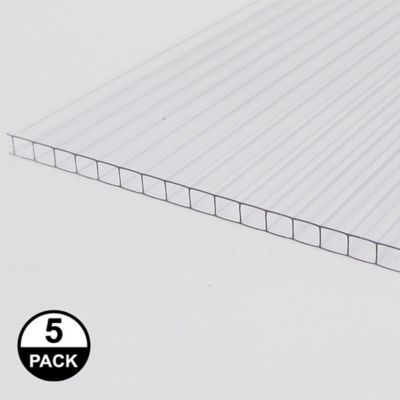
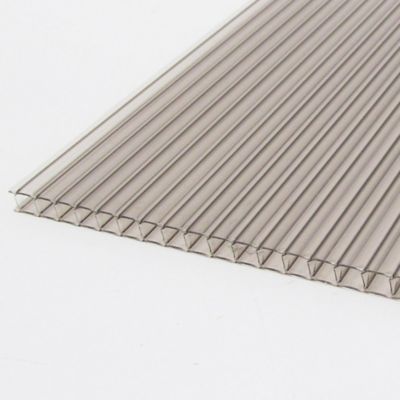
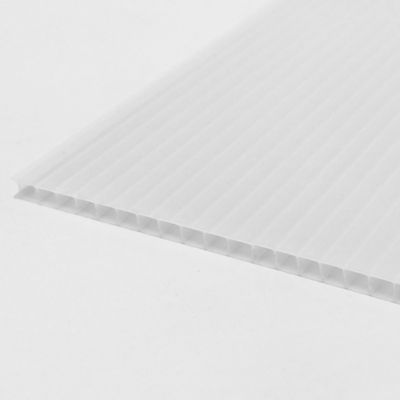
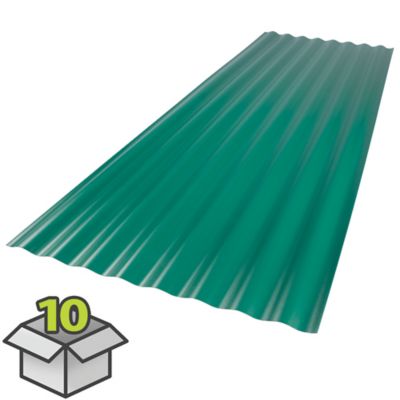
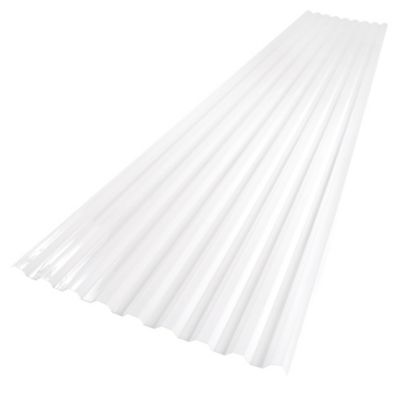
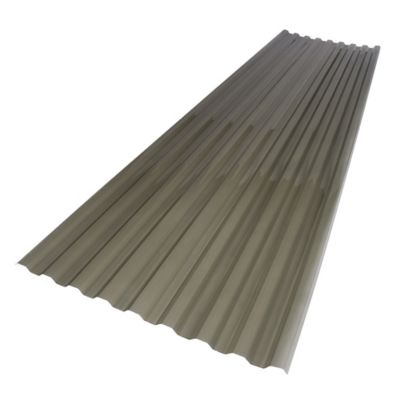
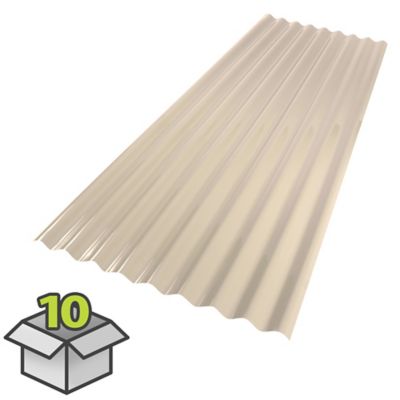
The panel style and thickness you choose should match your greenhouse frame, local weather and plans for the space. Single-wall corrugated polycarbonate is often a budget-friendly choice for seasonal structures and simple hobby greenhouses. It is relatively light, allows plenty of daylight through and can flex to follow curved or arched frames. Twin-wall and other multiwall panels have hollow channels between their outer layers, creating pockets of air that provide better insulation than a single sheet. These panels can help hold warmth inside the greenhouse and may be a better choice for gardeners who want to extend the growing season or keep the structure more comfortable during cold weather. Thinner panels in the roughly 4mm to 6mm range can suit milder climates, temporary setups and basic seasonal use, while thicker 8mm to 10mm sheets offer more insulation and added resistance for areas that see stronger wind or accumulating snow. Very thick multiwall panels are commonly selected for demanding conditions, larger structures or more serious year-round growing. Consider the frame spacing, roof pitch and expected snow load before ordering, since a heavy covering needs suitable support. Panel size matters, too. Smaller sheets can be easier for one person to carry and position, while larger sheets may reduce seams on a full-size greenhouse. Measure the roof and wall sections carefully, account for overlaps and leave room for the expansion and contraction that can happen as temperatures change.
A solid installation helps polycarbonate panels perform well for the long haul. Use fasteners made for polycarbonate or compatible roofing applications, preferably with washers that spread pressure across the sheet without crushing it. Holes and attachment points should allow a little movement so the panels can expand in warm sunlight and contract during cold nights. Over-tightening screws can create stress around the fastener and lead to cracking, while undersupported edges may flex in heavy wind. Multiwall panels need attention at the open flute ends. Specialized breathable or solid closure tape and matching U-channels can help keep out insects, dirt and moisture while allowing proper drainage and ventilation. Sealing those edges also helps reduce the chance of algae or condensation buildup inside the channels. Keep the UV-protected face outward, and avoid dragging sheets across rough ground that can scratch the surface. A clean, soft cloth and mild soapy water are generally a safer choice than abrasive cleaners or stiff brushes. Polycarbonate greenhouse panels are useful for home gardeners, market growers, school gardens and anyone building a sheltered place for plants, and they can also make a thoughtful gift for a neighbor who enjoys starting vegetables or tending flowers from seed. For other outdoor projects that call for daylight and weather-resistant coverage, explore
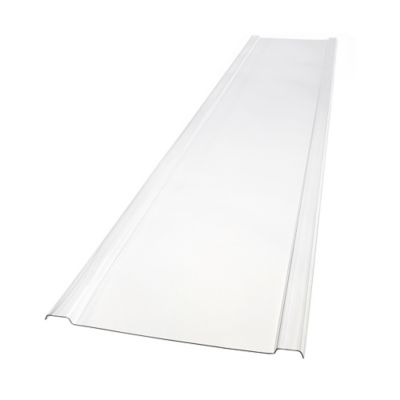
Polycarbonate Skylight Panels. With the right thickness, support and edge treatment, these panels can turn a chilly, drafty frame into a dependable growing space that stays useful as seasons shift.