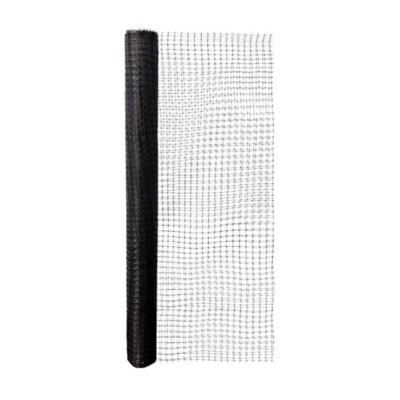
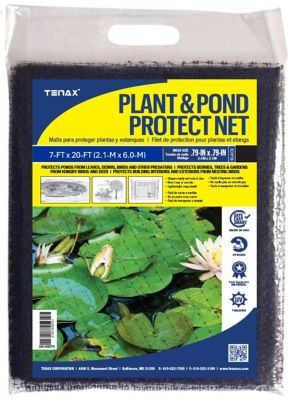
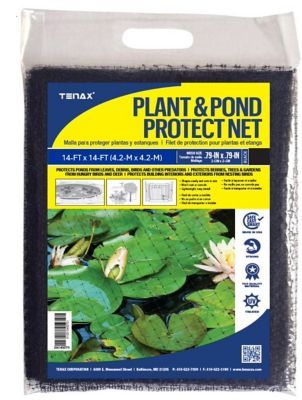
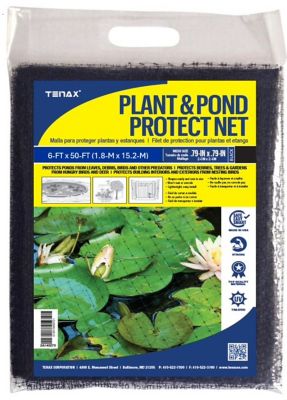
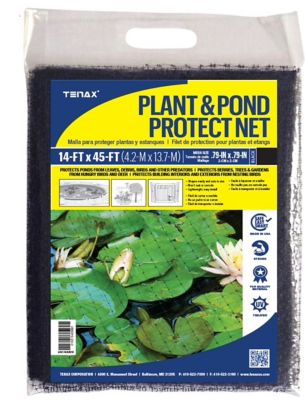
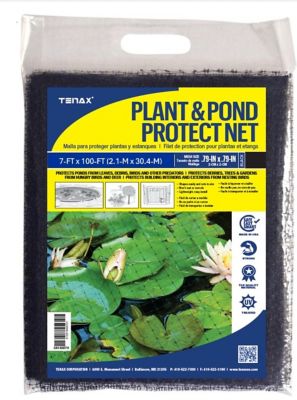
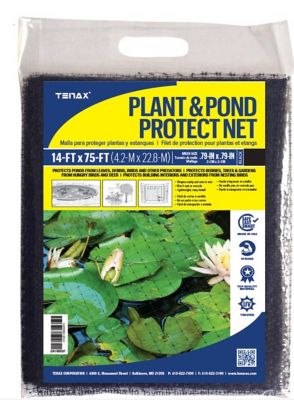
Pond leaf netting is an open-mesh cover that catches falling leaves, twigs, and windblown debris before they settle into a pond. For a backyard water garden, koi pond, or small ornamental pond beside the farmhouse, that simple barrier can take some of the work out of leaf cleanup. Leaves that sink and break down add organic matter and nutrients to the water, contribute to bottom sludge, and consume oxygen as they decompose. Keeping a portion of that material out supports regular pond maintenance, though netting does not replace filtration, aeration, or water testing. The openings let air and light pass through while intercepting debris, with the amount caught depending on the mesh size and the shape of the leaves. Openings around 1/2 inch to 3/4 inch can catch broad maple and oak leaves, while mesh around 3/8 inch can intercept smaller leaves and finer debris. Slender pine needles may still work through openings, especially when they land end-first, so even a fine mesh will not catch everything. Mesh size describes the openings, not the overall dimensions of the cover, and both measurements matter when comparing pond nets. Common materials include polyethylene, polypropylene, and nylon, with differences in strand thickness, construction, stretch, and resistance to outdoor exposure. UV-resistant material helps limit deterioration from sunlight, while reinforced edges and well-finished attachment points can help spread tension around the perimeter. The right balance depends on the setting: a pond beneath several large trees faces a different leaf load than a small fountain tucked beside a porch. Fine mesh catches more small material but can also collect debris faster, making access for clearing the surface an important part of the setup. Open construction, manageable weight, and enough strength for the intended span all deserve a look alongside the net’s listed dimensions.
Fit matters just as much as mesh size because a net that barely reaches the shoreline leaves little room for anchoring or support. Pond net dimensions need to account for the full length and width of the water, extra material beyond the edges, and any rise over a frame or other support. Curved banks, rock borders, waterfalls, and planting shelves can change how a rectangular sheet fits over an irregular pond. A little extra reach allows the edges to sit beyond the water rather than pulling against stones at the rim. Flat, over-pond netting generally spans the pond with tension from perimeter anchors, while raised or tent-style systems hold the mesh above the surface. An elevated shape can help keep collected leaves out of the water and make them easier to brush toward the bank, but it still needs clearing before a heavy layer builds up. Even a well-supported cover can sag under wet leaves. Ground stakes, edge fasteners, and frame connections need to suit the net and the surrounding ground; loose soil and narrow stone borders may call for a different arrangement than a broad, firm bank. Anchors belong clear of pond liners, buried utilities, irrigation lines, and electrical cords. For ponds with fish, the mesh should remain clear of the water whenever the design calls for an elevated cover, with enough room around fountains, aeration equipment, and taller aquatic plants. Access also matters for feeding fish, checking pumps, and reaching a skimmer basket without taking down the entire cover. A handheld skimmer net serves a different purpose, lifting floating leaves after they reach the pond rather than intercepting them overhead. The two can complement each other where leaves enter around a waterfall or collect along an uncovered edge. Pond leaf netting is not a child safety cover, an animal enclosure, or a guaranteed predator barrier, regardless of how tightly it stretches across the opening.
Leaf covers are especially useful around fall leaf drop, but the best setup accounts for the whole stretch of time the net will stay in place. Having the cover positioned before nearby trees shed heavily helps keep the first layer of leaves from reaching the bottom. Regular clearing keeps a small collection from becoming a soggy mat that pulls the mesh down into the pond. A soft brush or careful lifting from the edge can help move debris without scraping the strands across sharp rocks; the net’s care directions should determine the cleaning method. Dragging a loaded sheet over gravel, snagging it on branches, or pulling hard at one corner puts extra strain on the material and attachment points. Wildlife checks matter, too, especially near pond margins where birds, frogs, and small animals travel. Loose folds and trailing sections can create entanglement hazards, so a tidy perimeter and prompt attention to damage are important. Before freezing conditions, the cover and its supports need a load check against the manufacturer’s limits. Ordinary leaf netting should not be treated as a snow-bearing structure, and accumulated snow or ice can overload mesh and frames that are not rated for it. Removal or other winter handling should follow the cover’s instructions without interfering with essential pond equipment. Between periods of use, clearing away plant matter, rinsing as directed, and letting the net dry fully helps keep storage cleaner. A shaded, dry storage spot away from sharp tools and rodents can help protect the strands until the next setup. Checking for stretched openings, frayed edges, and weakened fasteners before installation makes worn areas easier to spot. When comparing pond covers with the broader
Plastic Netting category, intended use matters: a mesh made for fencing or another outdoor job is not automatically suited to a fish pond. A pond-focused fit, suitable opening size, and manageable care routine help keep leaf collection from turning into another big chore around the place.